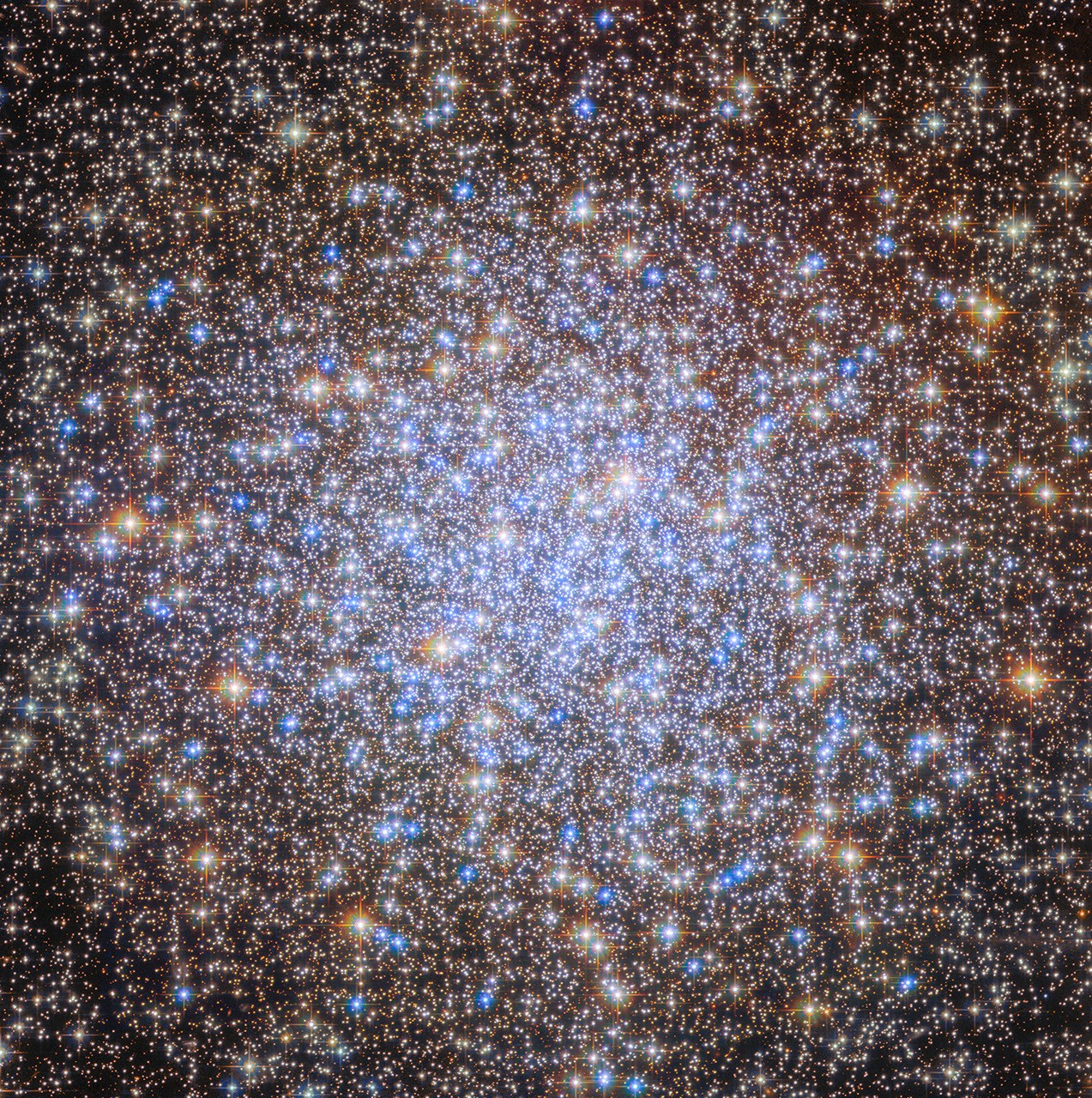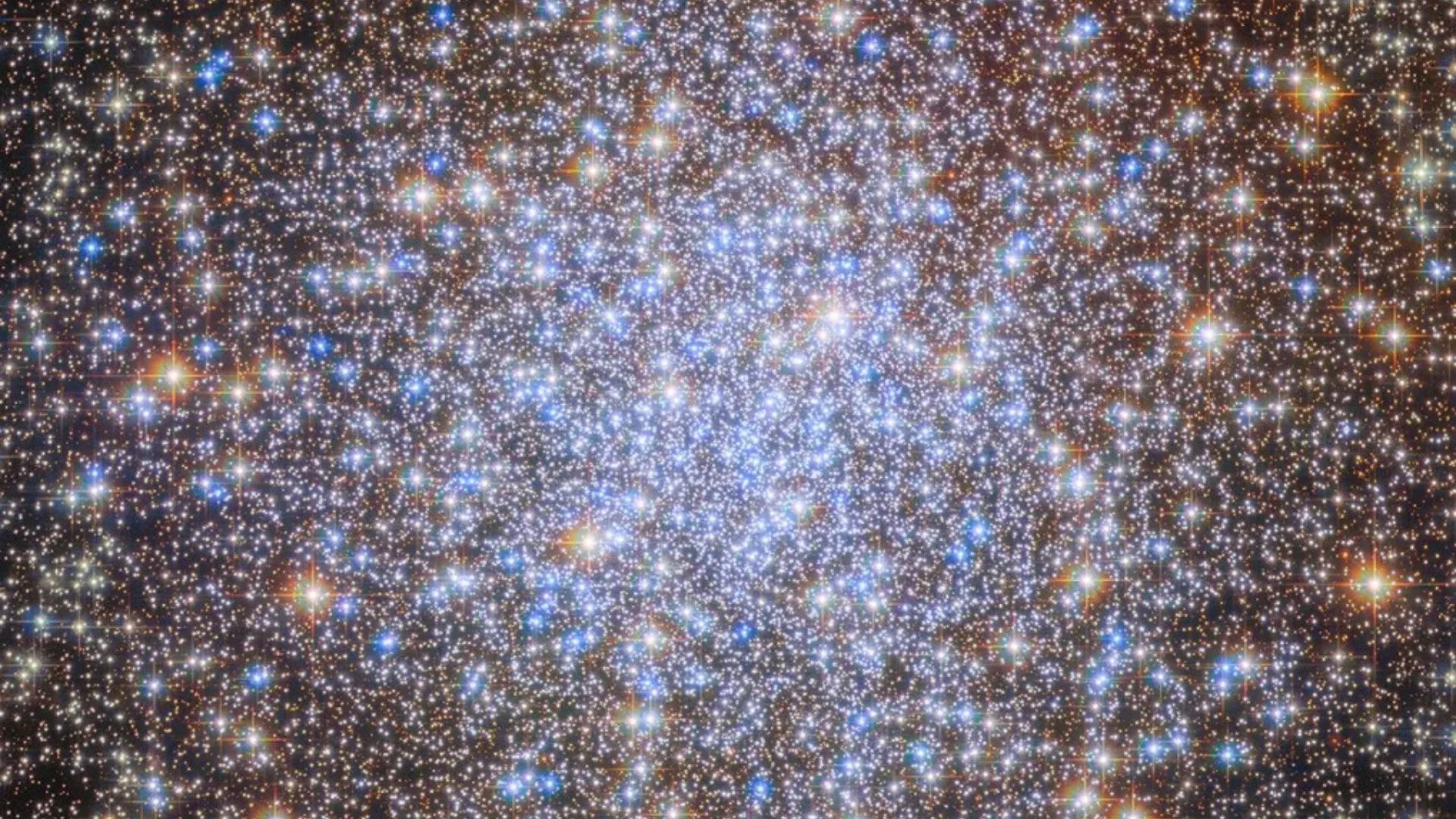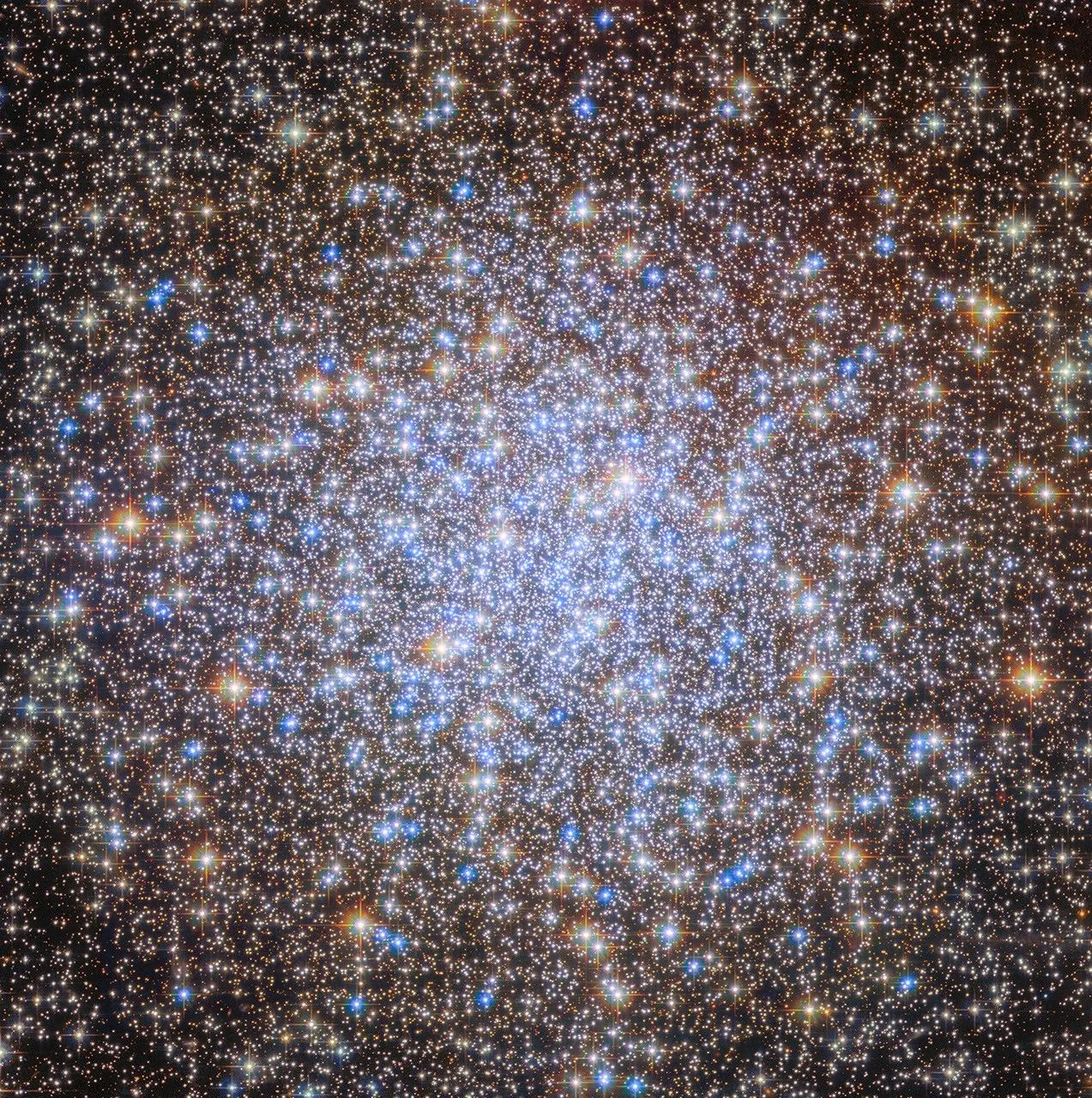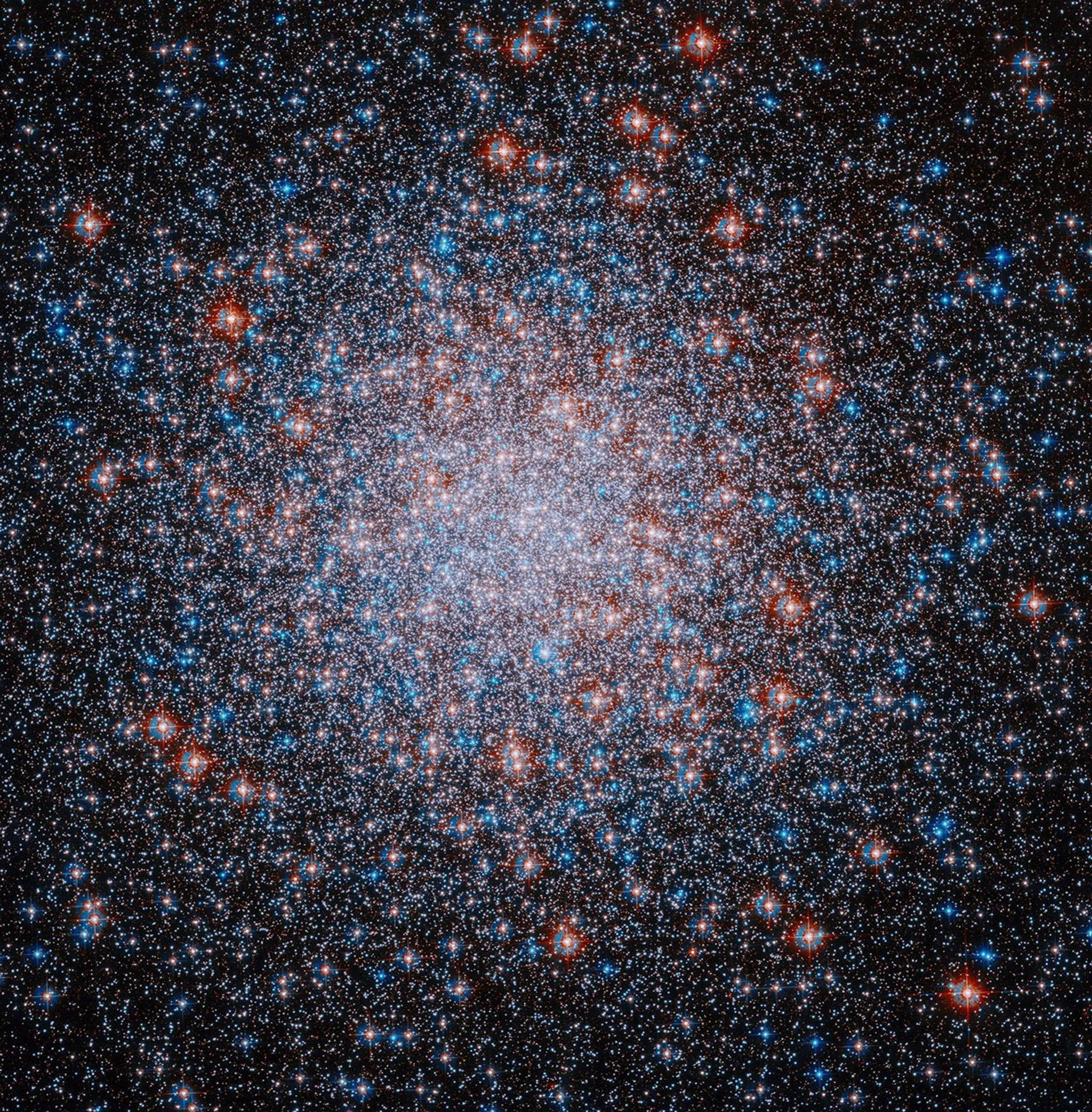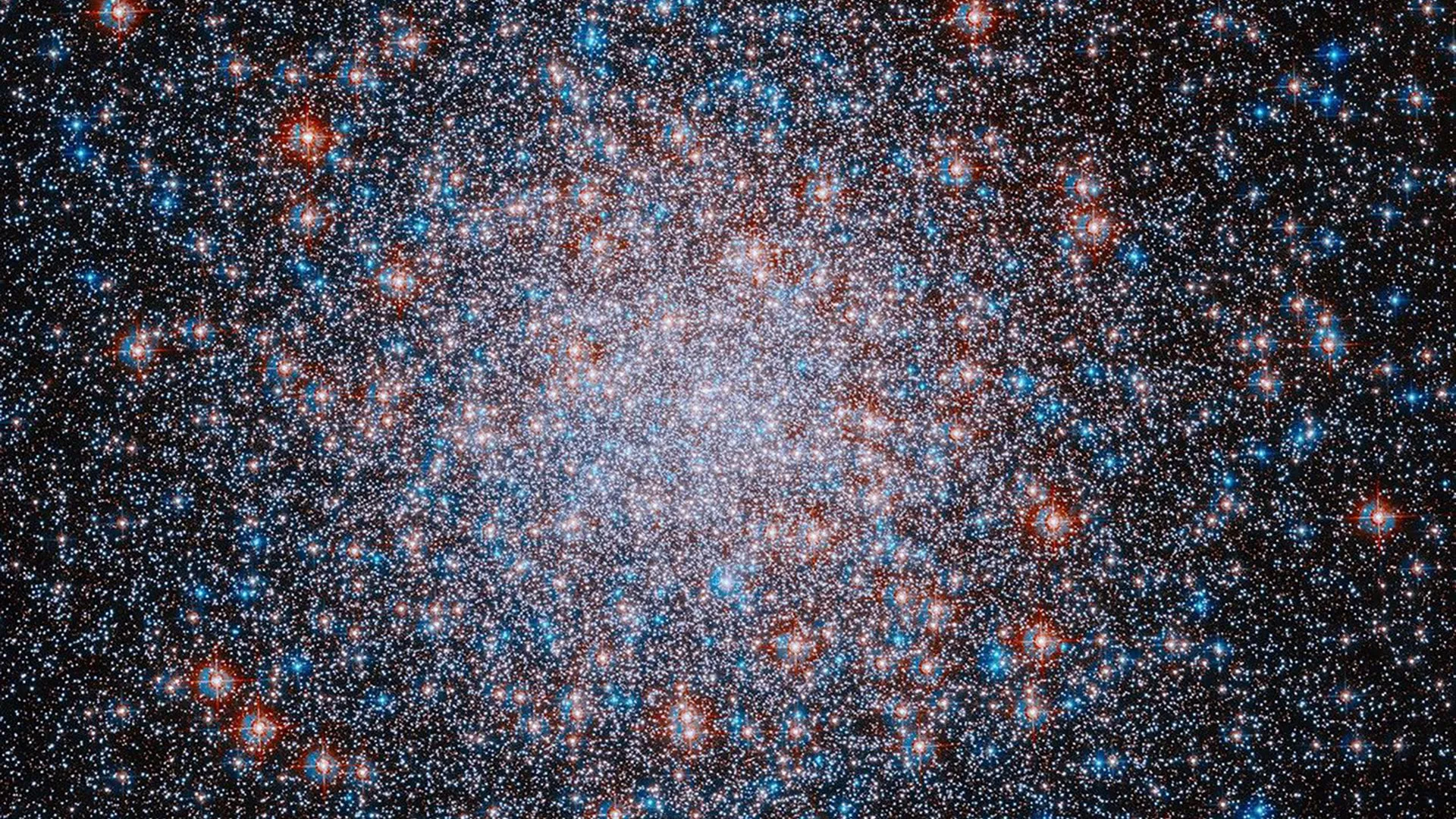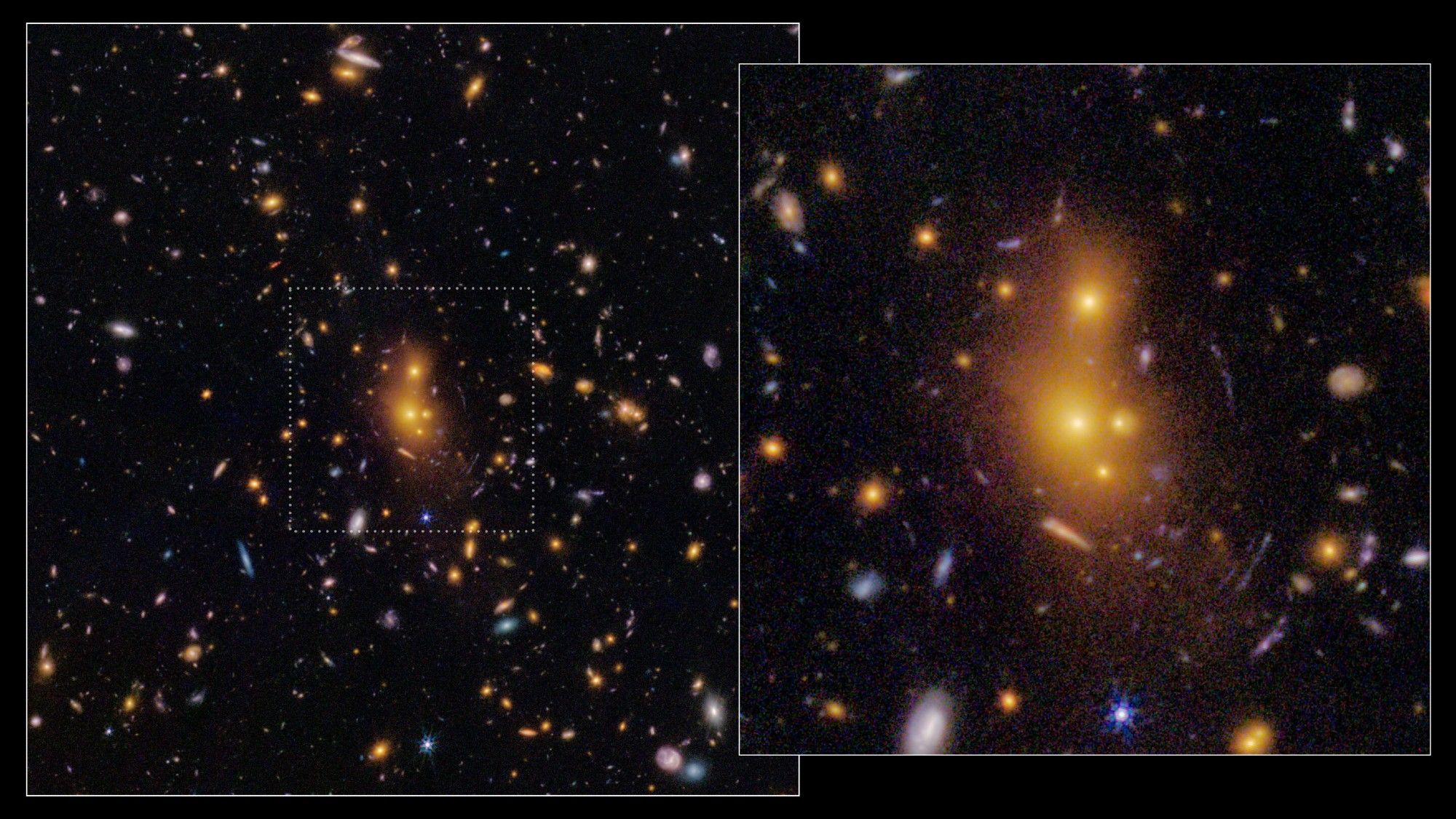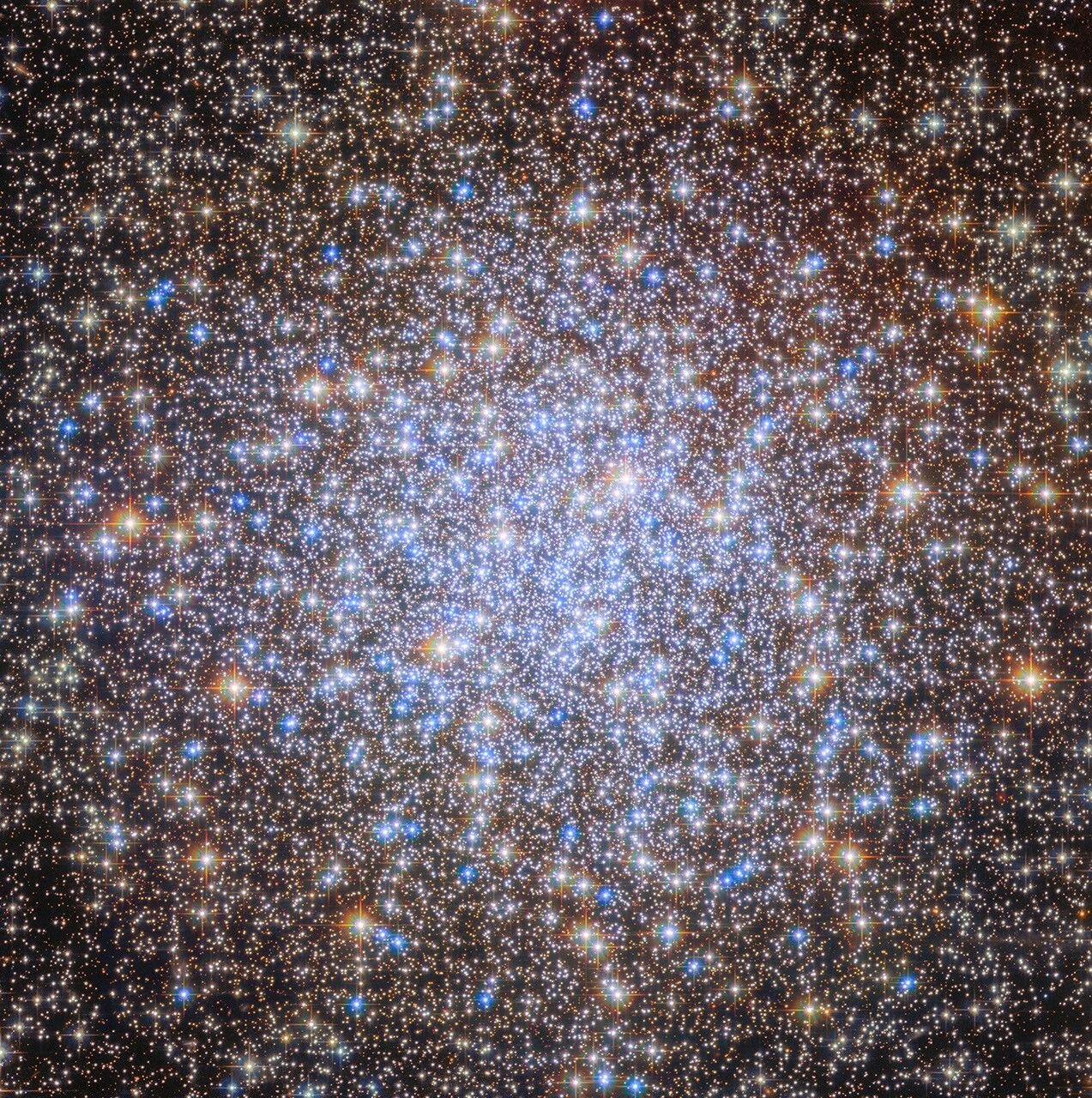
This NASA/ESA Hubble Space Telescope image features the globular cluster NGC 6723, sometimes called the Chandelier Cluster. Credit: ESA/Hubble & NASA, A. Sarajedini, G. Piotto
The subject of today's NASA/ESA Hubble Space Telescope image is an ancient inhabitant of our galaxy. This sparkling scene features a globular cluster: a collection of tens of thousands to millions of stars, all tightly bound together under the influence of gravity. There are more than 150 globular clusters in our galaxy, though there may be others still undiscovered, hidden from view by dust or densely packed fields of stars.
This globular cluster, NGC 6723, sometimes called the Chandelier Cluster, is much like its namesake because it sparkles with countless lights. However, each "lightbulb" in this chandelier is an individual star 27,000 light-years away in the constellation Sagittarius (the Archer).
Globular clusters like NGC 6723 contain some of the oldest stars in our galaxy. These clusters often exceed 10 billion years in age, and some are nearly as old as the universe itself. Astronomers think globular clusters are some of the first structures that formed in our galaxy, potentially coalescing billions of years before the thin disk of stars in which our sun orbits. The details of how globular clusters formed, however, are not yet certain.