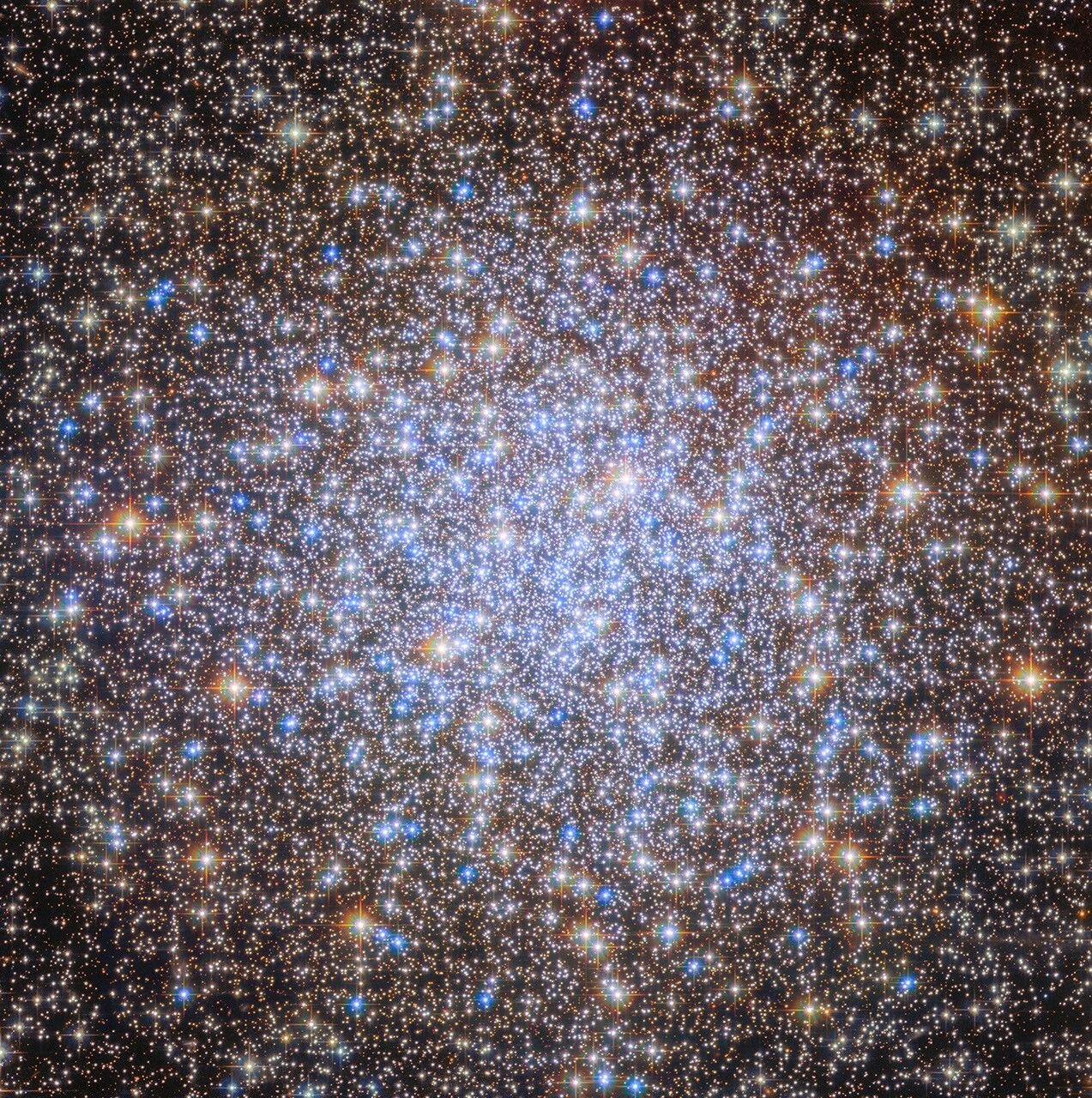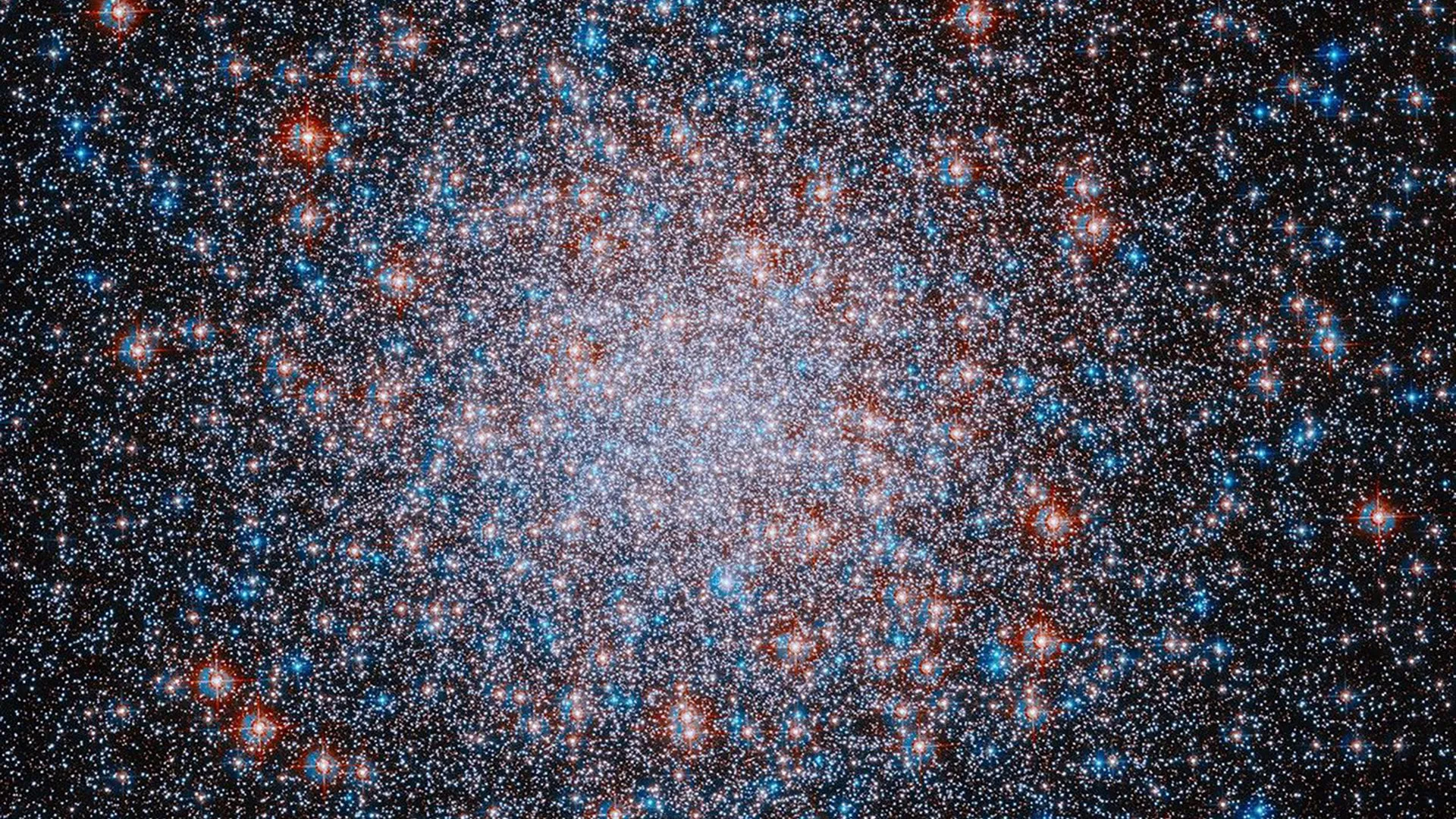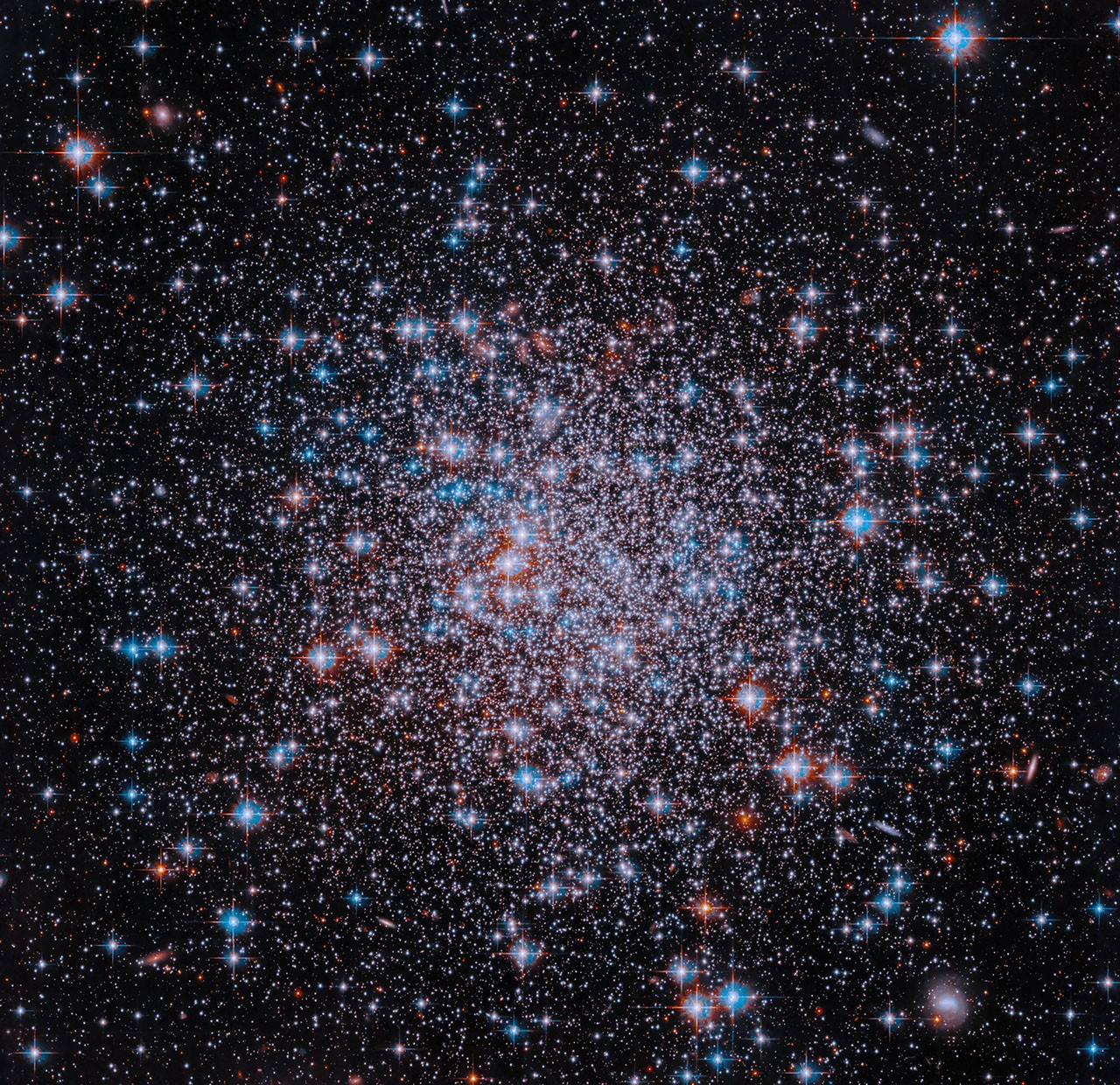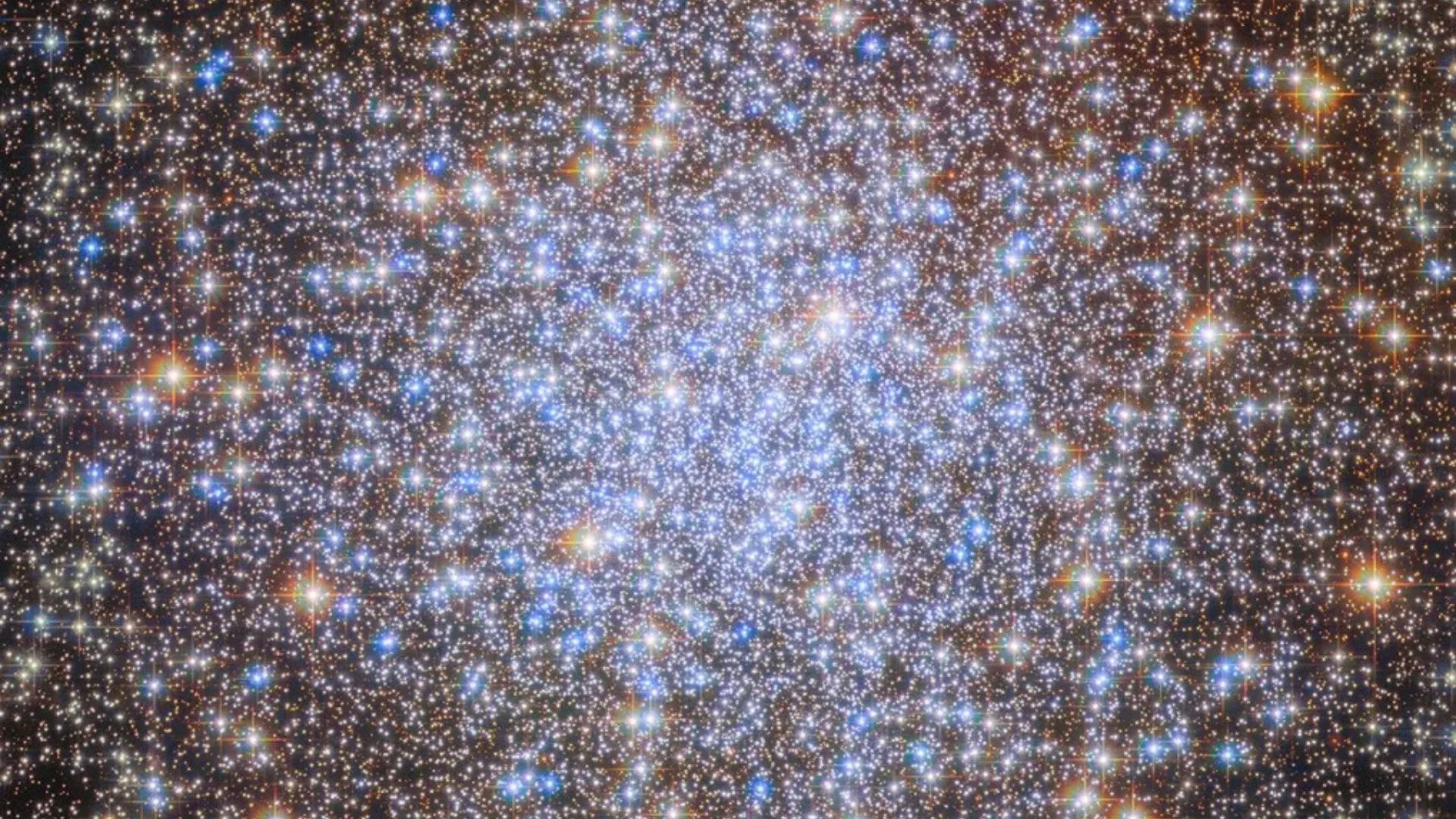
Chandelier Cluster (Photo source: X / @NASA)Nasa's Hubble Space Telescope has captured one of the oldest residents of our galaxy — a globular cluster, which is a tightly packed ball of anywhere from tens of thousands to millions of stars held together by gravity.Our galaxy has more than 150 known globular clusters, with possibly more hidden behind dust or crowded star fields.The cluster known as NGC 6723 earned the nickname the "Chandelier Cluster" because of how it glitters, much like an actual chandelier. Each point of light, though, is a real star, located about 27,000 light-years away in the constellation Sagittarius.Globular clusters like this one hold some of the galaxy's oldest stars, often more than 10 billion years old, with some nearly as old as the universe itself. Scientists believe these clusters were among the very first structures to form in the Milky Way, likely appearing long before the flat disk of stars where the Sun now sits. Exactly how they formed, though, remains unclear.Astronomers used to assume that every star in a globular cluster formed together at once, making them all the same age and chemical composition. But Hubble's observations have shown this picture is too simple.Hubble first studied NGC 6723 as part of a large project examining 65 Milky Way globular clusters using visible and near-infrared light, research that has led to hundreds of published papers.A later study used Hubble's ultraviolet vision to detect tiny chemical differences between stars in these clusters, revealing variations in their ages.For NGC 6723, researchers discovered two separate bursts of star formation, separated by roughly 634 million years. While that sounds like a long stretch, it is fairly brief compared with a cluster that is more than 10 billion years old.These discoveries are helping astronomers piece together how and when globular clusters first came to be, with observations of celestial chandeliers like NGC 6723 continuing to shed light on the mystery.
Chandelier Cluster: Nasa's Hubble captures one of the oldest members of the galaxy
Nasa's Hubble Space Telescope has captured one of the oldest residents of our galaxy — a globular cluster, which is a tightly packed ball of anywhere from tens of thousands to millions of stars held together by gravity.
318 words~1 min read