3 min readNASA Hubble Mission TeamGoddard Space Flight CenterJul 03, 2026 Article
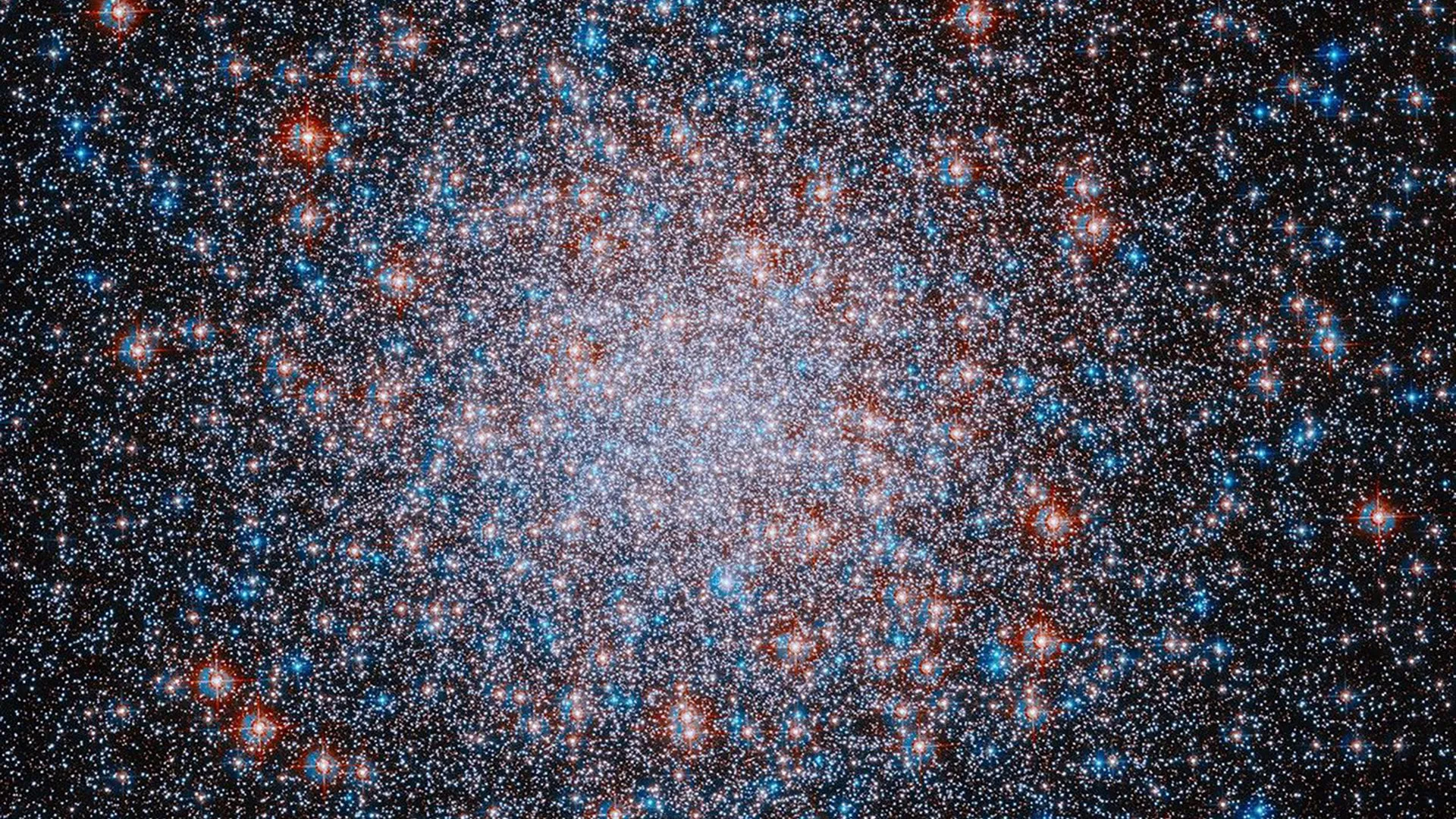
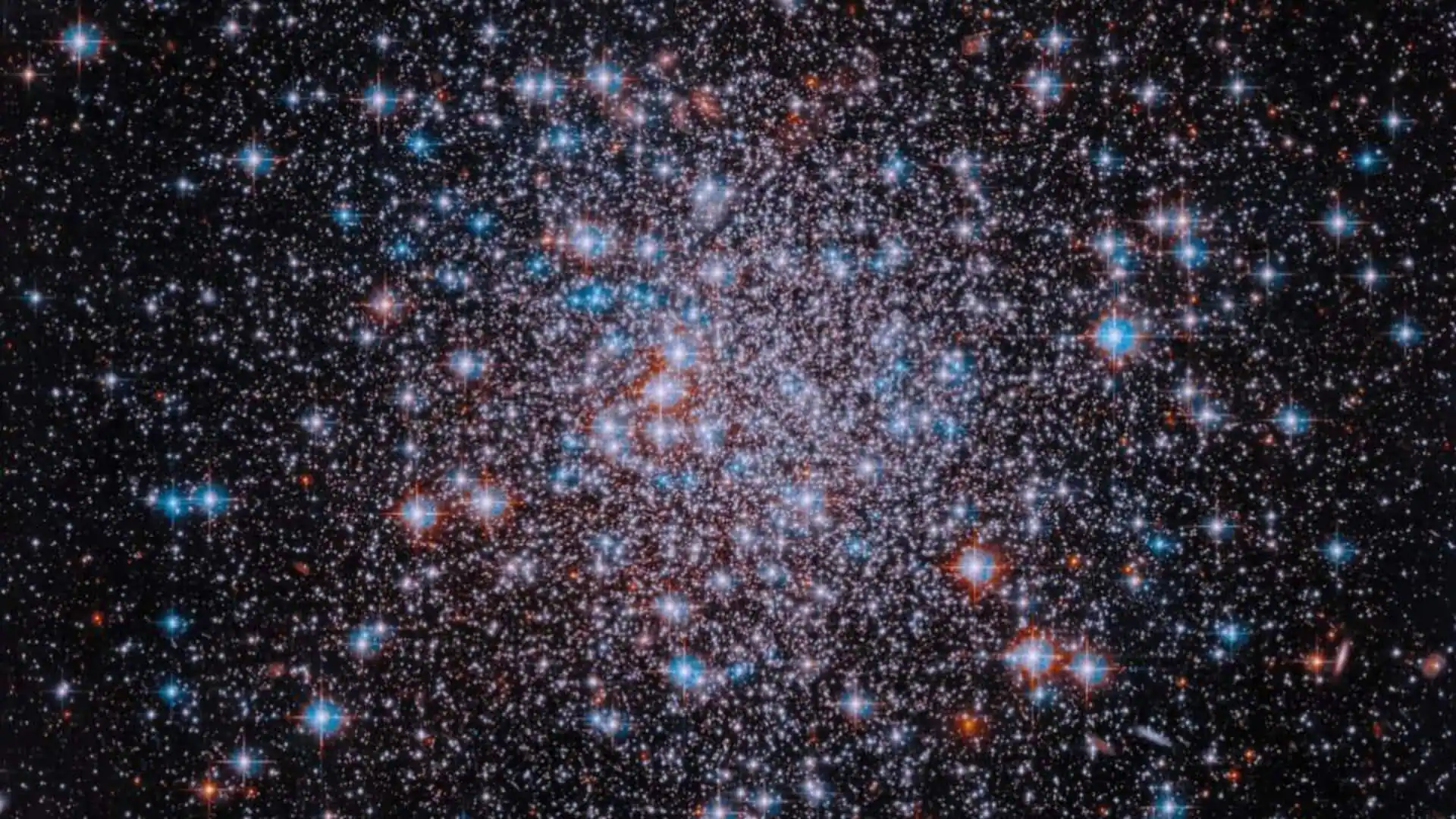
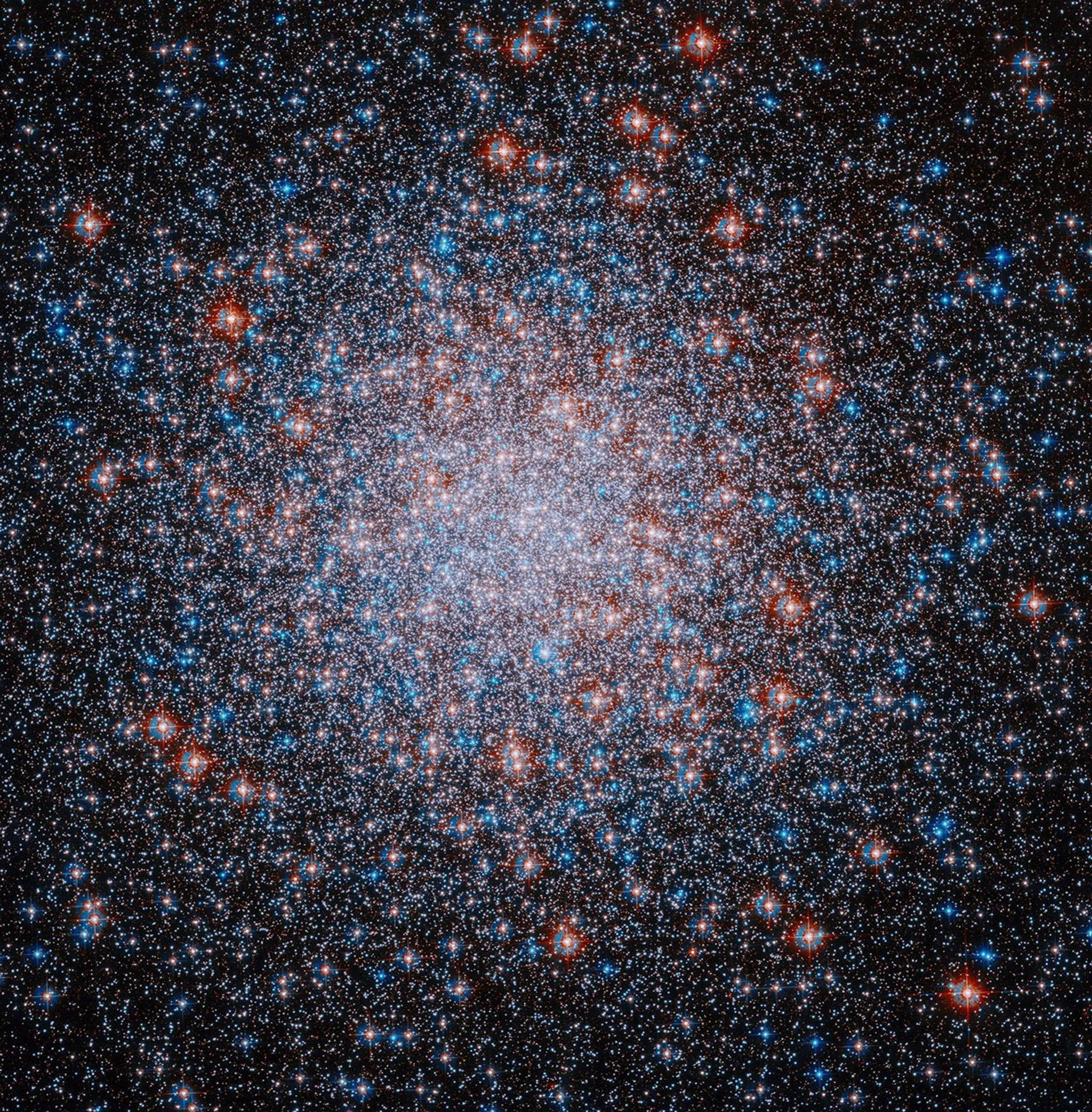
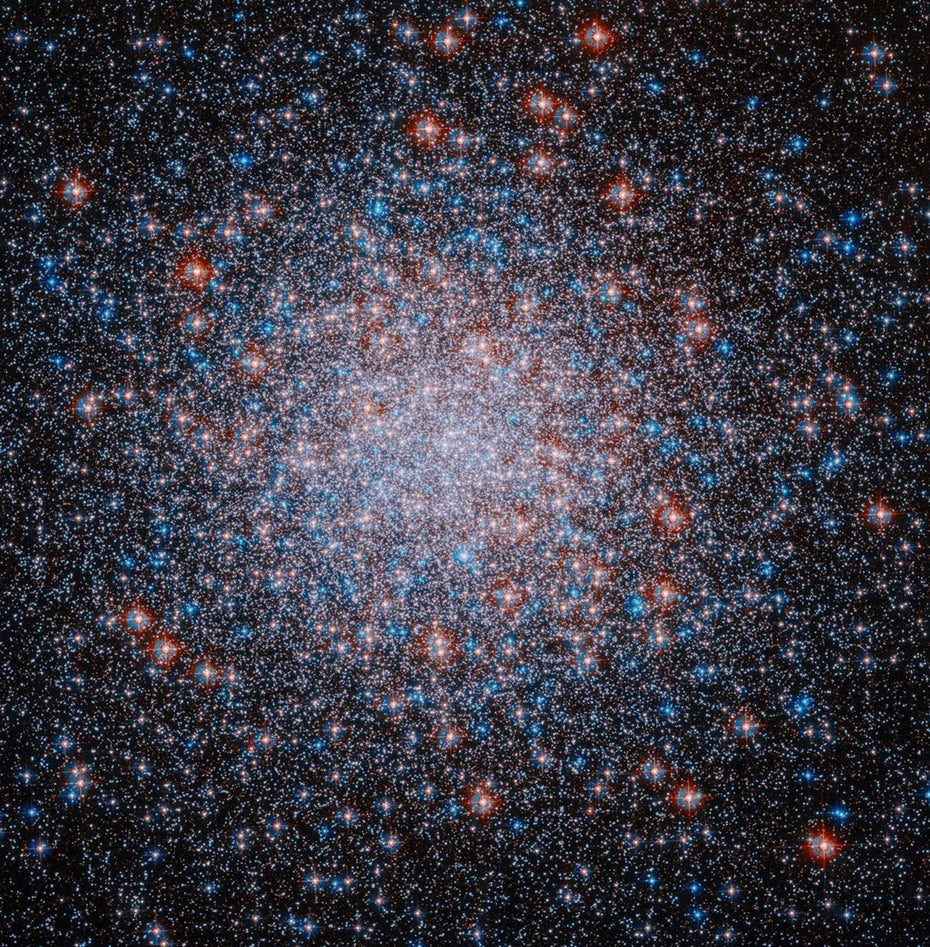
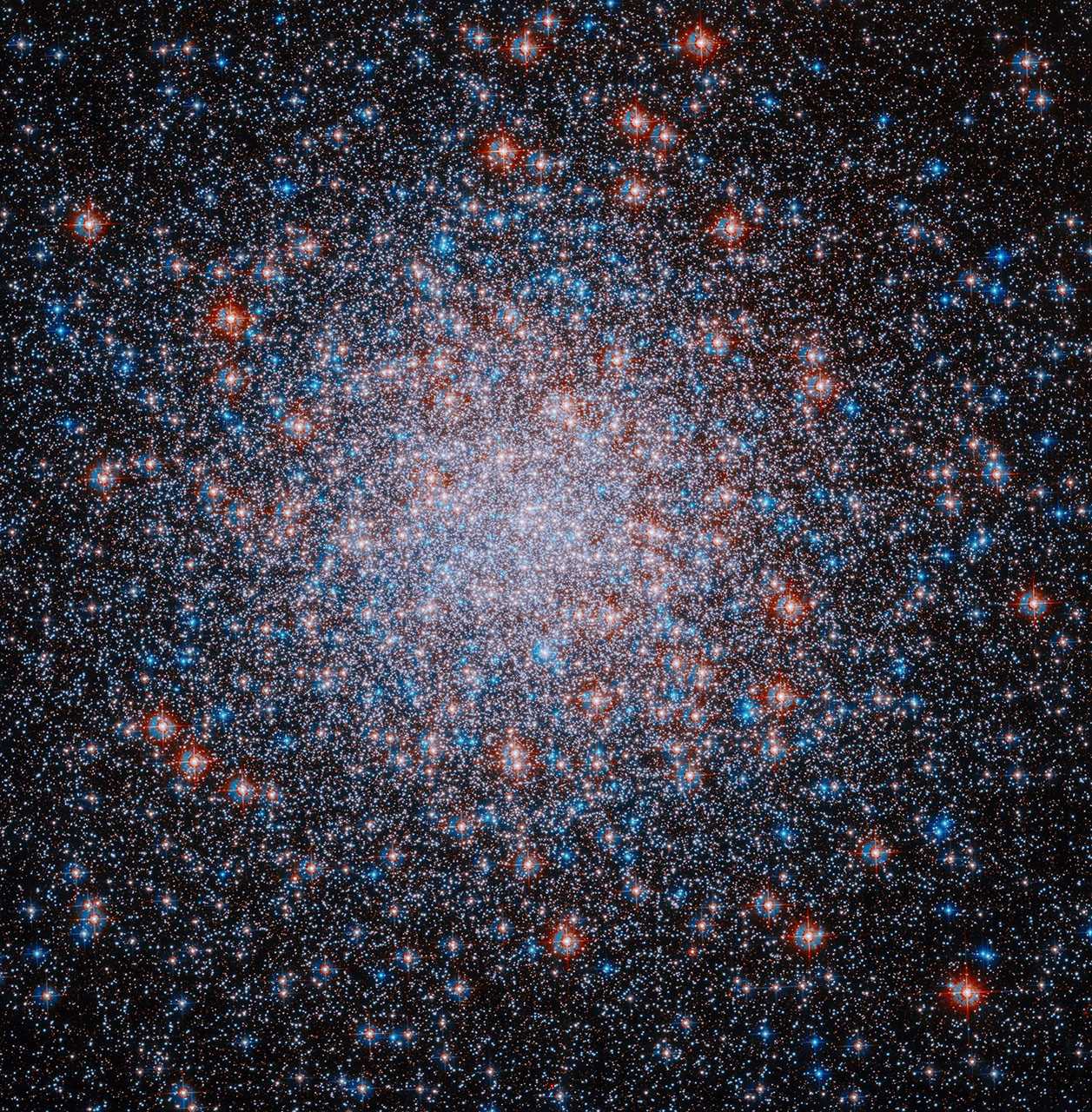
More than 500,000 stars blaze red, white, and blue in this image from NASA’s Hubble Space Telescope, released in celebration of the United States’ 250th anniversary. The image showcases Messier 3 (M3), one of the Milky Way galaxy’s most massive globular clusters, or spherical collections of gravitationally bound stars. Globular clusters are made up of ancient stars that formed at roughly the same time from the same cloud of gas, giving those stars similar ages. Around 150 known globular clusters are sprinkled around the outer regions of the Milky Way.
In addition to its significant mass, M3 is unusual because it lies relatively far from the galactic center and has more than 240 RR Lyrae variable stars, the most of any globular cluster in our galaxy. RR Lyrae variables are some of the galaxy’s oldest stars and are of special interest to astronomers, due to their age and because their light fluctuates over time in a way that tells us their intrinsic brightness. This true brightness can be used to measure distances in the cosmos, just as knowing the brightness of car headlights on a dark road can help estimate the distance to an oncoming vehicle.