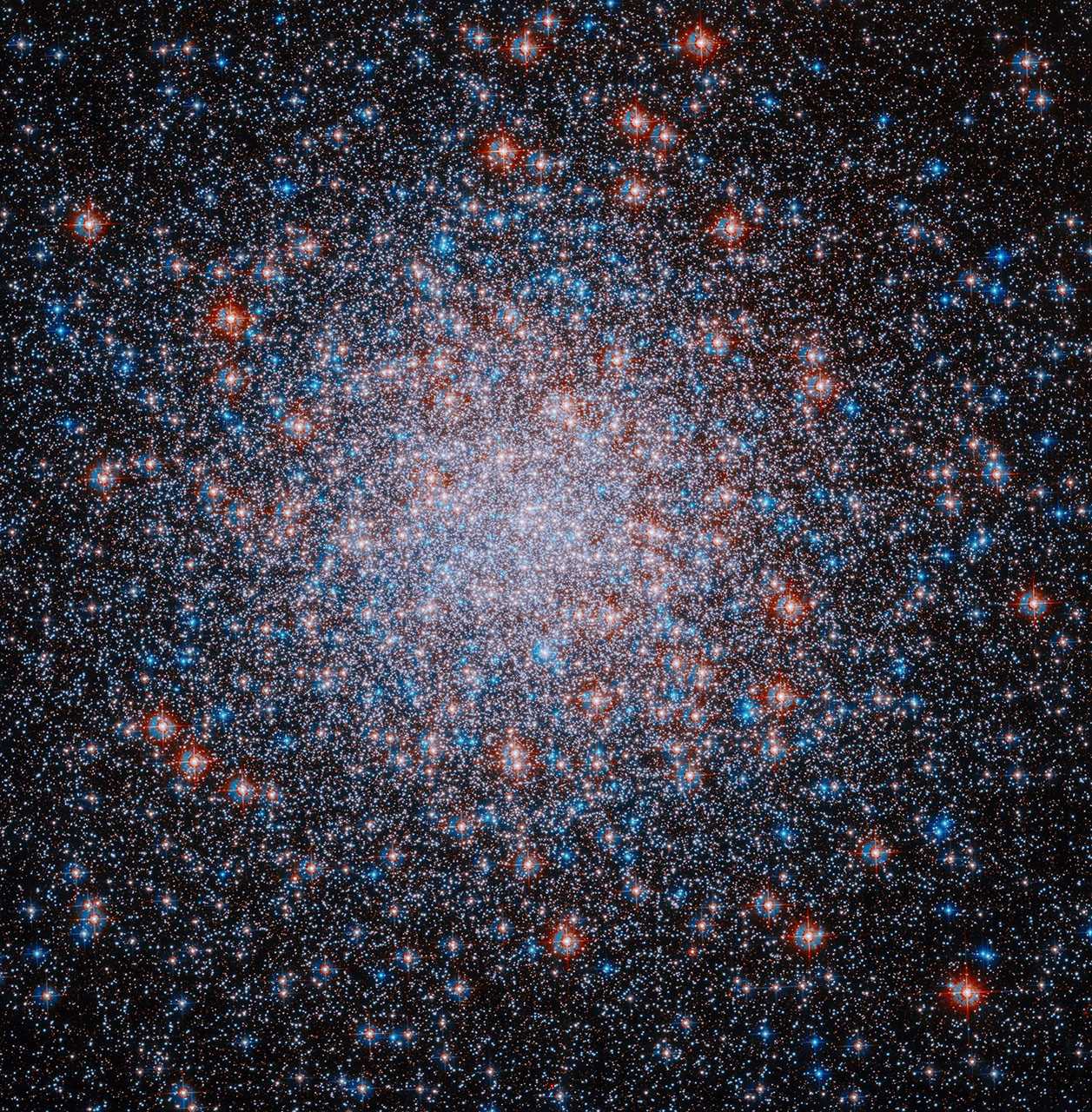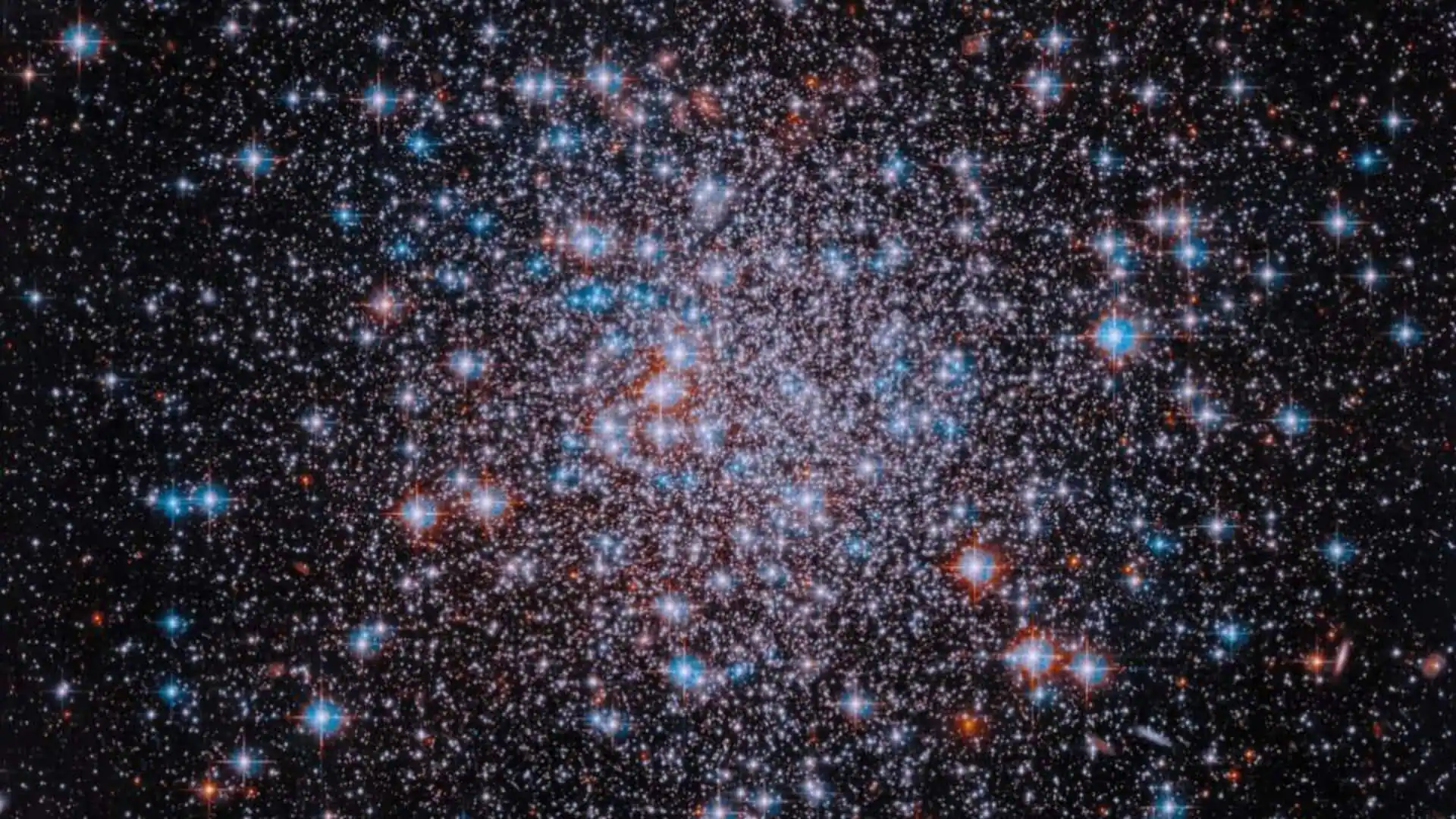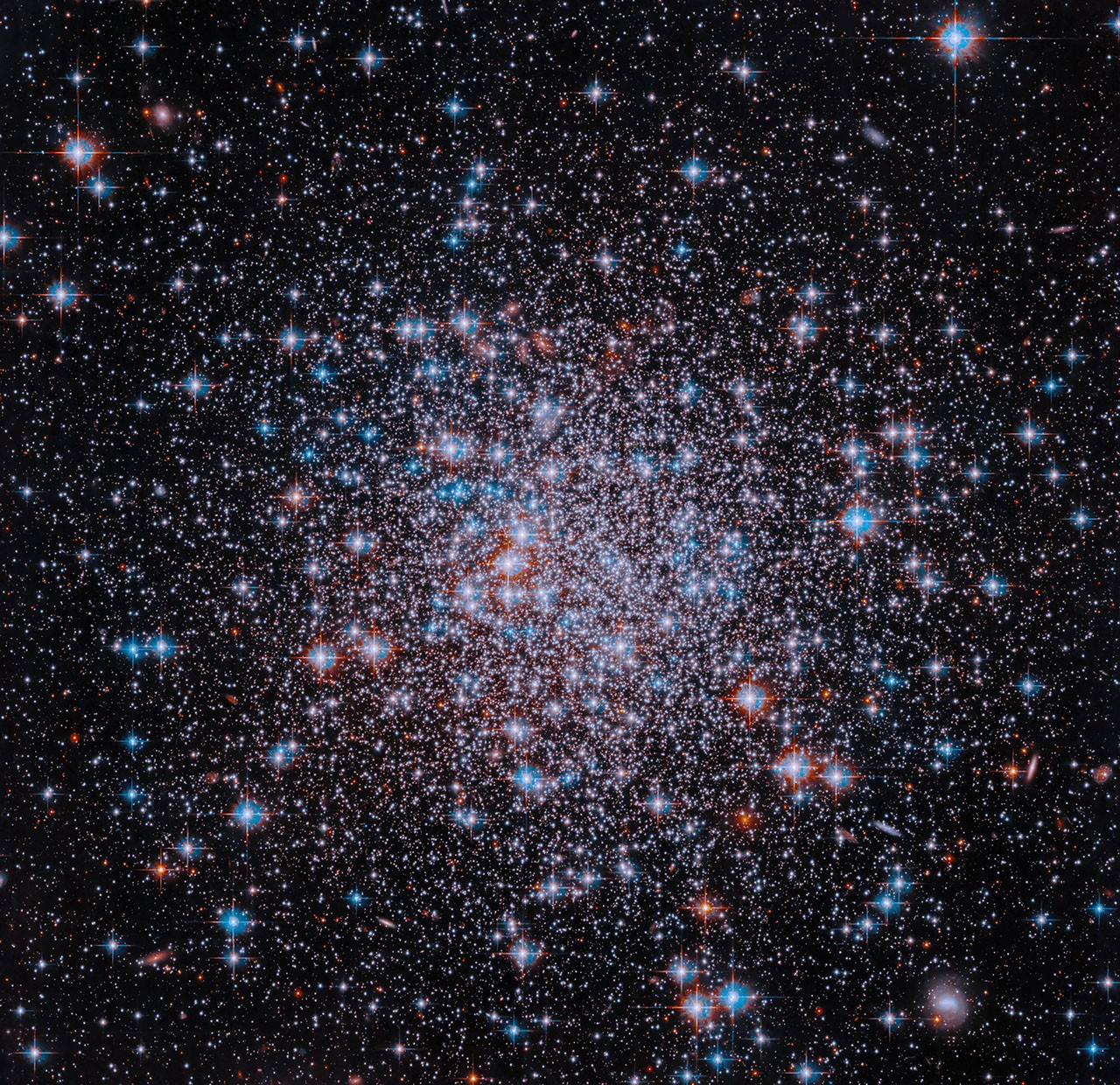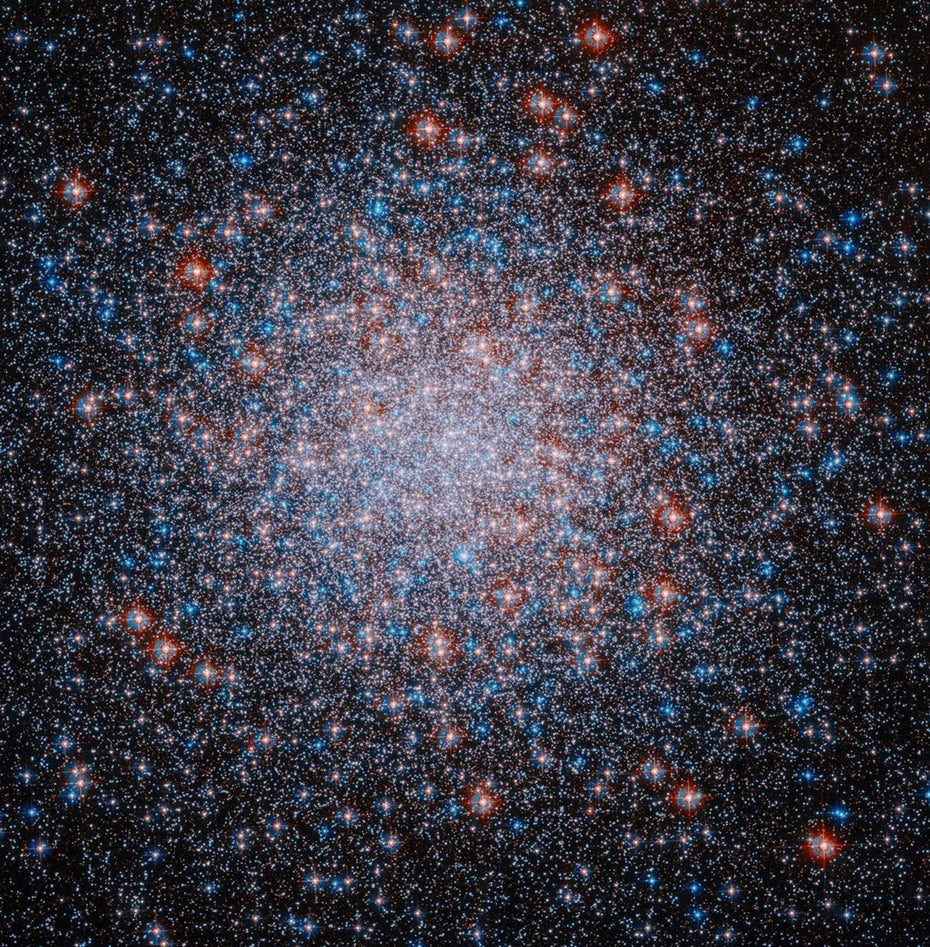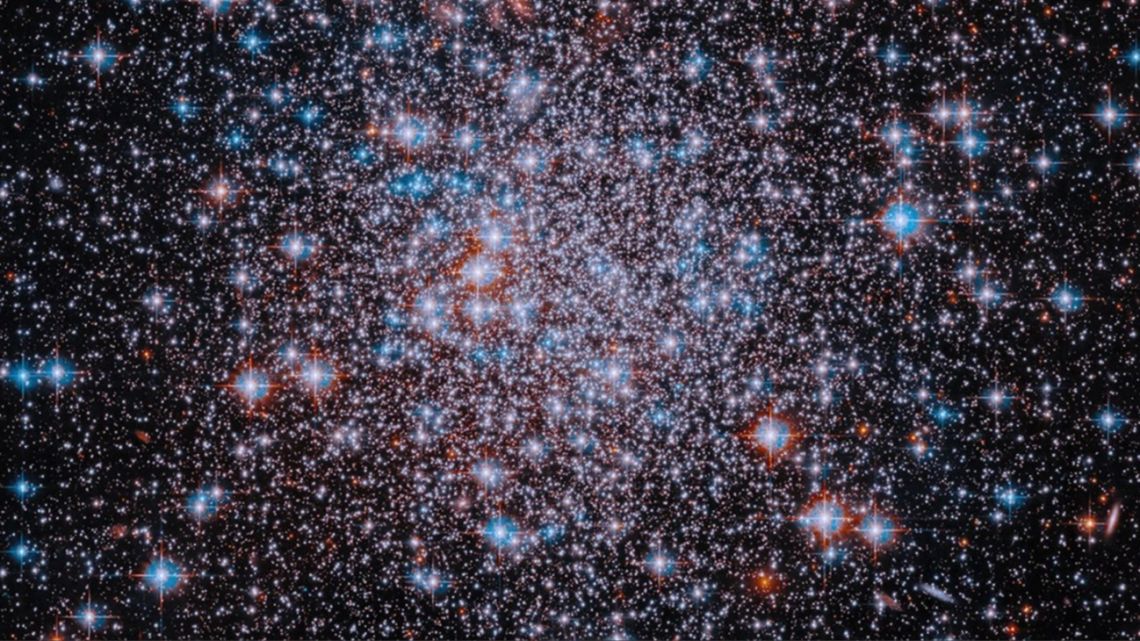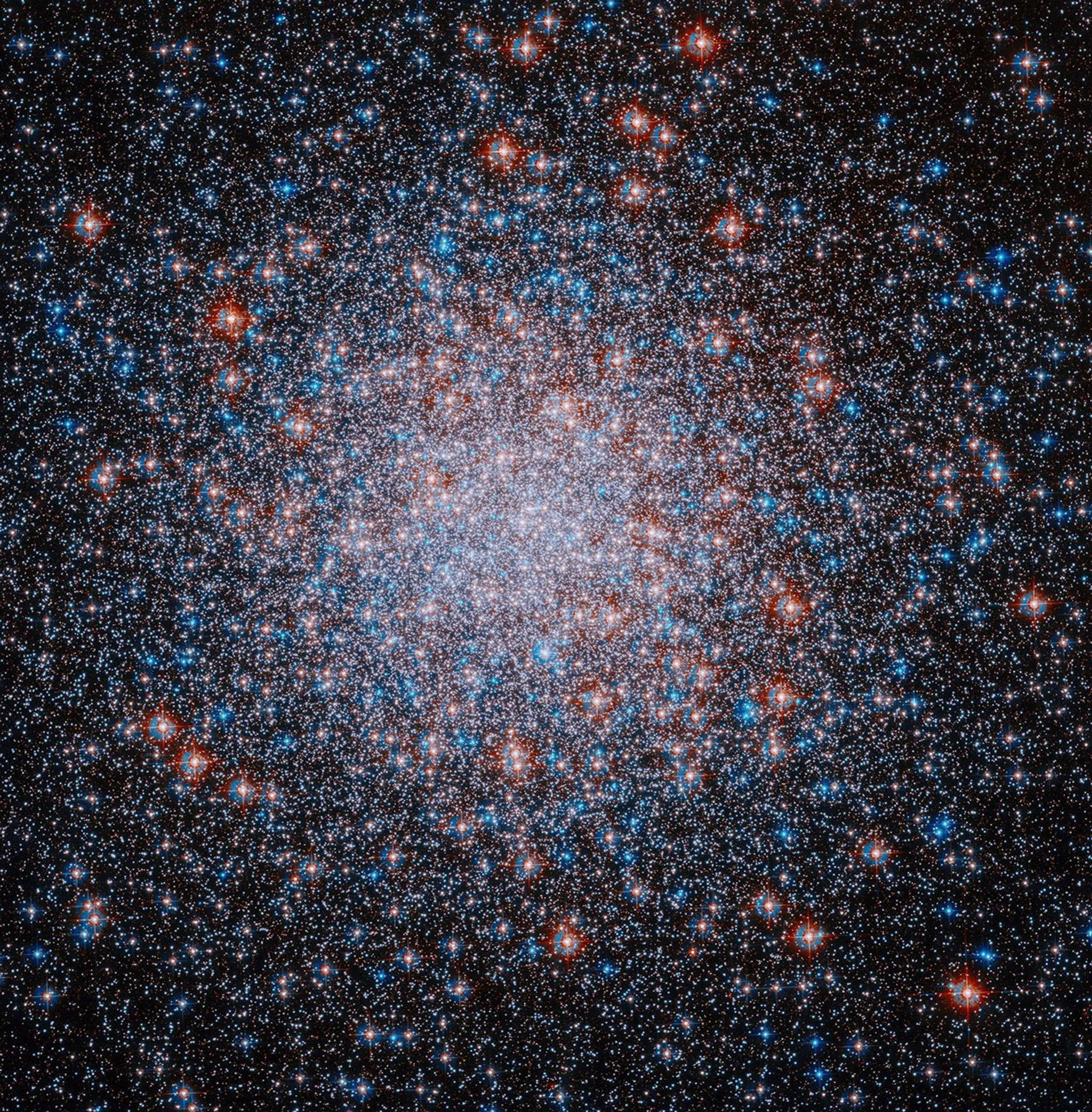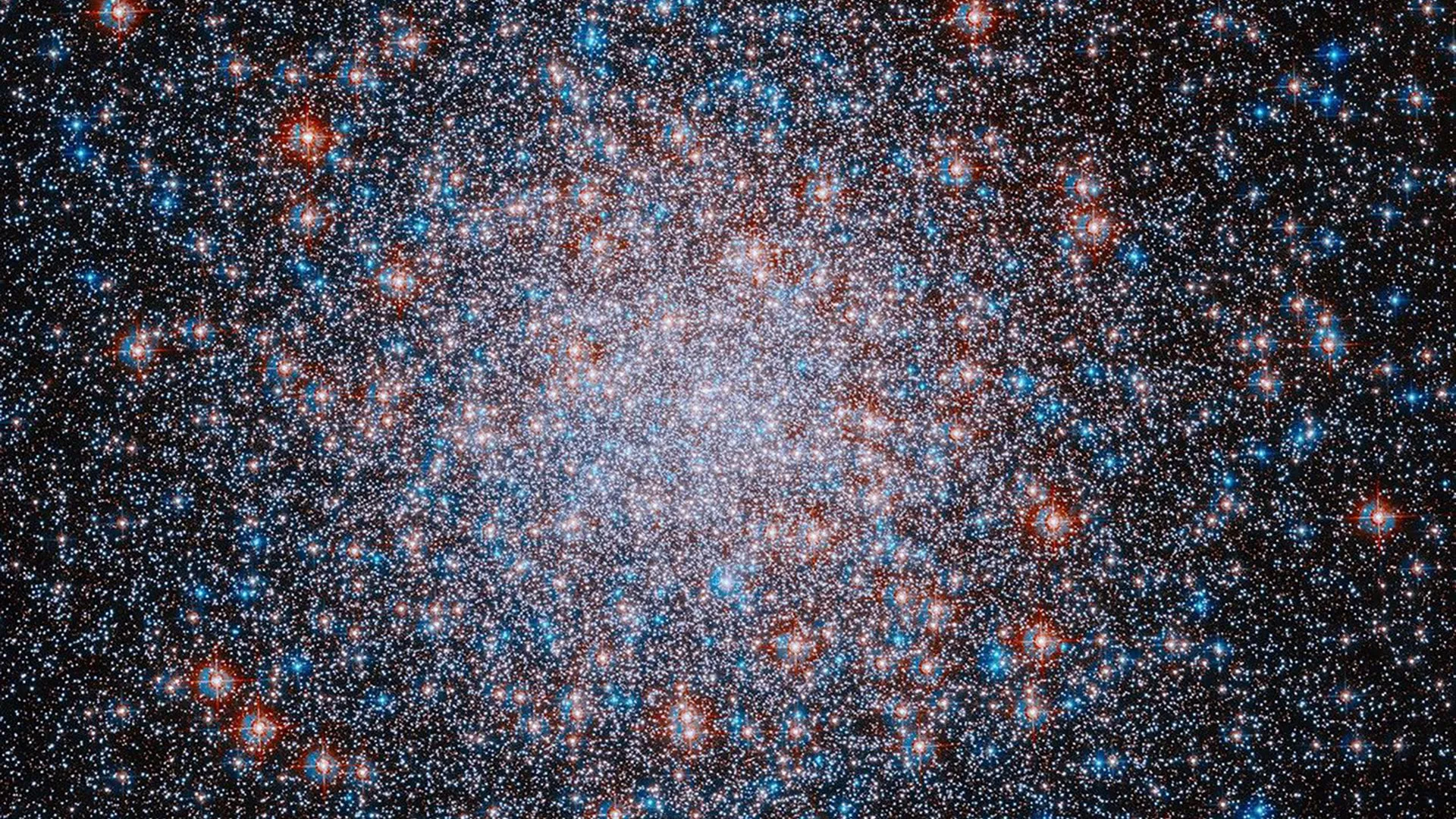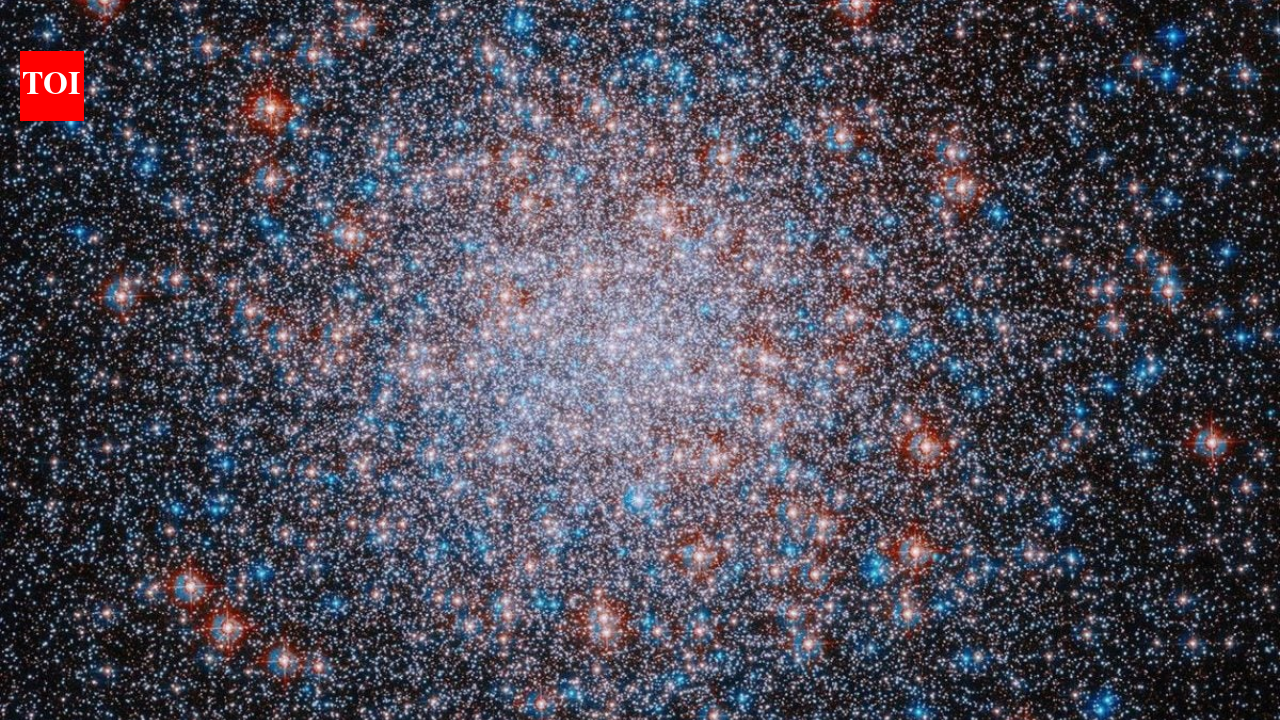
To mark the 250th anniversary of the United States, NASA released a striking new image from the Hubble Space Telescope showing more than 500,000 stars glowing in shades of red, white and blue.
The image features Messier 3, one of the largest and most massive globular clusters found anywhere in the Milky Way, a densely packed sphere of ancient stars all bound together by gravity.
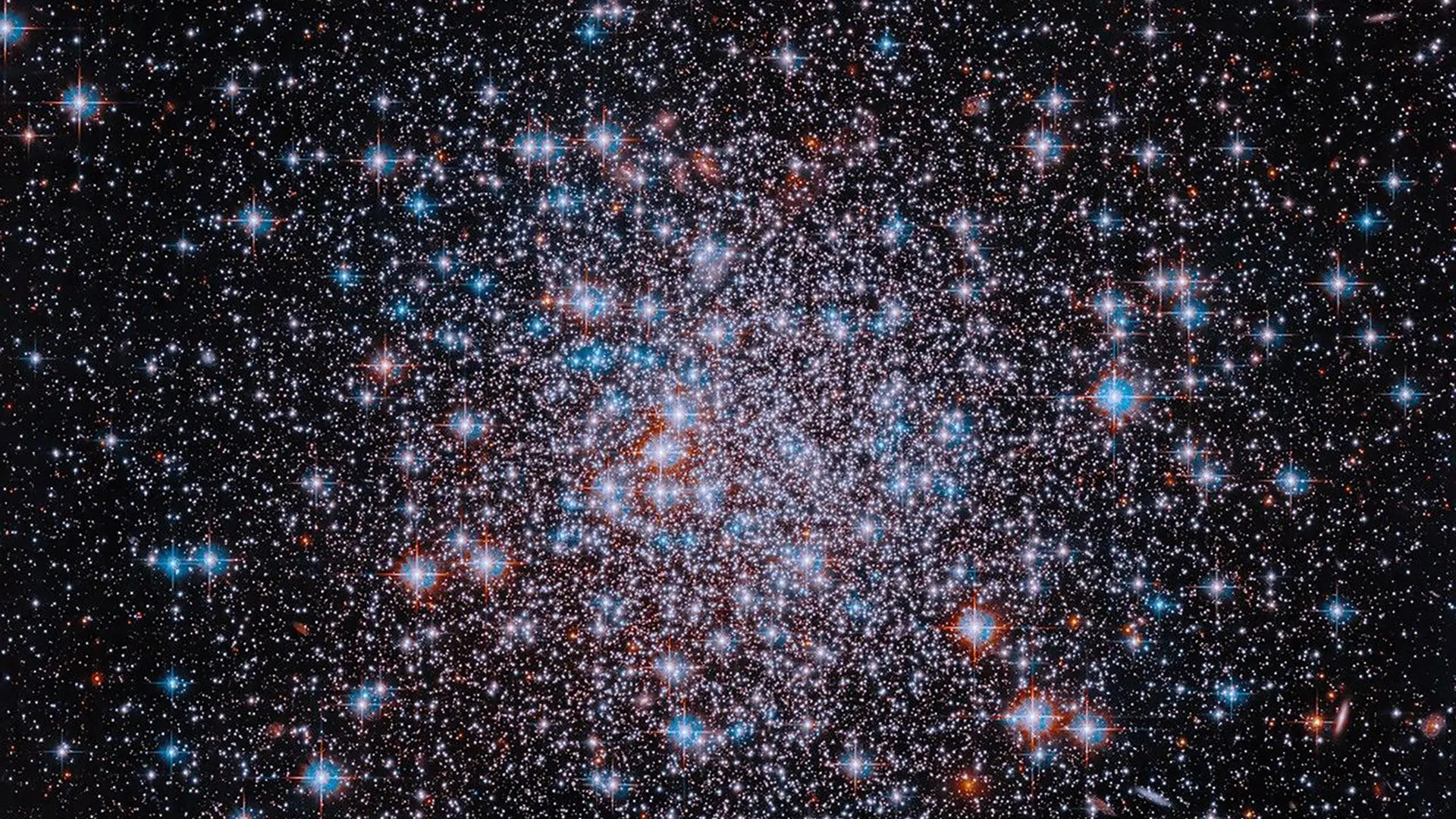
Beyond its patriotic colour scheme and obvious visual appeal, the cluster is helping astronomers piece together clues about the Milky Way's distant past, including the possibility that Messier 3 itself is the leftover relic of two smaller star clusters that merged billions of years ago, back when the universe was still young.What makes a globular cluster different from ordinary starsGlobular clusters are tightly packed, spherical collections of stars held together by their own mutual gravity, and astronomers have identified around 150 of them orbiting in the outer regions of the Milky Way.
What sets these clusters apart from more scattered groupings of stars is that their members all formed from the very same collapsing cloud of gas at roughly the same point in time, meaning the stars within a single cluster share a common age and often a similar chemical makeup.