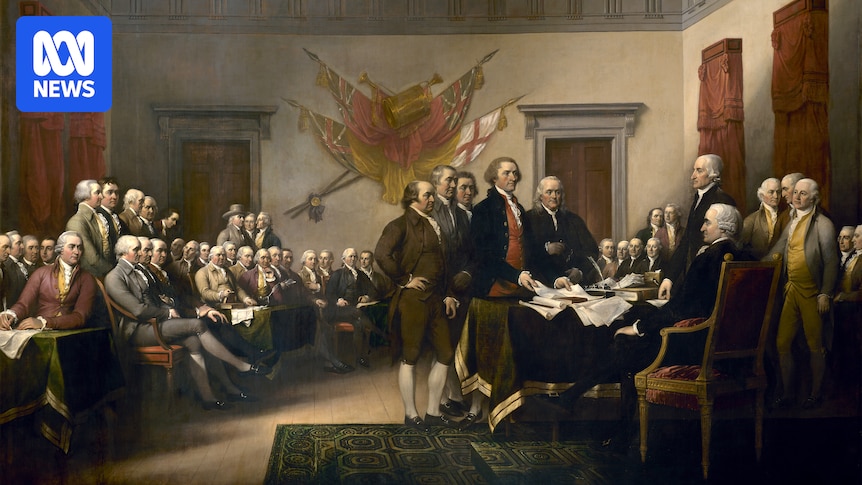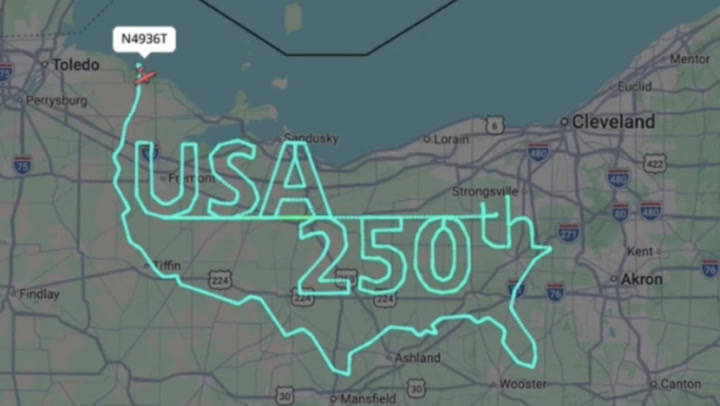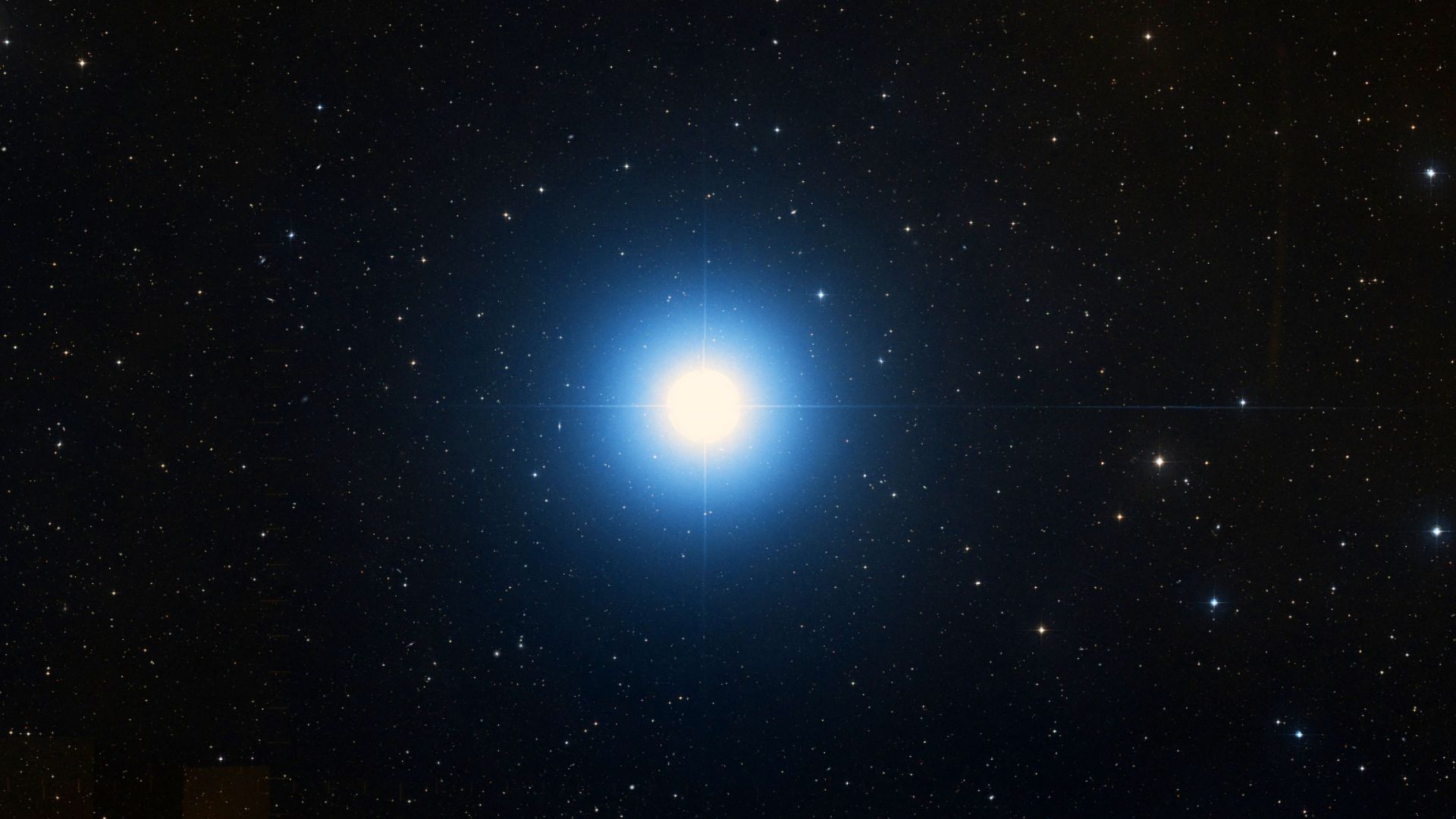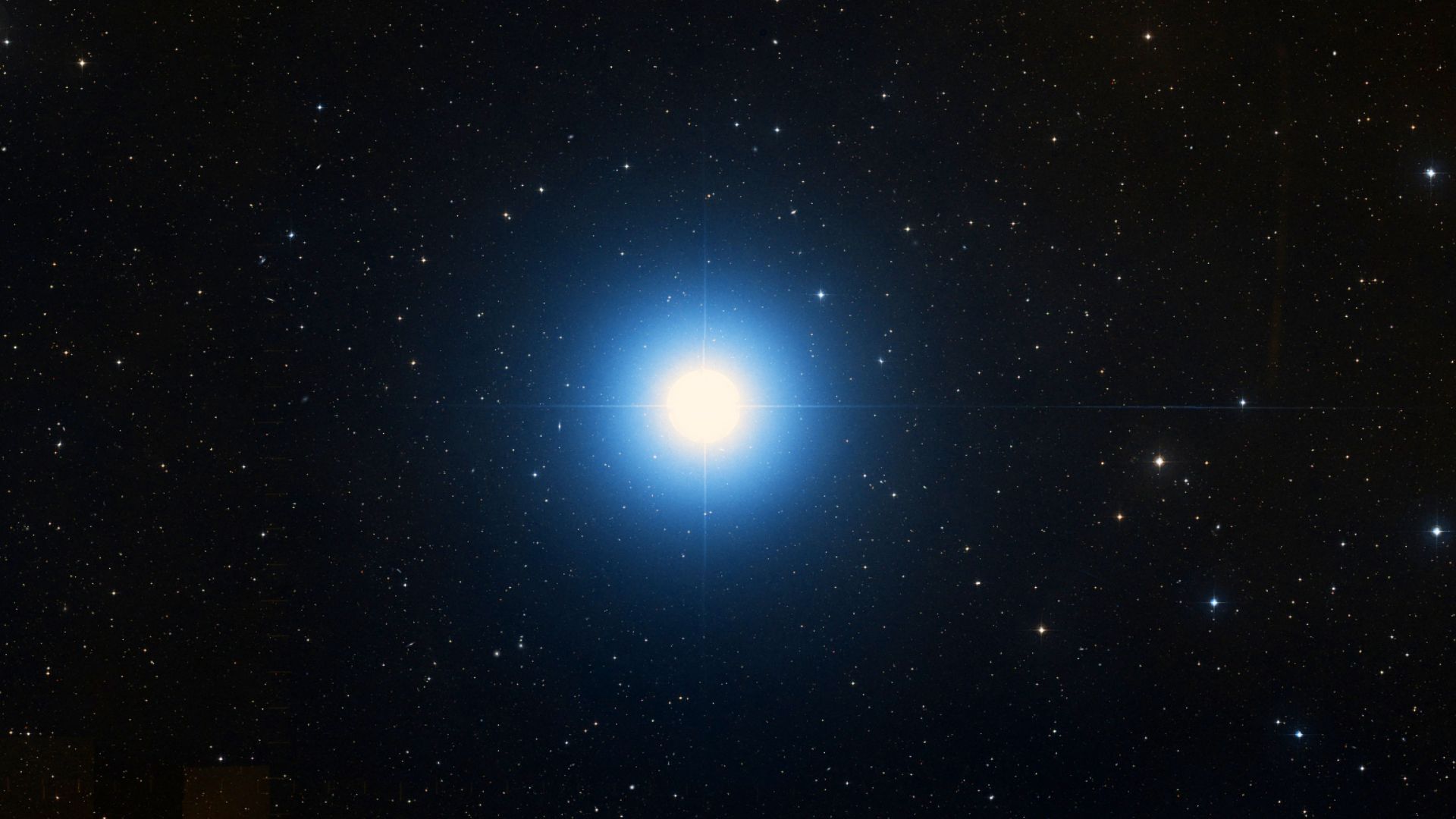
The United States' 250th birthday is right around the corner and what better way to celebrate than by looking for a star whose light began its journey to Earth around the time the Declaration of Independence was signed?Starlight travels through the near-perfect vacuum of space at a staggering 186,282 miles (299,791 kilometers) per second— or the speed of light. Even at this pace, it can take hundreds, thousands, or even millions of years for starlight to reach its destination, rendering each point of light in the night sky a twinkling time capsule, which represents a snapshot in the life of a star encoded at the moment the radiation left its source.The blue-white double star system Alpha Virginis — known colloquially as Spica — happens to shine roughly 250 light-years from Earth. In other words, the light we see today left the star's surface 250 years ago, around the time that America's founding fathers signed the Declaration of Independence in 1776.How to find Spica in the night skyFinding Spica is easy. First, locate the Big Dipper, shining above the northwestern horizon in the hours following sunset in June for viewers in the U.S., with the three stars representing its "handle" pointing up and away from the horizon.Next, draw an imaginary line following the arc of the handle out into space, until you find the red light of Arcturus, the 4th brightest star in the night sky. Continue the arc beyond Arcturus and the next dazzling bright blue-white star that you spot will be Spica, which twinkles above the southwestern horizon at sunset in early summer.
This star's light has been crossing space since the American Revolution. Here's how to find it
This star's light left its surface around the same time that the U.S. was founded.
424 words~2 min read