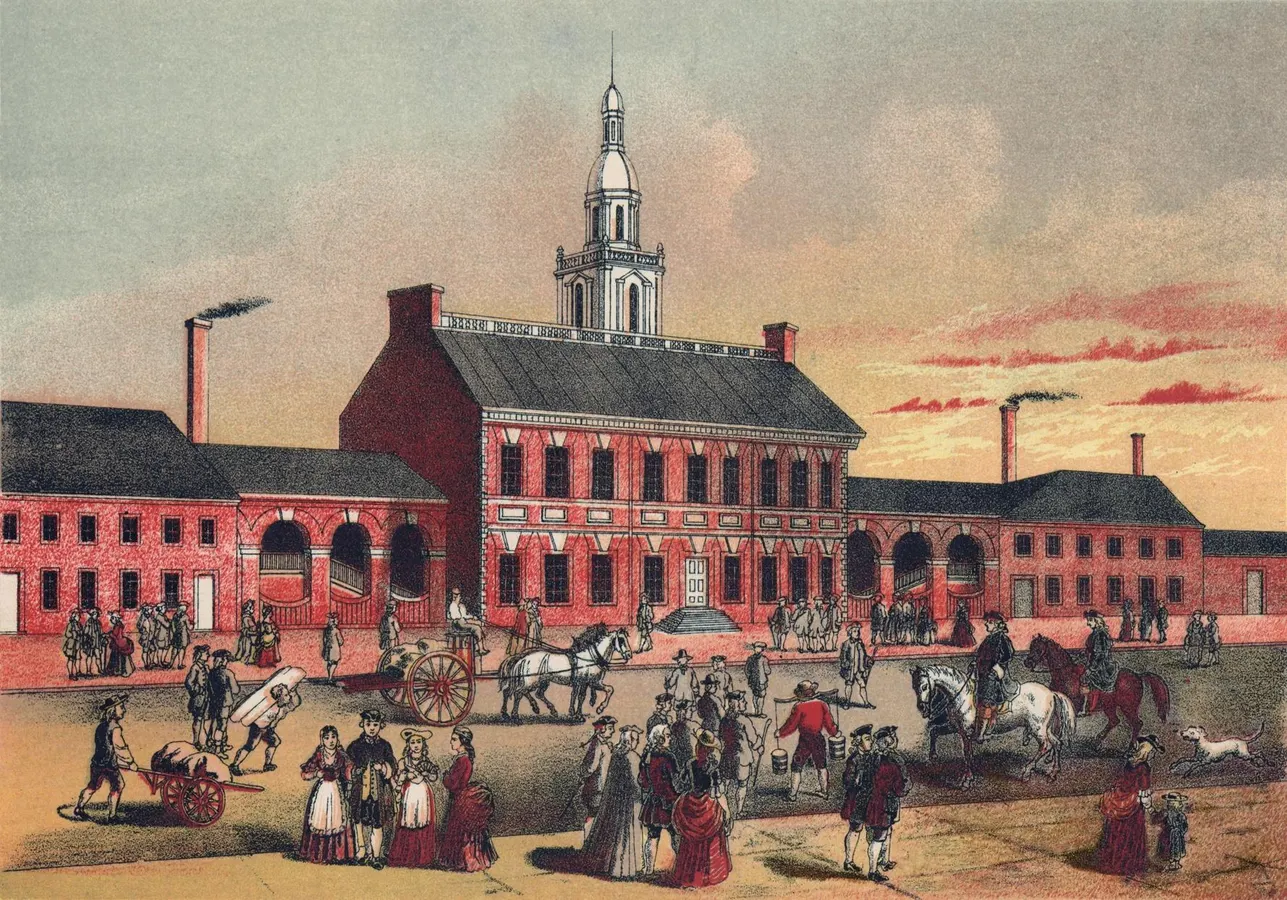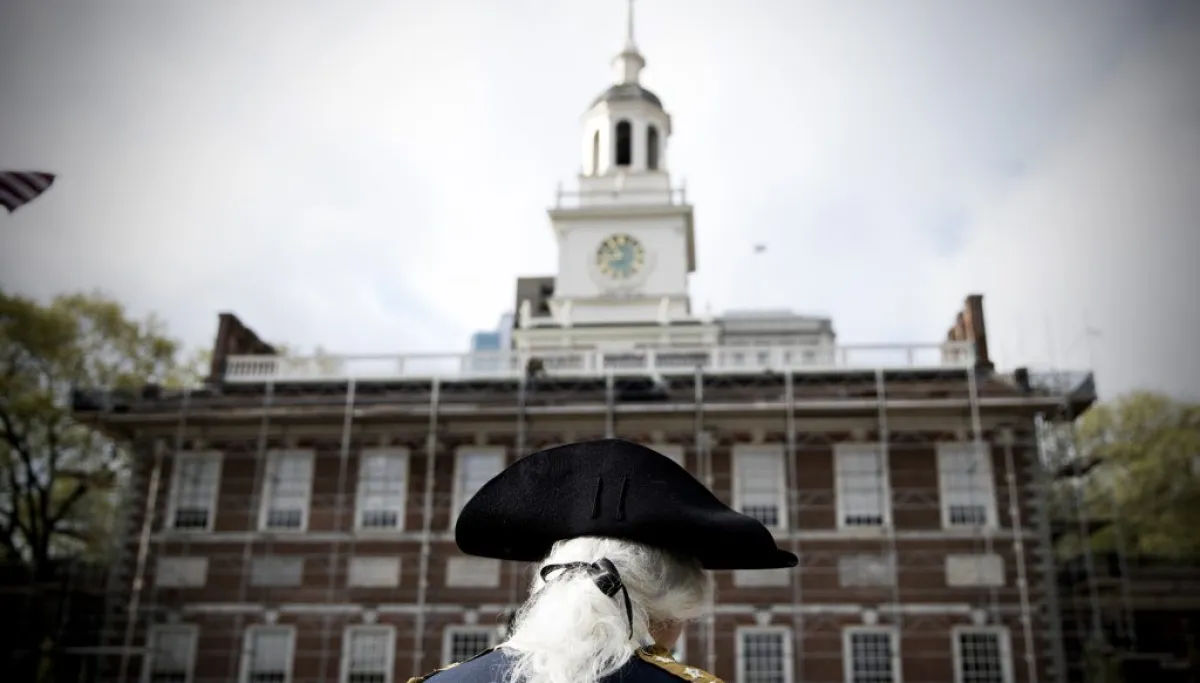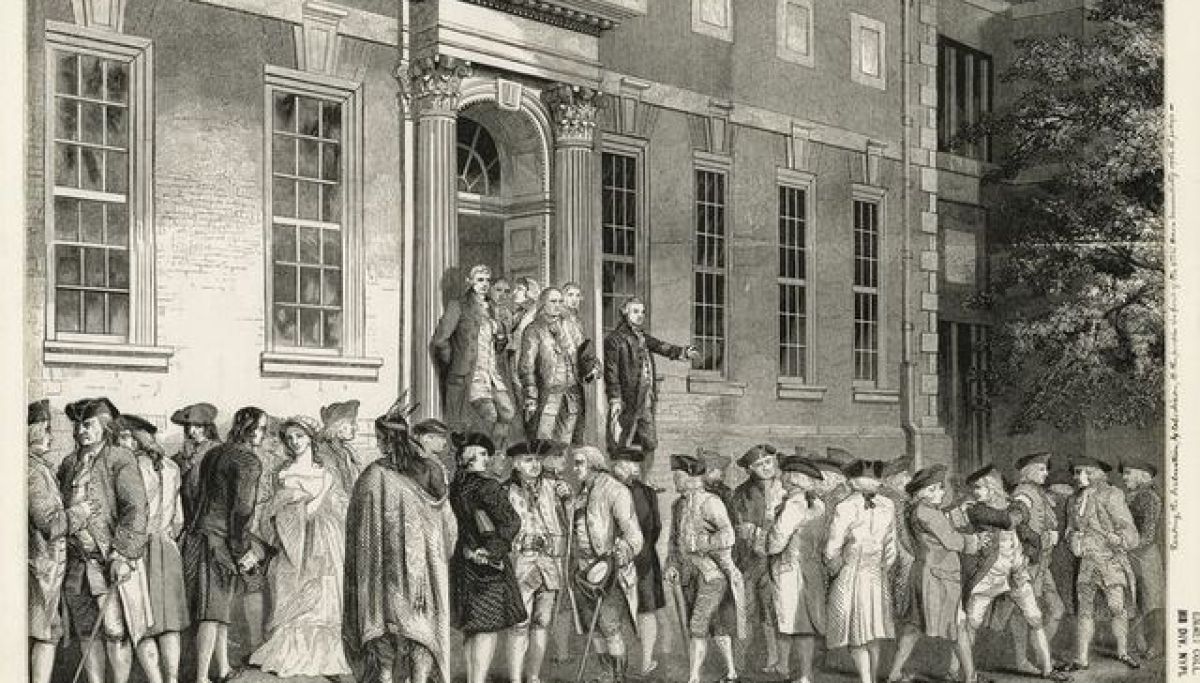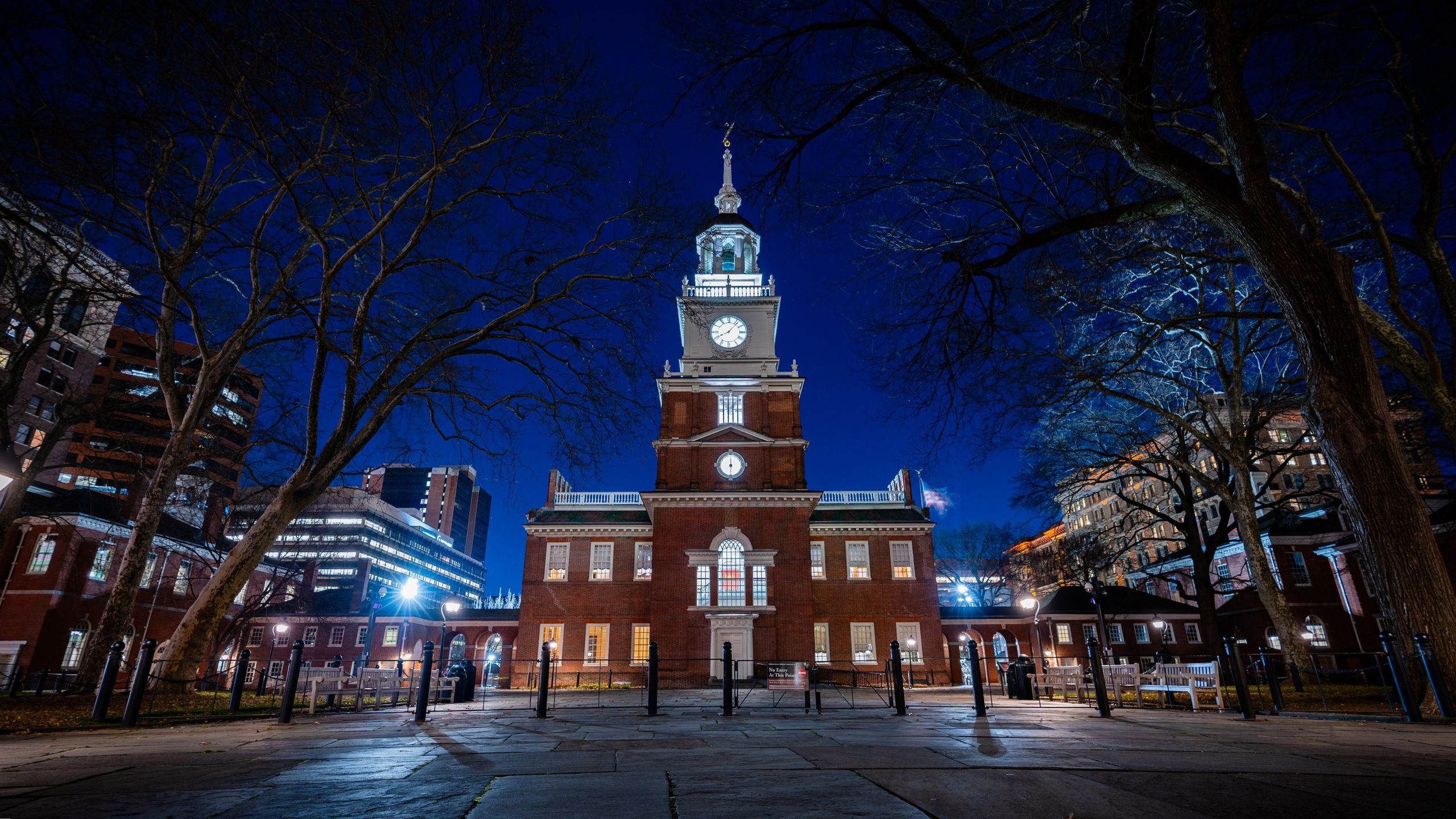
Independence Hall in Philadelphia.
(Image credit: Wirestock via Getty Images)
What did the evening sky look like for Benjamin Franklin, Thomas Jefferson, and their contemporaries on July 4, 1776?As the United States marks its 250th birthday, many astronomy enthusiasts may be asking exactly that. If you stepped outside around 9 p.m. local time on July 5, 1776, the sky would look much as it does today. Only careful measurements would show that the stars were not in quite the same positions they occupy in 2026.To understand the sky more fully, it helps to look at how people in 1776 tracked celestial events and what they would have expected to see overhead.But first, how did people in 1776 keep track of astronomical phenomena? People studied astronomy for practical reasons both in and out of the classroom. It was essential for navigation, surveying, timekeeping, and charting unfamiliar lands. In an age before light pollution, ordinary people were also likely far more familiar with the stars and constellations than most people are today.In the American colonies of the 17th and 18th centuries, an almanac ranked just behind the Bible in everyday importance. It listed sunrise and sunset, moonrise and moonset, the times when bright stars reached their highest points in the sky, lunar phases, planetary positions, some astrological lore, and practical information such as road conditions, husbandry tips, and weather forecasts.