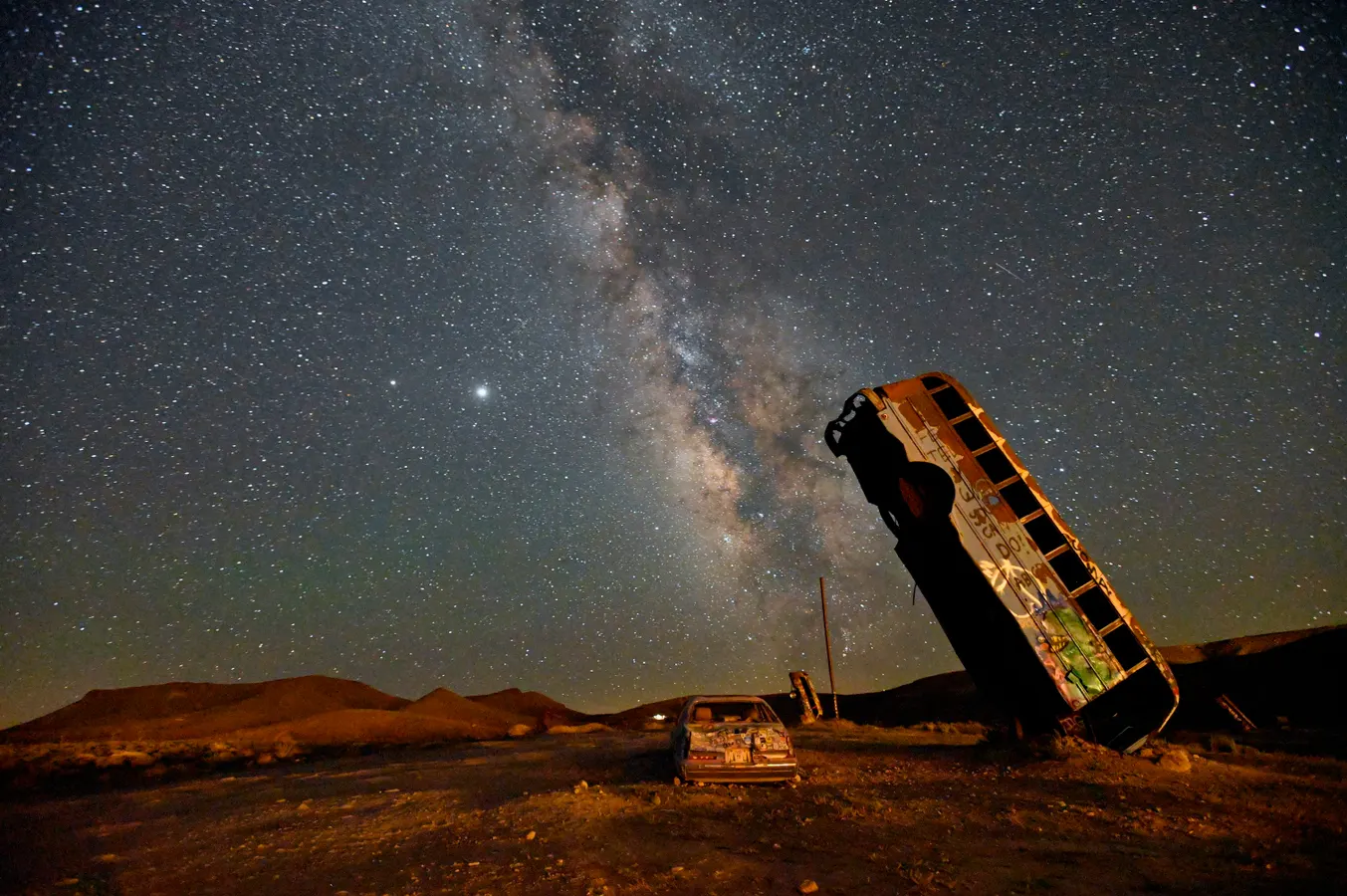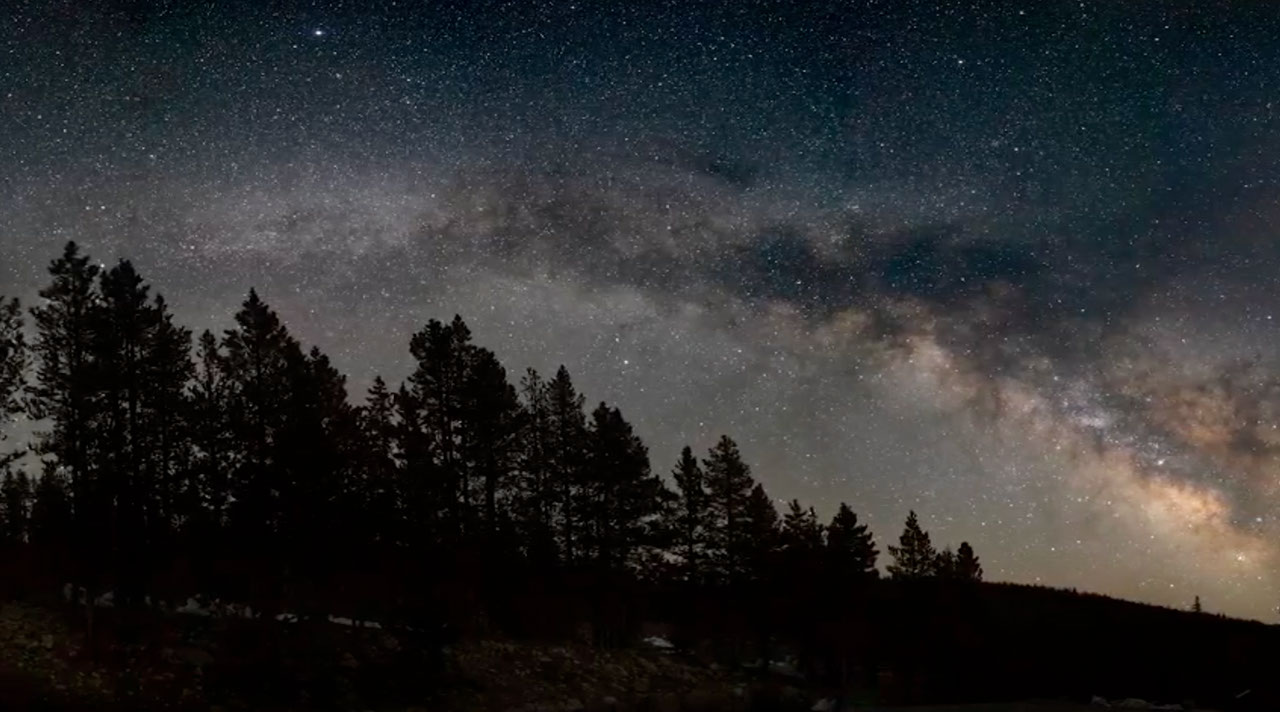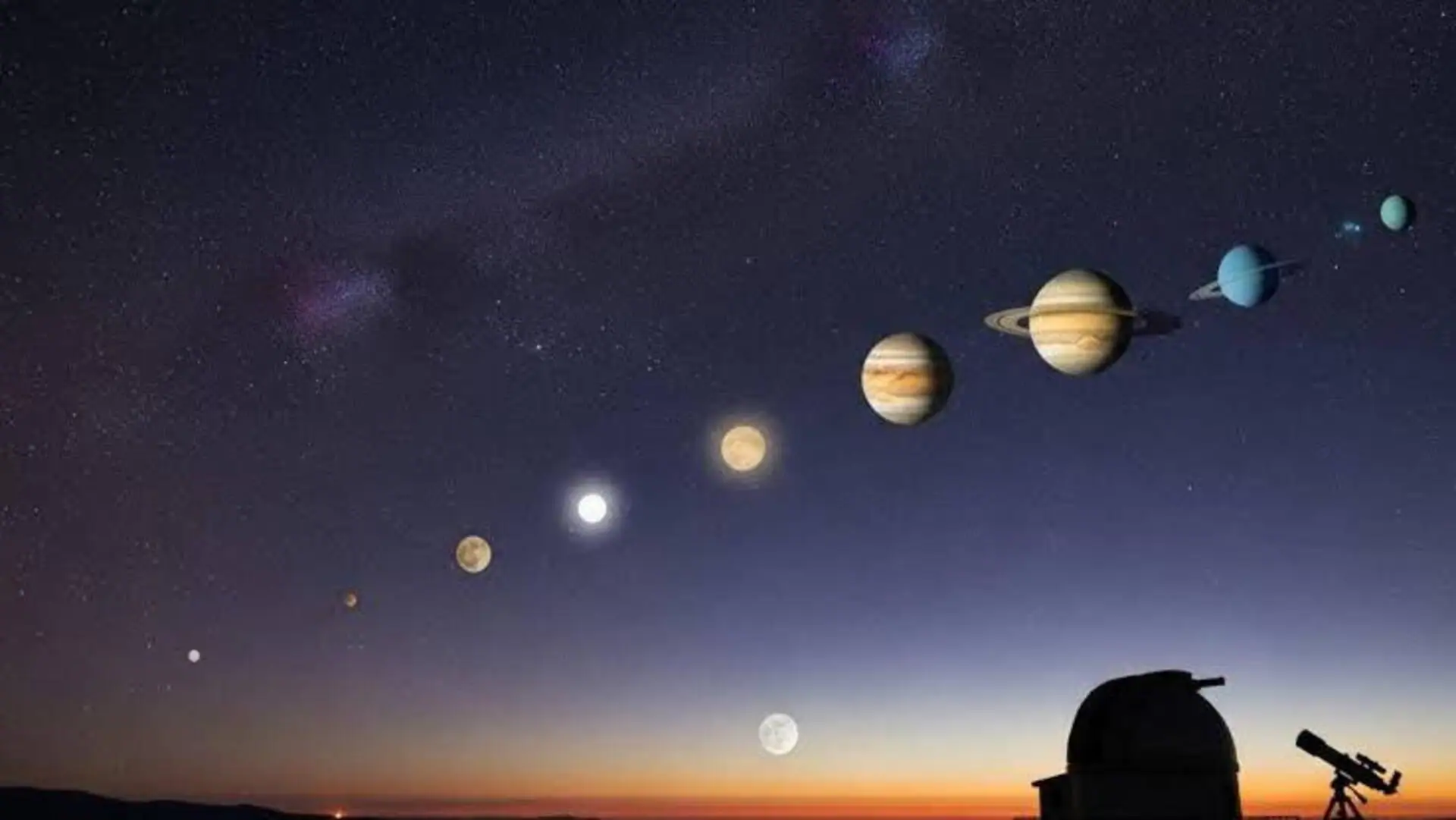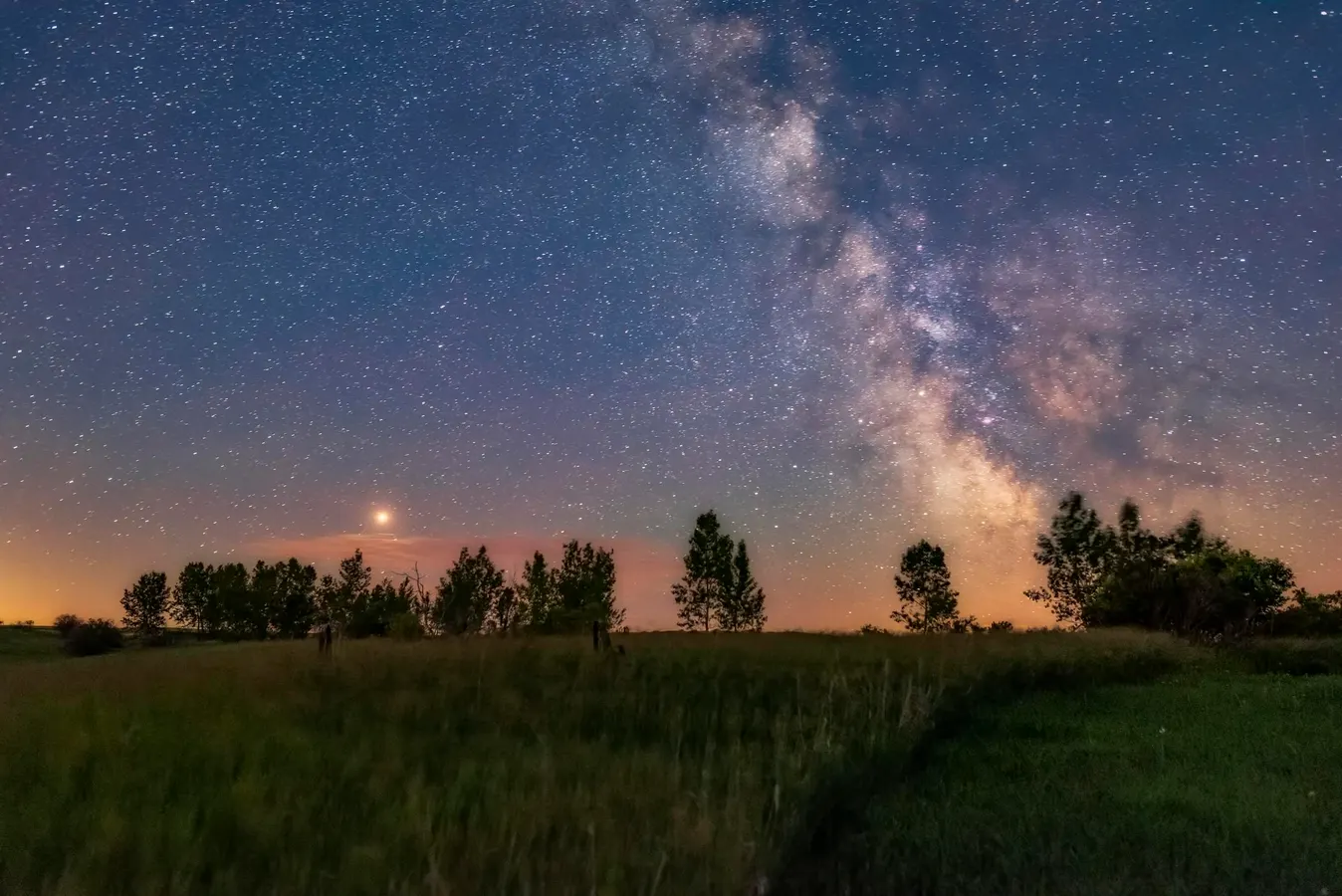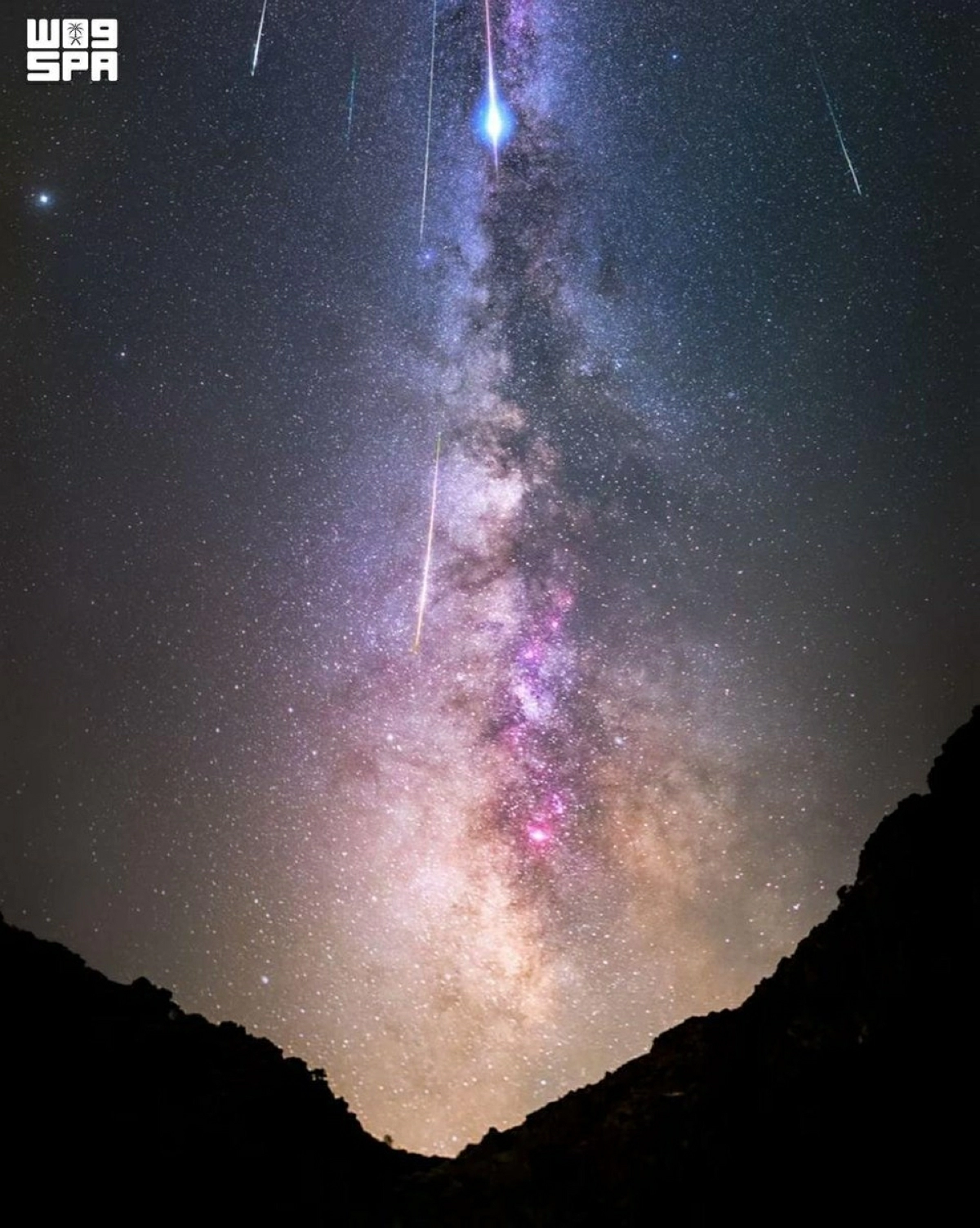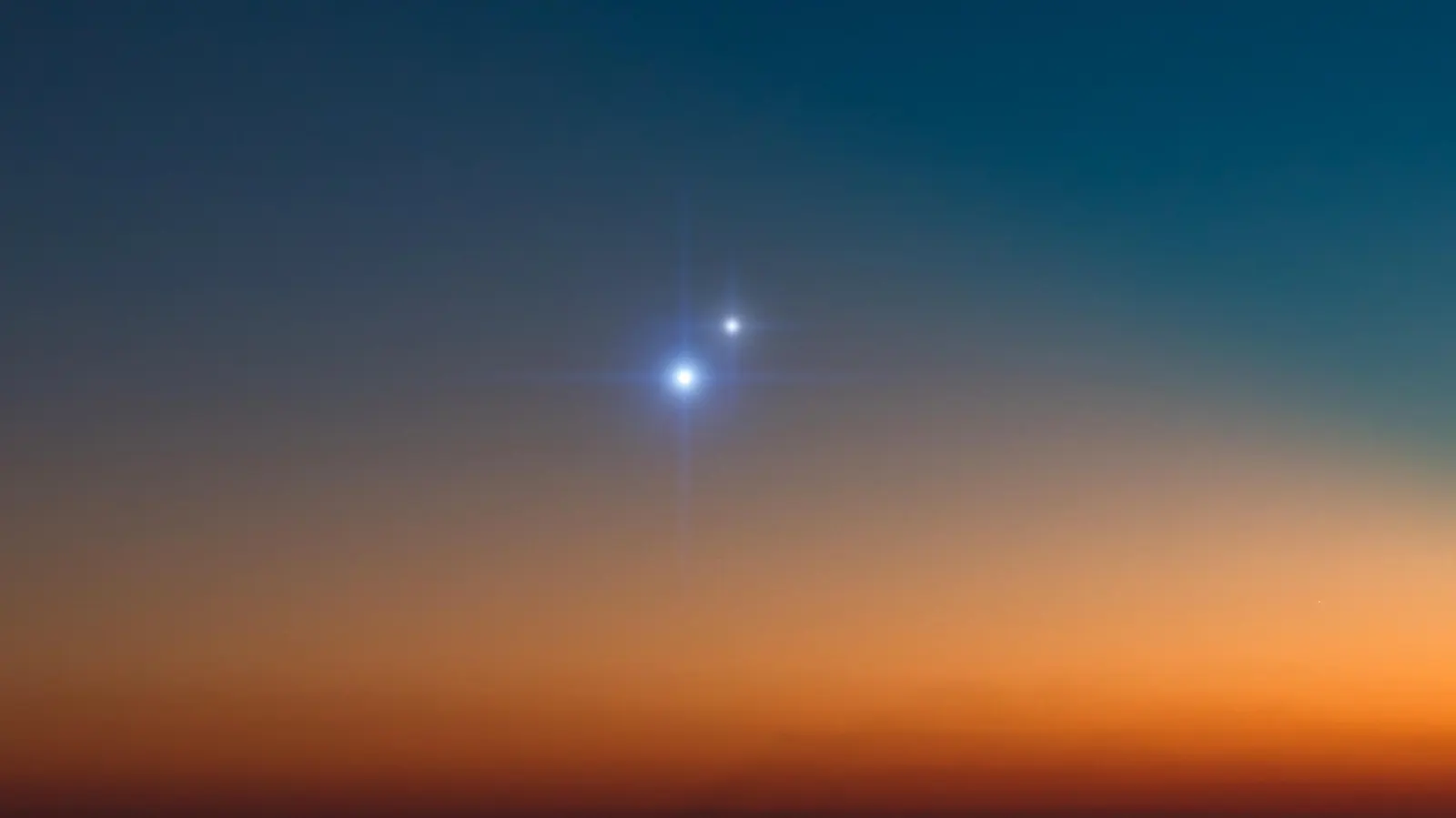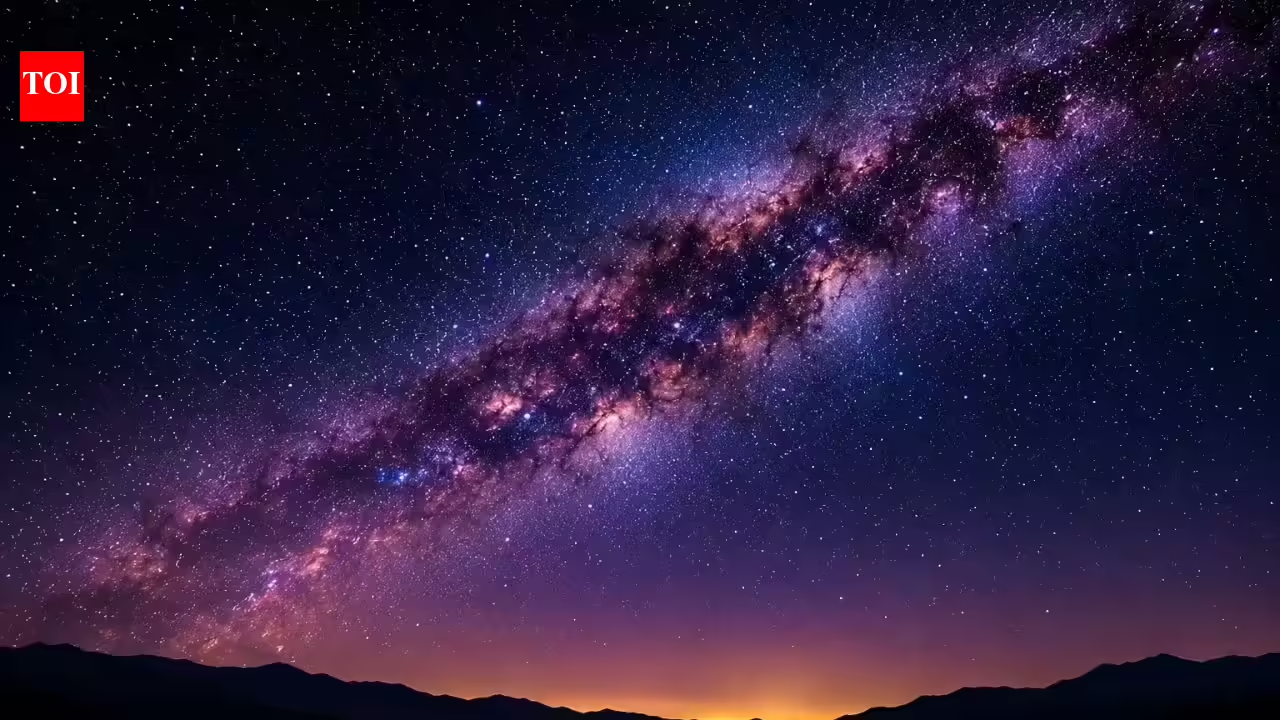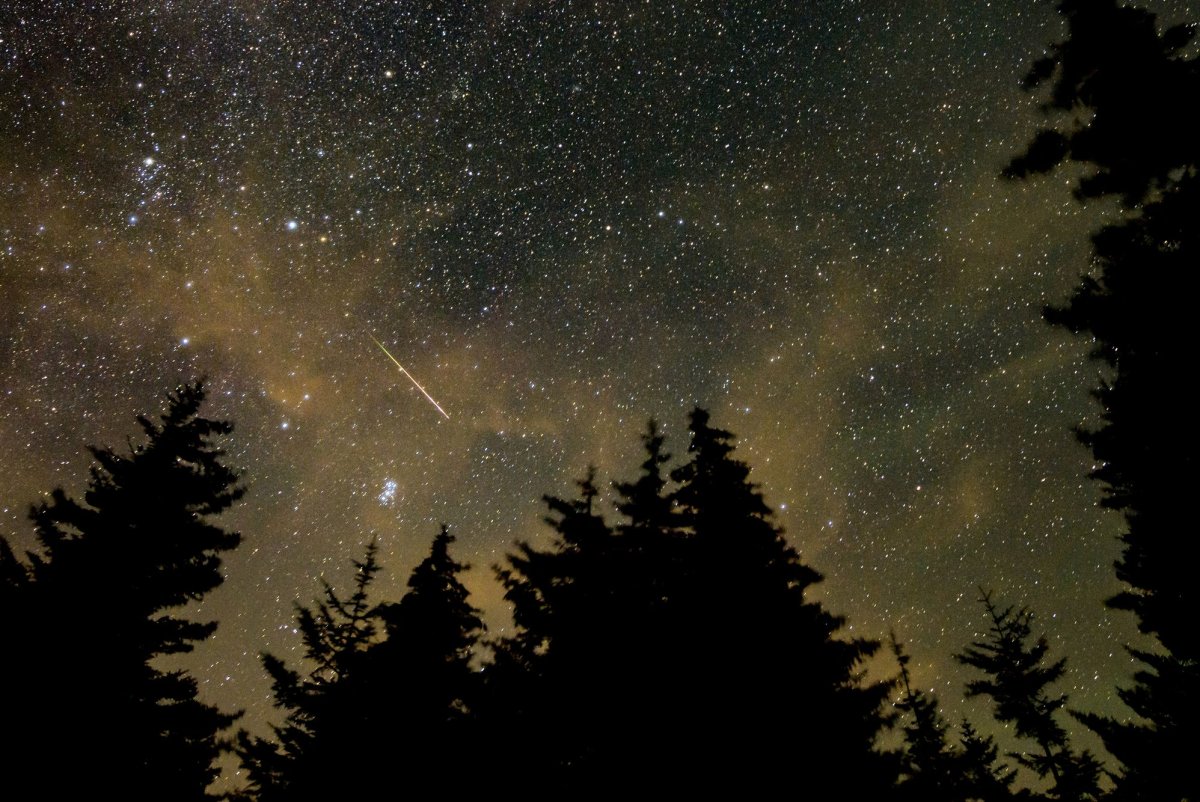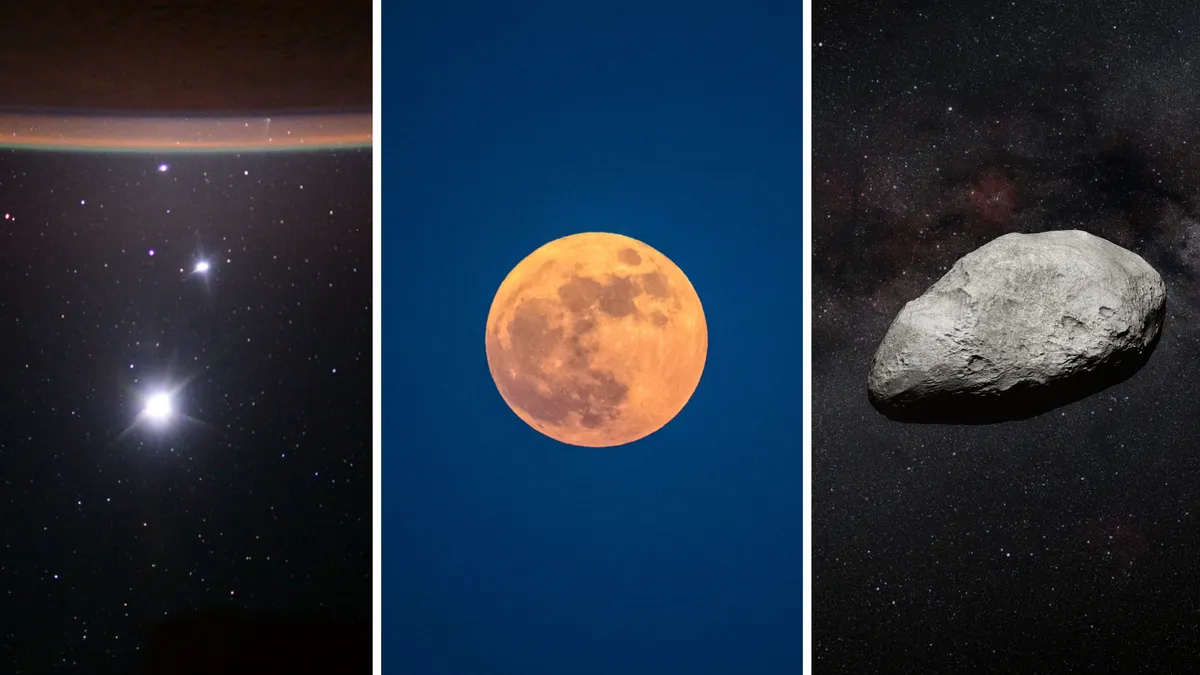
July is a dream month for skywatchers. Warm evenings and shorter nights make it easy to spot planets, constellations, the Milky Way and even shooting stars. Whether you’re using a telescope, binoculars or just your eyes, there’s plenty to see in the night sky this month.Mars and Uranus Conjunction: Rise before dawn on July 4 and look east to see Mars and Uranus shining close together. This rare pairing makes it easier to see the distant ice giant Uranus beside the bright Red Planet.Earth at Aphelion: On July 6, Earth will be at aphelion, its farthest point from the Sun. However, this doesn’t make the weather cooler. Our seasons depend on Earth’s tilt, not its distance from the Sun.New Moon: On July 14, the Moon will be positioned between the Earth and the Sun and won’t be visible at night. The dark sky will offer excellent conditions to observe faint objects like galaxies and star clustersDelta Aquarids Meteor Shower: Created by tiny bits of dust left behind by Comets Marsden and Kracht, this shower will be active from July 12 to August 23 and will reach its peak on the night of July 28 and morning of July 29. Under ideal conditions, you can spot up to 20 shooting stars every hour. While the Full Moon may hide many of the fainter meteors, patient skywatchers can still catch some brilliant streaks. The meteors appear to radiate from the constellation Aquarius but can be seen almost anywhere overhead.Full Moon: The Moon will be fully illuminated, as the Earth lies between the Sun and the Moon on July 29. July’s Full Moon is traditionally called Buck Moon because this is the time that male deer begin growing new antlers. It is also known as Thunder Moon due to frequent summer thunderstorms and Hay Moon to mark the hay making season.Planet watchMercury is difficult to spot in July. It passes between Earth and the Sun during this month and will mostly be lost in the Sun’s glare. Keen observers may begin to spot it low in the eastern sky before sunrise towards the end of July. Venus will shinebrilliantly in the morning sky before sunrise. Look for Mars with its distinctive reddish glowin the evening sky after sunset. Saturn will be a prominent late-night and early-morning object, easy to spot shining steadily among the stars. Published - July 03, 2026 09:00 am IST
What’s in store in the July night sky
This month gives skywatchers plenty of reasons to step outside and gaze at the stars.
400 words~2 min read