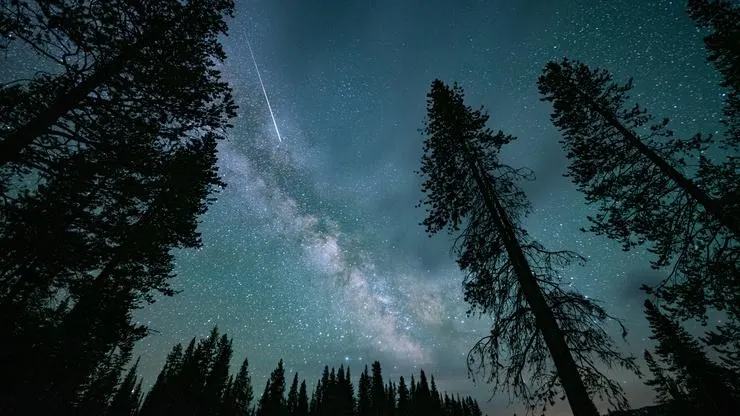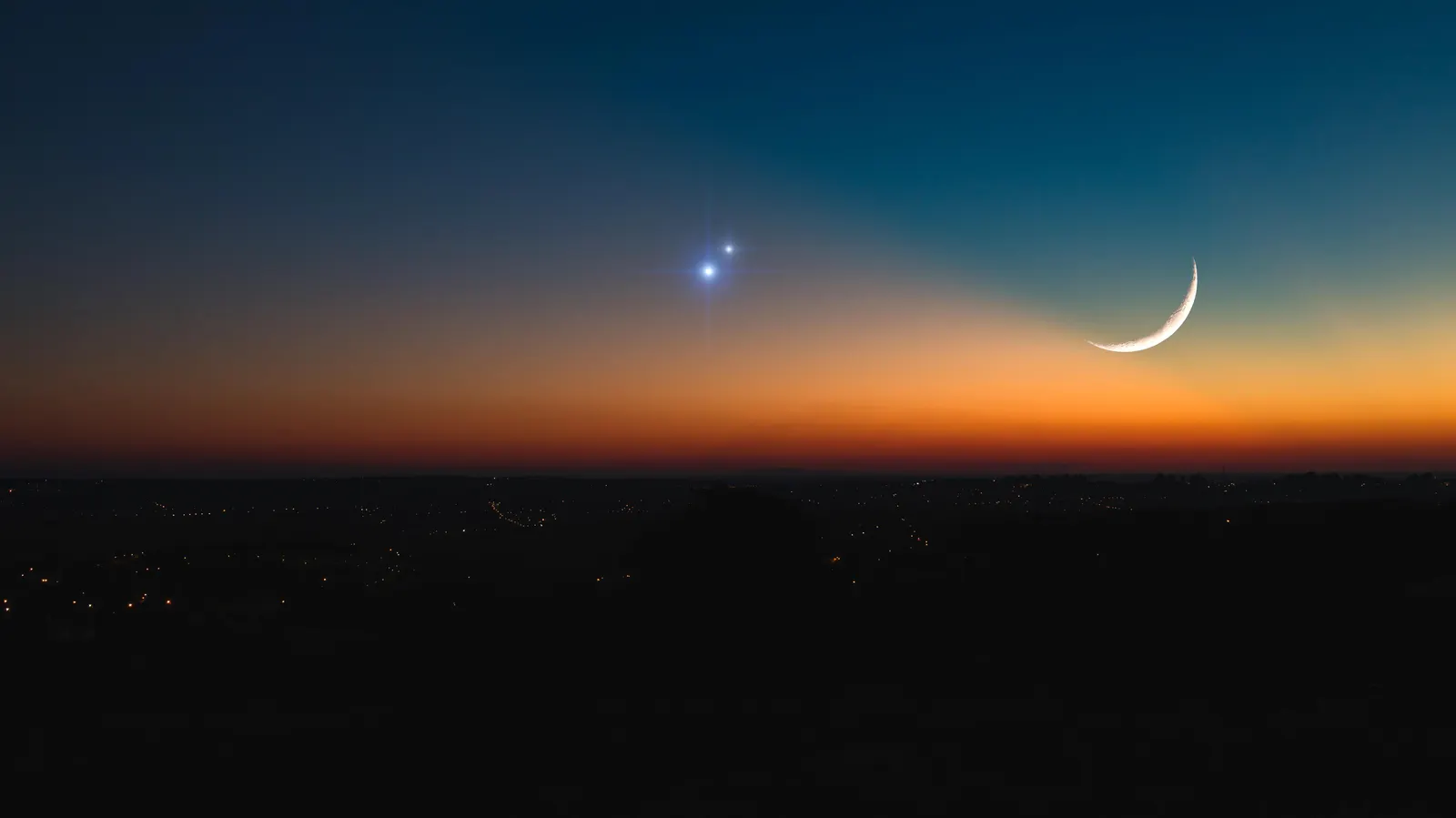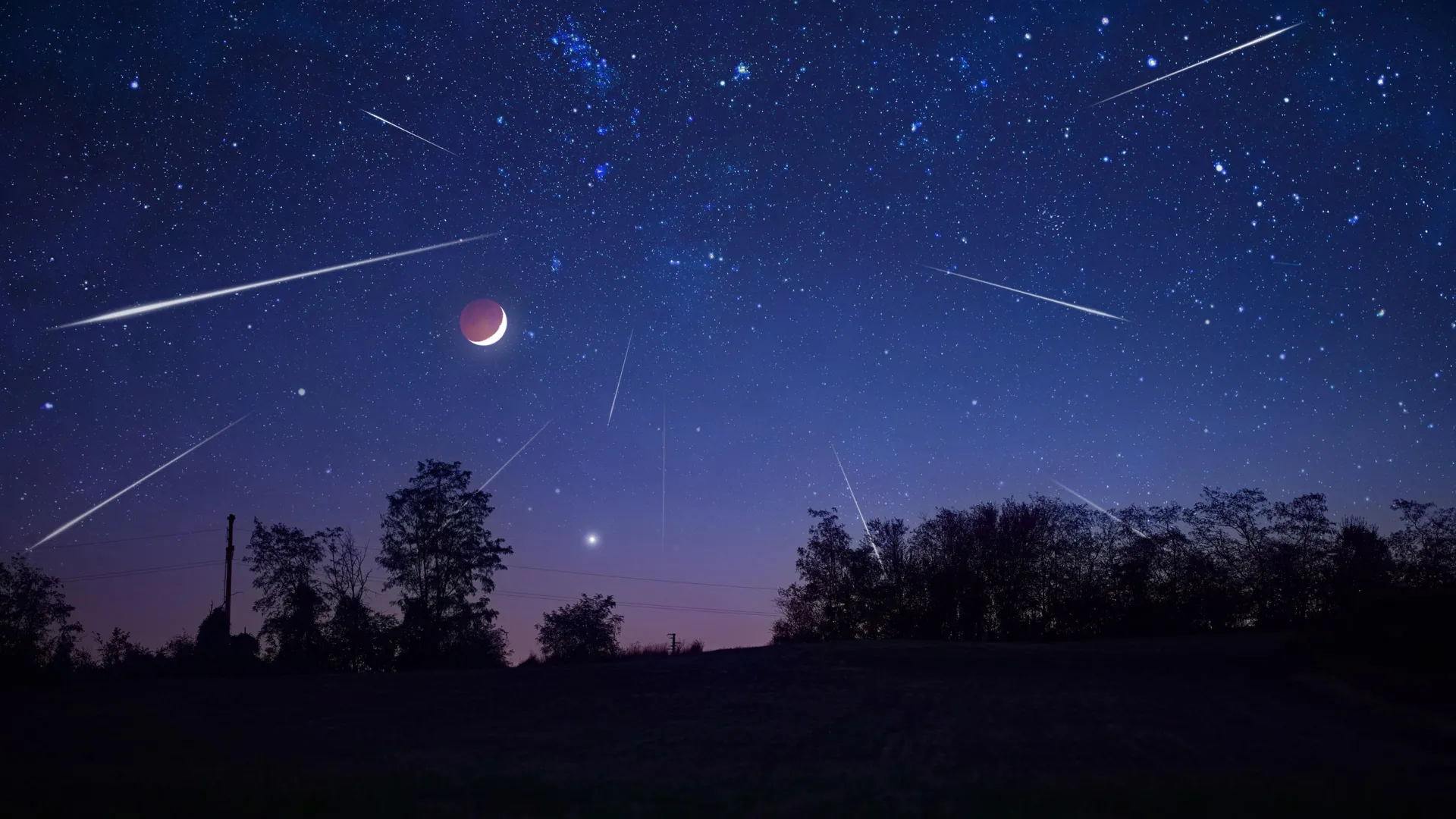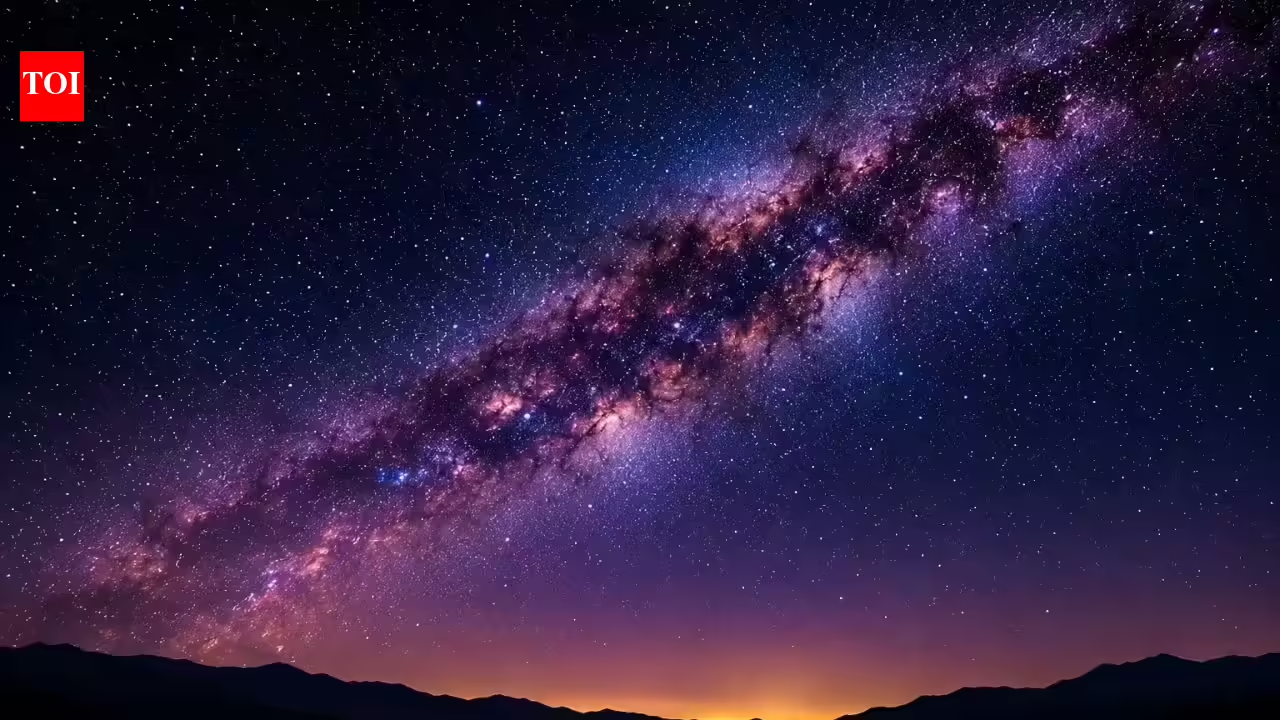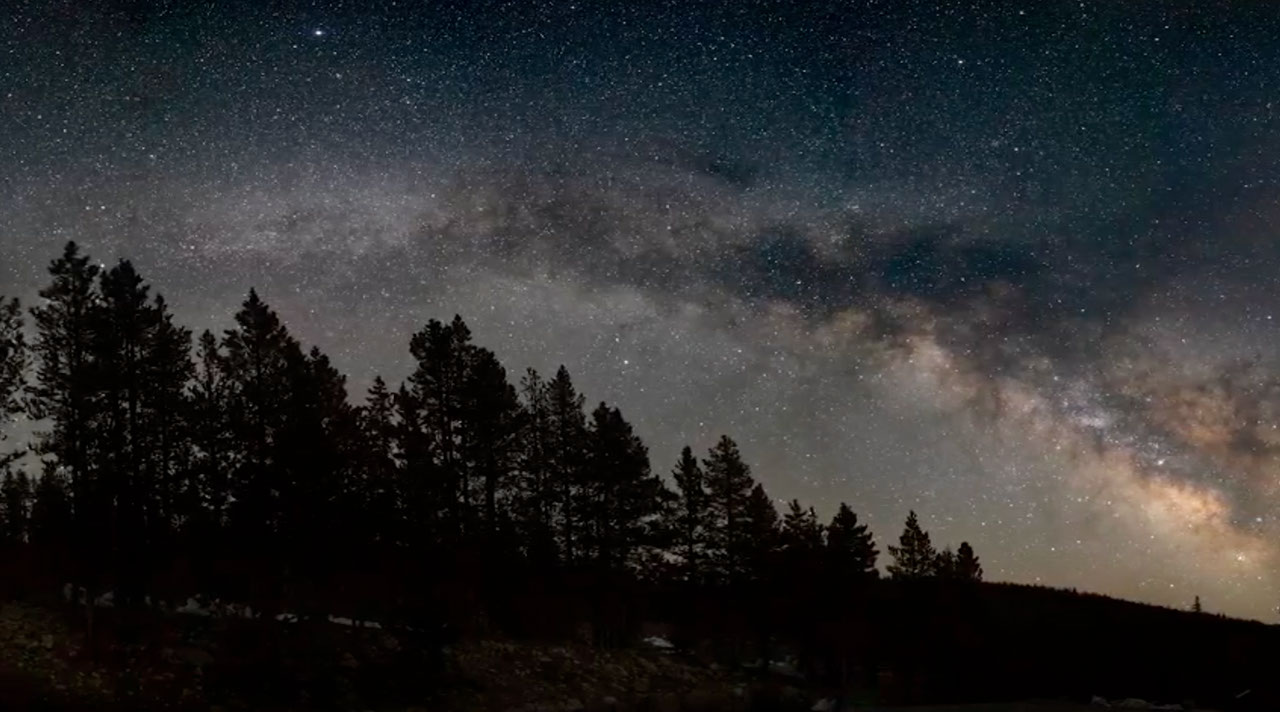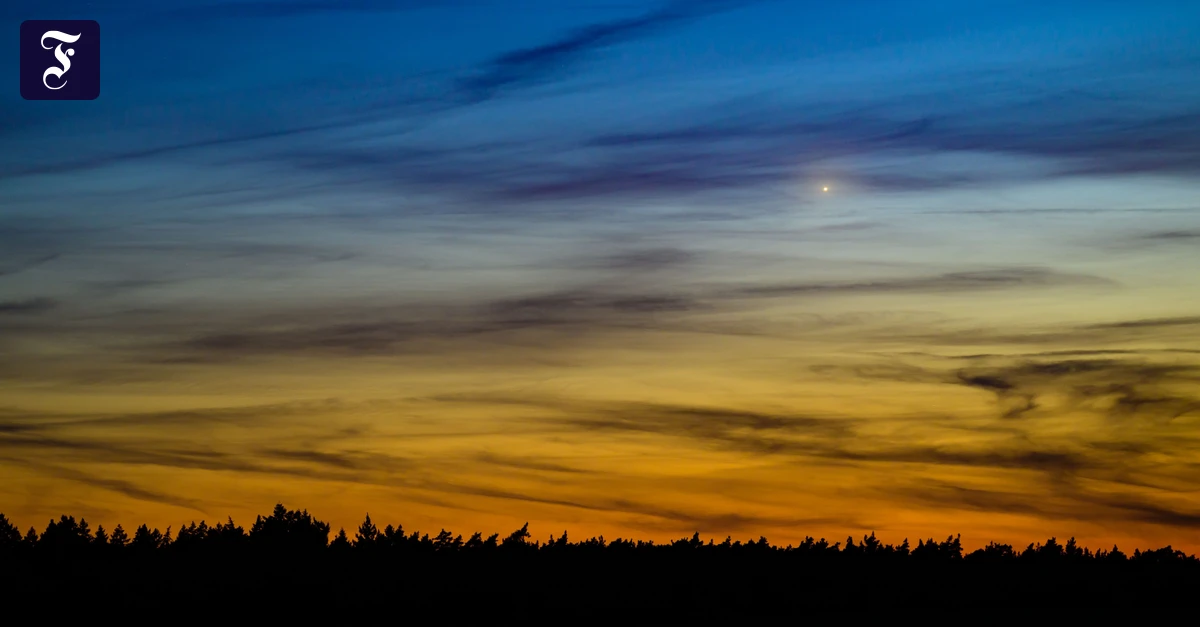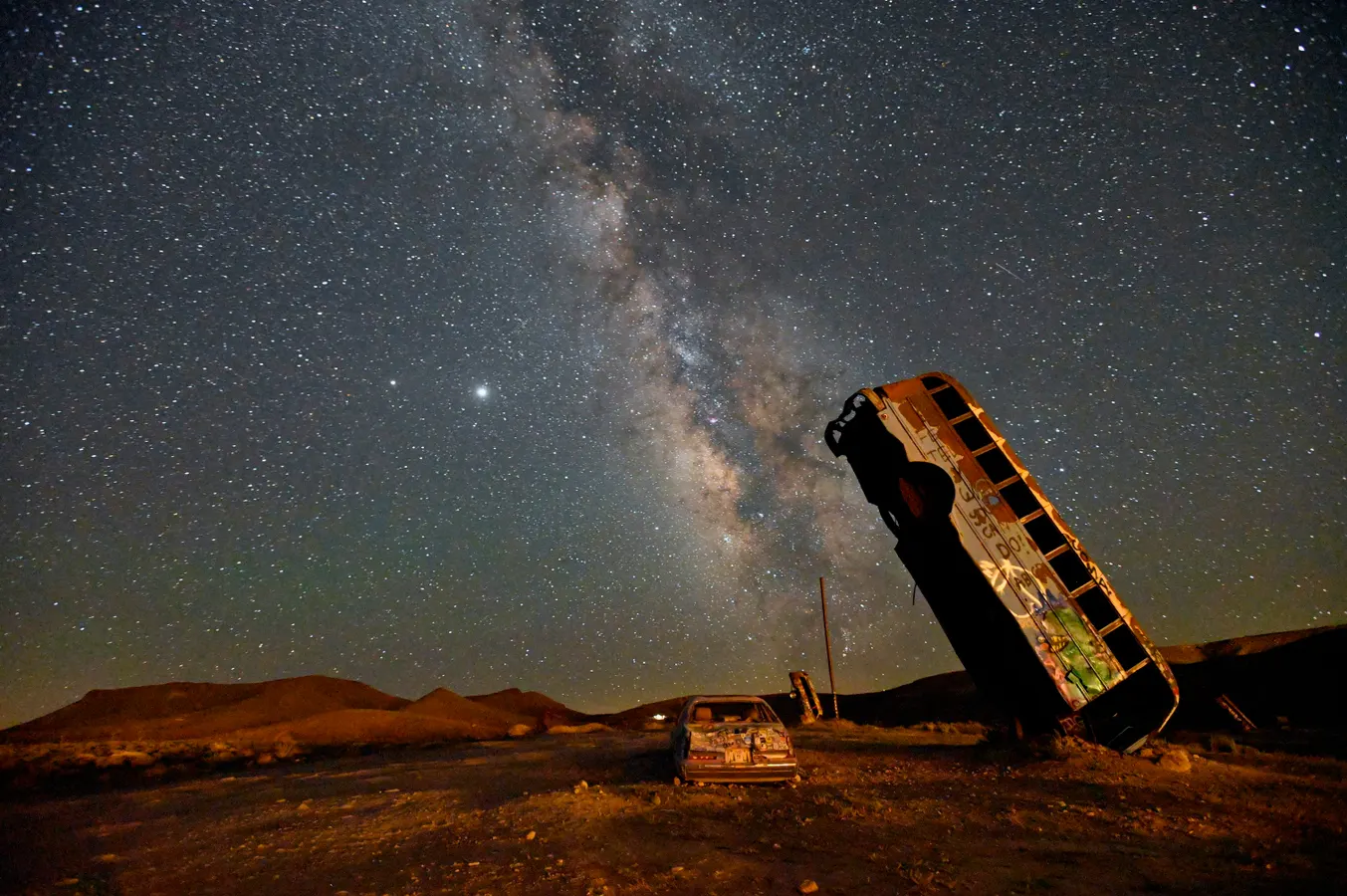
ToplineJuly 2026 is set to be a bumper month for summer skywatchers, with a brilliant Venus continuing to shine in the west after sunset, a delicate crescent moon near Mars and the Pleiades before dawn, and the full Buck Moon rising later in the month. After a dark-sky window perfect for camping trips to see the Milky Way, mid-July also marks the beginning of meteor season, with the Perseids getting underway before the Delta Aquariids and Alpha Capricornids peak, albeit under bright moonlight. Here’s everything you need to know about stargazing in July 2026.July 2026 brings the Milky Way, Venus near Regulus, the Buck Moon, Mercury before dawn and the start of the Perseid meteor shower. The Milky Way galaxy is seen here above the International Car Forest of the Last Church in Goldfield, Nevada on July 18, 2020. The roadside attraction, was created in 2002 by artist Mark Rippie. (Photo by DAVID BECKER/AFP via Getty Images)AFP via Getty ImagesTimelineTuesday, July 7-Thursday, July 16The last-quarter moon rises around midnight on July 7, leaving the evening sky dark and beginning July’s best stargazing window. Fancy a camping trip with stargazing? Here’s your window.Wednesday, July 8Venus shines close to Regulus, the brightest star in Leo, low in the west after sunset. The two will appear only about a degree apart.Saturday, July 11Before dawn, a 13%-lit waning crescent moon appears close to Mars and Aldebaran in Taurus, with the Pleiades star cluster nearby. An early start is required, but it’s arguably July’s prettiest sky sight.Saturday, July 11 and Sunday, July 12Manhattanhenge occurs at sunset in New York City, with the sun aligning with the city’s street grid. The full-sun alignment occurs on July 11 at 8:20 p.m. EDT, with the half-sun alignment on July 12 at 8:21 p.m. EDT.Friday, July 17A 17%-lit waxing crescent moon shines to the left of Venus in the west after dark. The annual Perseid meteor shower also begins, running until Aug. 24, but peaking on Aug. 12.Wednesday, July 29July’s full Buck Moon occurs at 10:36 a.m. EDT. The best time to see it will be moonrise that evening, when it appears low in the southeast shortly after sunset.Thursday, July 30-Friday, July 31The Delta Aquariid and Alpha Capricornid meteor showers peak overnight, though bright moonlight from the waning Buck Moon will make fainter meteors difficult to see.Around 4:00 a.m. local time on Saturday, July 11, look low toward the east-northeast for a 13%-lit waning crescent moon close to Mars and Aldebaran in the constellation Taurus, with the beautiful Pleiades open cluster of stars sparkling nearby.StellariumJuly’s Milky Way WindowThe most important observing period of July begins after the last-quarter moon on July 7 and continues through the nights around new moon on July 14. With the moon out of the evening sky, this is the month’s best chance to see the Milky Way from a dark rural location. True darkness is limited in July, especially from northern U.S. and Canadian latitudes, but the timing is still useful. Be outside about two hours after sunset, face southeast and allow your eyes 15-20 minutes to adapt. From a dark-sky site, the Milky Way should slowly emerge as a pale, uneven band rising from Sagittarius and Scorpius and climbing into the summer sky.Meteor Season BeginsMeteor season gets underway in July, though the month’s main meteor peaks face mixed conditions. The Perseid meteor shower begins on July 17 and continues until Aug. 24, but its best night will be Aug. 12-13, when it peaks under a new moon. That makes the 2026 Perseids one of the year’s most promising meteor displays. Before then, the Southern Delta Aquariids and Alpha Capricornids peak overnight on July 30-31. The Delta Aquariids can produce around 25 meteors per hour in ideal conditions, while the Alpha Capricornids usually produce only about five per hour but are known for bright fireballs. In 2026, however, the nearly full moon will wash out many fainter meteors, so face away from the moon and be patient — bright fireballs are possible.A map showing where path of totality for the 2026 total solar eclipse.NASA's Scientific Visualization StudioWhat’s Next In The Night SkyAugust 2026 will be one of the biggest skywatching months of the year. Mercury reaches greatest elongation west on Aug. 2, making it briefly visible before sunrise. Then, on Aug. 12, a total solar eclipse will be visible from parts of Greenland, Iceland and Spain, with a partial solar eclipse visible from parts of North America and Europe. That same night, the Perseid meteor shower reaches its peak under a perfectly dark, moonless sky. Later in August, a full Sturgeon Moon will rise on Aug. 27 and undergo a partial lunar eclipse, with 96% of the lunar surface turning reddish as it drifts through Earth’s shadow.Further readingForbes7 Spectacular Stargazing Events To See This SummerBy Jamie CarterForbesIn Photos: ‘Strawberry Moon’ Lights Up Night Sky Around The WorldBy Jamie CarterForbes400 Days To The ‘Eclipse Of The Century’ — Why You Need To Make A PlanBy Jamie CarterForbesThe ‘Blaze Star’ Could Explode Tonight — Here’s Where To LookBy Jamie CarterForbes50 Days To A Total Solar Eclipse — Where And When To Experience ItBy Jamie Carter
See The Milky Way, Venus And A Full Buck Moon: July’s Night Sky
July 2026 brings the Milky Way, Venus near Regulus, the Buck Moon, Mercury before dawn and the start of the Perseid meteor shower.
859 words~4 min read