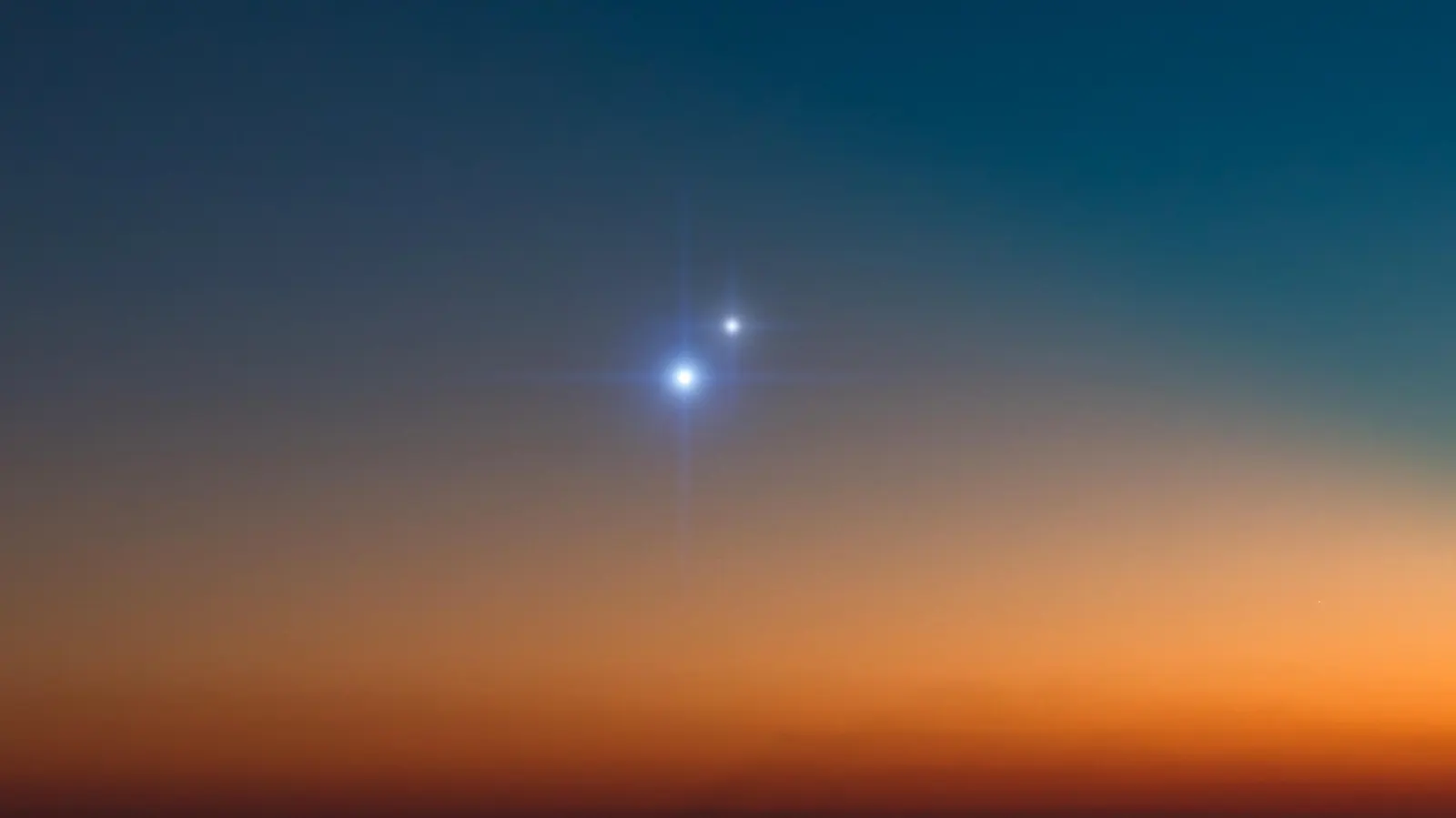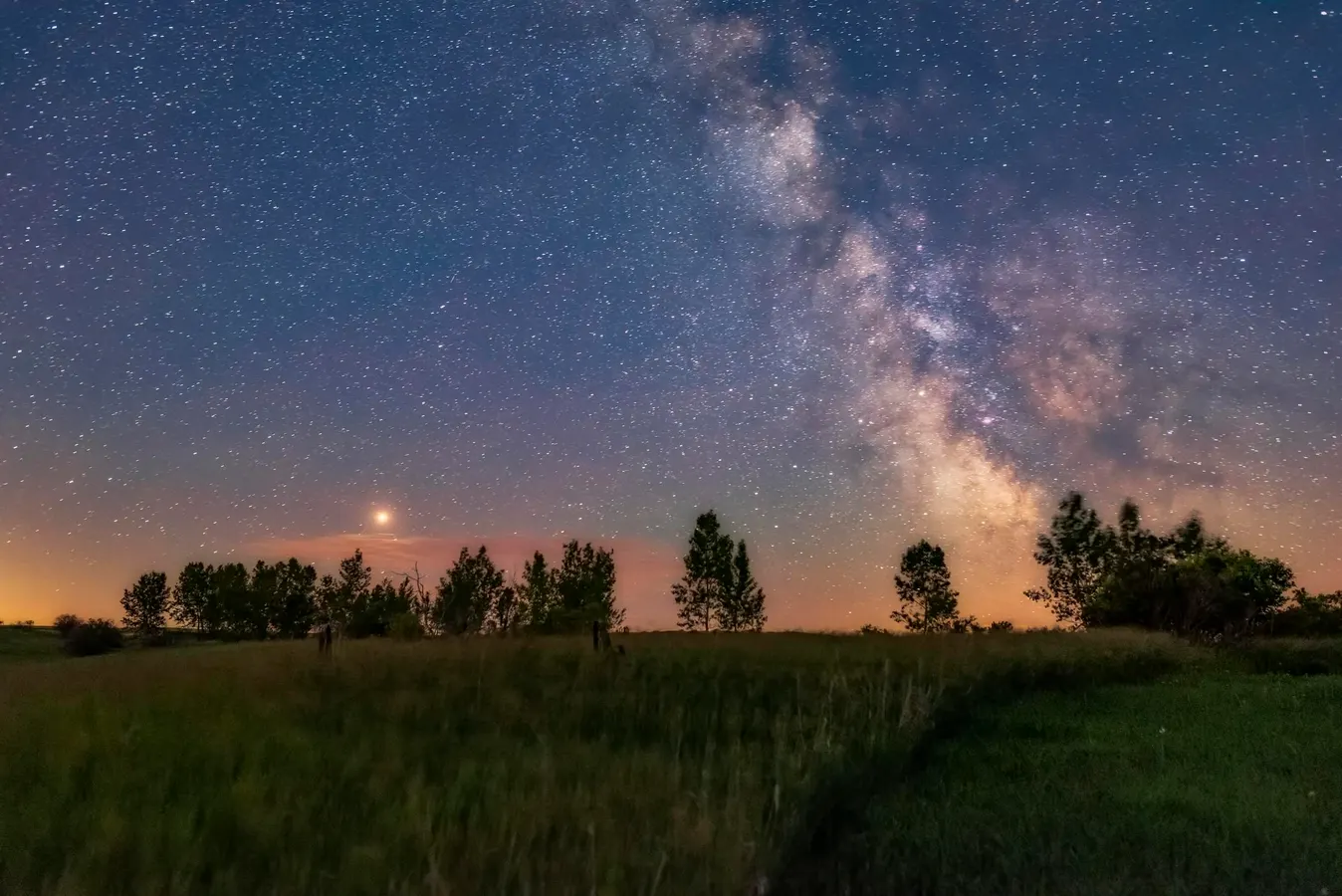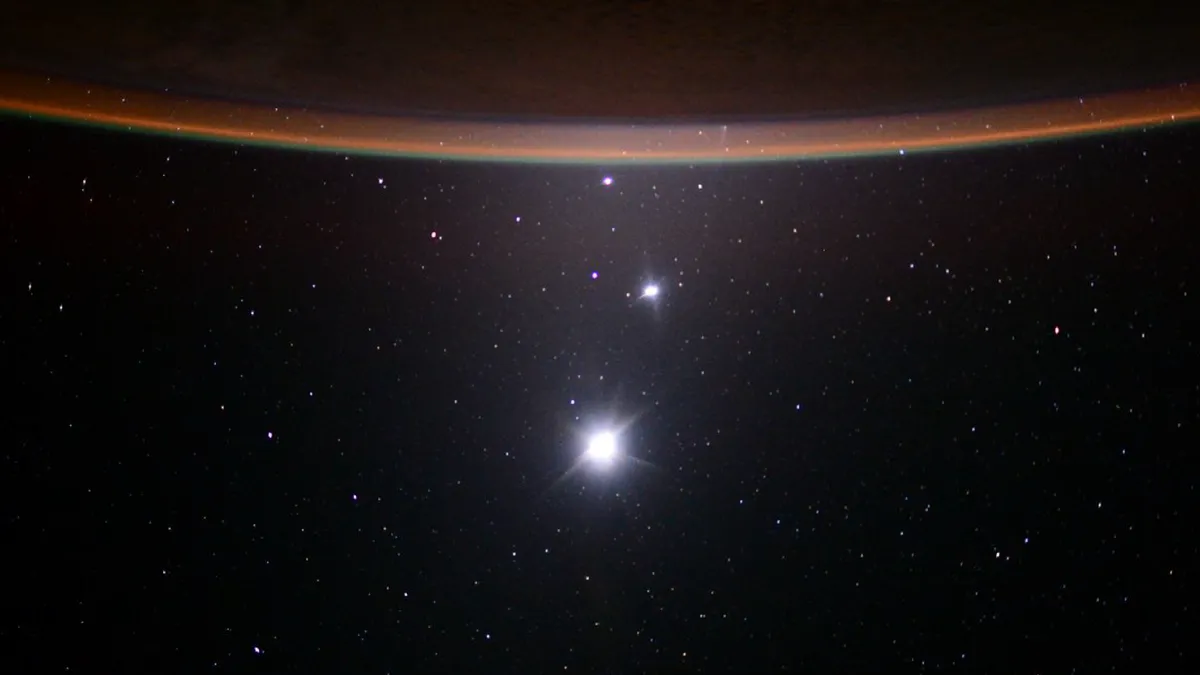
Want to see Uranus for yourself? Independence Day morning offers one of the best opportunities in decades, as the distant ice giant passes extraordinarily close to Mars in the predawn sky.Although we often hear that only five planets are visible to the unaided eye, Uranus can also be seen from Earth under the right conditions. As the seventh planet from the sun, it is very faint — near the threshold of naked-eye visibility at roughly sixth magnitude — so viewing it requires a very dark sky with little to no significant light pollution.The second challenge is knowing exactly where to look. Uranus is faint enough to blend into a background of similarly dim stars, but early on Saturday, July 4, at around 4 a.m. local daylight time, Mars provides a useful guide. On that Independence Day morning, Mars and Uranus will appear unusually close together in the sky.Finding Mars firstMars currently rises about half an hour before the first light of dawn. It is still relatively faint at about magnitude +1.3, and through a telescope it appears tiny, measuring less than 4.5 arc seconds across. Look for it low in the east-northeast, about 5.5 degrees directly below the Pleiades star cluster.Find Mars low in the east-northeast before dawn.Point binoculars or a small telescope at Mars.Look almost directly above Mars for a much fainter, star-like point of light. That will be Uranus.What Uranus will look likeUranus should resemble a tiny greenish star and will appear only about 1/63 as bright as Mars. Although Uranus is nearly 7.5 times larger than Mars, it is more than 9.5 times farther away as seen from Earth. At about 1.88 billion miles (3.02 billion km), it appears only slightly smaller than Mars in apparent size, measuring about 3.5 arc seconds across.
Want to see Uranus? July 4 could be your best chance in decades
The Red Planet and Uranus will appear close together before dawn on Independence Day morning.
638 words~3 min read