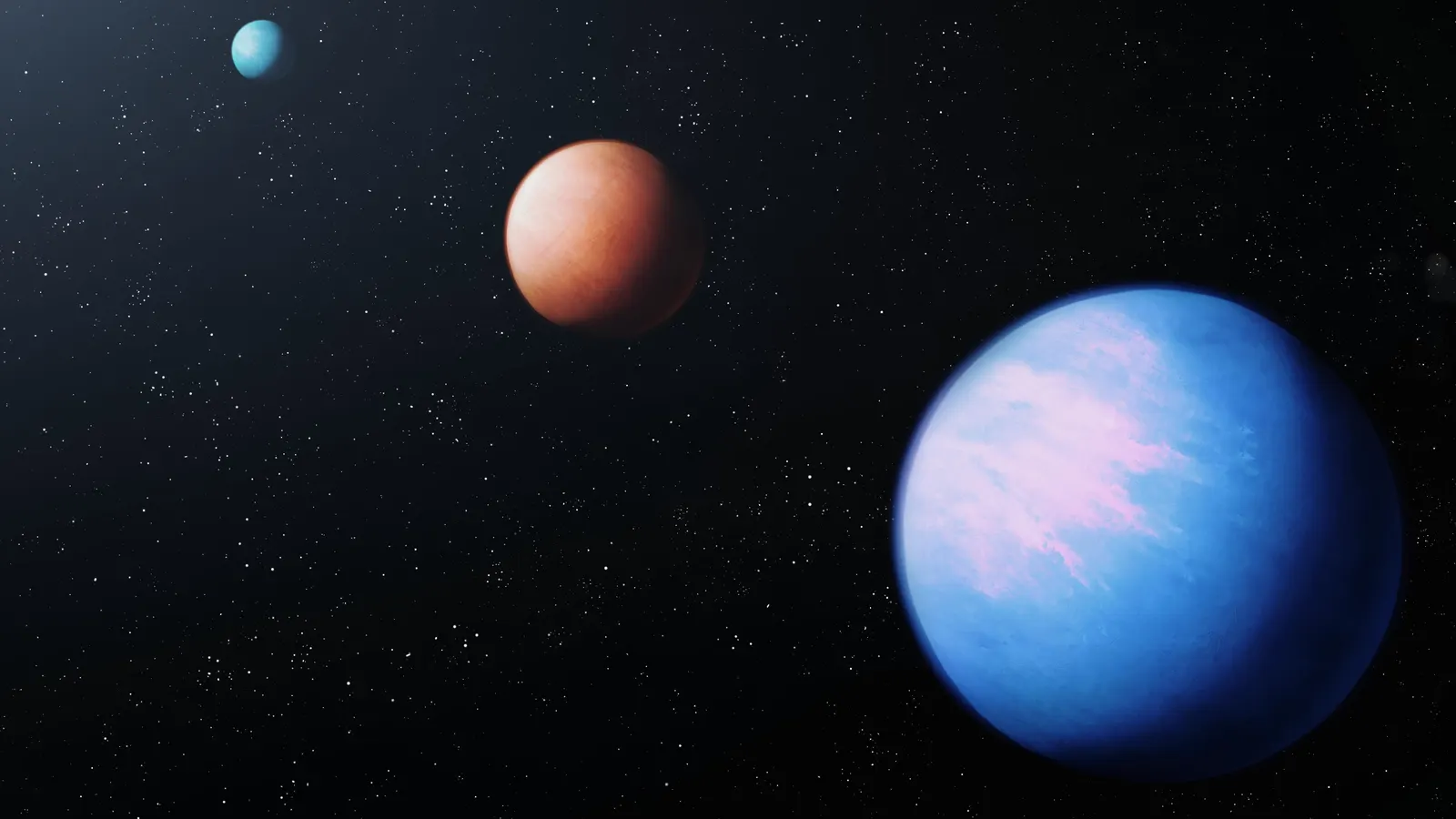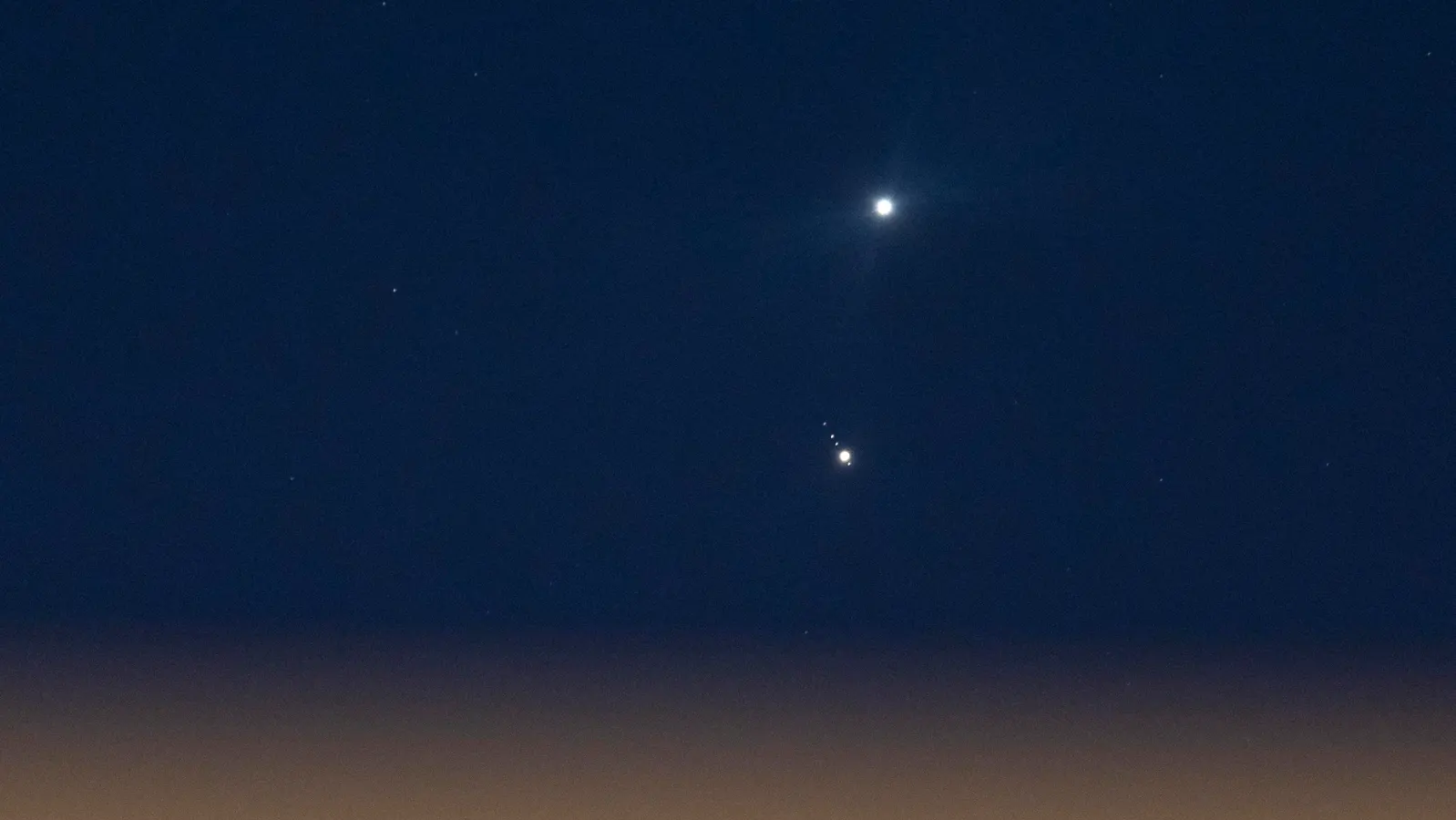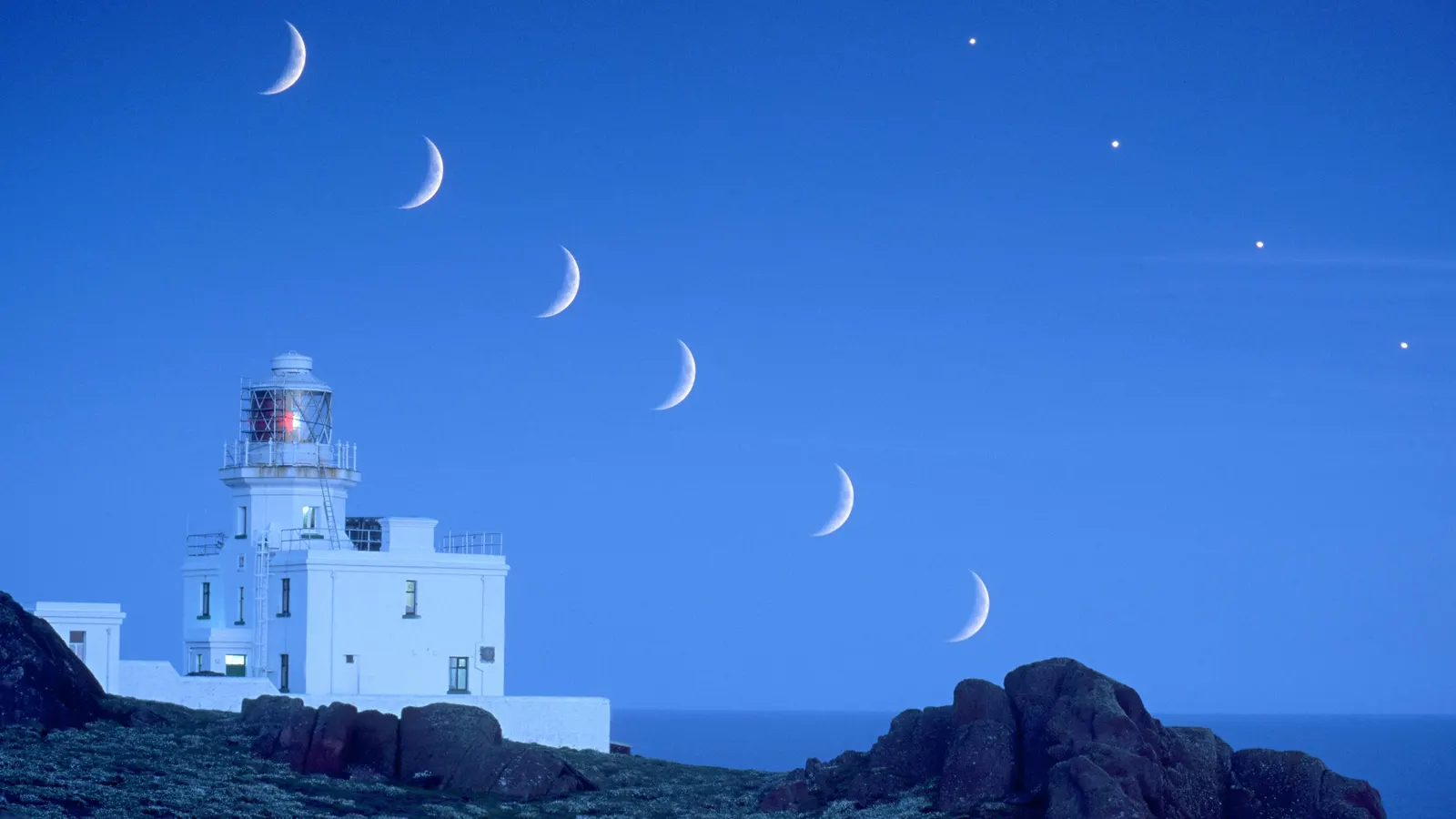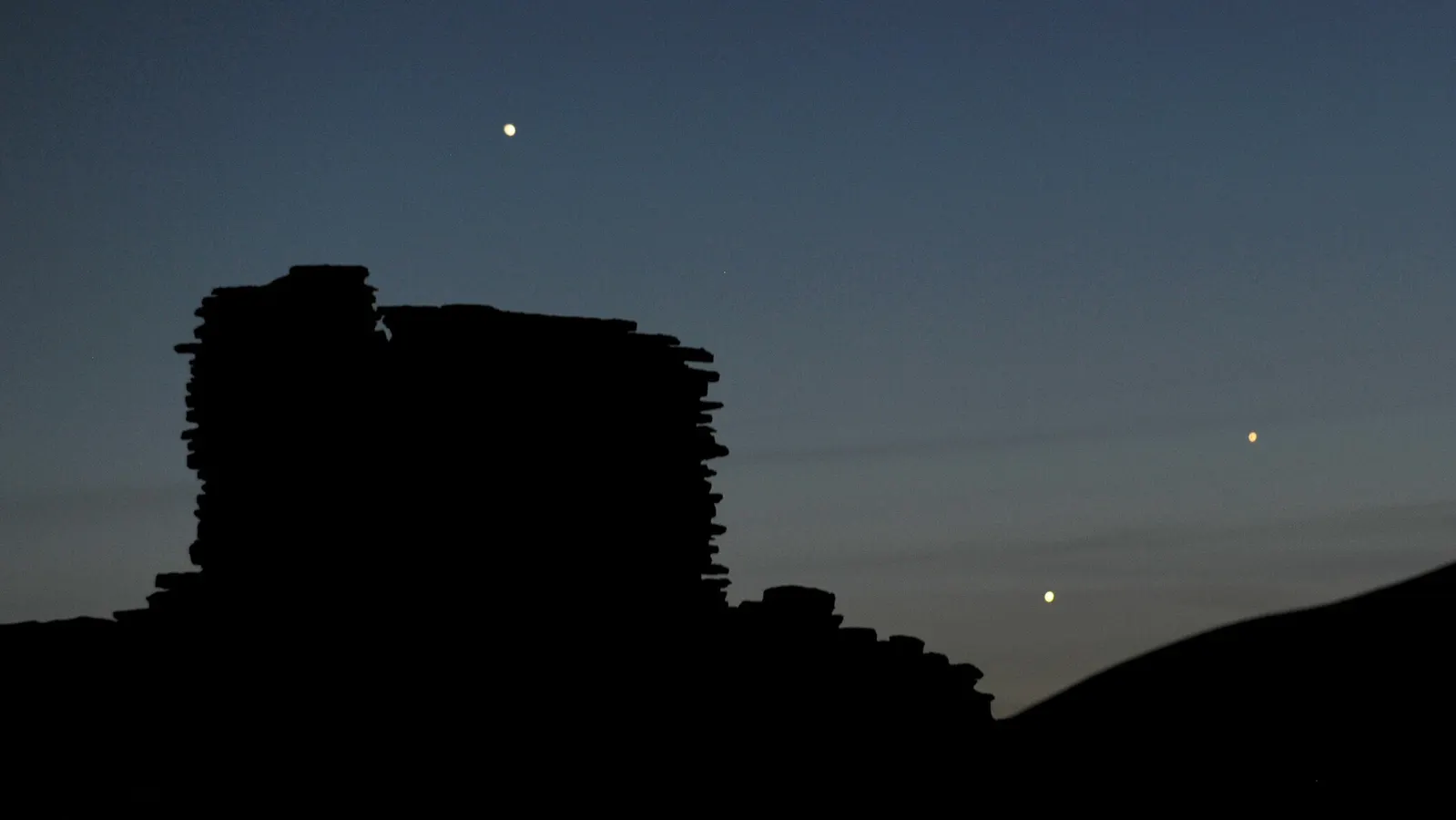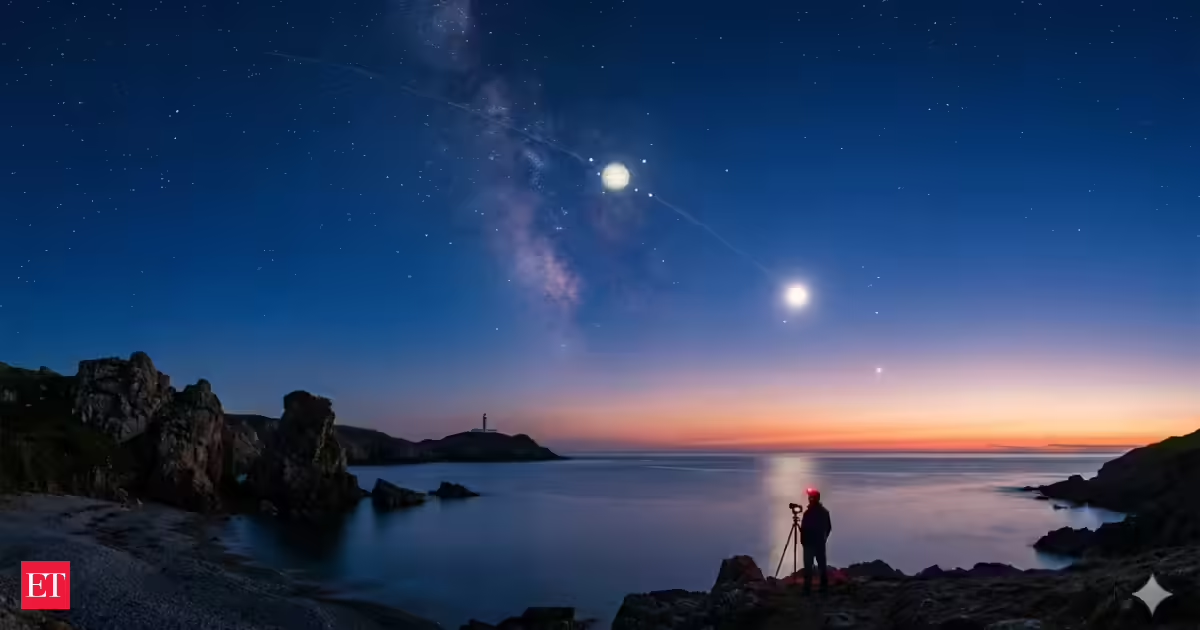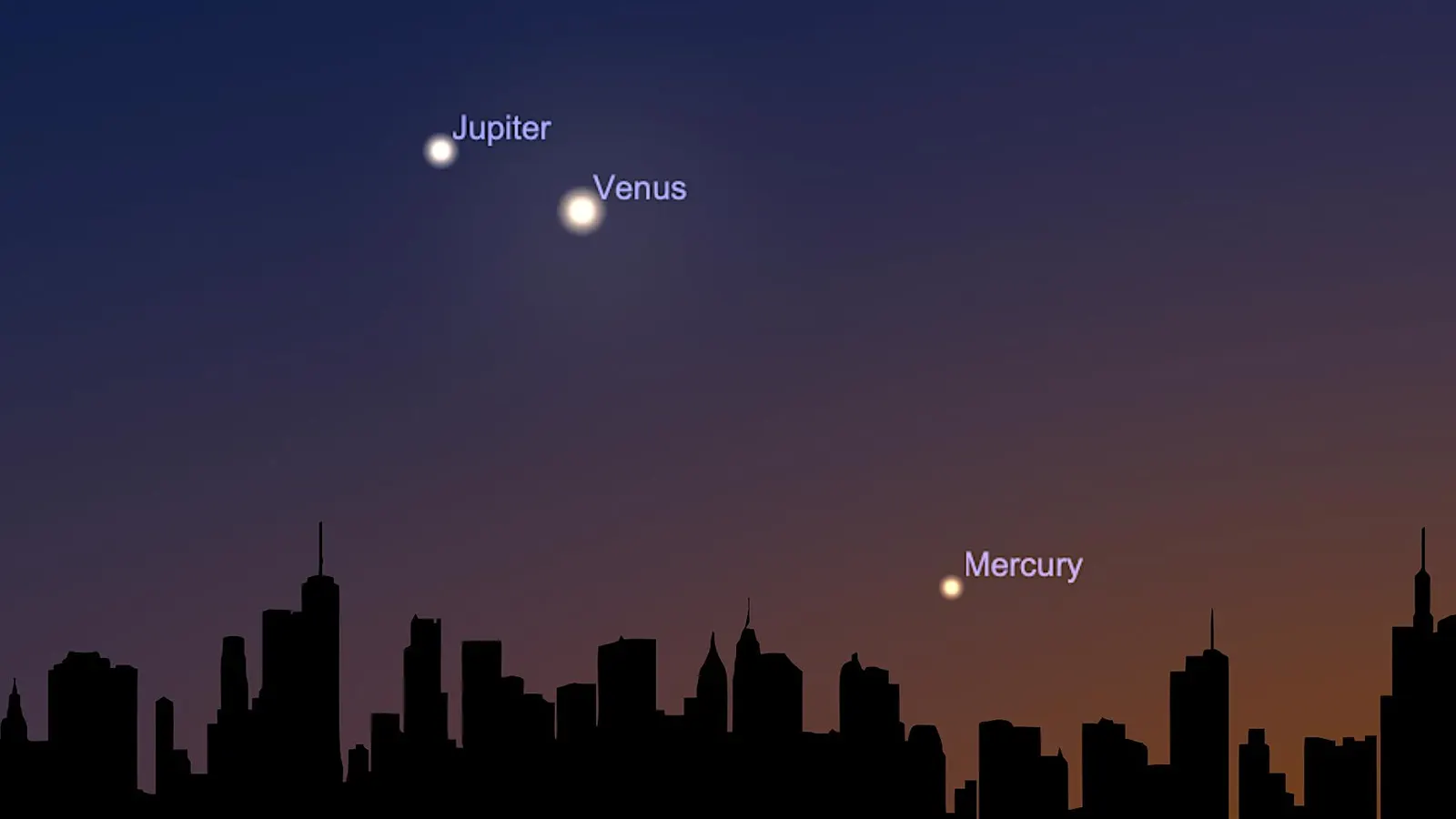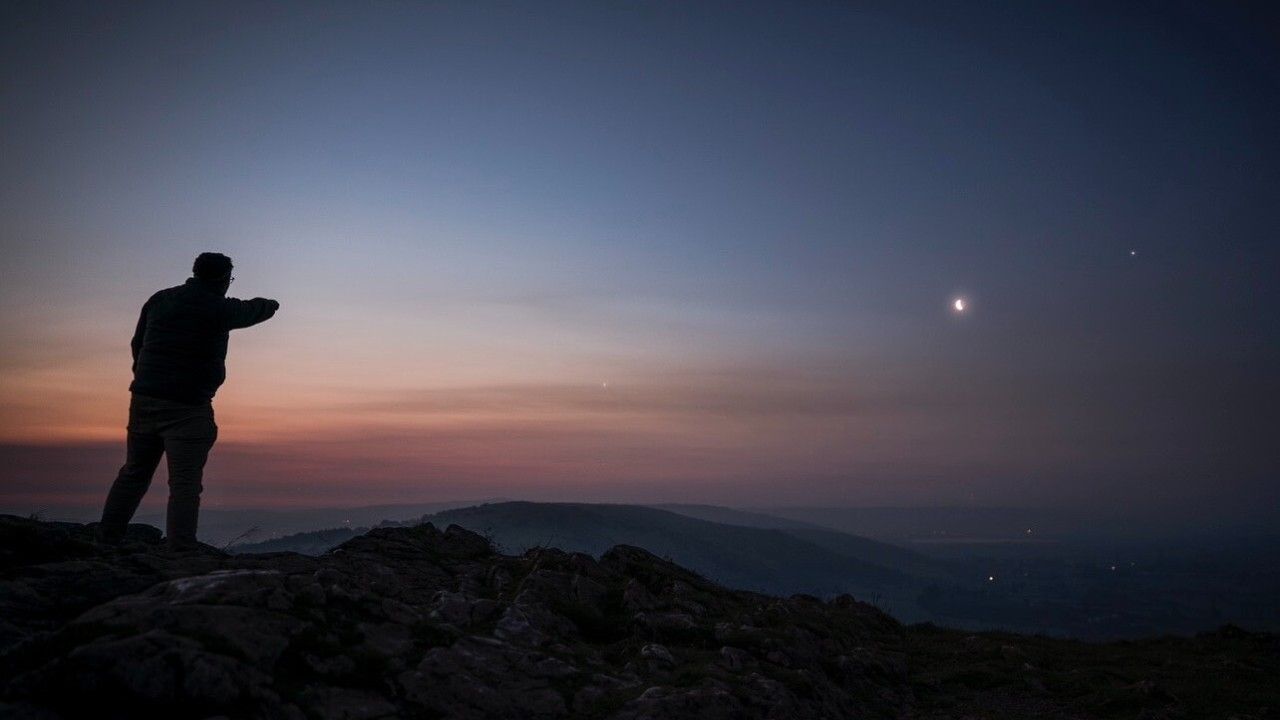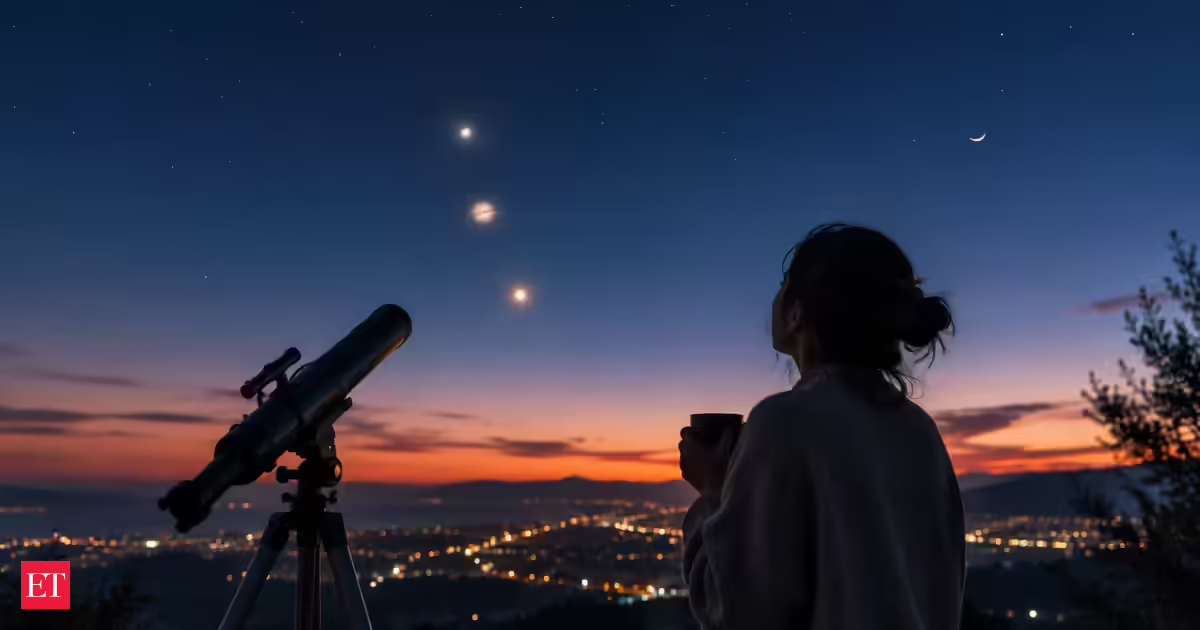
Skywatchers are getting a rare and beautiful reason to look west after sunset this weekend. A dazzling “Planet Parade” featuring Venus, Jupiter and Mercury will light up the evening sky over the next several nights, creating one of the most eye-catching celestial displays of late spring, as per a report by Forbes magazine.The event may not involve every planet in the solar system, but astronomers say this kind of compact planetary gathering still offers a spectacular viewing opportunity for casual stargazers and astronomy enthusiasts alike.Adding to the excitement, the moon will also move through the evening sky while bright stars such as Regulus and Capella help frame the glowing planets overhead.For anyone willing to step outside shortly after sunset, the next few evenings could deliver one of the easiest and most rewarding skywatching events of the season.What Is the ‘Planet Parade’ This Weekend?The term “Planet Parade” is often used when multiple planets appear visible together in the sky at the same time. This weekend’s version features three worlds lining up low in the western horizon shortly after sunset:VenusJupiterMercuryAmong them, Venus will appear brightest and easiest to locate. Jupiter will shine slightly above it, while Mercury remains much lower near the horizon and may require binoculars to spot clearly.Astronomy experts say the alignment becomes especially interesting because Venus and Jupiter are slowly appearing closer together each night as they move toward a dramatic conjunction in June.Friday Night Features the Moon and RegulusOn Friday evening, skywatchers can first focus on the waxing crescent moon, which will appear about 45% illuminated. The moon will drift close to Regulus, the brightest star in the constellation Leo.This pairing creates an easy entry point for beginner stargazers who may not normally identify stars or constellations in the night sky. As darkness deepens, Venus and Jupiter will also become visible toward the western horizon.Saturday Brings the Best Planet Parade ViewSaturday may offer the clearest and most photogenic opportunity to witness the weekend’s Planet Parade. Soon after sunset, viewers looking west should see Jupiter glowing above Venus. Closer to the horizon, Mercury may emerge in the fading twilight.Because Mercury never climbs very high above the horizon, viewers may need a location with an unobstructed western skyline and minimal city light pollution. Astronomers recommend beginning observations about 30 to 45 minutes after sunset before the planets sink too low.Sunday Adds a Famous Bright Star to the ShowThe sky becomes even more interesting Sunday night. In addition to Venus, Jupiter and Mercury, observers may also spot Capella, sometimes known as the “Goat Star.”Capella, Venus and Mercury are expected to create a triangular formation in the sky, adding another visually striking feature to the weekend’s display.For photographers, this could become one of the best evenings of the event because twilight colors combined with multiple bright celestial objects may create dramatic images.Venus and Jupiter Are Heading Toward a Rare EncounterWhile this weekend’s Planet Parade is impressive on its own, astronomers say it is really building toward a much bigger celestial moment. Over the next several weeks, Venus and Jupiter will continue appearing closer together in the evening sky. Their closest approach, known as a conjunction, is expected around June 9 through June 11.During that period, the two brightest planets visible from Earth could appear almost side-by-side after sunset.Mercury is also expected to remain nearby during the conjunction, making the western sky especially active heading into early summer.More Sky Events Are Coming SoonThe Planet Parade is only one part of a busy upcoming period for astronomy enthusiasts. The moon will continue waxing toward a full moon at the end of May. This particular full moon is drawing attention because it qualifies as a rare seasonal Blue Moon.Around the same time, New York City will once again experience Manhattanhenge, when the setting sun aligns perfectly with Manhattan’s street grid.Later in June, skywatchers will also experience:A dark-sky period around the June SupermoonThe year’s largest new moonThe summer solstice on June 21, marking the shortest nights of the yearTogether, the upcoming celestial events make late May and early June one of the busiest stargazing periods of 2026.Why Planet Parades Fascinate SkywatchersPlanetary alignments continue capturing public imagination because they make astronomy feel accessible. Unlike deep-space observations requiring telescopes or advanced equipment, bright planets can often be seen with the naked eye from suburban backyards, rooftops or parks.Events like this weekend’s Planet Parade also remind viewers that the solar system is constantly moving and changing above Earth every night.For many casual observers, seeing multiple planets together becomes a rare moment where science, beauty and curiosity intersect in a way that feels immediate and personal.FAQsWhat is the Planet Parade this weekend?The Planet Parade refers to Venus, Jupiter and Mercury appearing together in the western evening sky shortly after sunset.Which planet will be easiest to see?Venus will be the brightest and easiest planet to spot this weekend.
Planet Parade this weekend: How to see Venus, Jupiter, and Mercury shine together after sunset
Planetary alignments continue to capture public fascination because they make astronomy feel approachable and easy to experience. Unlike distant deep-space events that require telescopes or specialized equipment, bright planets can often be spotted with the naked eye from suburban backyards, rooftops and public parks.
807 words~4 min read