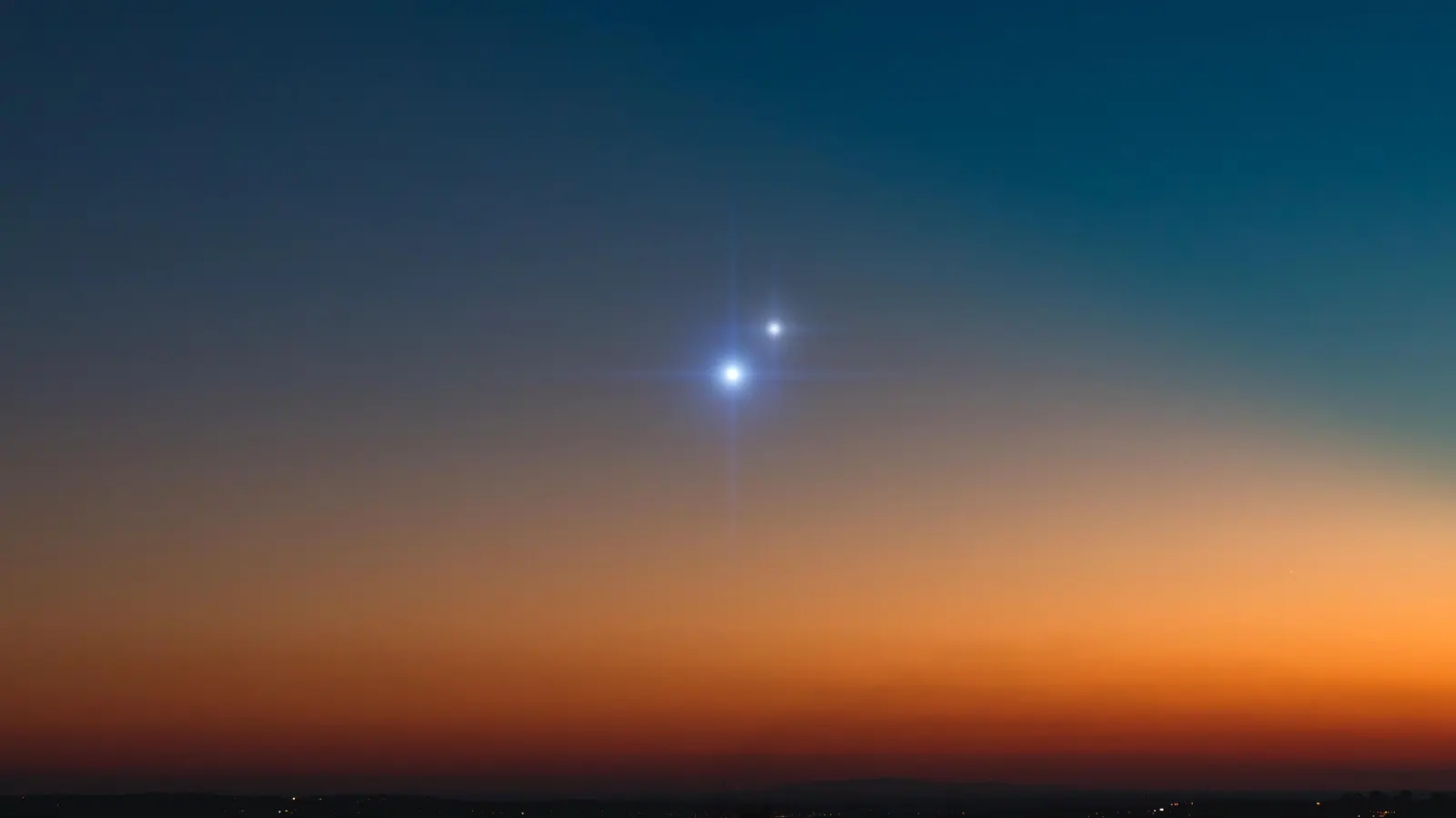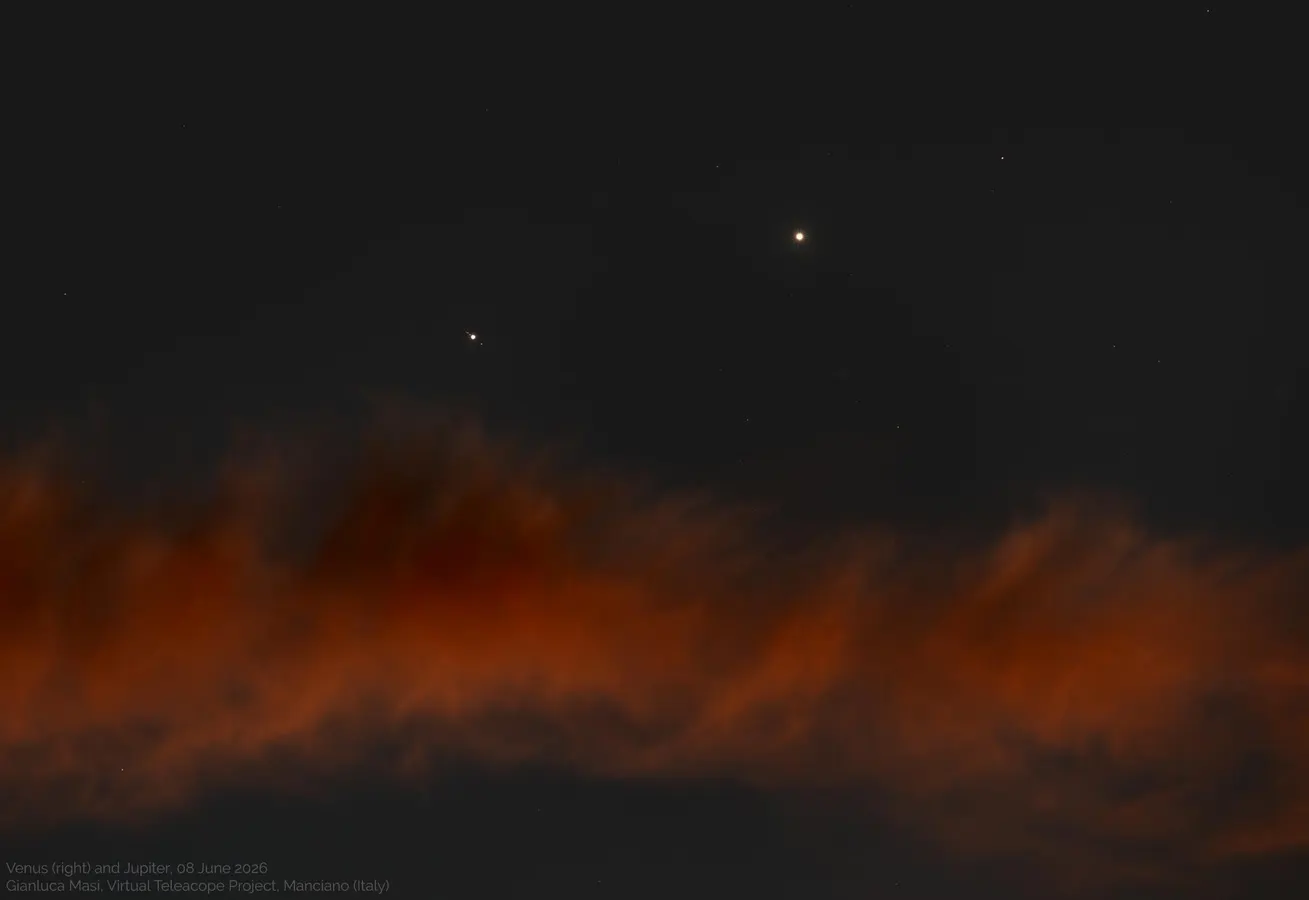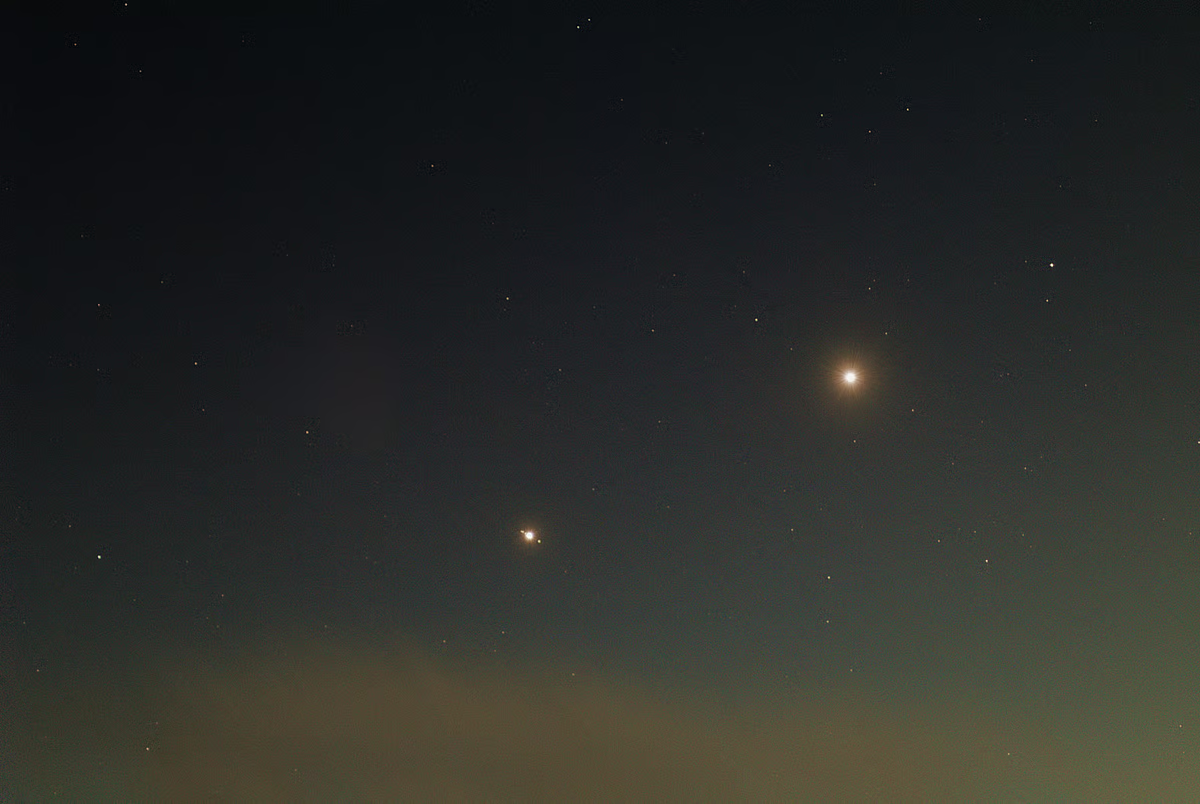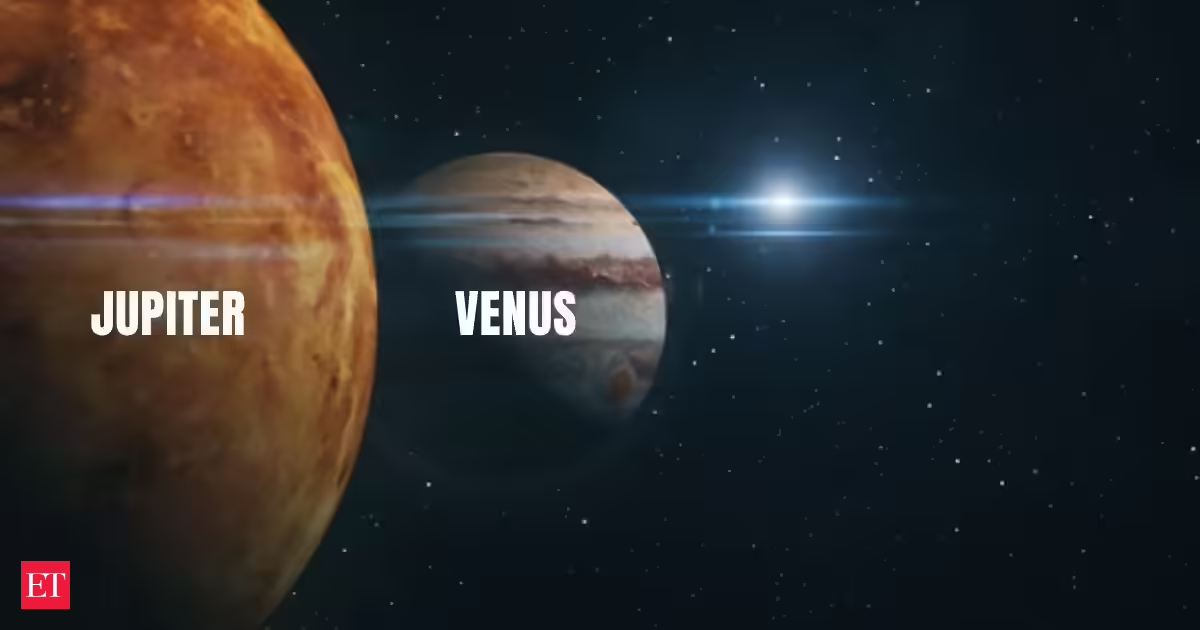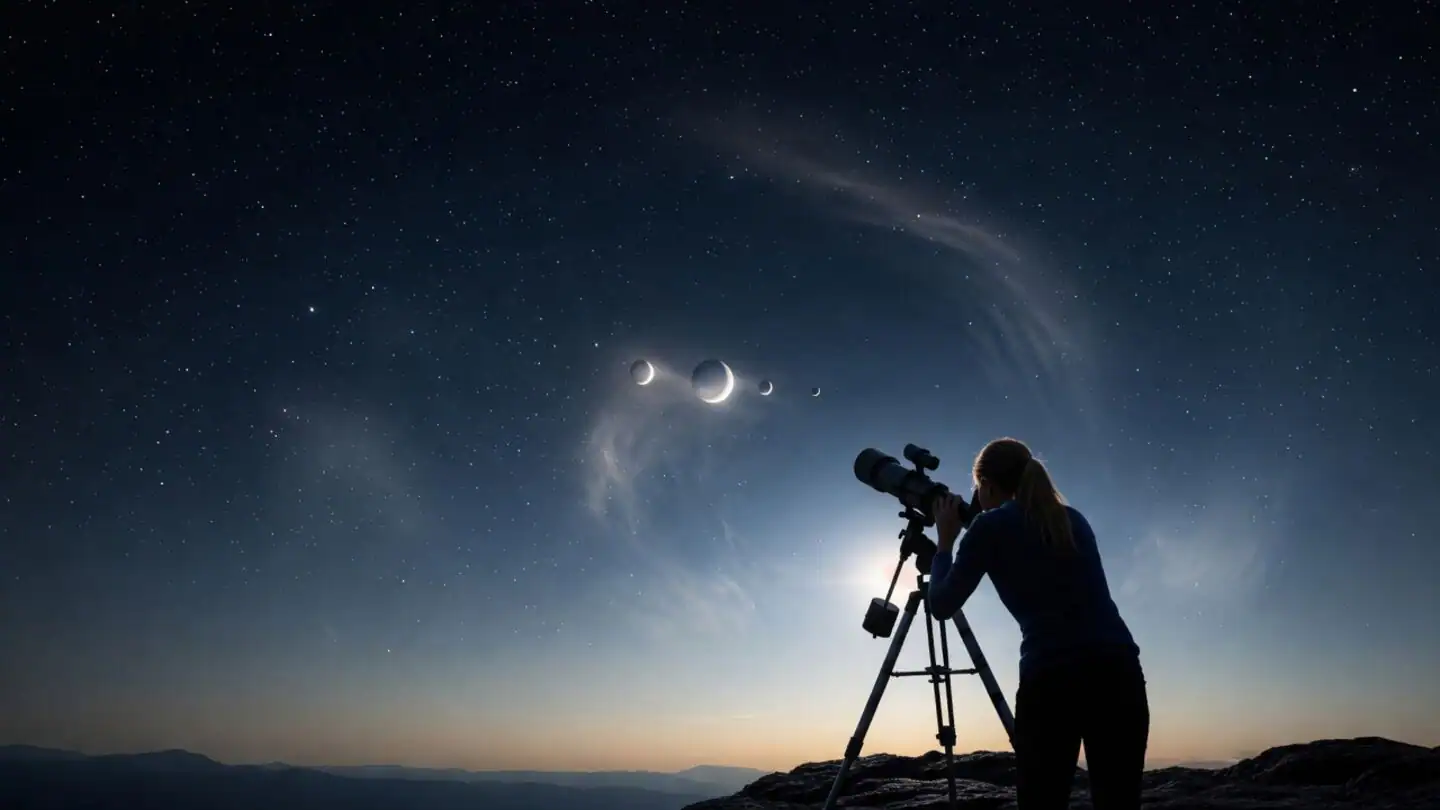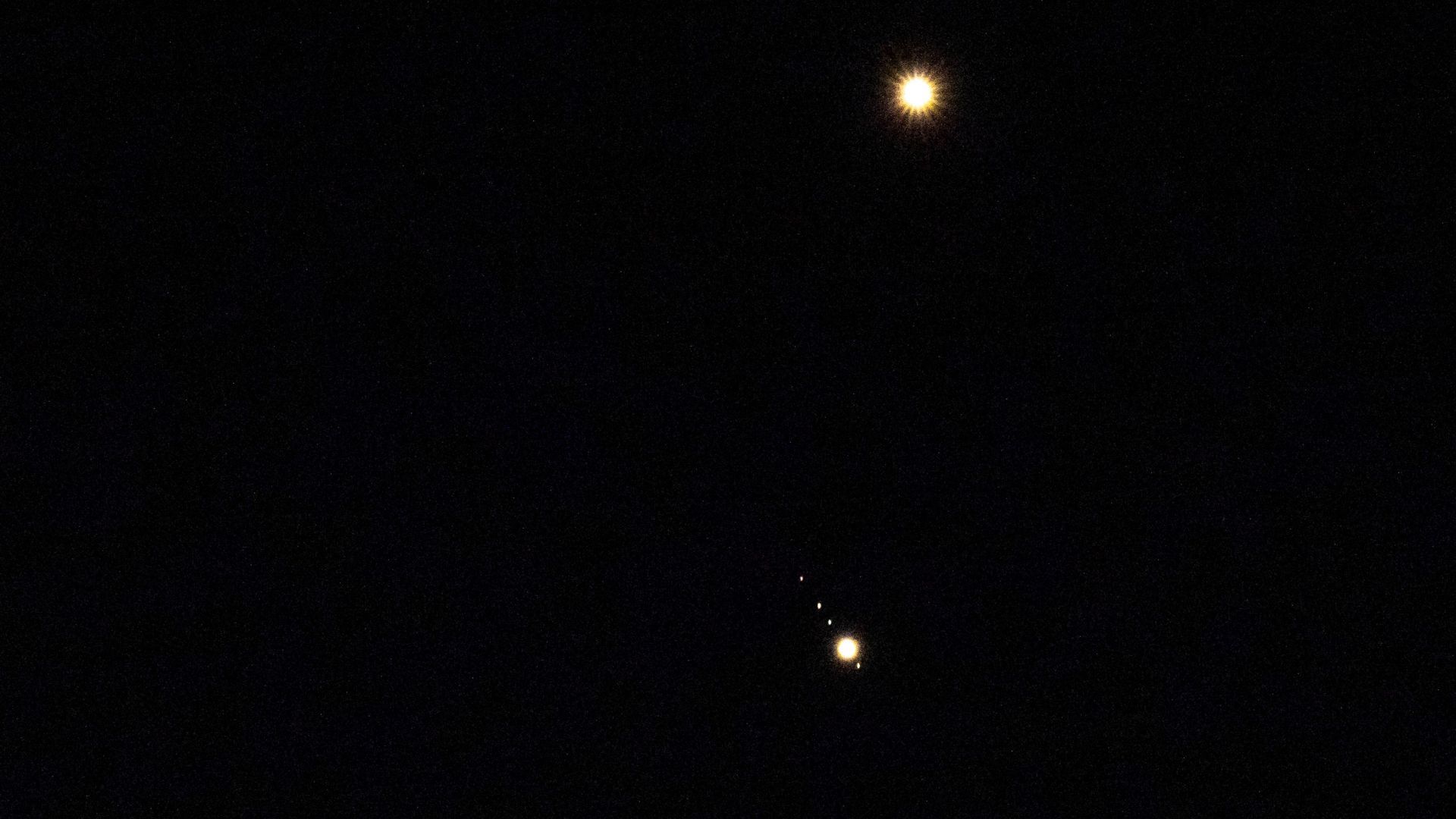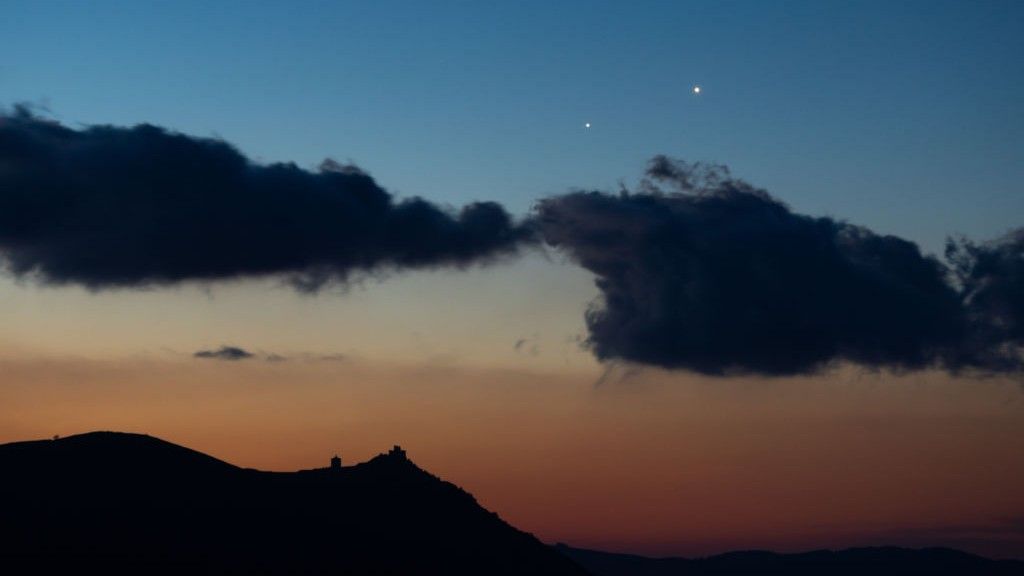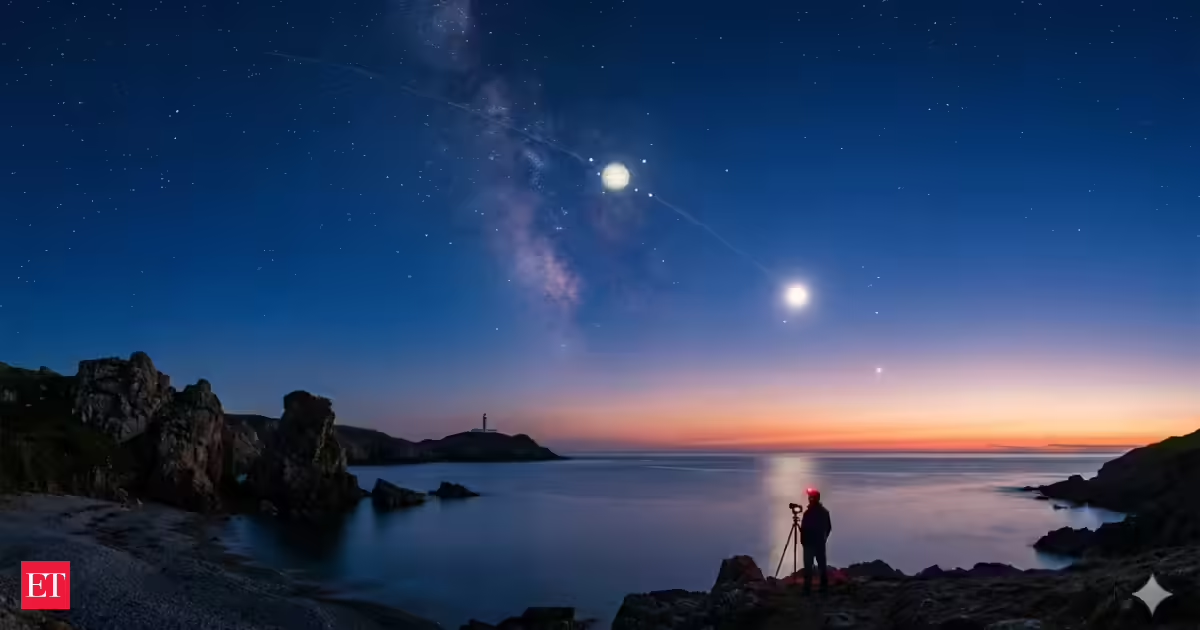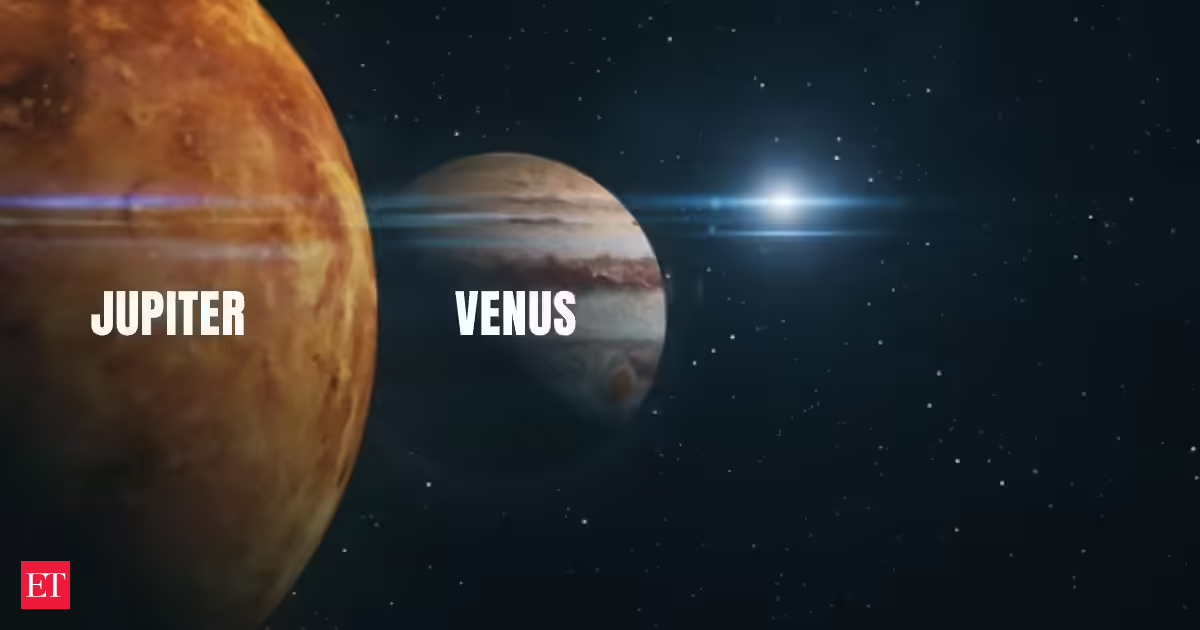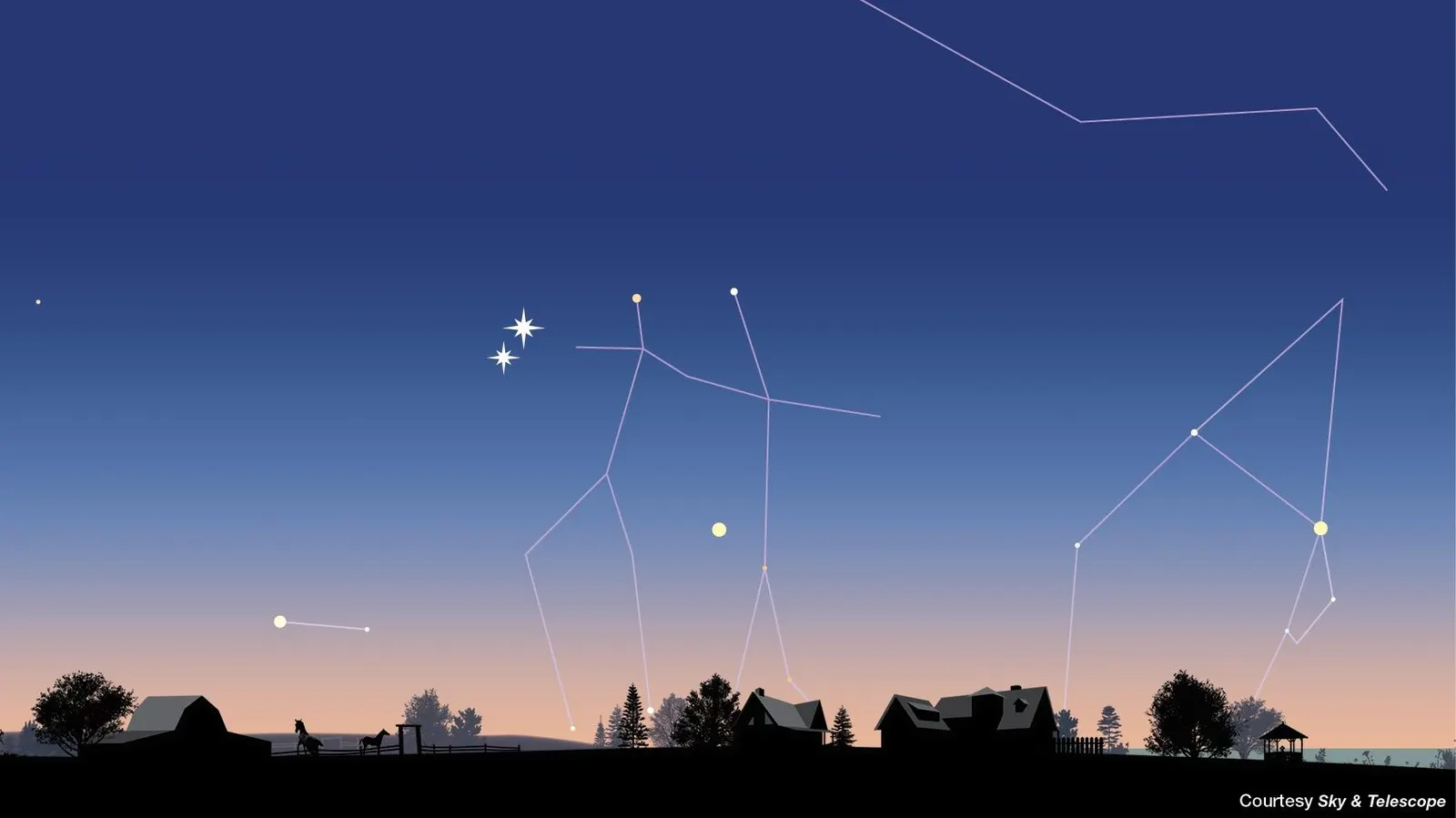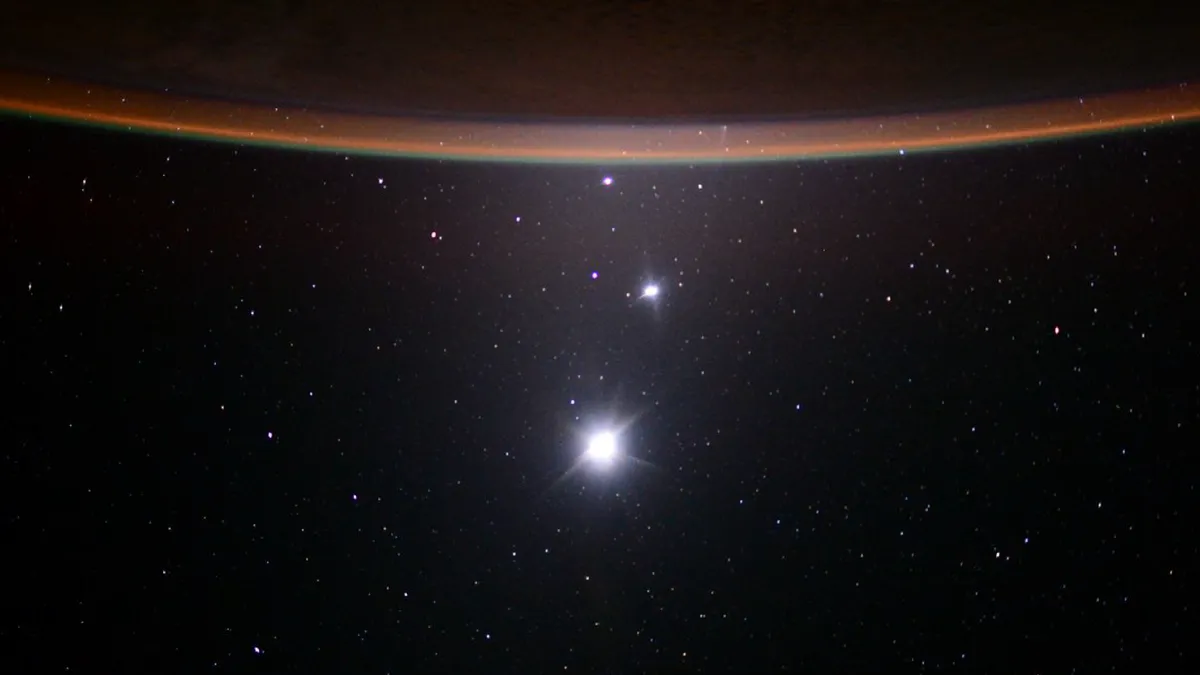
Time to look up, stargazers – there’s going to be a planetary "kiss" on June 9.You'll be able to spot the two brightest planets, Jupiter and Venus, converge with the naked eye for about 45 minutes after sunset on June 9. Mercury will be nearby as well. They will appear at their closest point of the convergence at 9:35 p.m. ET, according to EarthSky. The planets will trace the ecliptic plane, an imaginary line in the sky that marks the sun’s path. The moon and planets follow this same line.Venus and Jupiter appear to align about once every 13 months, so the next time they meet in the sky will be on Aug. 5, 2027, but they’ll be obscured by the sun's light. The next visible rendezvous is expected to occur on Nov. 10, 2028, according to SkyandTelescope.Unable to view our graphics? Click here to see them.How to get the best viewUsing a set of binoculars will help, according to SkyandTelescope. Both planets will fit within the same field of vision, though it's preferable to watch this celestial spectacle without magnification. That means you can simply use your eyes.A celestial optical illusionWhile they may look close in the sky, Venus and Jupiter are actually millions of miles apart.Jupiter is much farther away because it orbits beyond Earth in the solar system. Jupiter will be about 558 million miles from Earth during the conjunction – nearly six times the distance between Earth and the sun. Venus, which orbits closer to the sun than Earth does, will be nearer at about 112 million miles from Earth, making it roughly five times closer than Jupiter, according to LiveScience.From Earth, Venus will look like it's rising and Jupiter will be descending as they appear to fly close together in the night sky.SOURCE EarthSky.org, LiveScience.com, SkyandTelescope.org and USA TODAY research.
Rare “planetary kiss” lights up sky June 9 — how to watch
Two bright planets, Venus and Jupiter, will be visible as they snuggle up close in the sky. We show you where and when to view.
308 words~1 min read