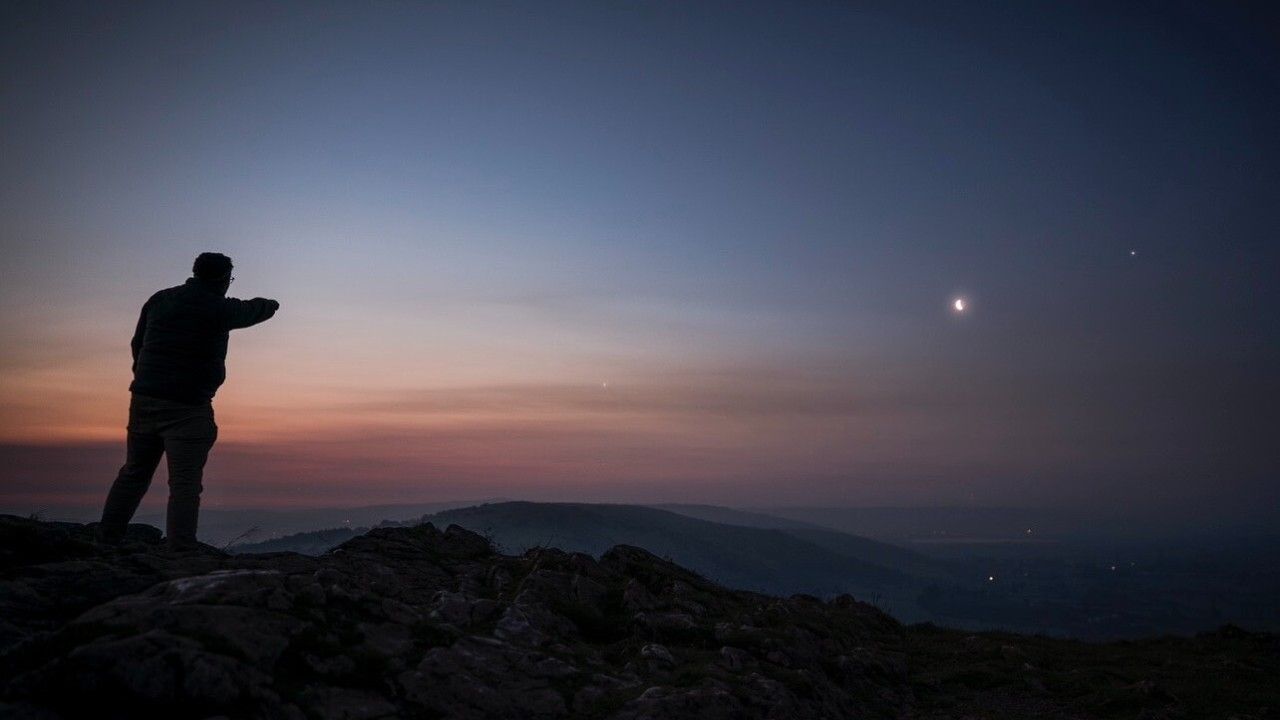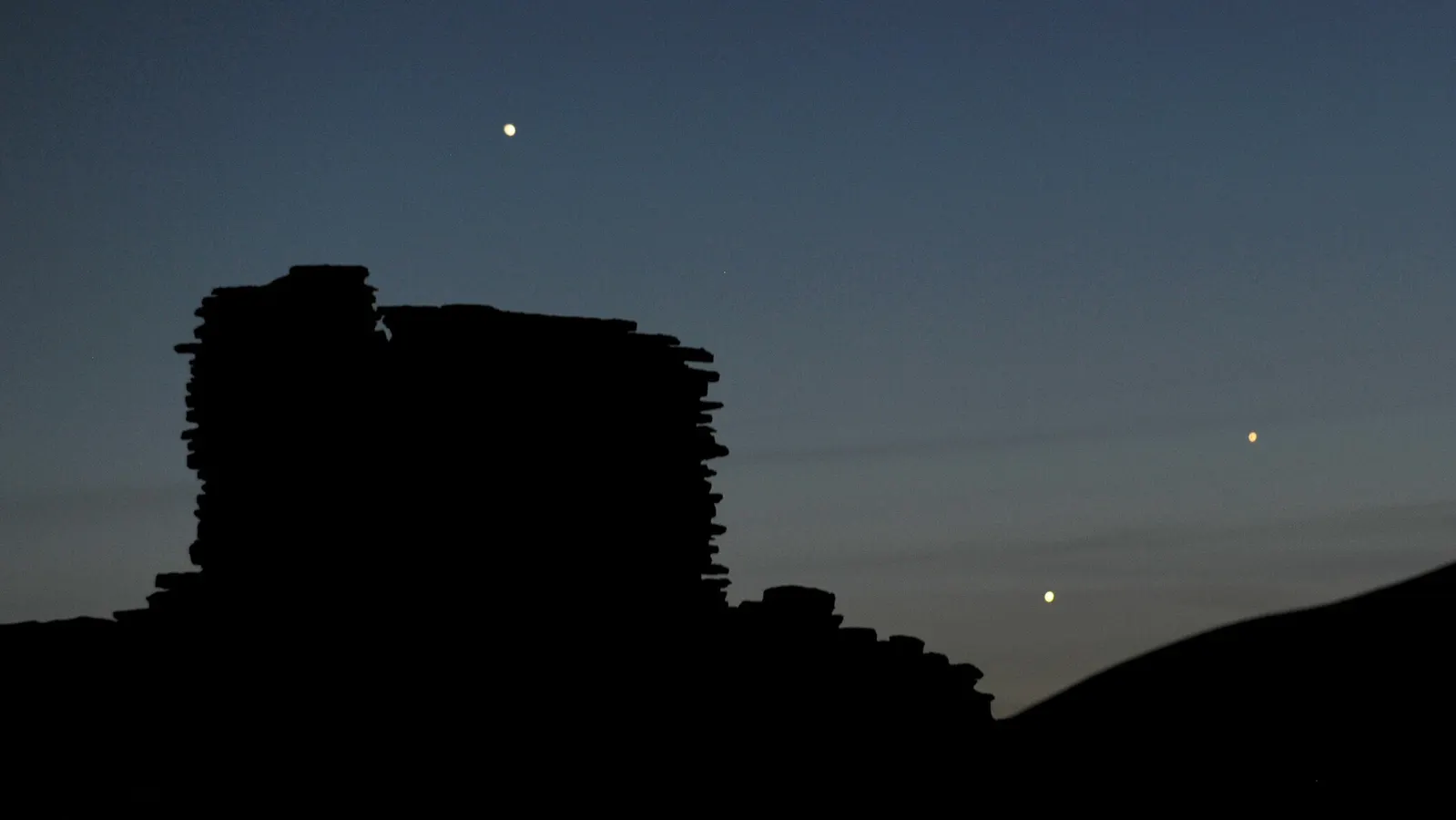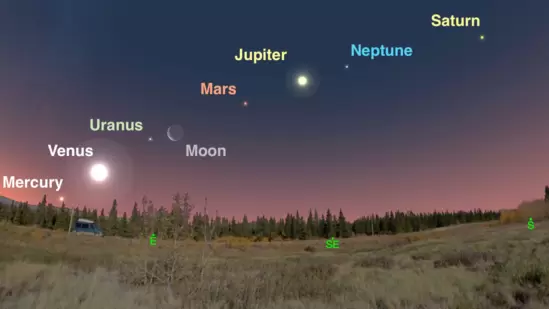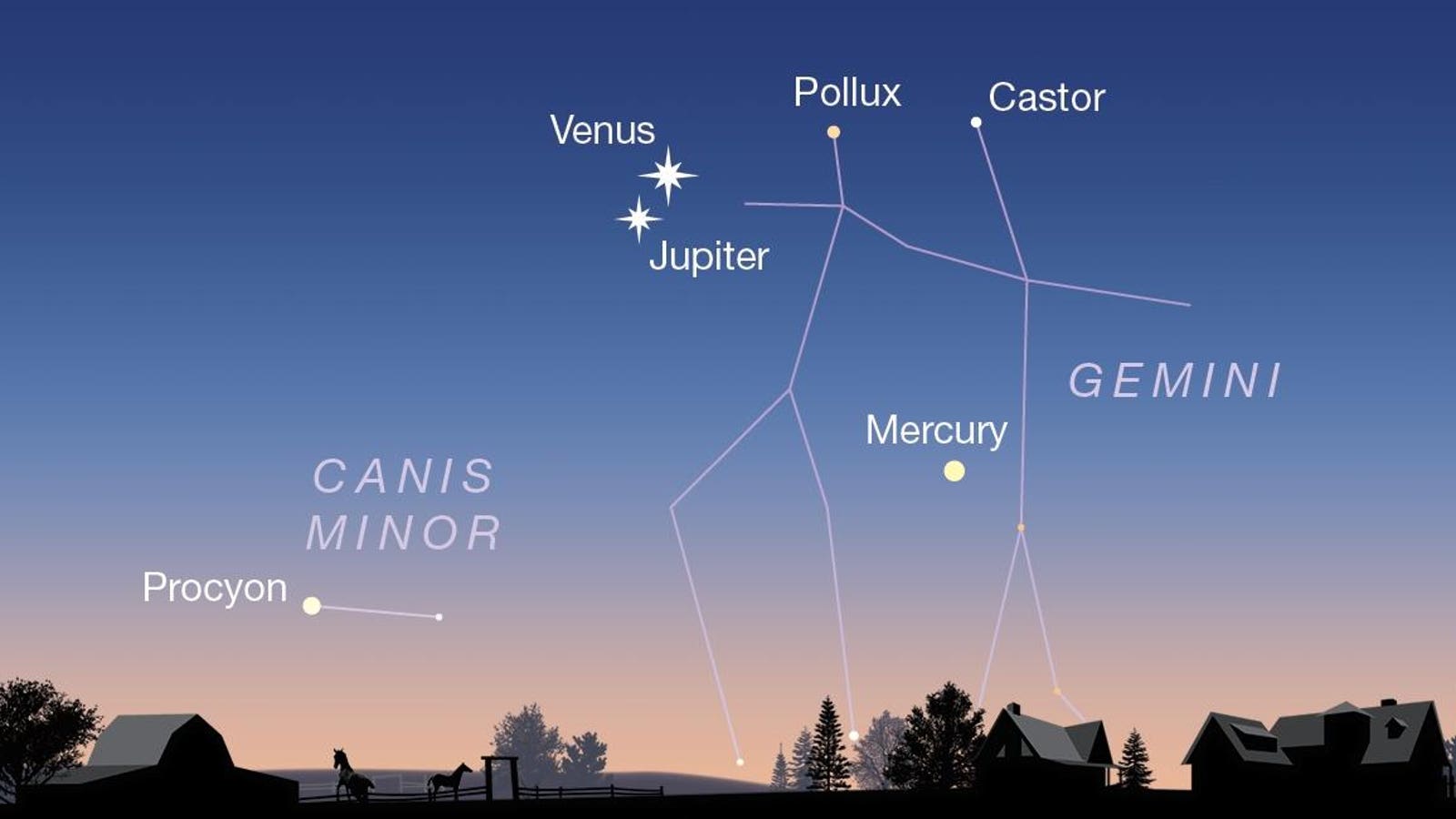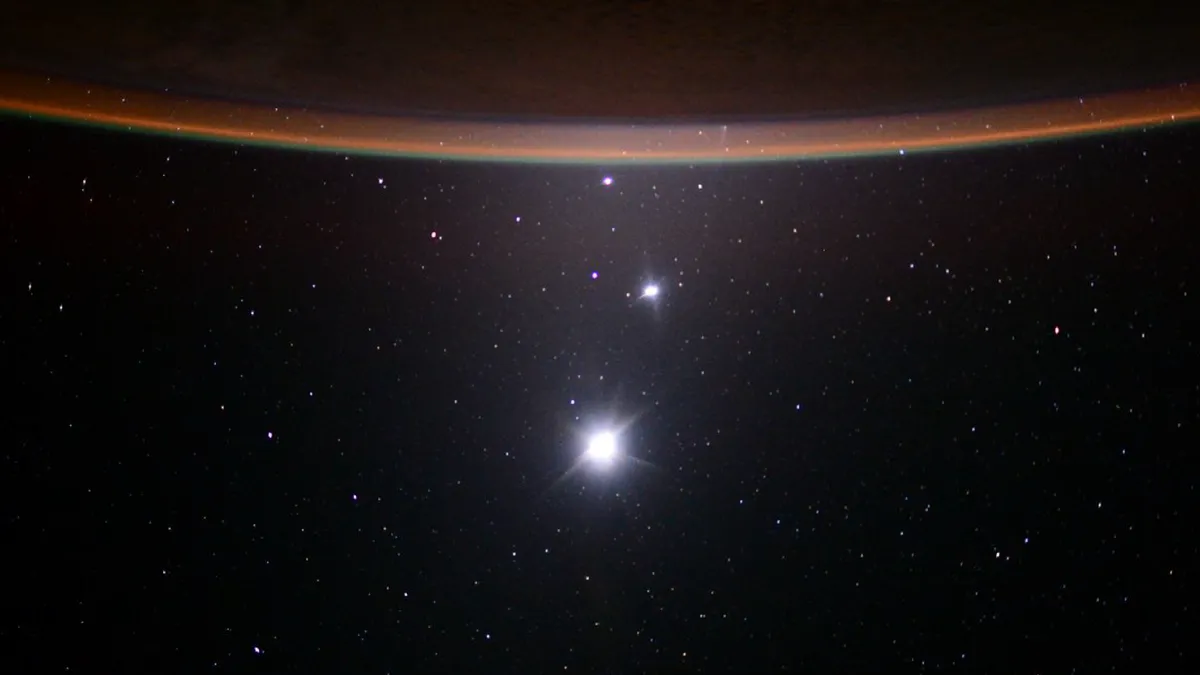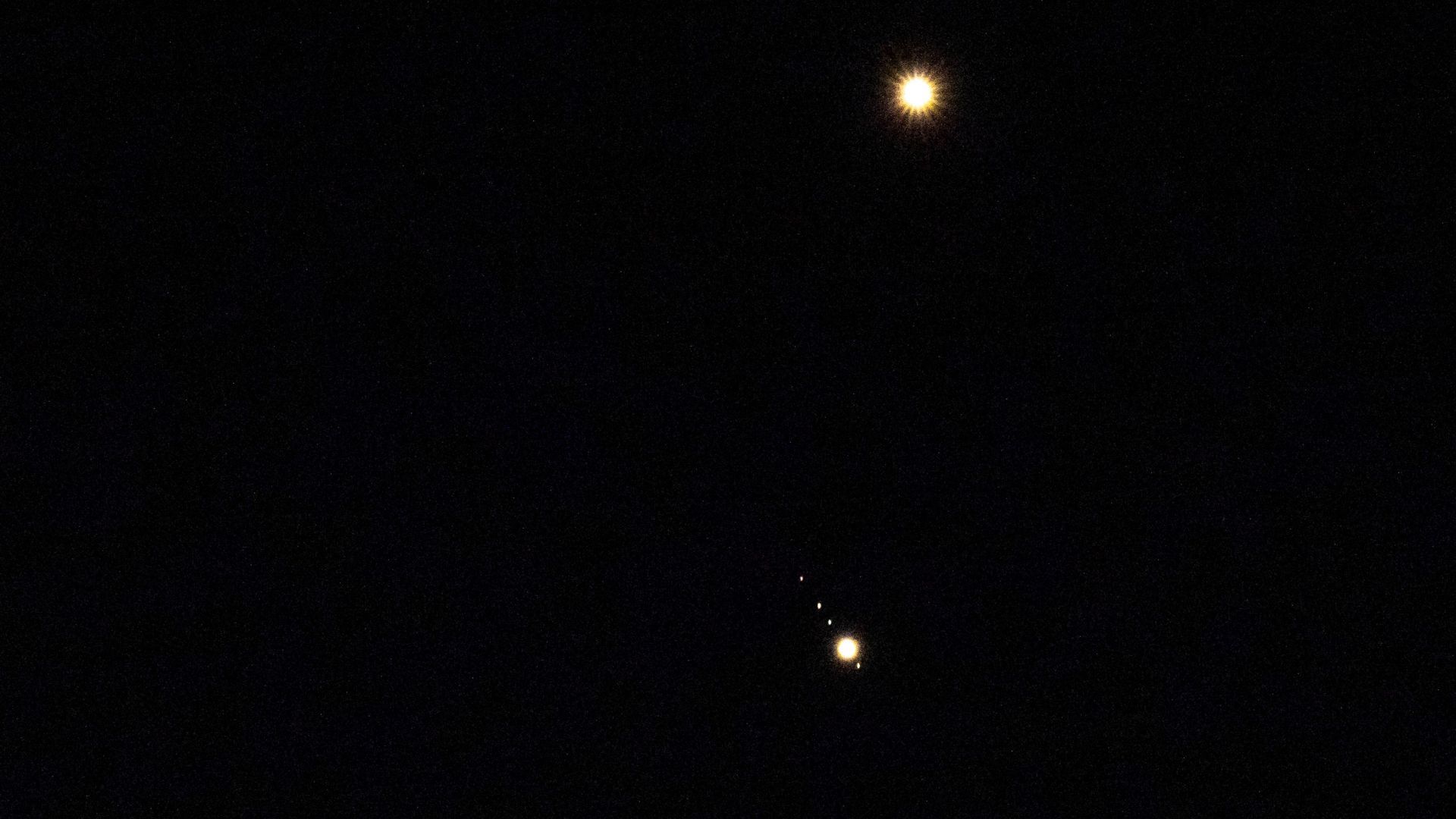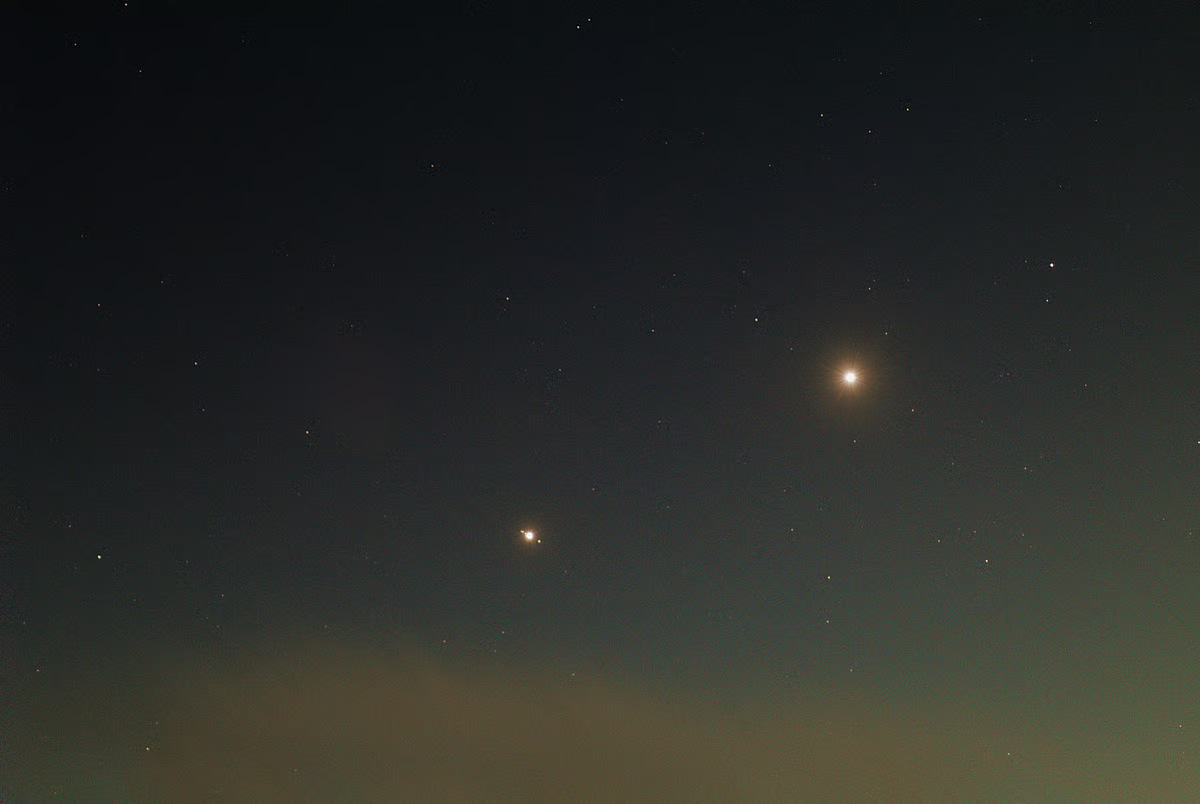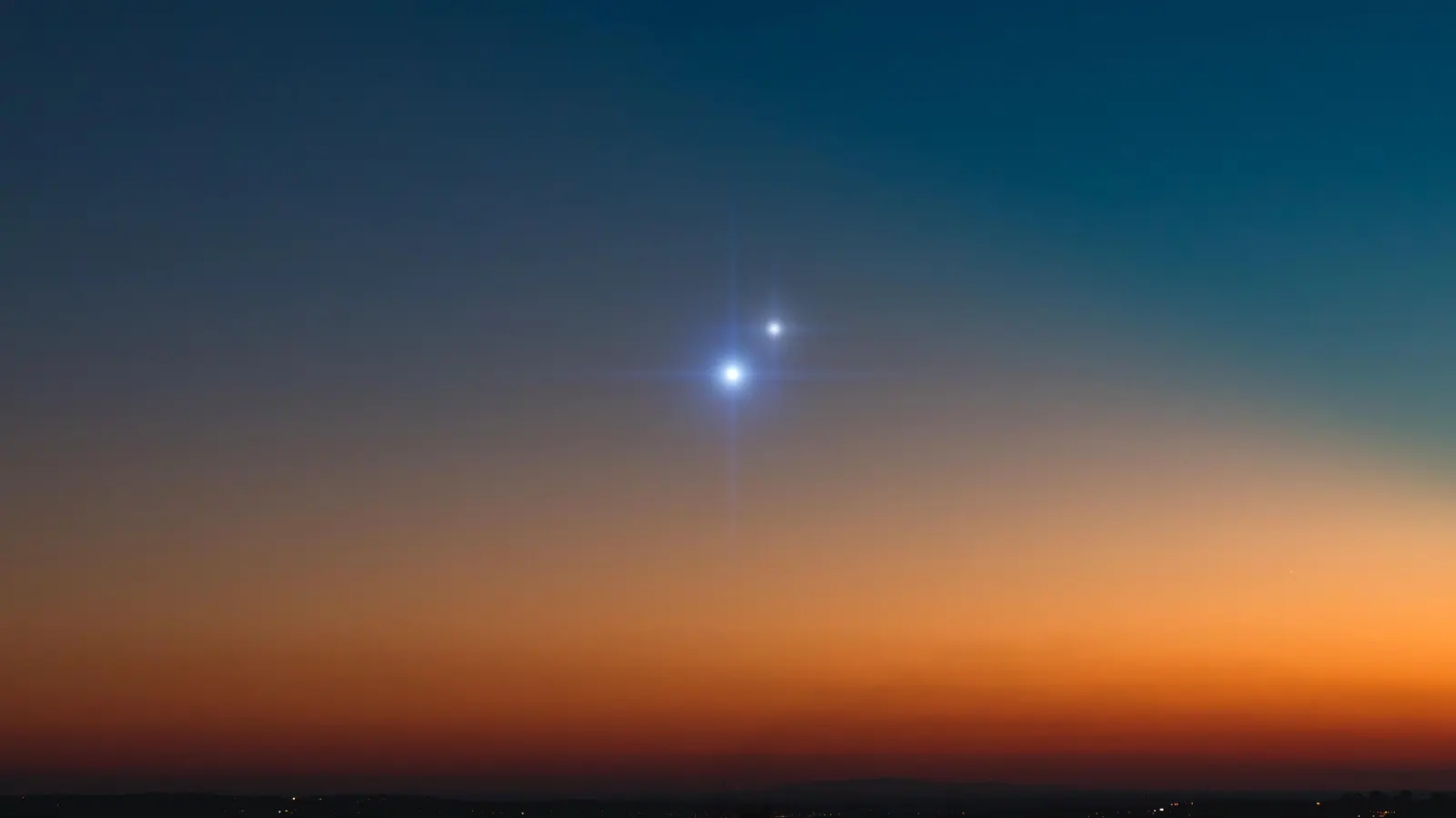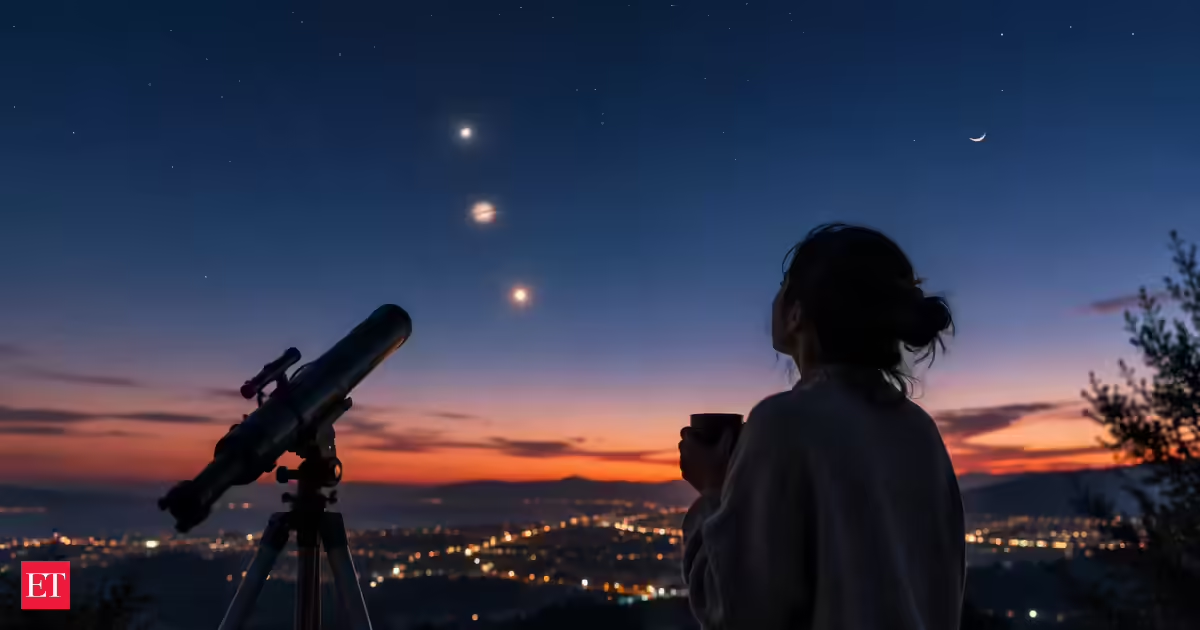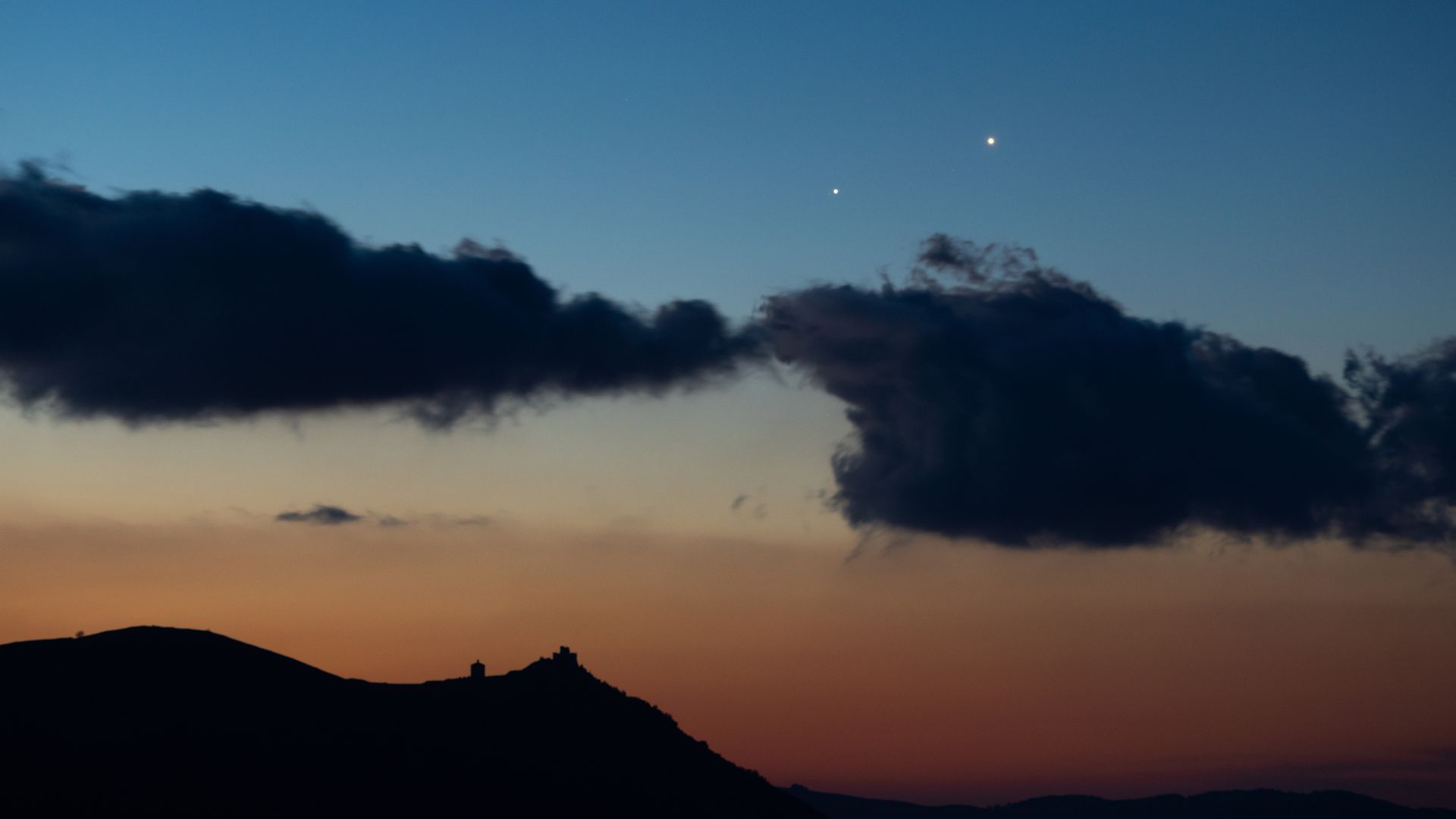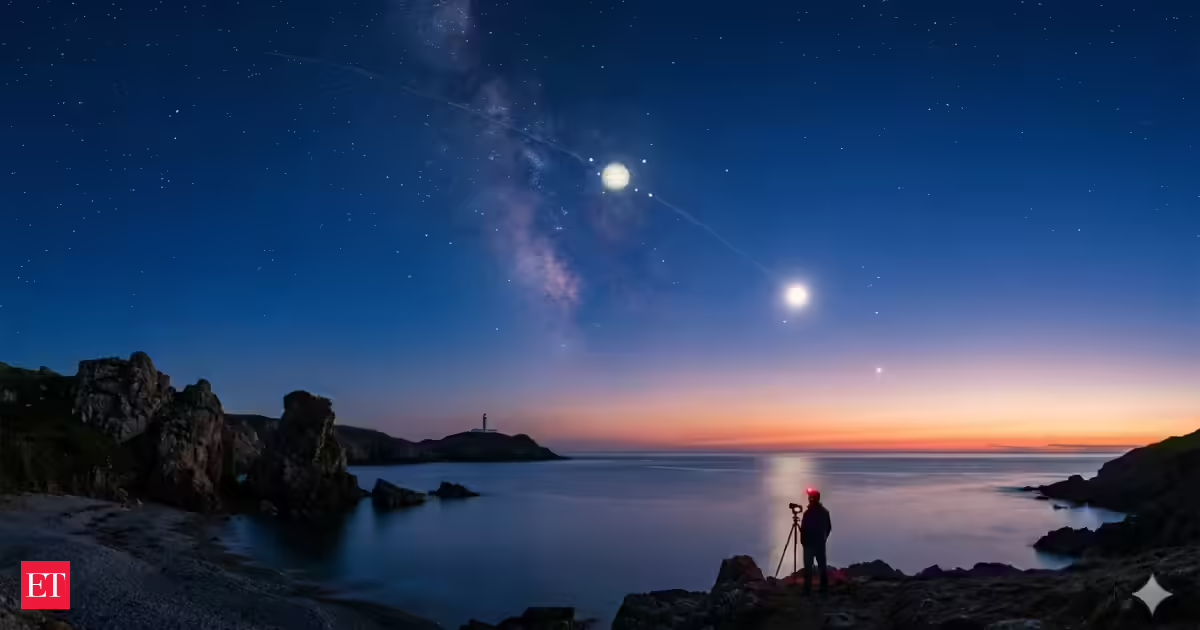
Skywatchers across the United States are looking forward to watching a mini planetary parade featuring Mercury, Venus, and Jupiter that appears in the evening sky today, June 12. The celestial trio will line up low above the western horizon shortly after sunset, creating one of the most beautiful naked-eye astronomy events in June. Sky enthusiasts will need a clear view of the horizon and may have less than an hour to catch all three planets before they sink from view.ALSO READ: This 'alien' blue planet rains molten glass and a year here is less than a weekend, scientists are stunnedWhat Is the June 12 Planetary Parade?The event brings together three planets—Mercury, Venus, and Jupiter—in the same section of the evening sky. Venus and Jupiter, the two brightest planets visible from Earth, have already been putting on a show throughout early June. Today, Mercury joins the lineup near the horizon.Astronomers call this a "planet parade" because multiple planets appear grouped together from Earth's perspective. While the planets are actually millions of miles apart in space, they seem to line up in the sky when viewed from Earth.ALSO READ: Traveller spends days in coma, then slapped with $147,000 medical bill after more than a yearWhen Can You See Planetary Parade in the US?The best viewing window begins about 30 to 60 minutes after local sunset on June 12. Though the exact time varies by location, but the key is to head outside shortly after sunset and look toward the western to west-northwestern horizon.Because the planets will be relatively low in the sky, waiting too long could mean missing Mercury entirely as it quickly drops below the horizon. Experts recommend starting your observation as soon as the sky begins to darken.Where to LookLook low in the western sky after sunset.Venus will be the brightest and easiest object to spot.Jupiter will appear close to Venus.Mercury will sit lower and closer to the horizon, making it the most challenging of the three to find.Rural areas, beaches, open fields, hilltops, and locations with an unobstructed western horizon will offer the best views. Light pollution can make Mercury harder to detect.Tips for Watching the Planetary Parade1. Find a Clear Western HorizonTrees, buildings, and mountains can block the view because the planets will appear low in the sky. An open horizon is crucial.2. Go Out EarlyDon't wait until full darkness. The best viewing period starts shortly after sunset and may last less than an hour.3. Use Binoculars if You Have ThemVenus and Jupiter should be visible to the naked eye, but binoculars can help locate the fainter Mercury.4. Check the Weather ForecastCloud cover near the horizon can easily hide the planets. Clear skies will be essential.5. Bring a CameraThe trio of planets against the twilight sky can make for impressive photographs, especially from elevated locations with scenic foregrounds.Why This Event Is SpecialThe June 12 alignment combines three bright planets in a compact area of the sky, creating a rare visual treat for casual observers and astronomy enthusiasts alike. Venus and Jupiter are especially striking because of their brightness, while Mercury's appearance adds an extra challenge for skywatchers.If skies are clear, this brief planetary parade could be one of the easiest and most rewarding celestial events to observe this summer—no telescope required.
Planetary Parade 2026 US Time: When and where to watch Mercury, Venus and Jupiter tonight, viewing tips and more
Planetary Parade 2026: Skywatchers across the US can witness a mini planetary parade today, June 12, as Mercury, Venus, and Jupiter align low above the western horizon shortly after sunset. This naked-eye astronomy event offers a rare celestial treat, with Venus and Jupiter being the brightest, and Mercury appearing lower and closer to the horizon.
TL;DRAI
Mercury, Venus, and Jupiter align in the evening sky on June 12, visible for 30–60 minutes after sunset with a clear western horizon—no telescope required. No relevance to IT/business decisions; this is casual astronomy with no enterprise impact for tech leaders.
543 words~2 min read