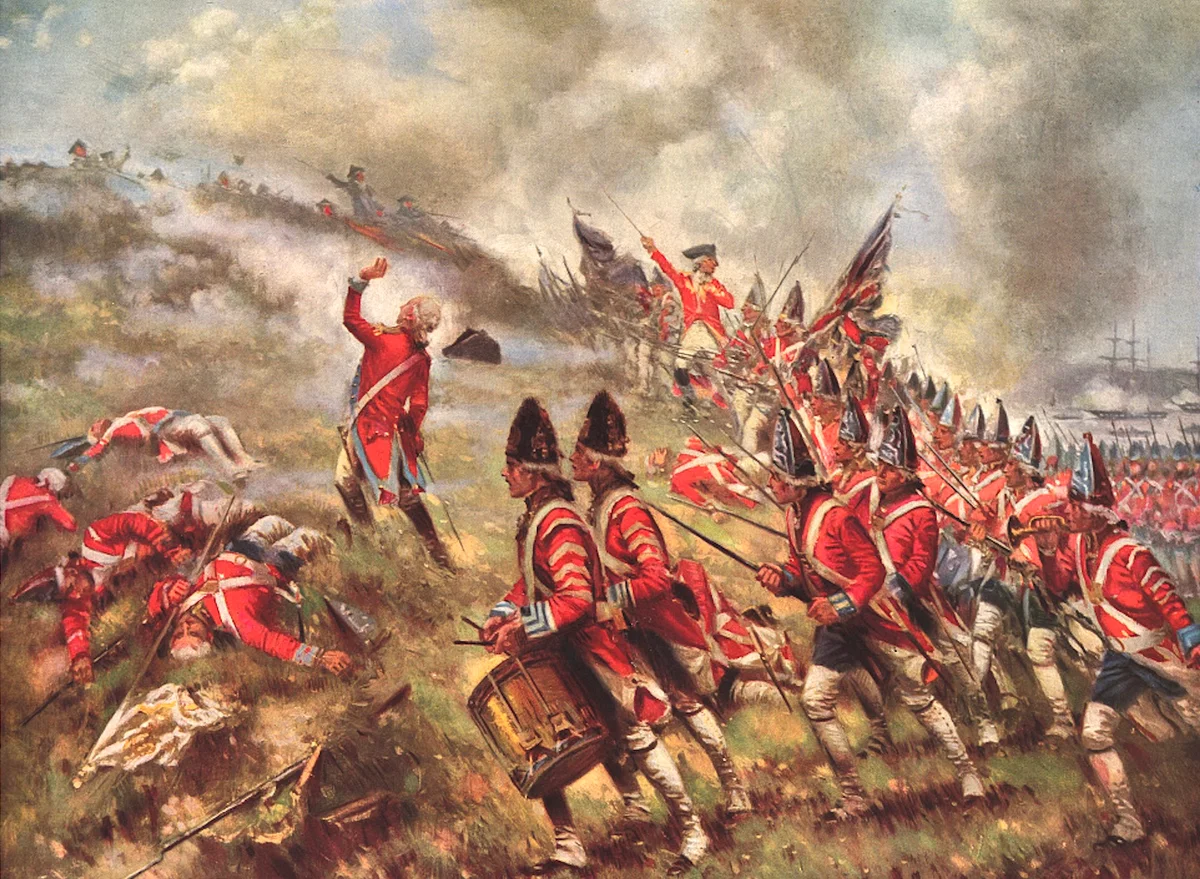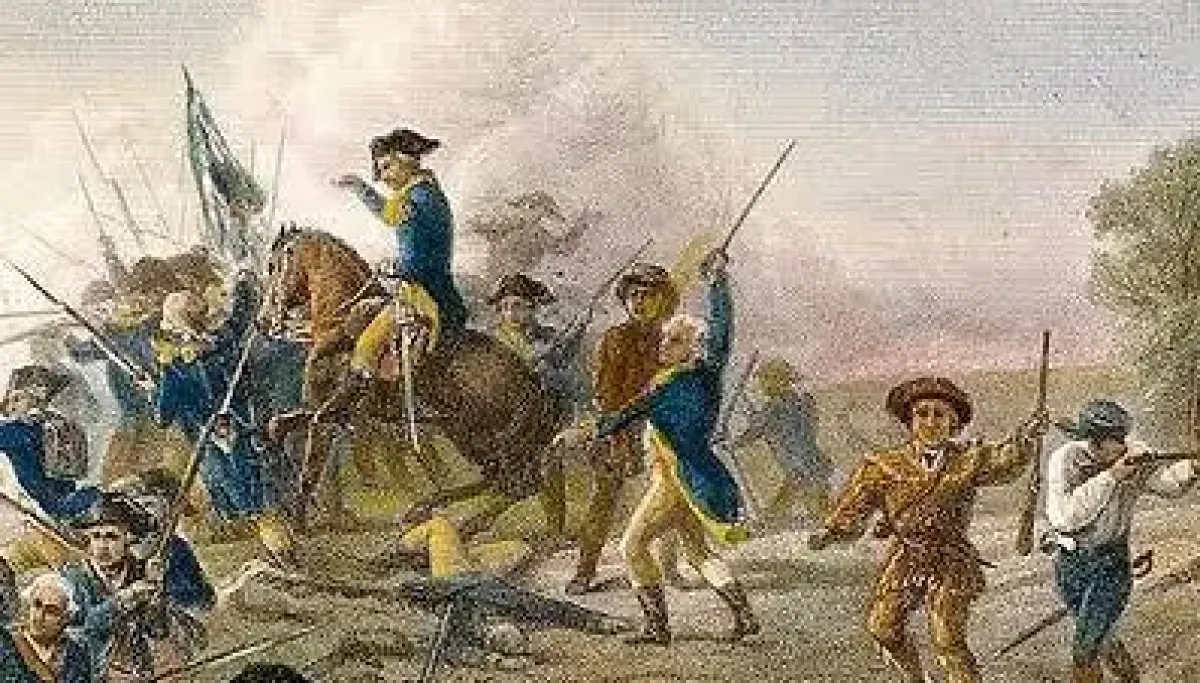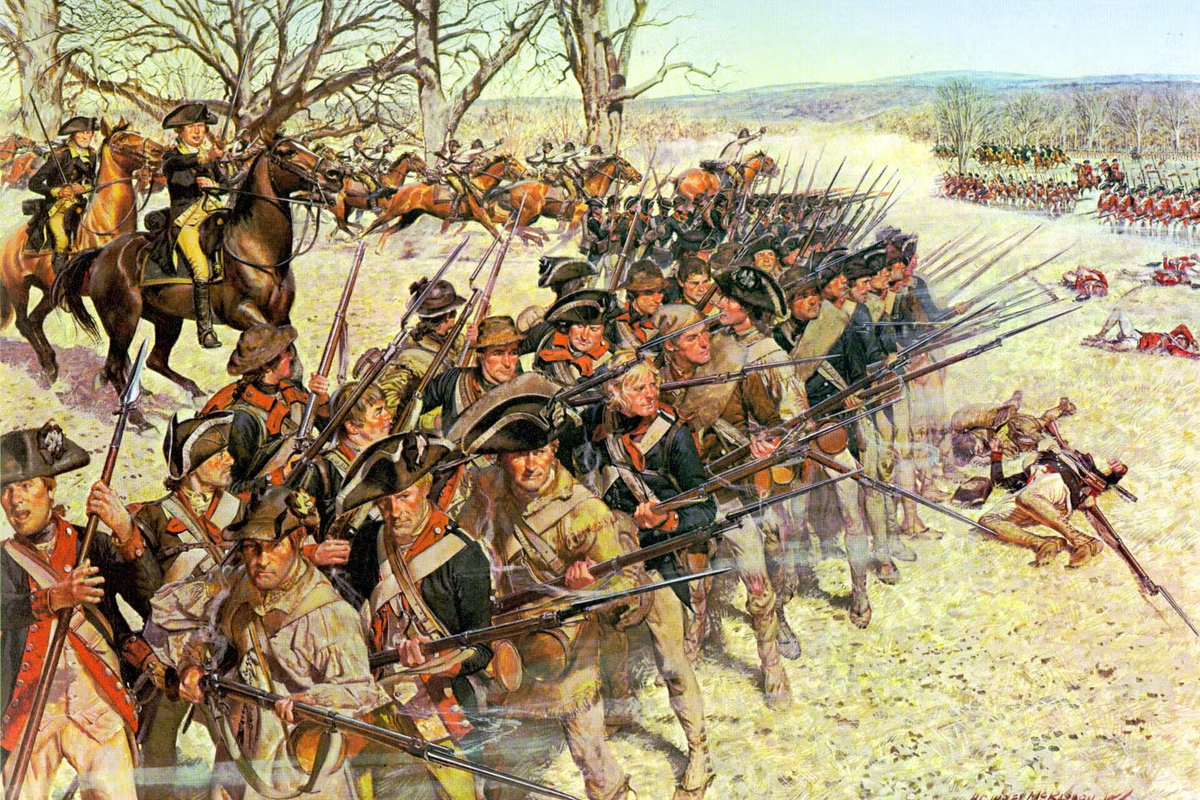
On April 19, 1775, British redcoats clashed with colonial militias and minutemen in the Massachusetts towns of Lexington and Concord, the first military conflict of the American Revolution. Two days later, news of the hostilities reached New Haven.As in towns and villages throughout the colonies, the news jolted New Haven. Yale College sophomore Ebenezer Fitch recorded the moment in his journal. “Today tidings of the battle of Lexington, which is the first engagement with the British troops, arrived at New Haven,” he wrote. “This filled the country with alarm and rendered it impossible for us to pursue our studies to any profit.”
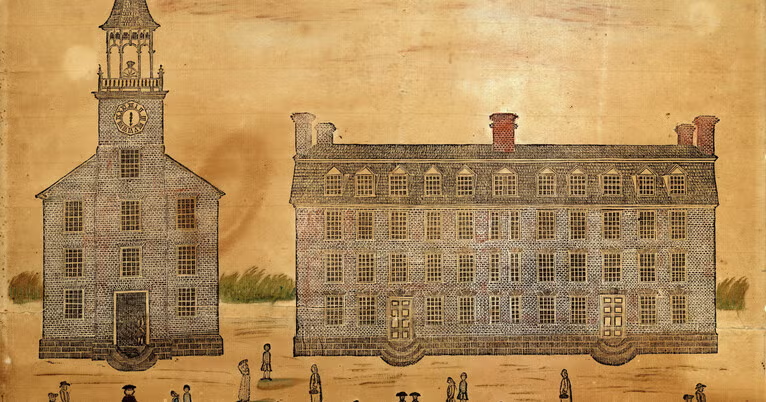
As the Revolution approached, Yale was one of just nine formally chartered colleges in the American colonies.
The sentiment was widespread across the Yale campus. A day later, classes were cancelled and students sent home two weeks before their regular spring vacation. Fitch returned to his hometown, Canterbury, in eastern Connecticut, before continuing to Boston, where the British soldiers had retreated following the April 19 skirmishes, and where patriots from across the region were now gathering on the city’s outskirts.By the time classes resumed at Yale, on May 30, the siege of Boston was underway. Indeed, Yale College continued to operate, for the most part, throughout the war, which would last until September 1783. But the revolutionary era that accelerated that spring was marked by danger, disarray, and disruption on campus. And for many Yalies, it was a time to join the patriots’ cause, and to help forge a new, independent nation. In a period when fewer than 150 students were enrolled at Yale, dozens took up arms for the new Continental Army or local militias. (These students included a future lexicographer named Noah Webster, who would later be known as “the schoolmaster of America.”) Naphtali Daggett, a staunch patriot and Yale graduate who was the college’s president at the start of the war, would himself enter the fray, with grave personal consequences.