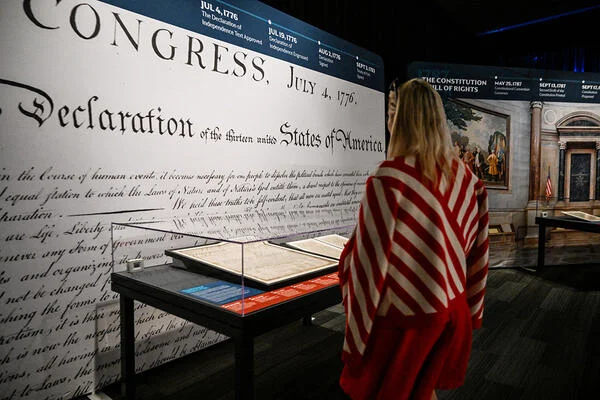
The 250th celebrations of the signing of the Declaration of Independence on campuses and in cities across the country encourage us to think more deeply about our nation’s founding. But while we reflect on independence and what it means to be “American,” it’s also kind of a weird time for history and higher ed. The tension shows up in two places this week: how the past is being interpreted and how colleges are facing historical reform.
Last March, the president signed an executive order in the service of “restoring sanity to American history.” He directed the vice president to prohibit funding for any Smithsonian exhibits or programs “that degrade shared American values.” He told the secretary of the interior to ensure all public monuments, landmarks and parks “do not contain descriptions, depictions, or other content that inappropriately disparage Americans past or living.”
A federal judge later compared the Trump administration’s efforts to “disassemble historical truths” to totalitarianism. Conservationists and historical associations, meanwhile, have been fighting to preserve the fullness of U.S. history, including stories of LGBTQ+ advocacy, slavery, Indigenous rights and civil rights. In a recent podcast conversation with me on Inside Higher Ed’s The Key, Sarah Weicksel, executive director of the American Historical Association, said the administration’s tactics omit narratives and highlight the histories of only a few. “If you leave out whole swaths of history, you are not able to effectively learn from it, and, frankly, when all is said and done, it’s pretty boring,” she said.