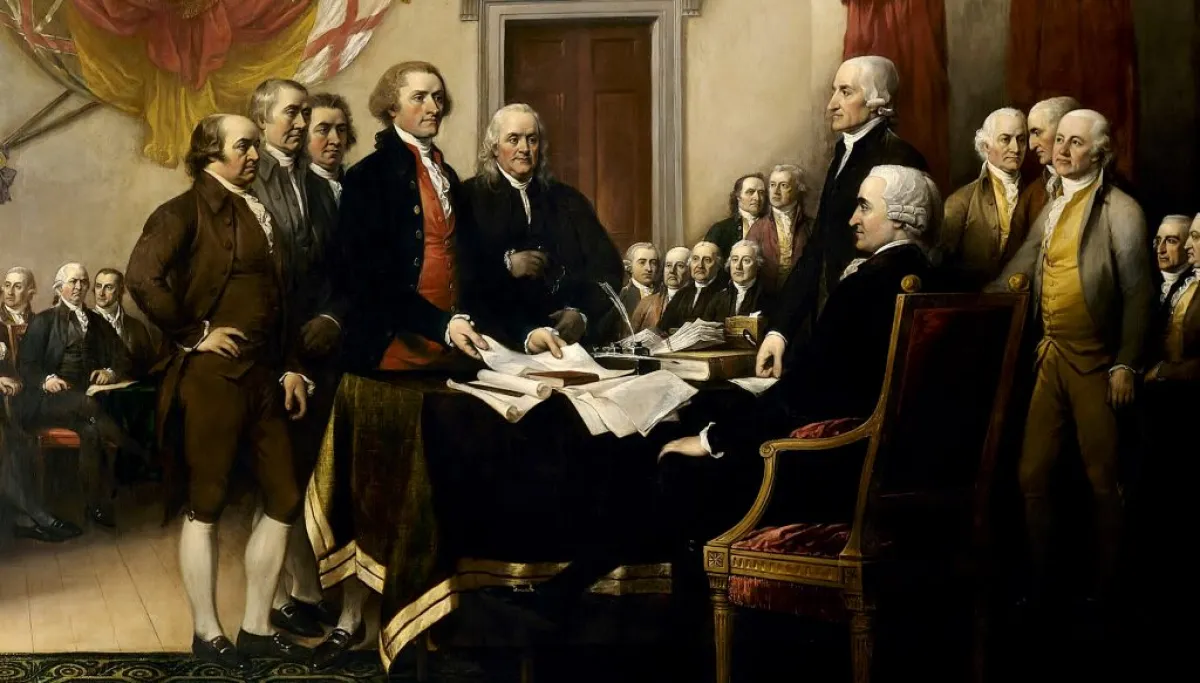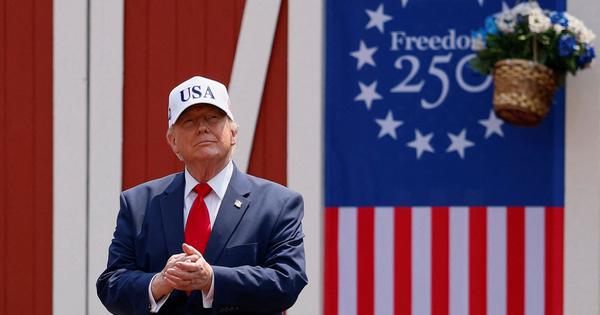
WASHINGTON—As Americans celebrate their 250th anniversary, it’s worth broadening our gaze. The nation’s birth shapes not just who Americans are but also America’s purposes in the world. The United States was founded in universal values and has tended, albeit inconsistently, to bring the ideals articulated by its founders to its foreign policy and grand strategy, including by supporting an international order that favors freedom.
That approach—linking values and interests—was a radical departure from the rule of how nations behaved. The United States has never been consistent in applying this form of American exceptionalism. And Americans have argued about it from the first, with objections and alternatives pushed from the right, left, and center. But it has deep roots.
Applicable to all
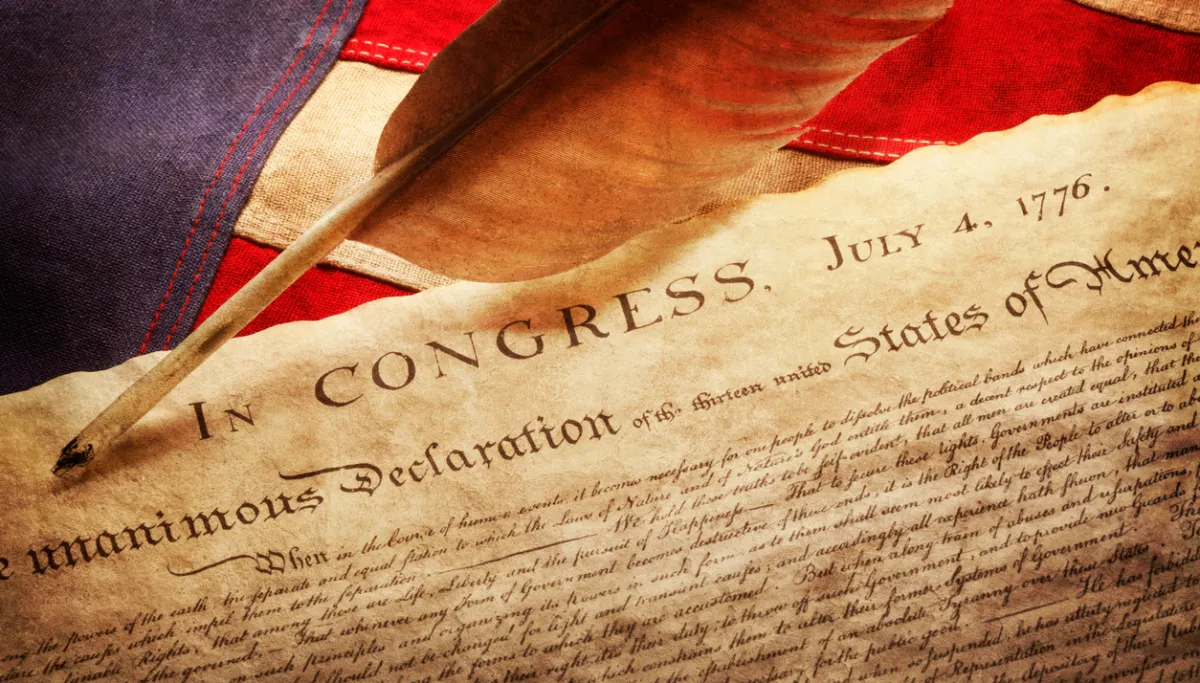
President Abraham Lincoln, for example, taught that the United States was “a new nation, conceived in liberty and dedicated to the proposition that all men are created equal.” The US, in Lincoln’s explicit view, was a nation established by belief rather than blood. Immigrants, as Abraham Lincoln argued in 1858, may have nothing in common by blood with the Americans who preceded them—and they need not, because when they discover the Declaration of Independence’s foundational statement of human equality they find “that it is the father of all moral principle in them, and that they have a right to claim it as though they were blood of the blood, and flesh of the flesh of the men who wrote that declaration, and so they are.” Moreover, Lincoln insisted that America’s founding principle is an “abstract truth applicable to all men and all times … a rebuke and a stumbling block to the very harbingers of re-appearing tyranny and oppression.” According to Lincoln, the principles that form the American nation are universal.