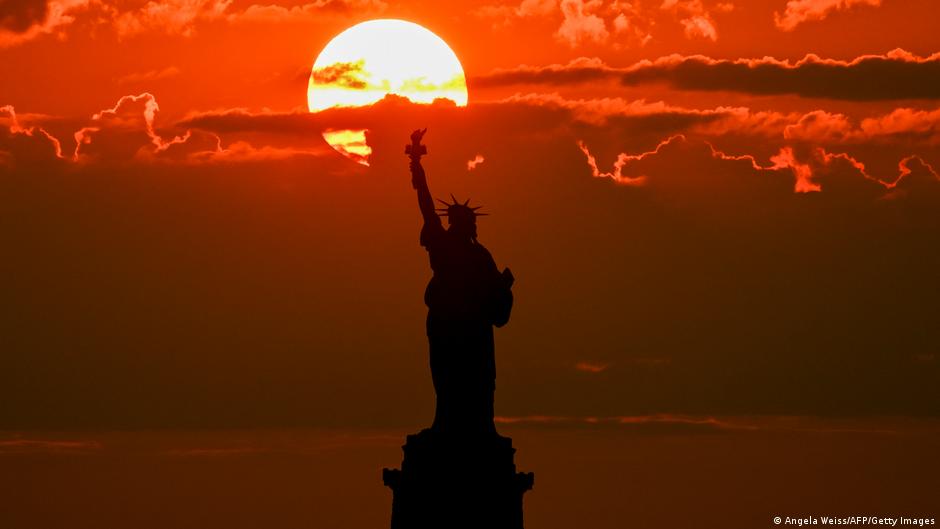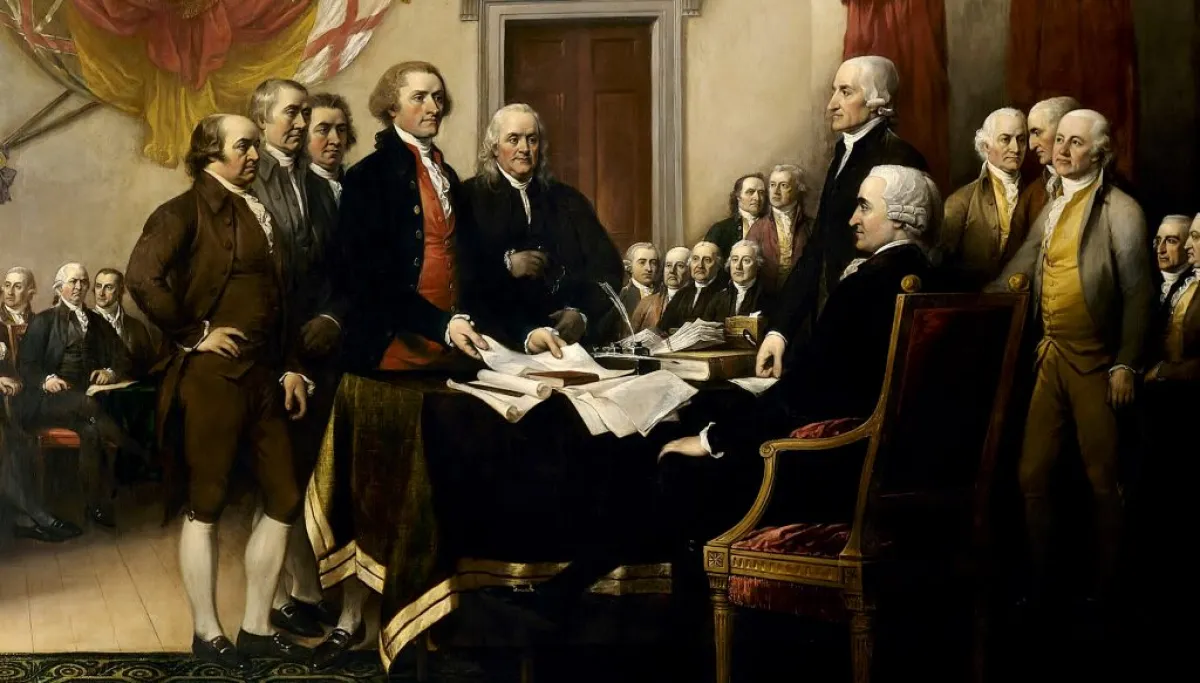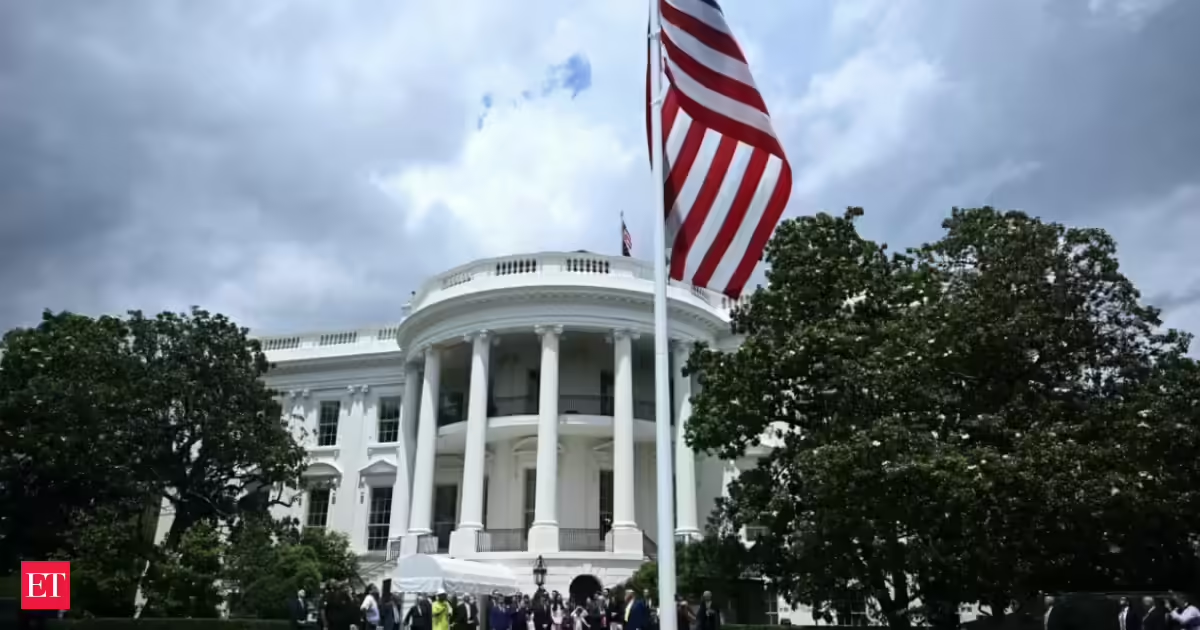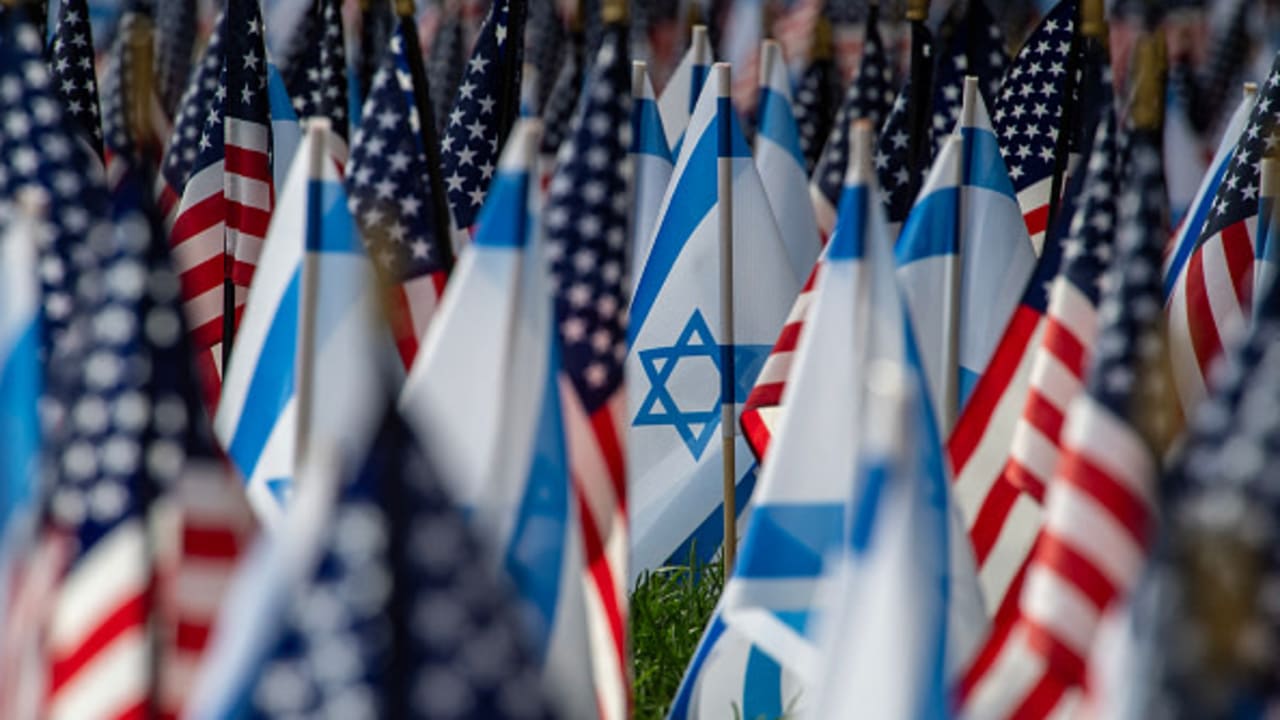
As the United States prepares to commemorate the 250th anniversary of its founding, Americans have an opportunity to revisit one of the nation’s enduring questions.
In 1852, Frederick Douglass asked whether a nation founded on liberty would extend that promise to all its people. In so doing, he criticized slavery and, importantly, challenged Americans to close the gap between the country’s ideals and its reality.
Nearly 175 years later, Douglass’s challenge remains central to the United States’ standing in the world.
US global influence has not come from military strength or economic power alone. It has also come from its credibility. That credibility has depended on whether its democratic principles are reflected in the actions of its government, its institutions, its civil society, and its citizens. The United States has not been perfect, but perfection isn’t its greatest strategic advantage. Rather, it is the US capacity for democratic renewal, the willingness to narrow the distance between its founding ideals and its national practice.
I know this not only as a former US diplomat but as a sixth-generation American and fourth-generation Texan whose family story began alongside the nation itself.