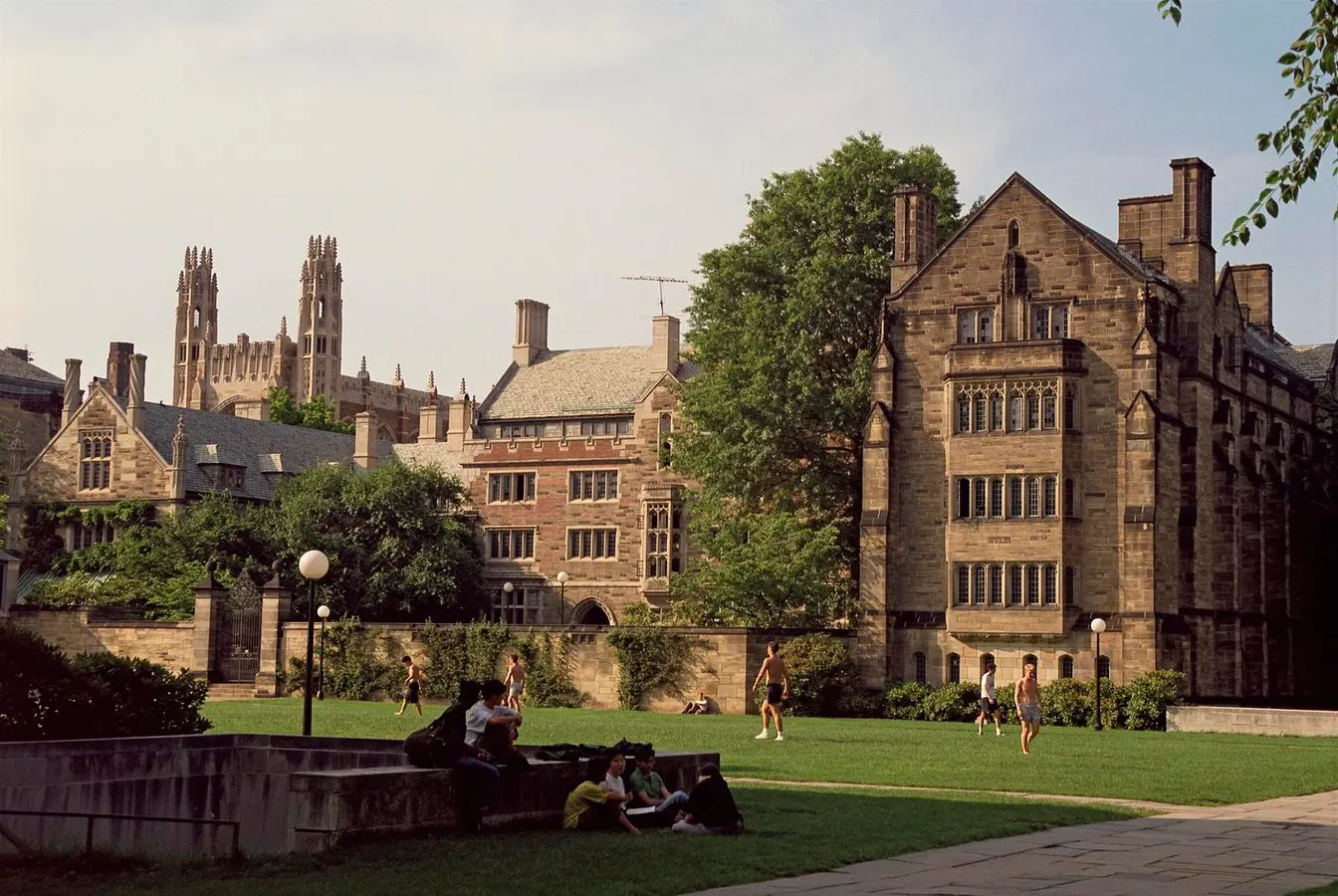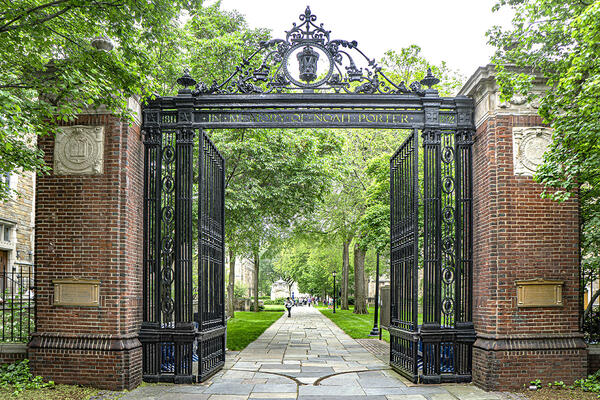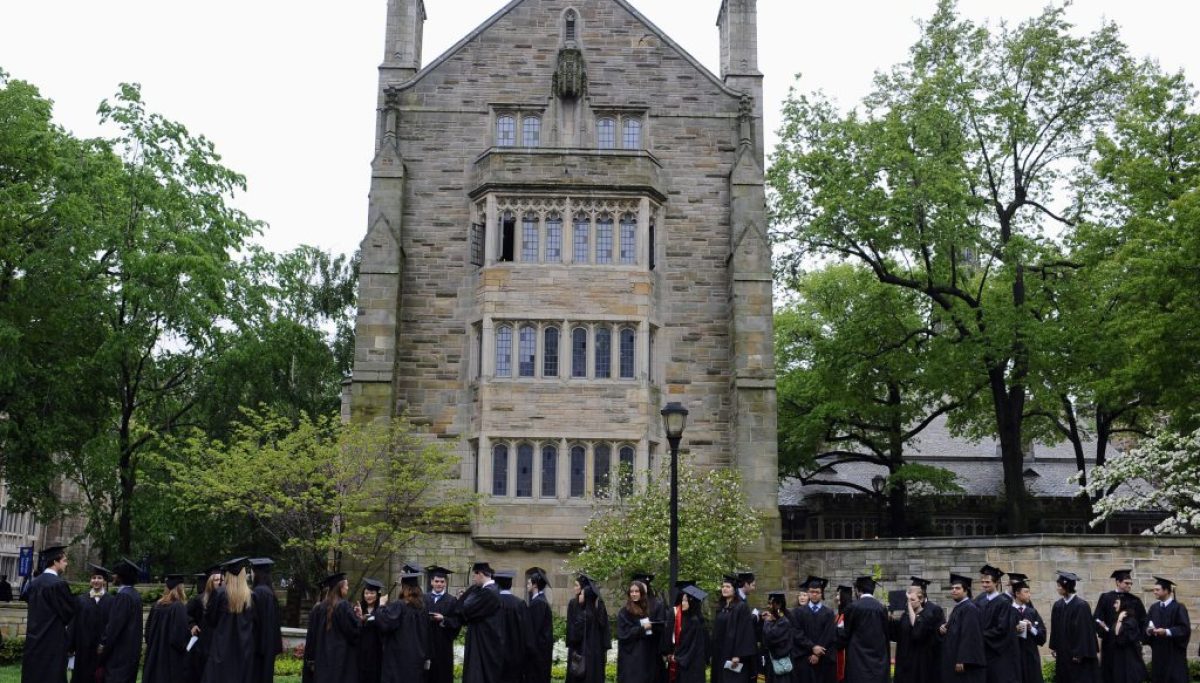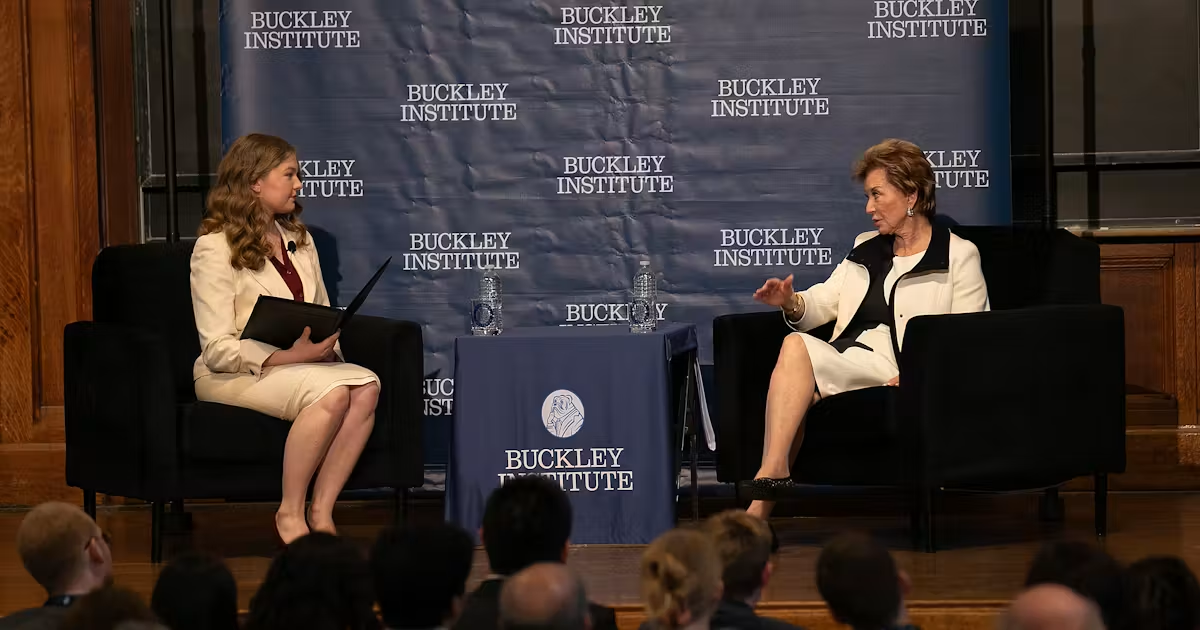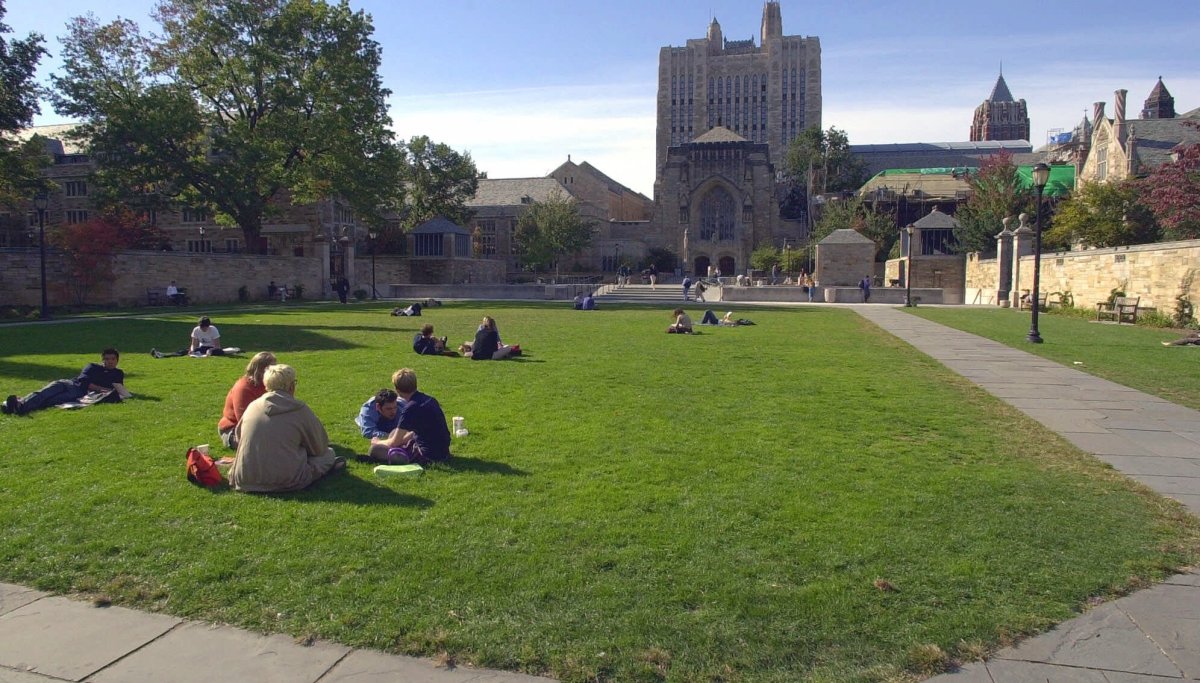
For the better part of a decade, Yale has served as a kind of national shorthand for everything contested about American higher education. The 2015 confrontation over Nicholas and Erika Christakis and a Halloween email became a parable about free expression and the emotional claims of students. The renaming of Calhoun College as Grace Hopper College, and the quiet retirement of the title “master” in favor of “head of college,” became set pieces in the long argument over historical memory and institutional conscience. Most recently, Yale’s own Committee on Trust in Higher Education has tried to reckon, in 20 earnest recommendations, with why so many Americans have lost confidence in places like Yale at all.The point is not to relitigate any of these episodes. The point is that Yale became, over those years, a symbol of higher education’s struggle to define itself in an age of collapsing public confidence. Yale is now trying to understand how institutions regain trust.The Buckley Institute offers one answer: Build something students freely choose, adjacent to campus, year after year, even when the surrounding culture gives them every reason not to. While the country argued about Yale’s controversies, that quieter Yale story was unfolding a few blocks away, and few outside New Haven noticed.
Conservatives didn't disappear from Yale. They organized
Yale's Buckley Institute shows the power of creating institutions that last because people want to be part of them.
1,251 words~6 min read