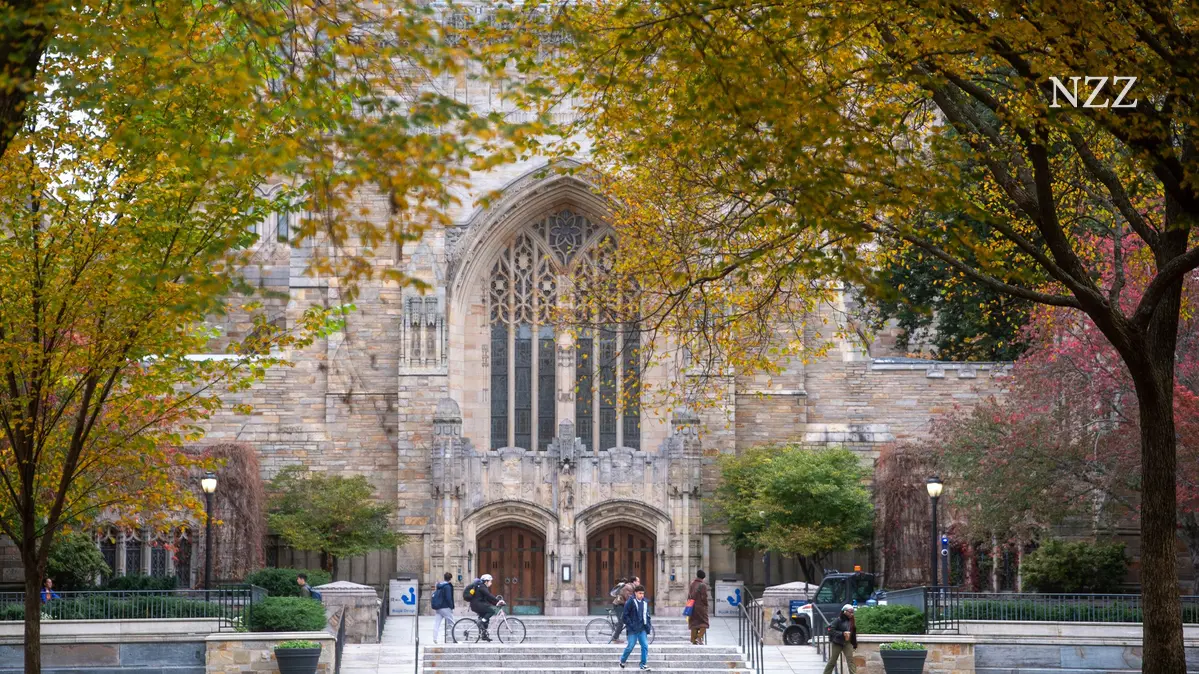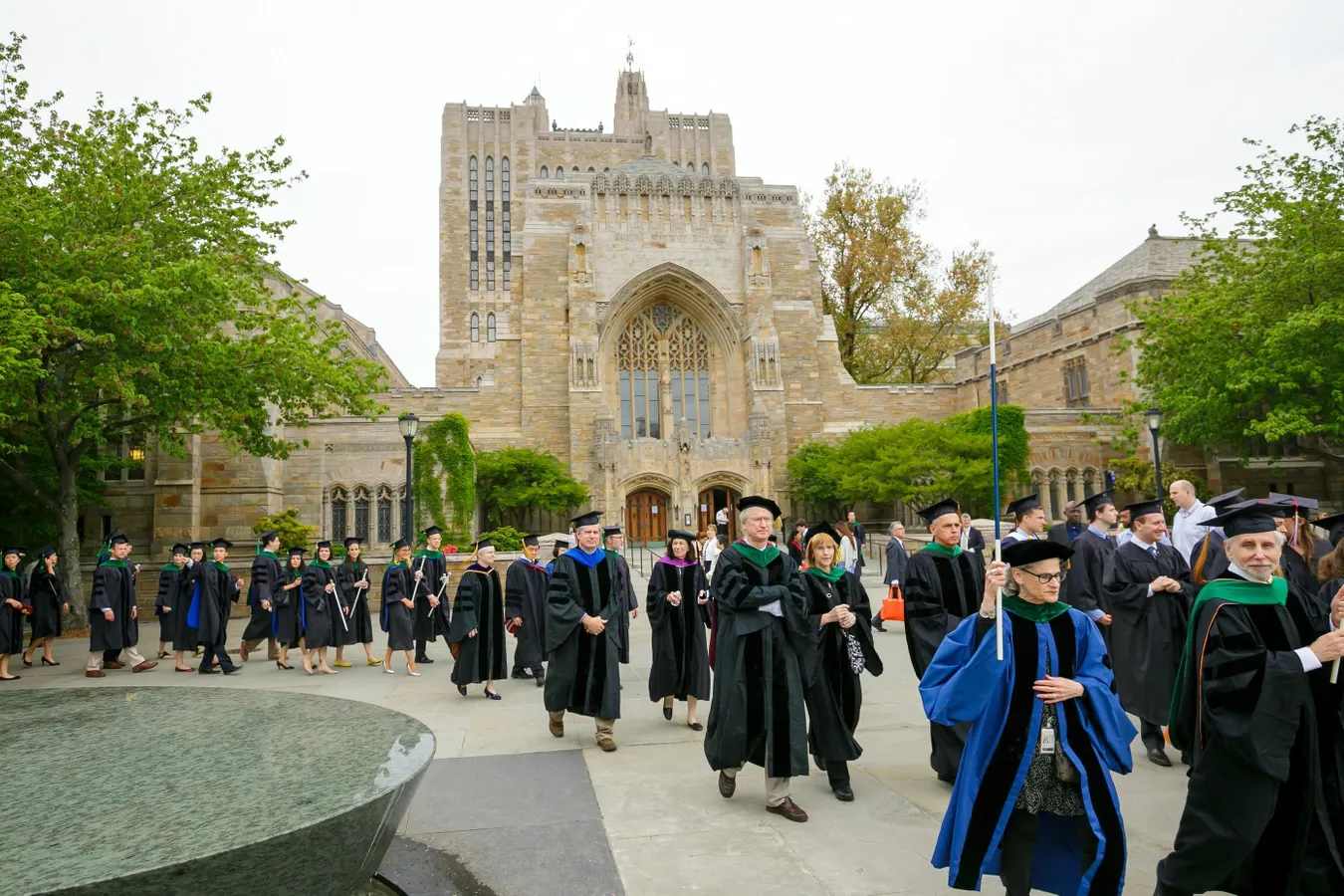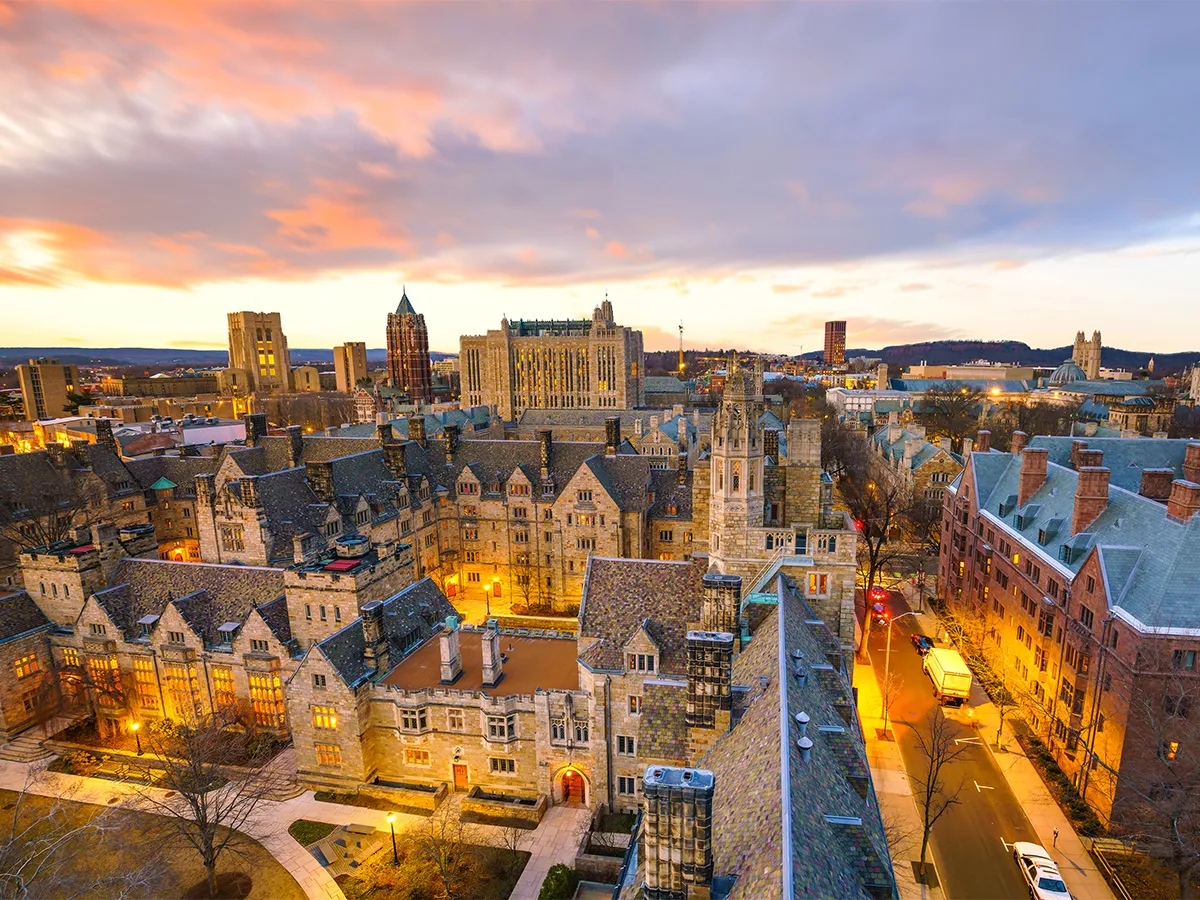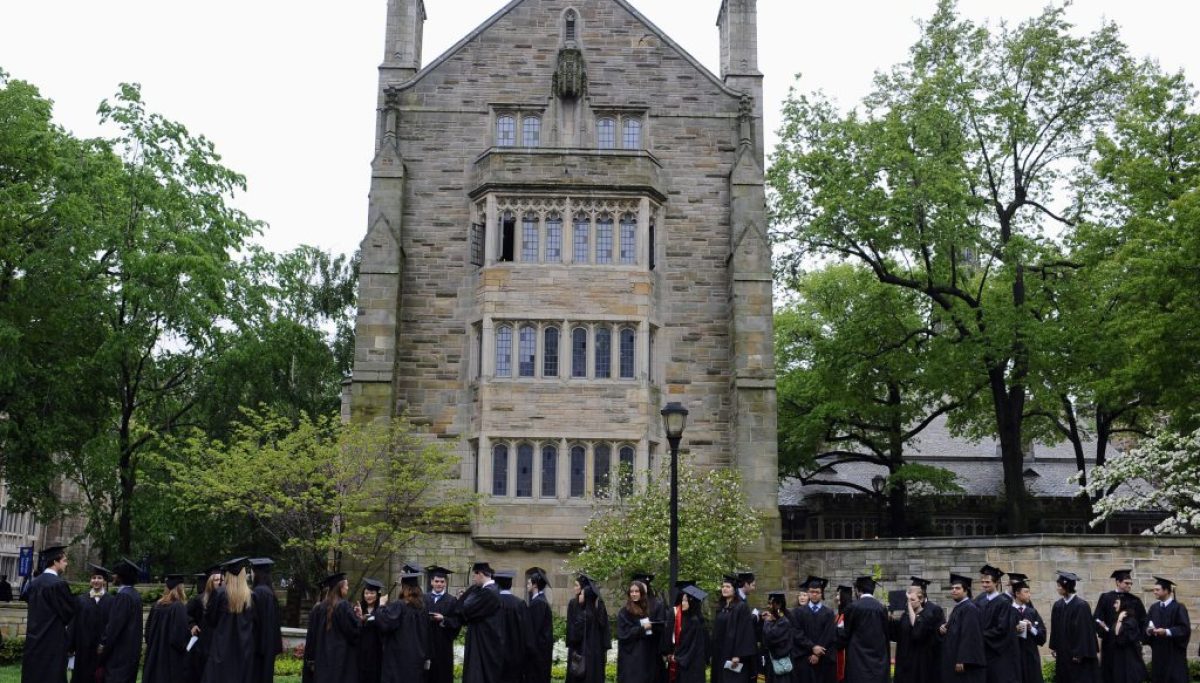
Forget “what happens in Vegas, stays in Vegas.” In higher education, what happens at Yale, stays at Yale.This spring, the Ivy League school made waves by issuing a report on “trust in higher education.” The faculty-led review was unsparing, finding that Yale had acceded to “pressures toward conformity, intimidation, and social shaming.” The report urged every department to confront its “intellectual and methodological commitments,” the “range of scholarly approaches represented on its faculty,” and “the diversity of perspectives in its curriculum.” The authors also urged Yale to gauge whether the school is willing to hire and admit people with “dissenting or underrepresented traditions.”For academics, this language is a searing indictment — one that applies to virtually every college in America. Such refreshing honesty gave outside observers hope that higher education is on the verge of rediscovering ideological diversity and vigorous debate, foundational elements to a college education.
But a May 5 faculty meeting at Bucknell University, a well-regarded school in central Pennsylvania that’s emblematic of the broader collegiate landscape, poured cold water on that dream. The meeting was attended by about 200 professors, including Fr. Paul Siewers, an associate professor of English literary studies and my co-teacher in a course on the history of conservative thought. Prior to the meeting, Fr. Siewers had submitted a motion for consideration by the faculty — a proposal that ought to be utterly unobjectionable.