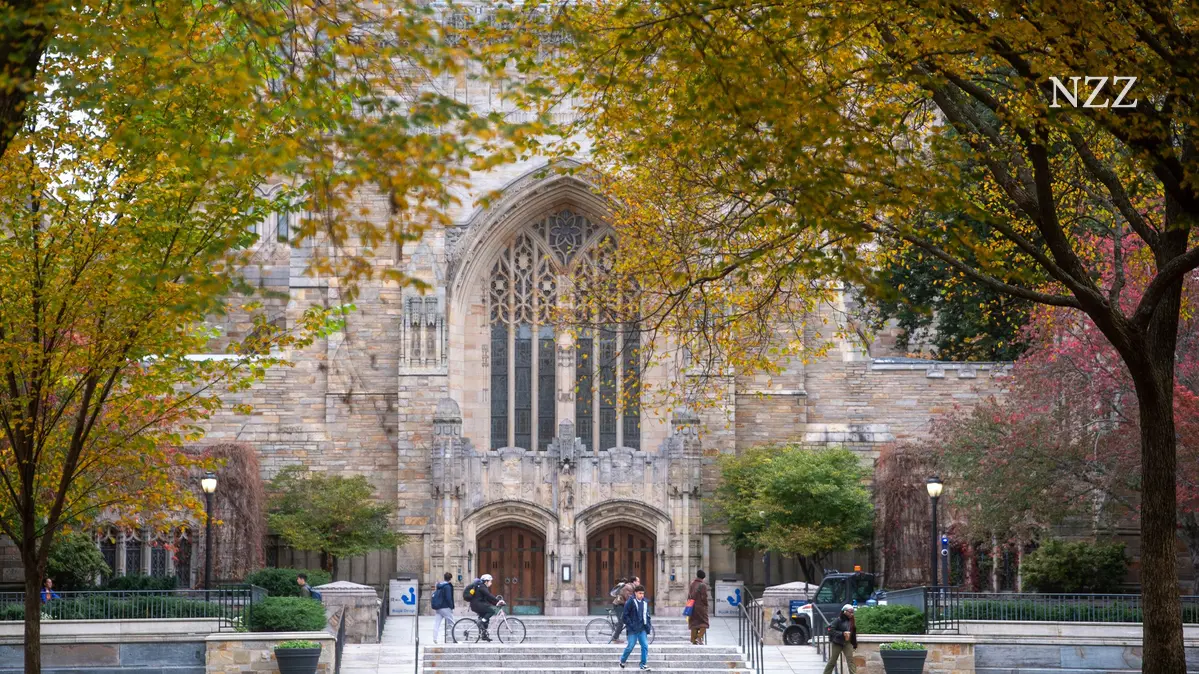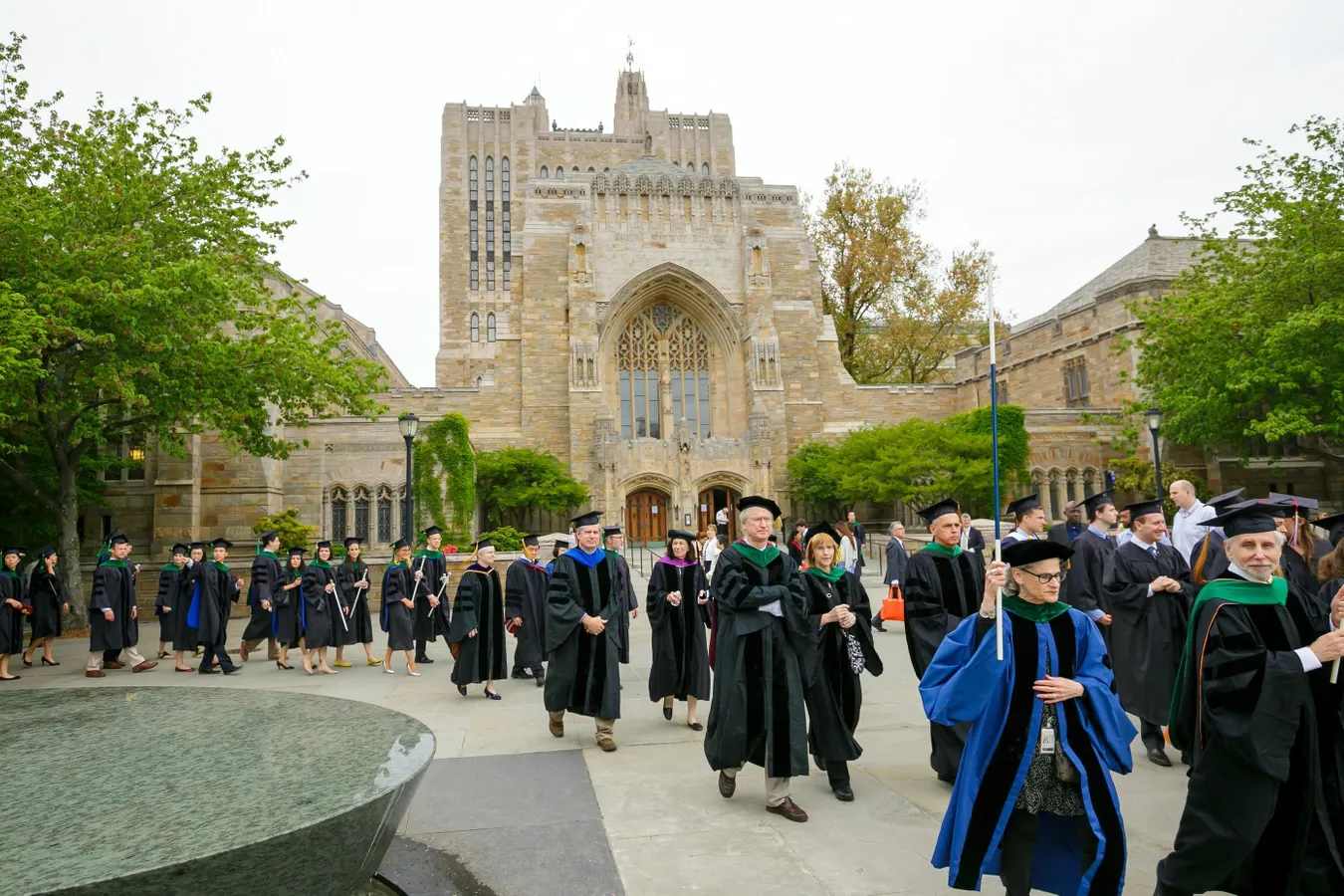
Skip to Content Subscribe Our Offers My Account Manage My Subscriptions FAQ Newsletters Canada Canadian True Crime Canadian Politics Health World Israel & Middle East Financial Post NP Comment Longreads Puzzmo Diversions Comics NP News Quiz New York Times Crossword Horoscopes Life Eating & Drinking Style Sponsored Play for Ontario Travel Travel Canada Travel USA Travel International Cruises Travel Essentials Culture Books Celebrity Movies Music Theatre Television Business Essentials Advice Lives Told Tails Told Shopping Buy Canadian Home Living Outdoor Living Tech Style & Beauty Kitchen & Dining Personal Care Entertainment & Hobbies Gift Guide Travel Guide Deals Savings National Post Store More Sports Hockey Baseball Basketball Football Soccer Golf Tennis Driving Vehicle Research Reviews News Gear Guide Obituaries Place an Obituary Place an In Memoriam Classifieds Place an Ad Celebrations Working Business Ads Archives Healthing Epaper Manage Print Subscription Profile Settings My Subscriptions Saved Articles My Offers Newsletters Customer Service FAQ Newsletters Canada World Financial Post NP Comment Longreads Puzzmo Diversions Life Shopping Epaper Manage Print Subscription HomeNP CommentPeter MacKinnon: Yale report on declining trust in higher education should be read'The the issue of declining trust is real, urgent and must be addressed,' faculty report saysLast updated 5 minutes ago You can save this article by registering for free here. Or sign-in if you have an account."We must be willing to admit where we have been wrong, and where we might improve,” states a Yale faculty committee report examining reasons for declining trust in institutions of higher education. Photo by Getty Images / iStockYale is among America’s — and the world’s — finest universities, and we should take note when its president identifies a problem of declining trust in higher education and commissions a faculty committee to examine the problem.Enjoy the latest local, national and international news.Exclusive articles by Conrad Black, Barbara Kay and others. Plus, special edition NP Platformed and First Reading newsletters and virtual events.Unlimited online access to National Post.National Post ePaper, an electronic replica of the print edition to view on any device, share and comment on.Daily puzzles including the New York Times Crossword.Support local journalism.Enjoy the latest local, national and international news.Exclusive articles by Conrad Black, Barbara Kay and others. Plus, special edition NP Platformed and First Reading newsletters and virtual events.Unlimited online access to National Post.National Post ePaper, an electronic replica of the print edition to view on any device, share and comment on.Daily puzzles including the New York Times Crossword.Support local journalism.Create an account or sign in to continue with your reading experience.Access articles from across Canada with one account.Share your thoughts and join the conversation in the comments.Enjoy additional articles per month.Get email updates from your favourite authors.Create an account or sign in to continue with your reading experience.Access articles from across Canada with one accountShare your thoughts and join the conversation in the commentsEnjoy additional articles per monthGet email updates from your favourite authorsSign In or Create an AccountorThe Committee on Trust in Higher Education submitted its findings and recommendations, which committee members supported unanimously, on April 10. The committee’s report declared that “the issue of declining trust is real, urgent and must be addressed” and identified several reasons for the decline at Yale and other universities. The reasons will not come as a surprise to careful observers of these institutions: the cost of higher education, generally but particularly at Ivy League and private schools, is widely seen as too high; admissions without transparency and often driven by non-academic criteria (read identity, athleticism, family connections and money); pressures toward conformity, intimidation and social shaming; self-censorship; and ideological echo chambers resulting from homogeneity — on the left — in the professoriate. Smart phones and social media contribute to the problems, devaluing the classroom.The committee also cited a challenge to Yale’s governance model which, in recent decades, “has come under strain from the growth of non-academic administrative functions across the university.” Canadian universities can relate; they have administrators and supports that outnumber academic personnel, sometimes by multiples.This newsletter from NP Comment tackles the topics you care about. (Subscriber-exclusive edition on Fridays)By signing up you consent to receive the above newsletter from Postmedia Network Inc.We encountered an issue signing you up. Please try againThere are differences between U.S. and Canadian universities (for example, cost) but the similarities between the Yale list and issues on our campuses are notable. What is more troubling, in Canada, is the lack of acknowledgment that we have similar problems and the relative absence of public debate on them. This makes the Yale report all the more important for people in both countries.Among its recommendations:• The committee begins with a shift in attitude: “We must be willing to admit where we have been wrong, and where we might improve,” and must focus on “what makes a university a university” as expressed in Yale’s historical mission “to create, disseminate and preserve knowledge through research and teaching.” That is the mission; it does not include institutional pursuit of social justice, cancel culture, decolonization, or recruitment of faculty and students according to race, colour, gender, or sexual orientation.• Free speech must be treated as a first principle. “It includes the right of invited speakers, of any political or intellectual persuasion, to speak unimpeded on campus. It also affirms the right of students, faculty, and other members of the community to engage in peaceful protest, debate and exchange, though not to disrupt events, shout down speakers or block access to buildings.”• Support for academic freedom, the “scholarly bedrock of any excellent university,” must also be prioritized.• Higher education must be made affordable.• Undergraduate admissions must be reformed: “We recommend that the university embrace a standard of candour; it should only use criteria for admission that it is willing to describe publicly and defend openly. The top priority in admissions decisions should be academic achievement.”• The committee further recommended “that Yale undertake a multi-pronged series of initiatives and experiments with the goal of enhancing open and critical debate on campus.” It emphasized the importance of open minds: “Great teaching and scholarship require contestation.” As John Stuart Mill reminded us, “it is only by the collision of adverse opinions” that truth can be found.There are other recommendations but the ones above convey the flavour of the report and point to the need for comprehensive reform. Canadian universities should follow suit and commit to a new charter based on the Yale report and its full recommendations.National PostPeter MacKinnon is an Officer of the Order of Canada, a King’s Counsel, and a former president of three universities. Join the Conversation This website uses cookies to personalize your content (including ads), and allows us to analyze our traffic. Read more about cookies here. By continuing to use our site, you agree to our Terms of Use and Privacy Policy.
Peter MacKinnon: Yale report on declining trust in higher education should be read
'The the issue of declining trust is real, urgent and must be addressed,' faculty report says
1,130 words~5 min read