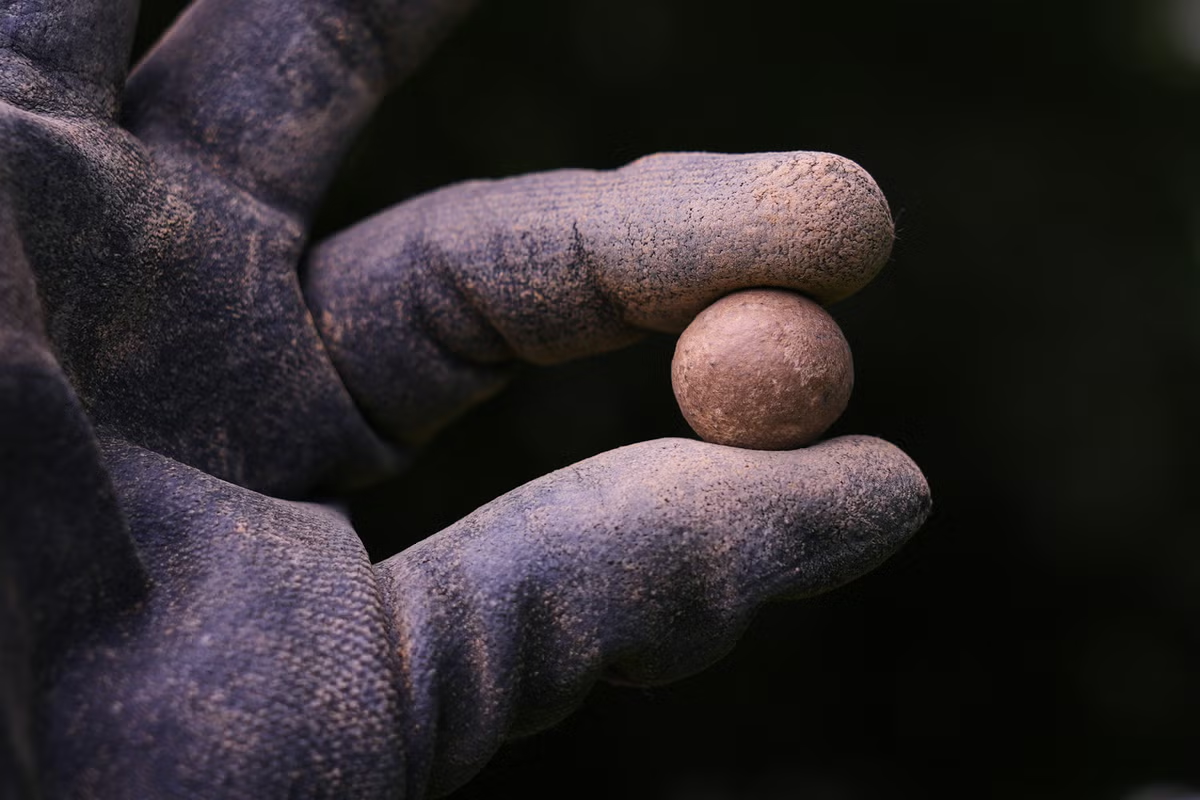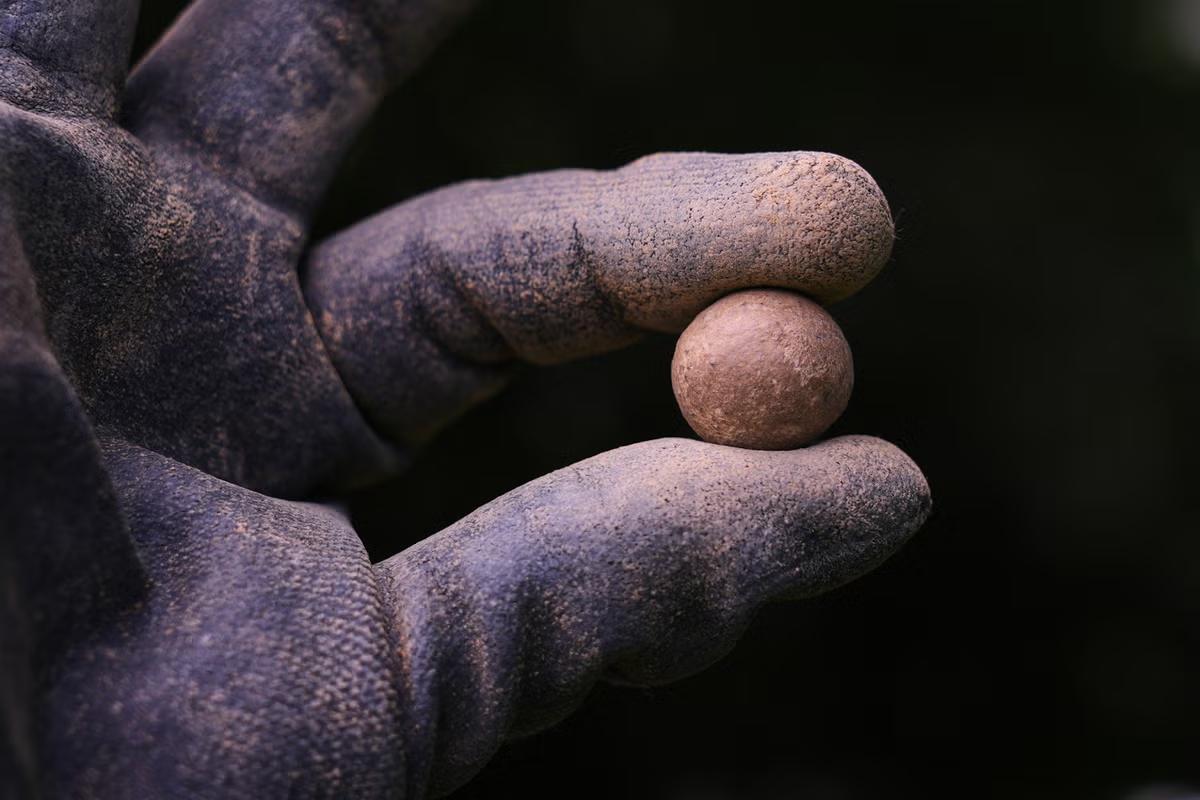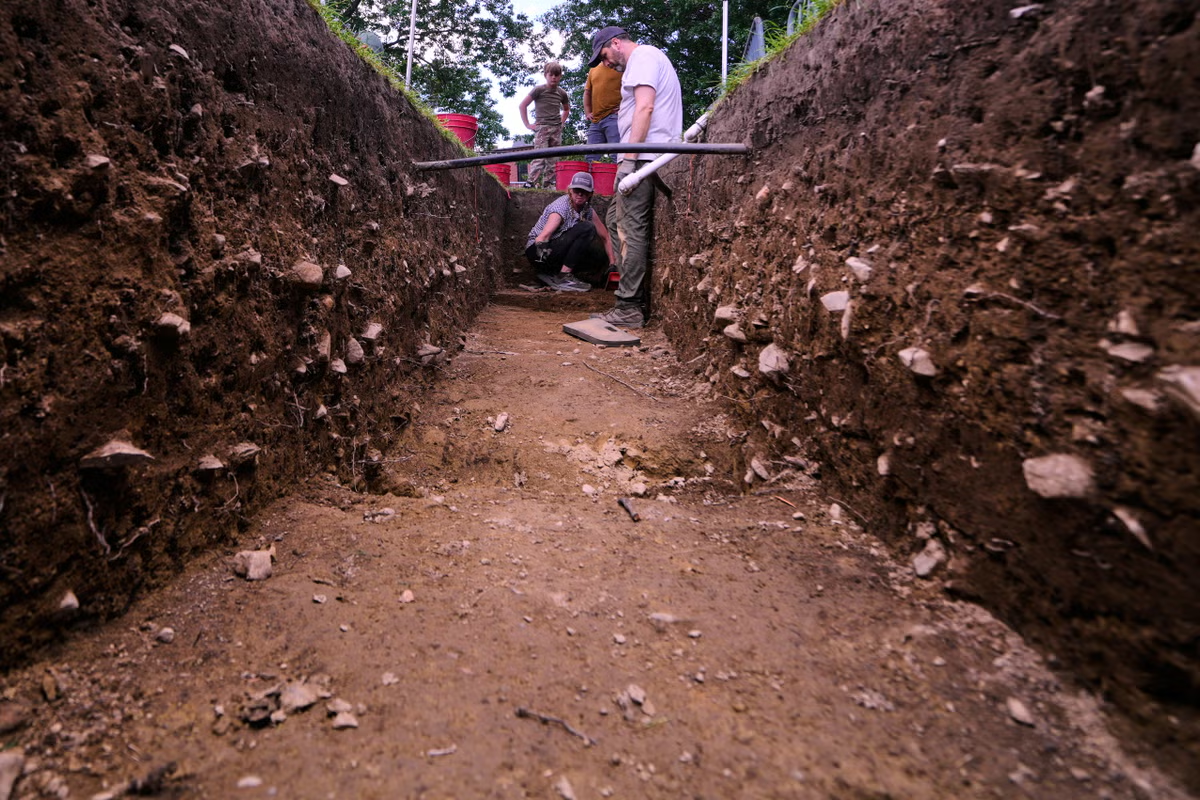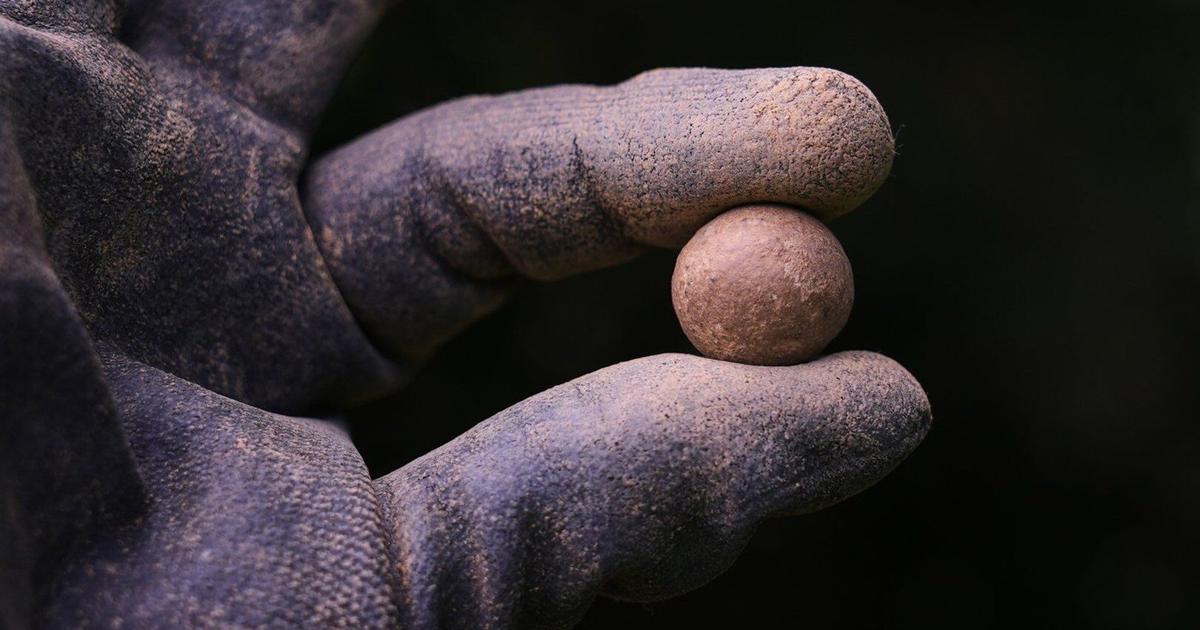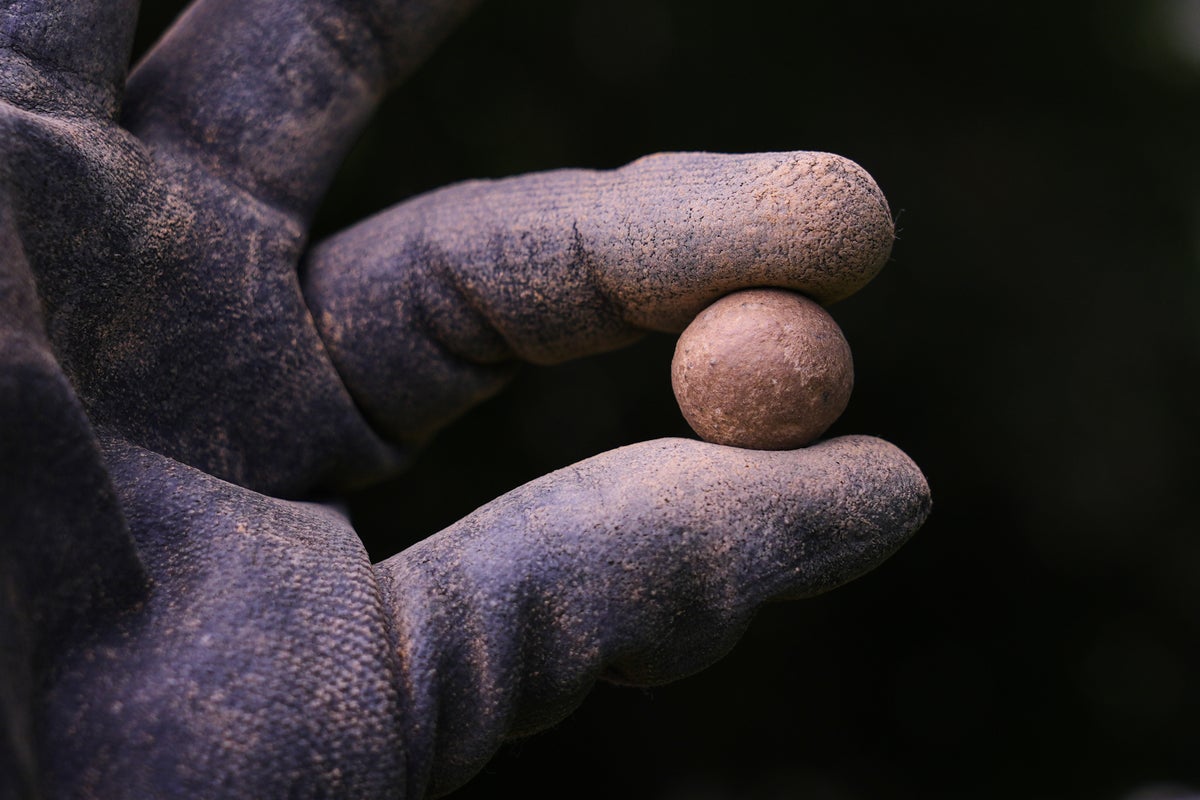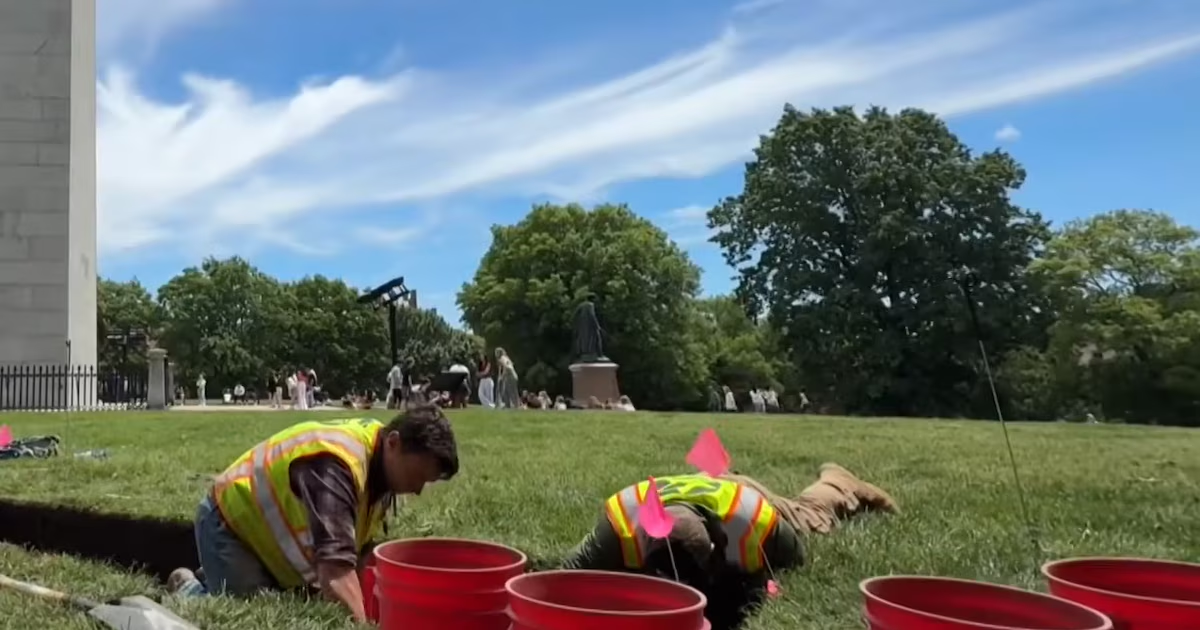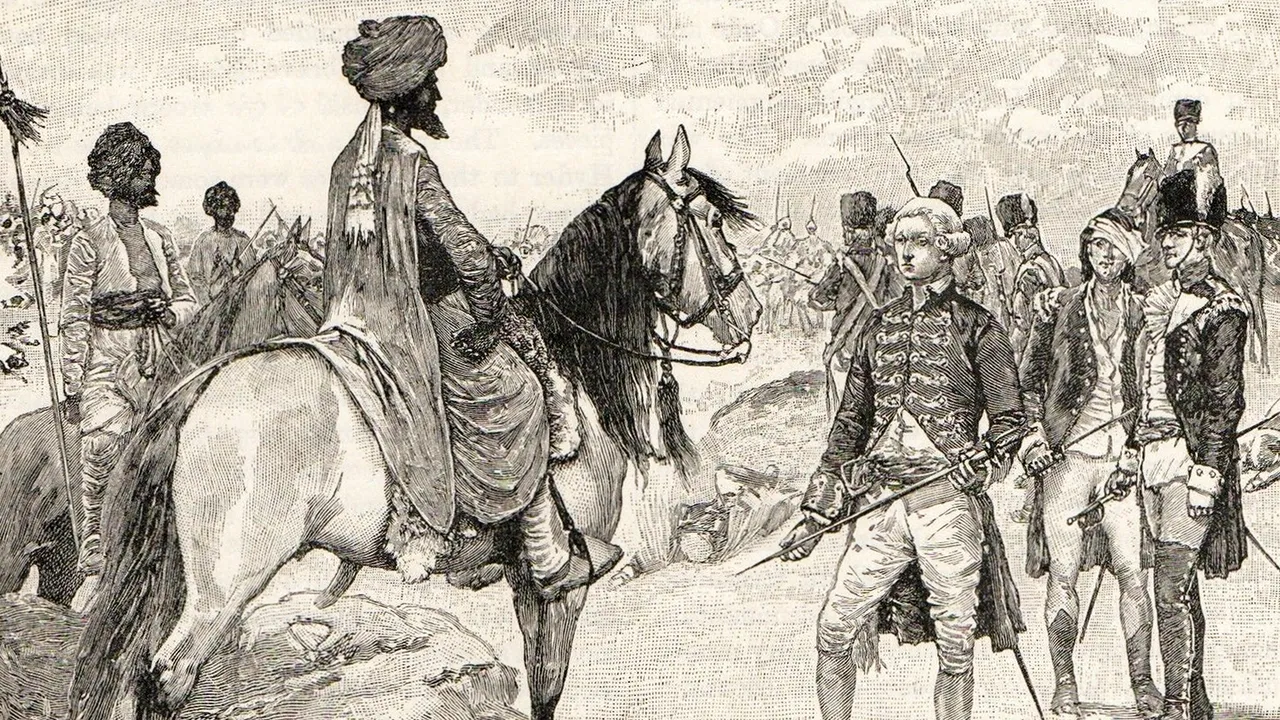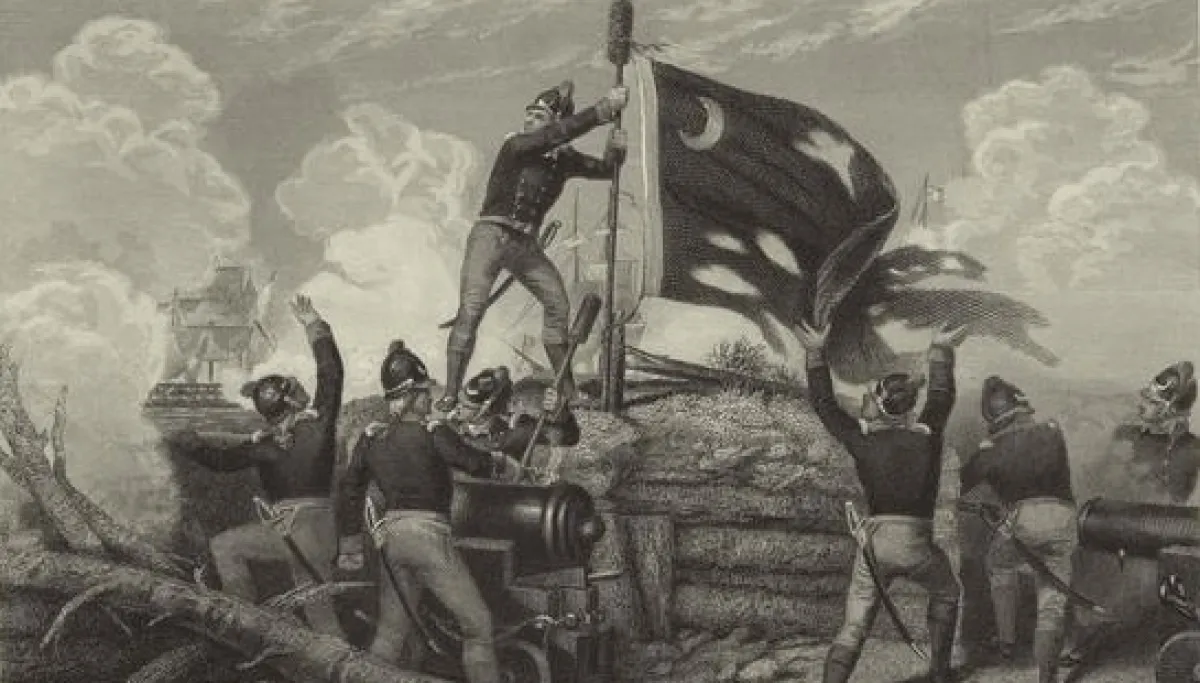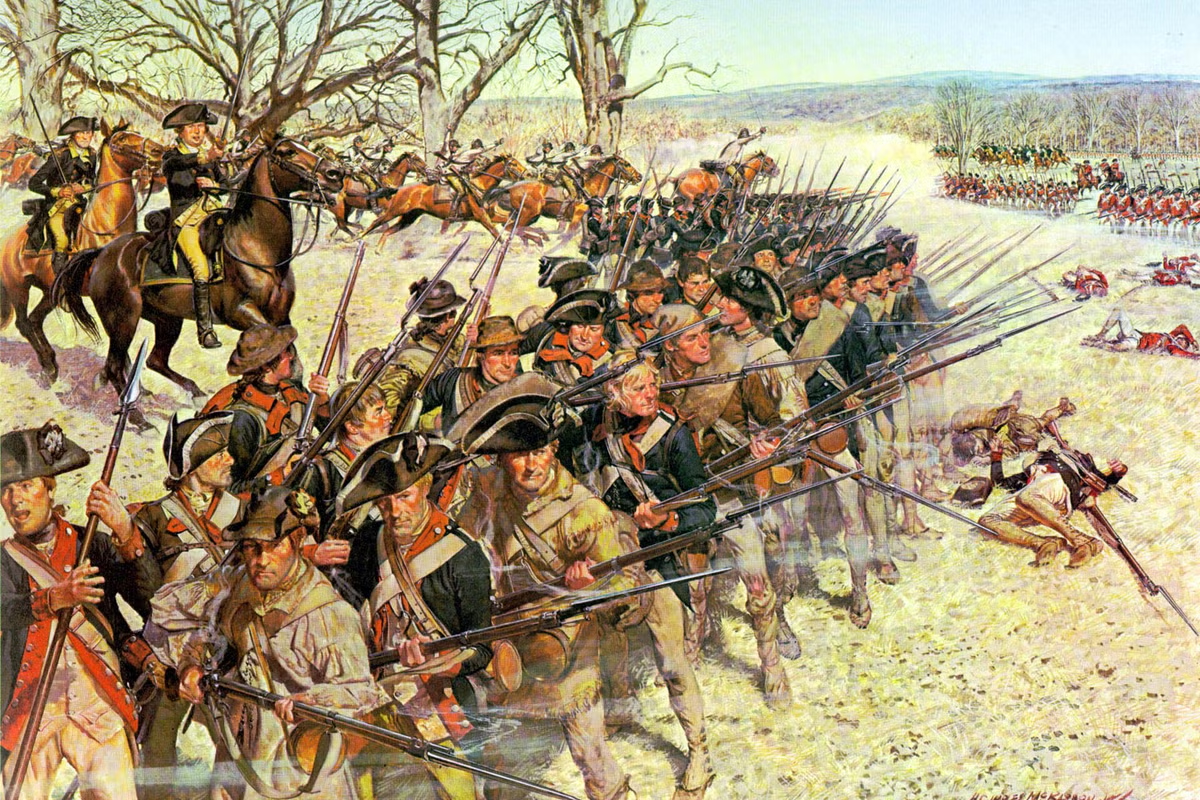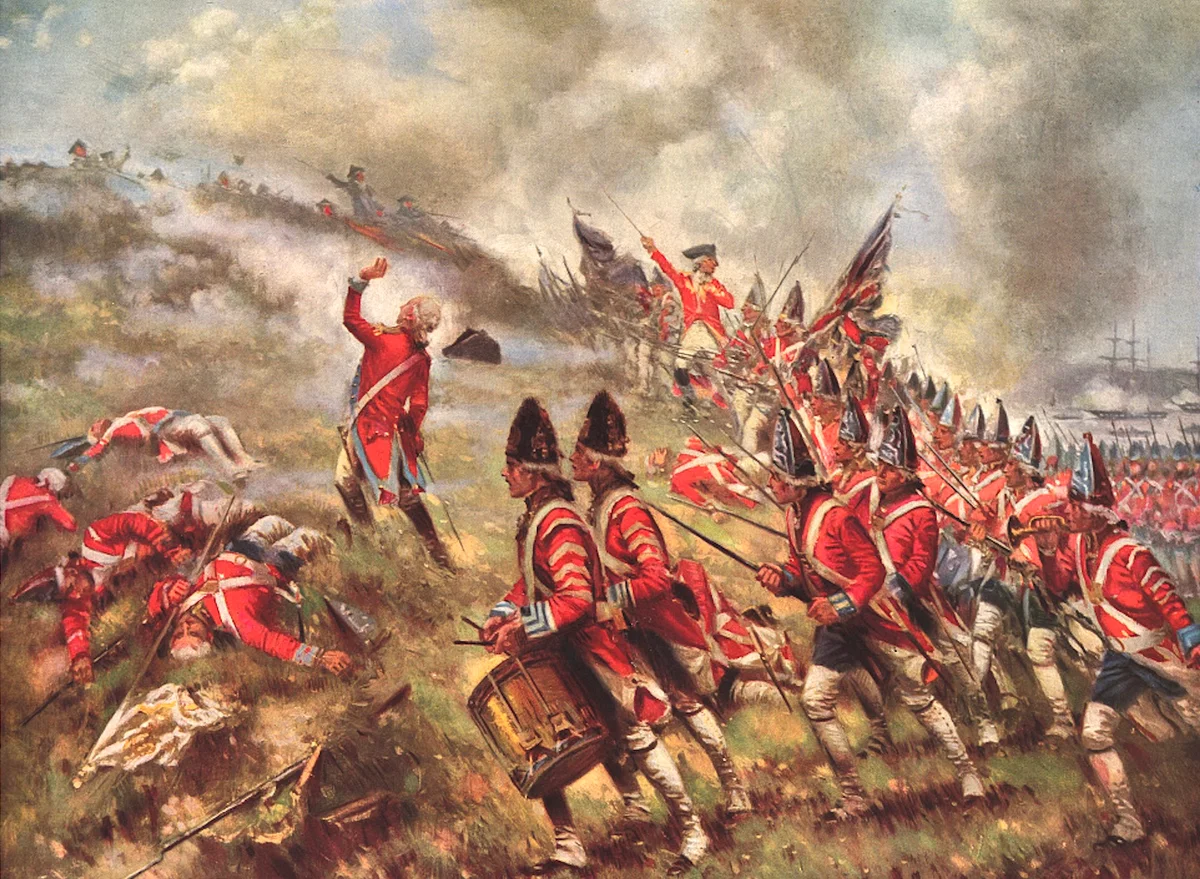
On June 17, 1775, some 1,000 rebel colonial troops faced down the British war machine on a hill on a peninsula north of Boston, allegedly conserving scarce ammunition by waiting to fire until they could see the whites of the redcoats’ eyes.The Battle of Bunker Hill, as it became famously—albeit misleadingly—known, happened as the revolutionaries were looking to keep British troops contained in the city and had scrambled to fortify its surroundings. Though the British ultimately won the battle, but they suffered heavy losses, leaving George Washington time to eventually roust them from the region the next spring.Though the battle became part of Revolutionary War lore, being widely known is no guarantee of being fully understood. That’s why archaeologists decided to celebrate America’s 250th anniversary with a new excavation at the battle site using much more detailed radar scans than were available during a previous survey in the 1990s. The dig focused on the “Rebel Redoubt” fortification patriots had constructed on Breed’s Hill—the actual site of the Battle of Bunker Hill. Scientific American spoke to Joe Bagley, Boston’s city archaeologist, about what the team found.On supporting science journalismIf you're enjoying this article, consider supporting our award-winning journalism by subscribing. By purchasing a subscription you are helping to ensure the future of impactful stories about the discoveries and ideas shaping our world today.[This interview was edited for length and clarity.]What did you find at the site? Was there anything particularly exciting?From the actual battle itself, we found seven musket balls and three gunflints. The gunflints could have been from either side, because they used the same gunflints. The musket balls are both provincial (or the American side) and British, based on their size. We have an expert that’s going to be studying them each very carefully and give us a full report of who shot it, what happened, how was it fired, what did it hit—that kind of thing. We’ll have an exact accounting of all of that.The other thing that was really exciting was that we started to find a lot of tea ware, such as broken teacups and bowls—things that would be in a dining set, a fairly fancy one. We found wig curlers—which would have been a men’s object—and really fancy buttons. So there’s all this really nice stuff. From the June battle through March the following year there were about a hundred soldiers and six officers stationed at the redoubt, so it looks like we’re finding stuff from them. Were they taken from nearby houses? Were they brought overseas with the troops? That’s some of the research that we still need to do.There’s a lot more stuff on the site than we were really expecting, and our job is now going to be going through all of it. We have to wash it, we have to sort it, we have to catalog it, and then we have to figure out what it says about the site. That’s going to be a minute to go through.What big questions about the battle were you hoping the dig could shed light on?One of the big questions that we have is basically: How structured was the effort going into the battle from the folks that were organizing what they didn’t realize was going to be the first battle of the Revolution?Farmers marched to the site having no idea that they were going there to build a fort, and they had absolutely no idea that the next day they were going to be starting a massive battle with the world’s biggest army. What were they being asked to do, and how big of an ask was it? Was it just like, it’s the middle of the night, we’re going to try to fortify this hill? Were they trying to go for a really structured fort, or were they trying to just bang it out?"When the first gunflint came out, it drove home the horror of the whole thing"—Joe Bagley, Boston’s city archaeologistAn earlier version of the survey that happened up there concluded that the fort was basically a sloppy oval on the top of the hill, and then every map after that was drawing these crisp little squares and angles, like they were out there with a protractor making the fort. The results that we’re seeing from the radar really do look like they were building this much more structured, designed, angular fort, and I think that just speaks to the ambition of folks in this early phase.It’s also just trying to have an accurate representation of what actually happened up there. For me, when the first gunflint came out, it drove home the horror of the whole thing. There’s this tendency to romanticize and dramatize things, but the reality is this was hell. These folks were scared—they were brave, but they were terrified. [The British] set fire to [nearby Charlestown], so there was this black column of smoke that went up and over the actual battlefield by hundreds of feet, probably thousands of feet. The sounds of all the muskets going off, the cannons, the screaming. It was a bloody, gory war. And hundreds of people were killed—people were walking and slipping in blood.We were basically digging on the site of a massacre, and I think that’s an important part of the story that people need to remember. If we’re just talking about the heroism of the whole thing, it downplays the reality of how tough it is.What was it like to excavate there?I’m not a big military buff, but I knew that was a place where people died, and that is a huge responsibility. To know I’m going to be trying to tell the story of people who didn’t get to tell their story after that day—that’s a heavy thing. To be there on that day with them when you find the musket ball that went through them or the gunflint that was in their pocket that slipped out as they were running for their lives—it’s like you’re right there. The last time this interacted with another person was the day that the person that put it in their pocket died or fled for their life. It’s a tingling moment.It’s Time to Stand Up for ScienceIf you enjoyed this article, I’d like to ask for your support. Scientific American has served as an advocate for science and industry for 180 years, and right now may be the most critical moment in that two-century history.I’ve been a Scientific American subscriber since I was 12 years old, and it helped shape the way I look at the world. SciAm always educates and delights me, and inspires a sense of awe for our vast, beautiful universe. I hope it does that for you, too.If you subscribe to Scientific American, you help ensure that our coverage is centered on meaningful research and discovery; that we have the resources to report on the decisions that threaten labs across the U.S.; and that we support both budding and working scientists at a time when the value of science itself too often goes unrecognized.In return, you get essential news, captivating podcasts, brilliant infographics, can't-miss newsletters, must-watch videos, challenging games, and the science world's best writing and reporting. You can even gift someone a subscription.There has never been a more important time for us to stand up and show why science matters. I hope you’ll support us in that mission.
250 years later, new history is uncovered from the first major battle of the American Revolution
New archaeology has uncovered everything from musket balls to wig curlers at the site of the Battle of Bunker Hill, the first major clash of the American Revolution
1,232 words~6 min read