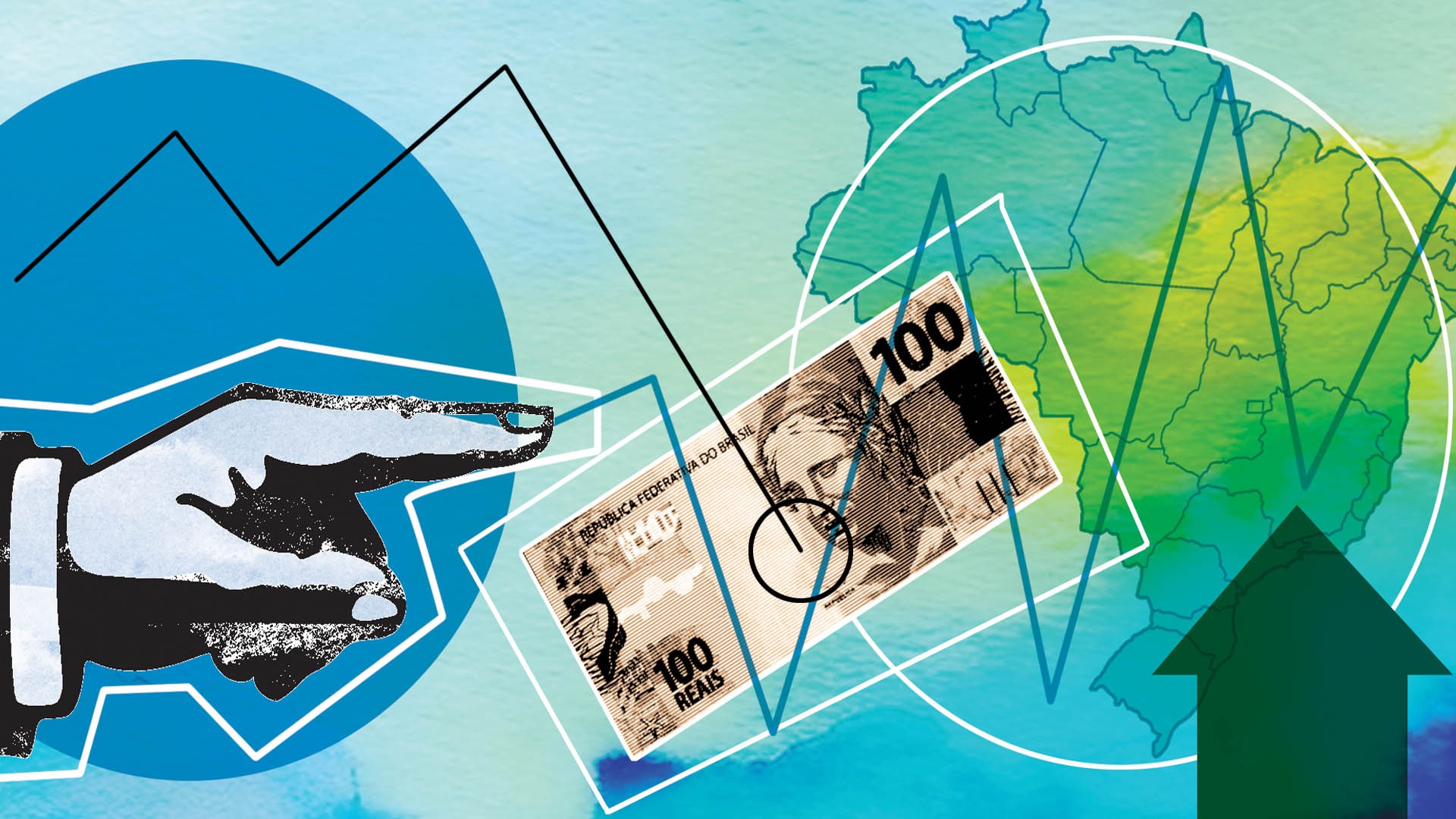
Brazil’s Treasury has announced that current fiscal targets will become unfeasible without new measures starting in 2028. The government anticipates that mandatory spending will outpace efforts to contain costs, even with maximum freezes on discretionary outlays. This situation presents a significant fiscal challenge for Brazil under President Lula da Silva, necessitating structural reforms or additional revenue measures. These fiscal pressures may impact global markets and have potential ripple effects on monetary policy decisions elsewhere, including the United States.
Key Takeaways
Brazil’s fiscal outlook appears increasingly challenging, with projected deficits from 2028 suggesting a need for new fiscal measures.
Markets seem to interpret Brazil’s announcement as introducing uncertainty, which could influence global economic conditions and monetary policies.
The situation may indicate a potential for increased caution among global investors, affecting the likelihood of the Federal Reserve’s rate decisions.