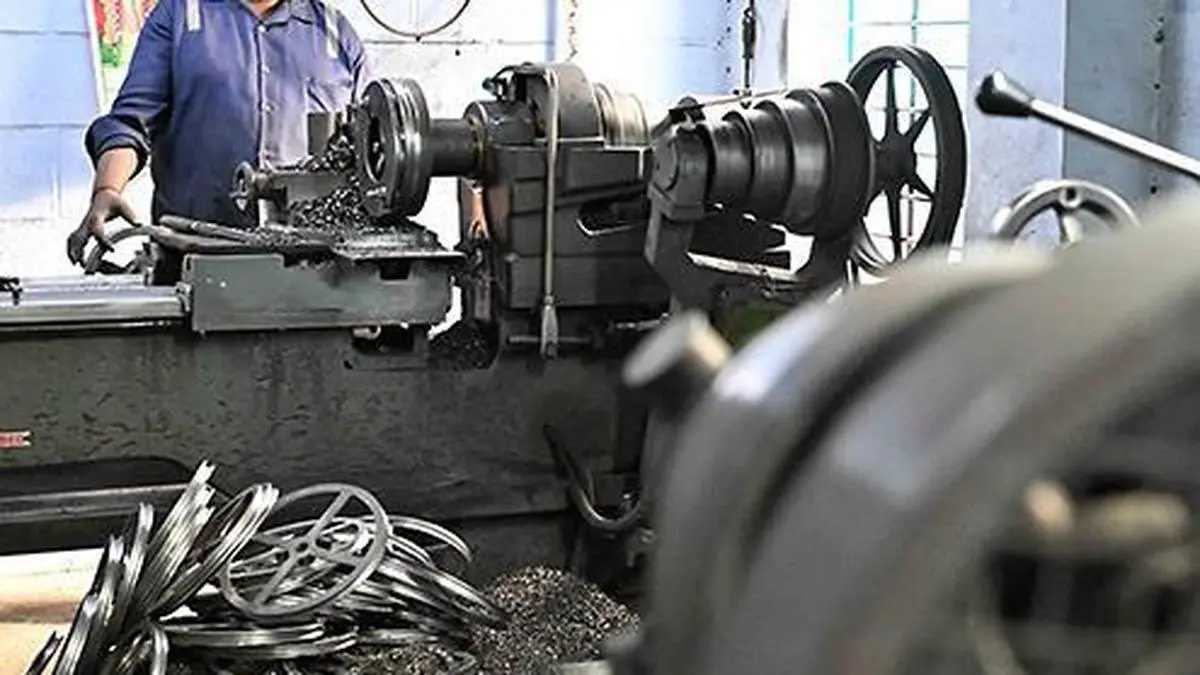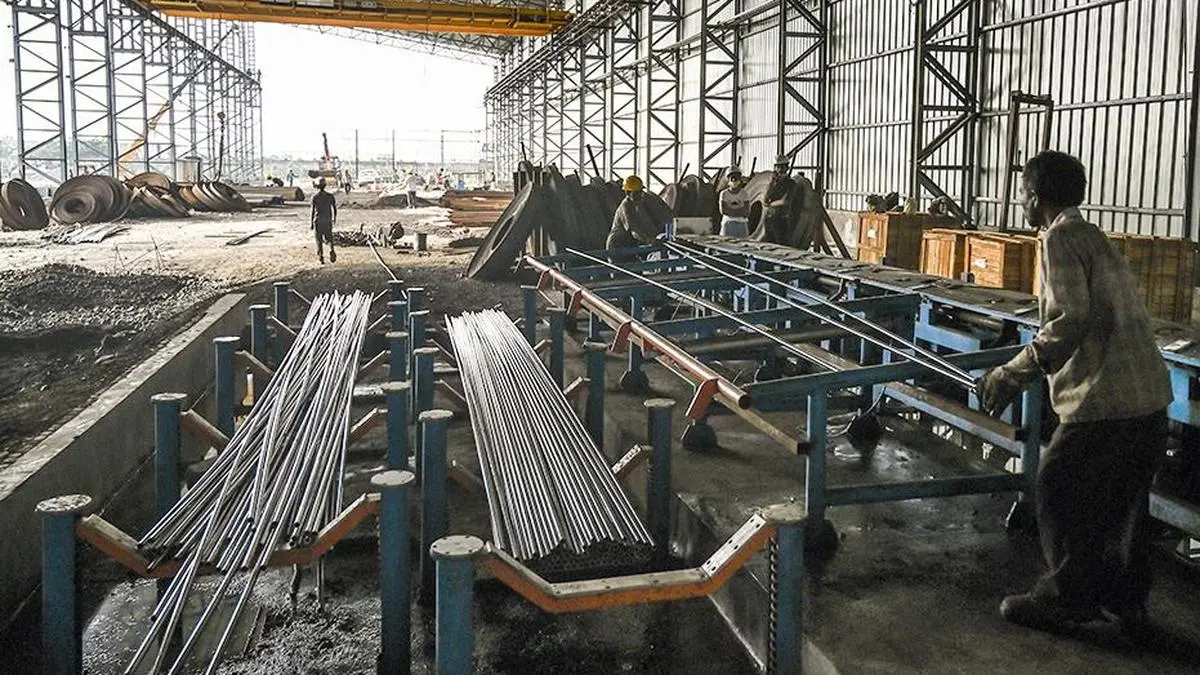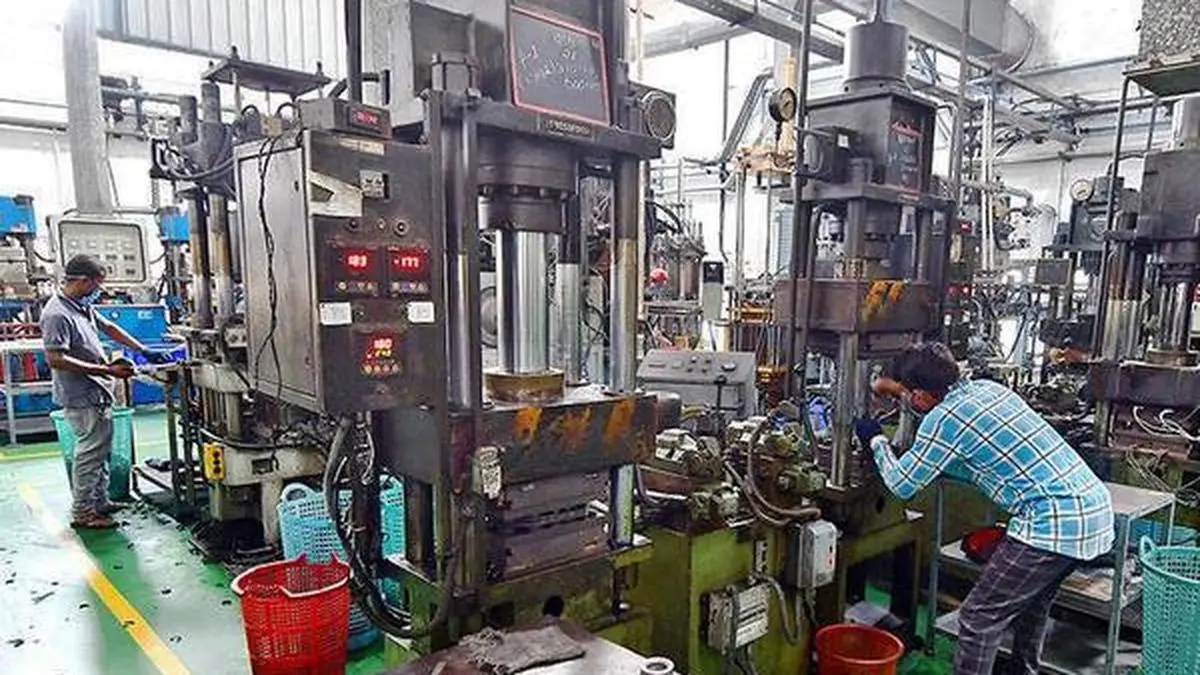
India’s micro, small and medium enterprises (MSME) are central to the country’s growth story. With over seven crore enterprises employing more than 32 crore people, the sector contributes nearly one-third of India’s Gross Domestic Product (GDP) and close to half of the country’s exports. From manufacturers in industrial clusters to traders in district towns, MSMEs are engines of economic activity, employment, entrepreneurship, and regional development. As India moves towards becoming a developed economy, the success of its MSMEs will be fundamental to that journey.MSMEHowever, for many MSMEs, growth is still shaped by everyday operational challenges. A delayed shipment of raw materials can disrupt production schedules, while difficulty in accessing goods transport at the right time can affect customer commitments. For businesses operating with limited resources and tight margins, these inefficiencies can slow growth, reduce competitiveness, and limit their ability to respond to market opportunities.Over the past decade, India has built an impressive scaffolding for this sector. MUDRA widened access to formal credit. GST, UPI, ONDC and Udyam Registration pulled millions of enterprises toward formalisation. PM Gati Shakti and the National Logistics Policy set out to make the movement of goods faster and cheaper. Together, they reflect a clear and welcome intent: to give small businesses a fairer shotAs India enters its next phase of economic growth, the focus on MSME development must expand beyond access to capital and policy support towards strengthening the operational capabilities that power businesses every day. Among these, logistics deserves greater attention, not just as a support function, but as a critical enabler of productivity, growth, and competitiveness.Access to working capital can create opportunities, but those opportunities are realised only when businesses can move raw materials and finished goods efficiently. For MSMEs, where logistics forms a meaningful part of operating costs, even small inefficiencies can impact competitiveness.India has rightly made lowering logistics costs a national priority, with efforts focused on bringing them closer to the global benchmark of around 8% of GDP. Last-mile logistics remains one of the most expensive and complex parts of the supply chain. Urban goods transportation continues to operate in a landscape of fragmented operators, underutilised vehicles, empty return trips, and limited visibility into pricing and availability. These inefficiencies impact not just large enterprises but also the millions of small businesses that depend on reliable, transparent, and predictable movement of goods every day.The impact goes beyond transportation. A furniture manufacturer in Jodhpur able to reliably transport goods to Jaipur can access a larger market, while a spare parts supplier in Coimbatore can expand faster when logistics becomes reliable. Within cities, efficient goods movement helps businesses receive raw materials on time, replenish inventory faster, and fulfil customer orders reliably. By improving efficiency and reach, logistics enables MSMEs to serve customers better, scale faster, and unlock new opportunities.Encouragingly, technology is transforming the logistics ecosystem by bringing greater transparency, reliability, and efficiency to goods movement. Technology-enabled logistics providers are enabling digital bookings, transparent pricing, structured documentation, and better visibility, giving MSMEs greater control over operations and supporting formal business integration. At the same time, data-driven systems and AI-led capabilities are improving decisions such as driver-partner allocation based on location, vehicle suitability, and demand patterns, helping optimise utilisation, reduce idle capacity, and enable more reliable and efficient movement of goods at scale.For this transformation to accelerate, policy frameworks must continue evolving to support organised, technology-enabled logistics models. As highlighted by a CDEP and IIT Delhi report titled Enabling Better Intracity Transport Systems for Small Businesses, such services are bringing greater structure to a historically fragmented ecosystem. A supportive and level policy environment will be critical, as differential treatment that favours informal operators can increase logistics costs for MSMEs and slow the shift towards digital adoption, transparency, and formalisation. Aligning policy frameworks with MSME digitalisation goals will further strengthen compliance and enable a more efficient goods transportation ecosystem.India’s ambition of becoming a developed economy by 2047 will be realised across the workshops, factories, and storefronts where MSMEs operate. For this vision to become reality, the country needs operational infrastructure that allows businesses everywhere to participate in growth.The guiding principle should be that a business should be able to access reliable, efficient, and affordable logistics infrastructure regardless of where it operates. When goods movement becomes more accessible across regions, entrepreneurship becomes less constrained by geography, enabling businesses across India to scale and compete.When logistics works, MSMEs compete on the strength of their products rather than the limitations of moving goods. Strengthening this backbone will be essential to building a more productive, inclusive, and competitive Bharat.(The views expressed are personal)This article is authored by Uttam Digga, CEO & co-founder, Porter.
Missing infrastructure layer in India’s MSME growth story
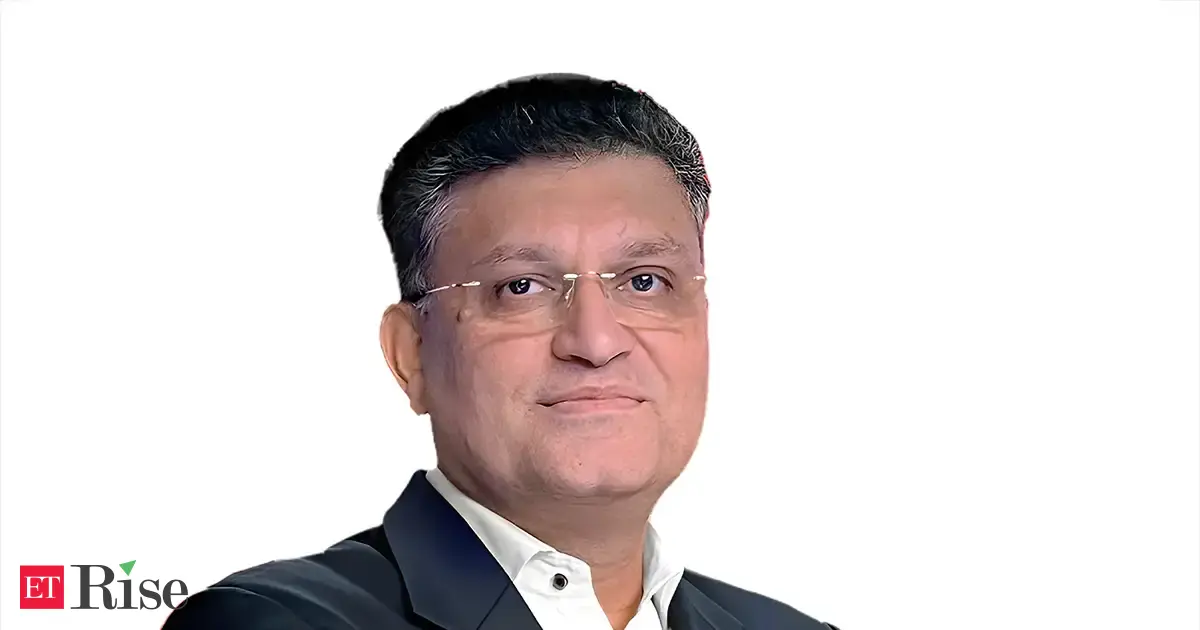
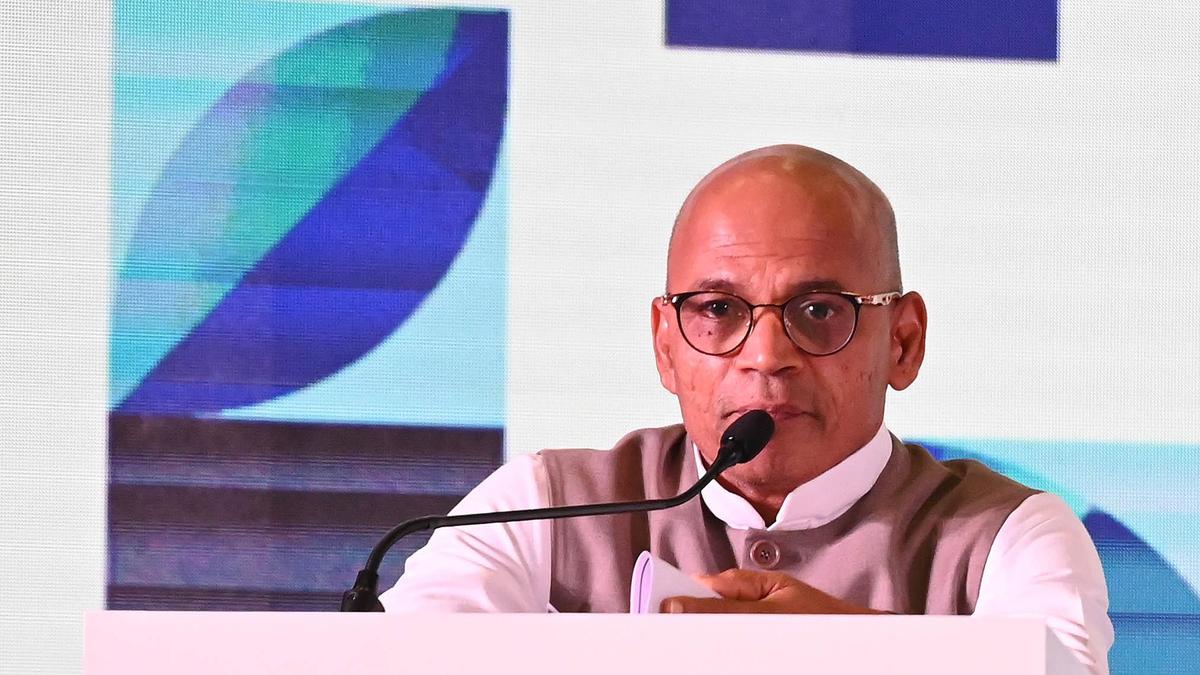
This article is authored by Uttam Digga, CEO & co-founder, Porter.
771 words~4 min read