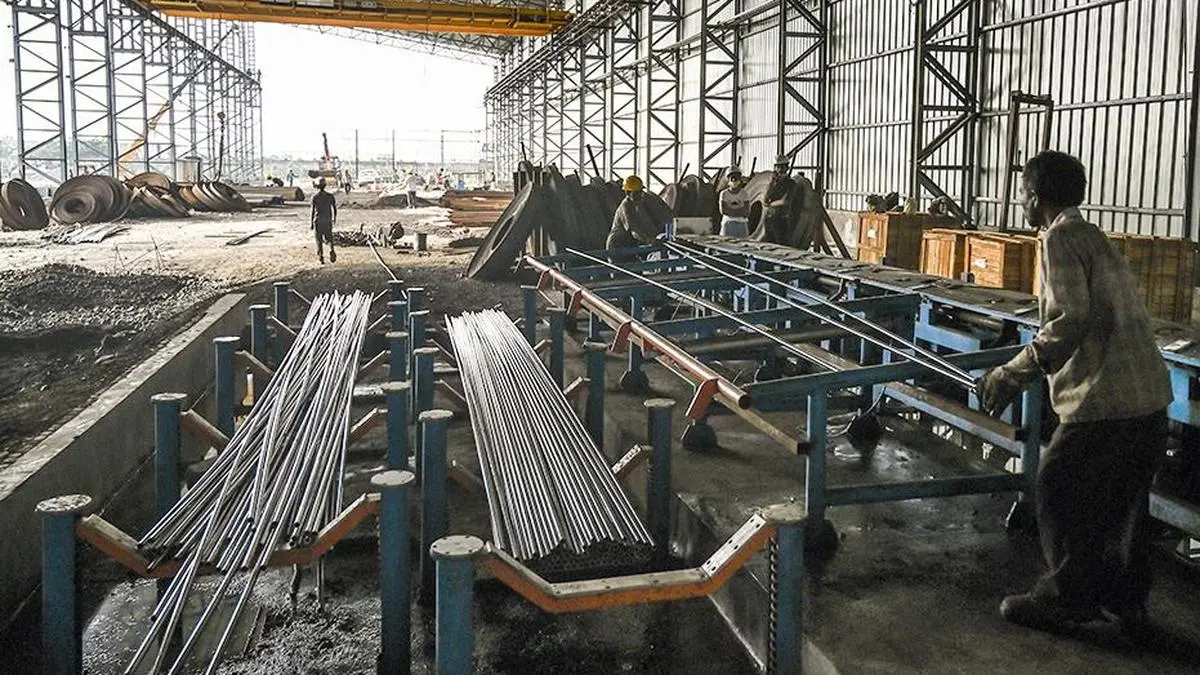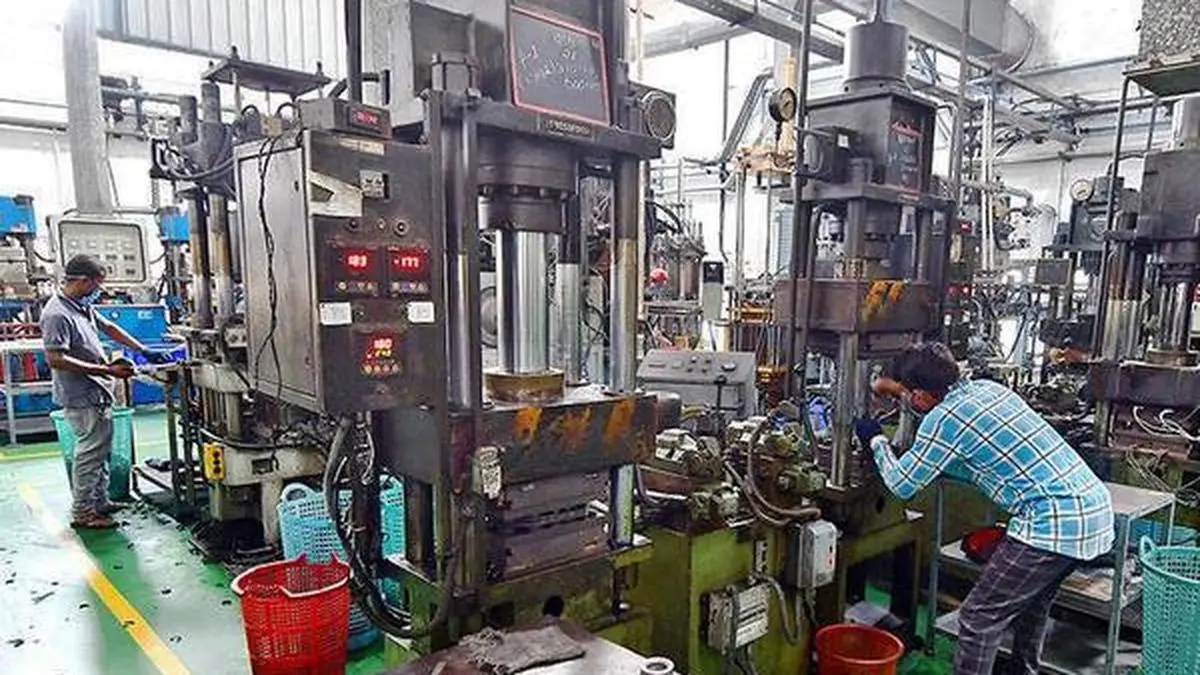
MSMEs should overcome their reluctance to grow big, which seems to arise from a fear of losing family control
| Photo Credit:
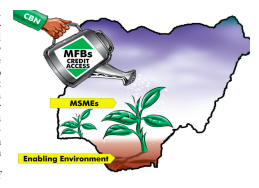
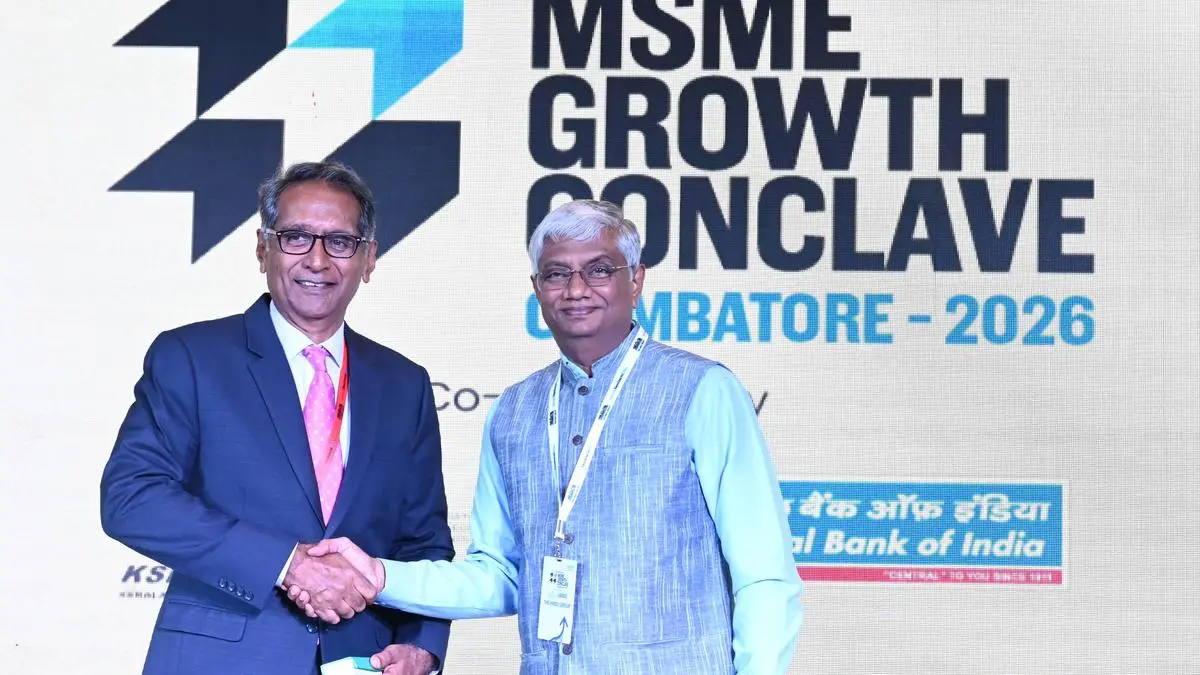
There cannot perhaps be a better time than the present to take stock of how India’s micro, small and medium enterprises are faring. After all, there are 8.77 crore MSMEs employing 38.9 crore people, contributing nearly a third of GDP and half our exports. Quite apart from the fact that the week starting June 27 is observed as MSME week globally, the world has been through a period of extraordinary flux over the last year or more, starting with the Liberation Day tariffs last April and culminating in the Gulf war. Alongside, developments in AI and electronics are rapidly overhauling production processes, creating opportunities and challenges with respect to skilling, finance and product development. This newspaper organised its annual ‘MSME Growth Conclave’ in Bengaluru and Coimbatore last week to dive into how MSMEs, and the policies meant for them, are dealing with technological and geopolitical upheavals.At least three broad aspects concerning MSMEs (actually an umbrella term that encompasses enterprises from ₹2.5 crore to ₹500 crore) came up for discussion — access to finance, human resource management and managing the growth path of an enterprise. To take the last point first, industry leaders rightly observed MSMEs should overcome their reluctance to grow big, which seems to arise from a fear of losing family control. This also means snapping out of the sub-contracting mindset and instead owning a value chain, be it in electric vehicles or dairy. The use of modern equipment and digitised processes can aid expansion and development of new products. To this end, synergies between industrial and educational research must be developed.But to back this ambition, both a skilled workforce as well as a financial ecosystem are pre-requisites. MSMEs struggle to retain talent. It was rightly observed that employees should be able to visualise a career path. As for finances, MSMEs continue to struggle. According to a recently released Deloitte report, most MSMEs do not have access to formal credit and raise funds from informal sources. While the preference for gold loans seems to be a factor, the banking system must do some serious introspection. Credit can be tailored to cash flows, and working capital requirements met or adjusted to deal with global shocks. Credit guarantee schemes seem to help up to a point. Bankers with intimate knowledge of local conditions must be rewarded for nurturing businesses over time with patient capital. While being wary of NPAs, as in the present times, bankers need to account for circumstantial stress.As for working capital finance, the Trade Receivables electronic Discounting System is not doing very well, despite recent efforts to reform it. The 45-day payment norm is often circumvented. Yet, it is remarkable that MSMEs have shown great resilience — despite Covid, demonetisation and the war-induced shocks since 2022 — to put the economy back on the growth path. Ecosystem support can make a huge difference.Published on June 28, 2026