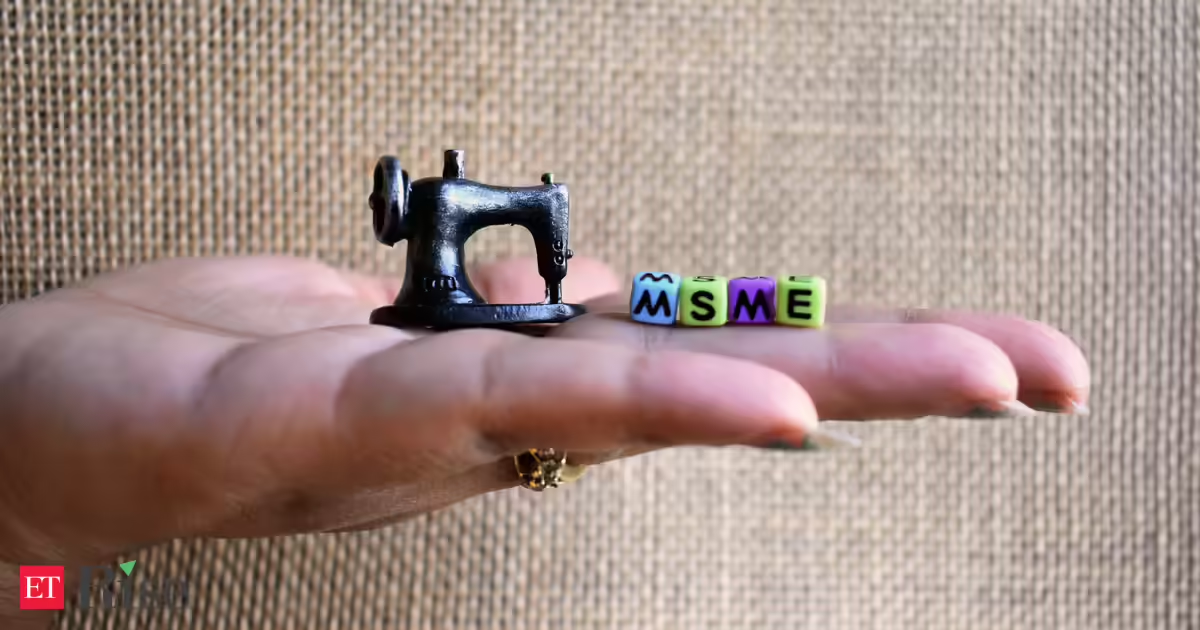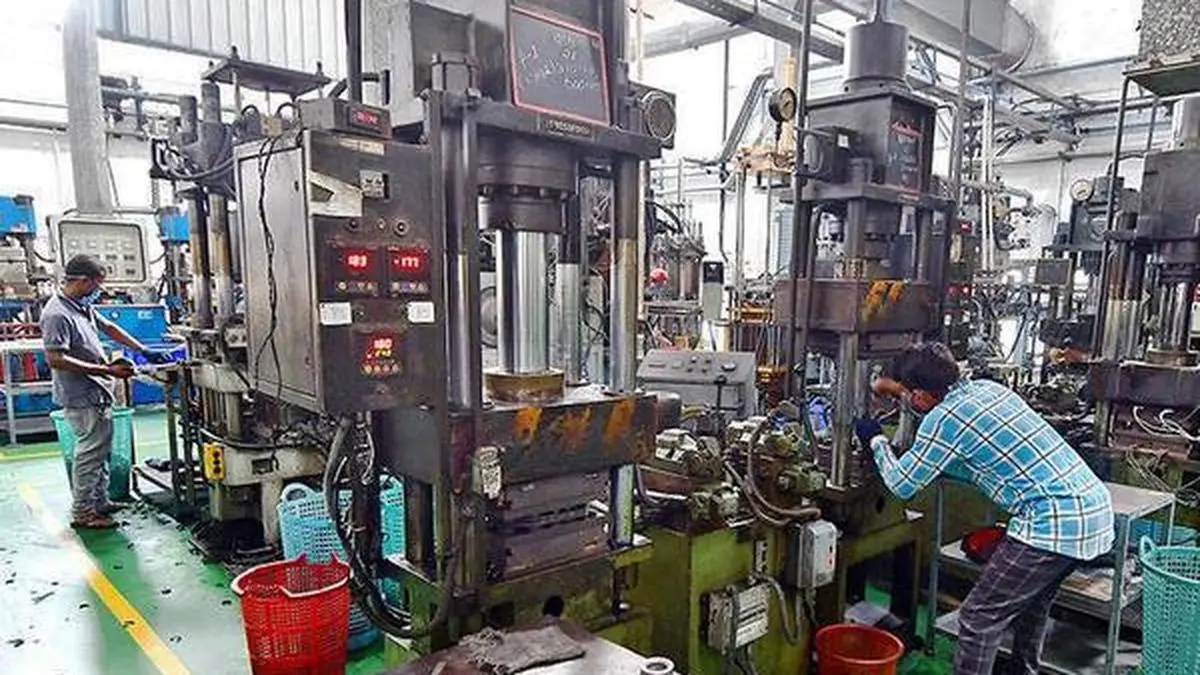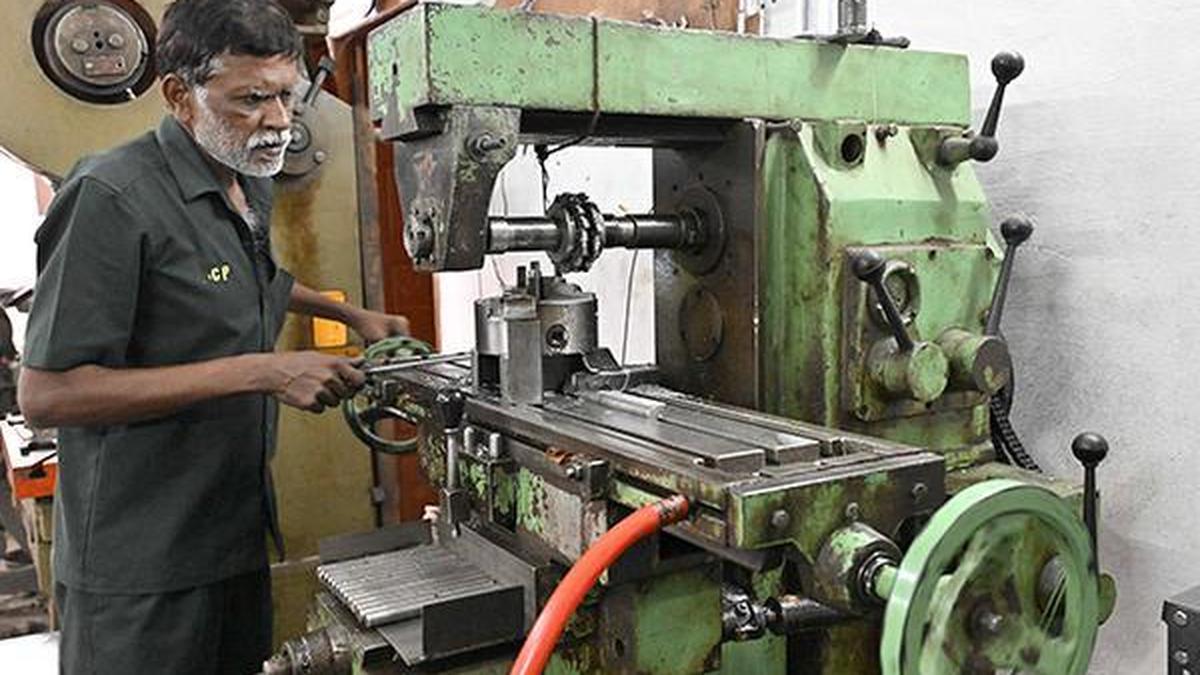
Having spent decades working across India's financial, corporate, and governance landscape, I have witnessed economic cycles of both expansion and contraction. One lesson remains constant: businesses that survive difficult periods are rarely the largest or the strongest—they are often the most disciplined and adaptable.MSMEIndia's micro, small and medium enterprises (MSME) and small and medium enterprises (SME) are the backbone of our economy, contributing nearly one-third of Gross Domestic Product (GDP) and employing over a hundred million people. Yet they remain disproportionately exposed when economic conditions deteriorate. Unlike large enterprises with the capacity to absorb prolonged stress, small business owners do not have the luxury of waiting for conditions to improve. The current environment demands not just resilience, but deliberate adjustment.The first response must be a renewed focus on cash flow. Revenue can often create a sense of comfort, but cash determines survival. During downturns, many businesses that appear profitable on paper find themselves struggling to meet near-term obligations because receivables have stretched and working capital cycles have quietly moved beyond sustainable limits. Monitoring cash flows weekly and actively managing debtors, creditors, and inventory are no longer merely prudent measures—they are essential for survival.Economic stress also forces difficult but necessary decisions around portfolio rationalisation. Challenging periods reveal which products, services, and customer segments are genuinely profitable and which have been sustained largely by the momentum of better times. In my experience, the more durable approach is often deliberate consolidation—focusing on core strengths, exiting low-margin activities, and improving efficiency even if the business temporarily becomes smaller.Equally important is the relationship between entrepreneurs and their bankers. This remains one of the most underutilised strategic resources available to small businesses. Proactive communication and transparency about emerging challenges before they become defaults help position the borrower as a credible and responsible partner. At the same time, several government-backed initiatives continue to be underutilised. Schemes such as the Emergency Credit Line Guarantee Scheme (ECLGS), the Credit Guarantee Fund Trust for Micro and Small Enterprises (CGTMSE), and the Trade Receivables Discounting System (TReDS) can provide meaningful support for businesses willing to engage with them effectively.There is another dimension that deserves greater attention: Collaboration. Historically, MSMEs and SMEs have often operated in isolation, viewing peers primarily as competitors. However, in many cases, the more rational response is cooperation. Shared services in logistics, technology, procurement, compliance, and even market access can enable smaller businesses to benefit from capabilities and economies of scale that would otherwise remain out of reach. In a cost-conscious environment, collaboration is not a concession of competitive advantage—it is often a source of strategic strength.The enterprises that emerge stronger from difficult economic cycles are rarely those that simply endure. They are the ones that use periods of contraction to sharpen their positioning, strengthen key relationships, and build the operational discipline that periods of rapid growth rarely demand. Adversity has a unique way of clarifying priorities and exposing what truly matters.Markets are challenging, and uncertainty is likely to persist. However, strategy should never be driven by panic. Businesses that navigate this environment successfully will do so by focusing on what they can control—their cash, their costs, their customers, and their relationships—with greater precision and discipline than the times demand.(The views expressed are personal)This article is authored by Sethuratnam Ravi, distinguished corporate leader, board chairman, and governance expert with extensive experience across banking, financial services, and corporate institutions.
How MSMEs and SMEs can endure a tough economy
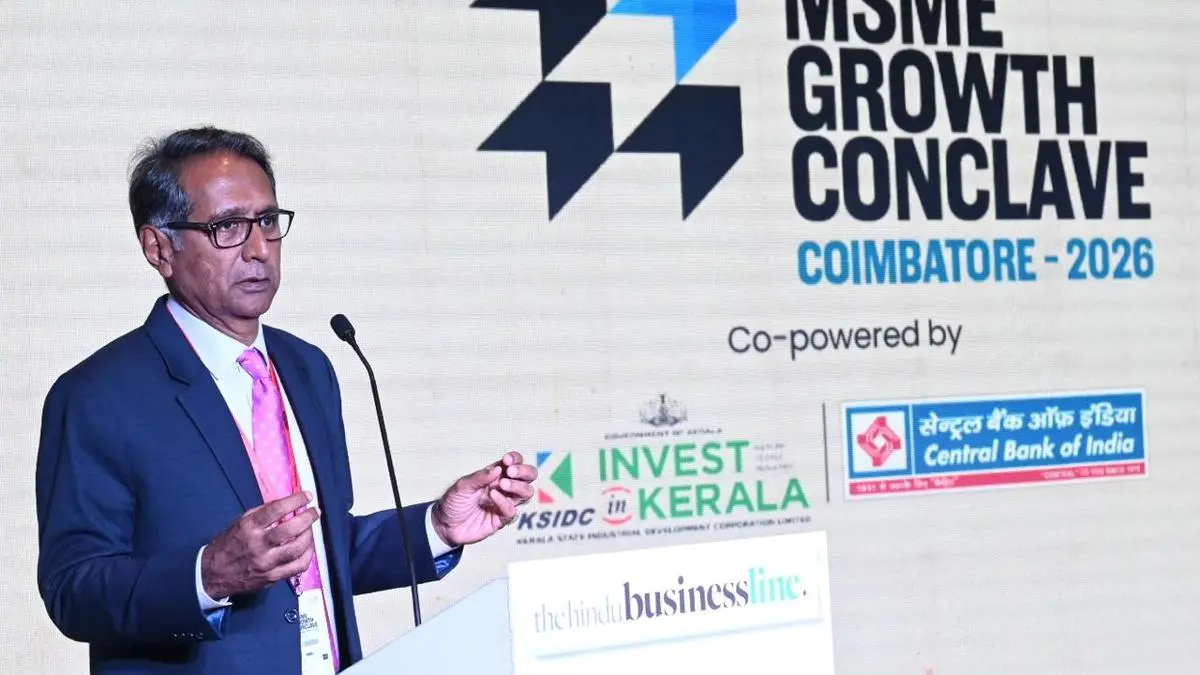
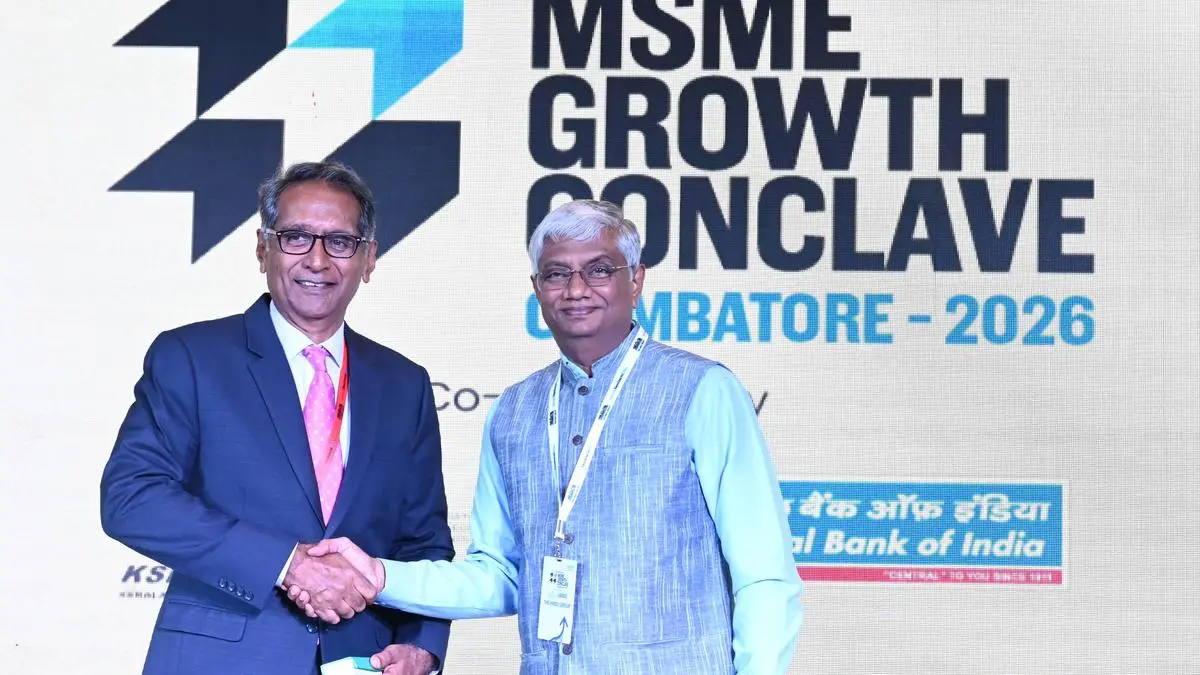
This article is authored by Sethuratnam Ravi.
560 words~3 min read