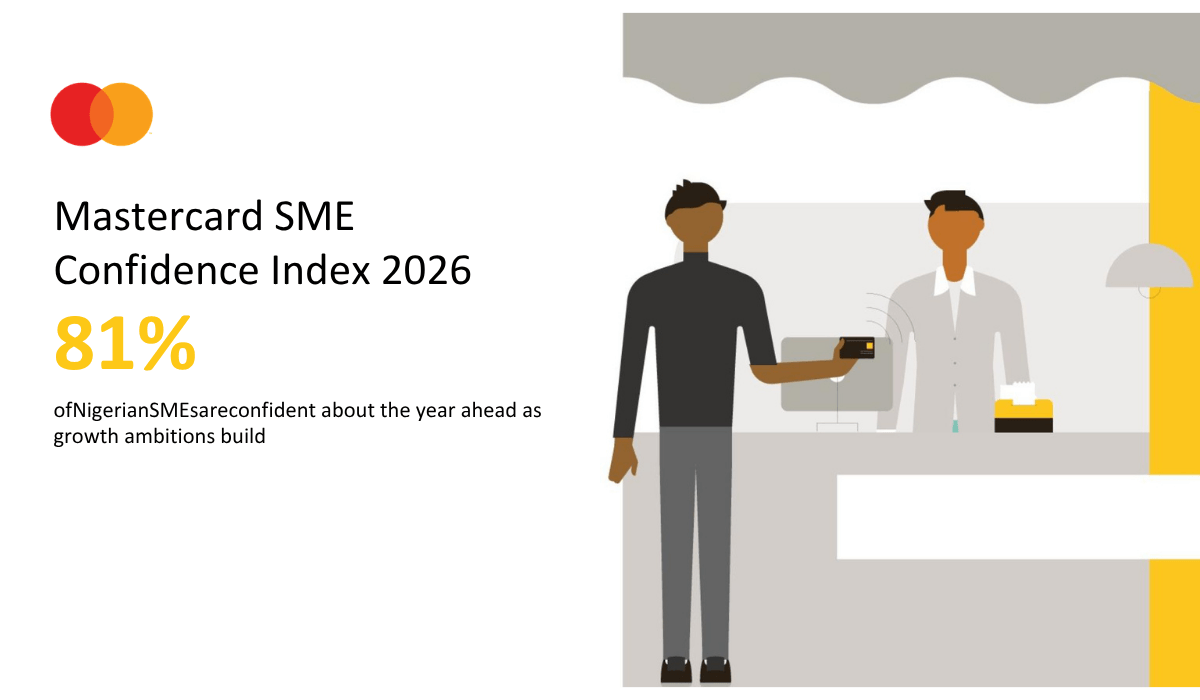
Small businesses are essential to the fortunes of any economy. They are even more important in Nigeria, where 97% of all businesses fit into the MSME bracket. As the country pursues its target of becoming a $1 trillion economy by 2030, the discourse around economic growth focuses primarily on macro-level factors such as the state of infrastructure, foreign direct investment, economic policies, and the role of a reliable legal framework at the expense of micro-level considerations. The area of concentration is usually on providing the economic hardware while ignoring the operating system that makes it useful. It is time to address both angles of the economic development effort simultaneously by providing small businesses with accessible tools they can deploy internally to enable growth.
Small businesses’ well-documented inability to access growth capital is a symptom, not the disease. The underlying cause is a pervasive lack of structure, without which financiers cannot accurately assess a business’s readiness for growth capital, and scaling stalls as a result. The business structure in large companies is typically shaped by specialist professionals who design and implement systems. The challenge for SMEs is that they cannot afford to have a full suite of specialised professionals on staff full-time. As a result, they often resort to engaging the services of lawyers, accountants, business analysts and the like on a sporadic basis, if at all. Ironically, without systems in place which collect information between engagements, the value of these professionals is often limited.