By Folarin Kehinde
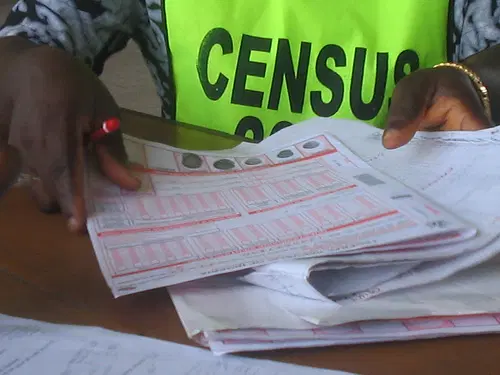
Twenty years after its last population and housing census, Nigeria finds itself in an unusual position: governing one of Africa’s largest populations without a current official count of how many people actually live within its borders.
As the country inches closer to the 2027 general elections, the long-awaited national census remains in limbo, leaving policymakers, investors, development partners, and citizens dependent on projections rather than verified demographic data.
The last census was conducted in 2006. Since then, Nigeria has witnessed dramatic changes in population growth, urbanisation, migration patterns, and economic activity. Yet, despite repeated promises by successive administrations, a fresh headcount has remained elusive.
At the centre of the exercise is the National Population Commission (NPC), the agency constitutionally mandated to conduct the census; however, a combination of funding challenges, security concerns, logistical hurdles, and political sensitivities has repeatedly pushed the exercise further down the road.