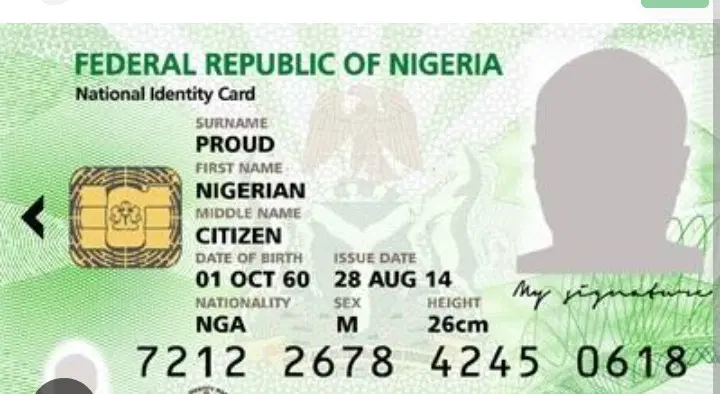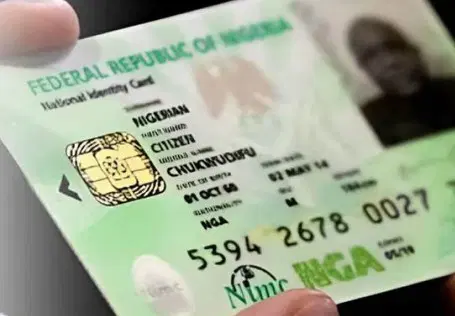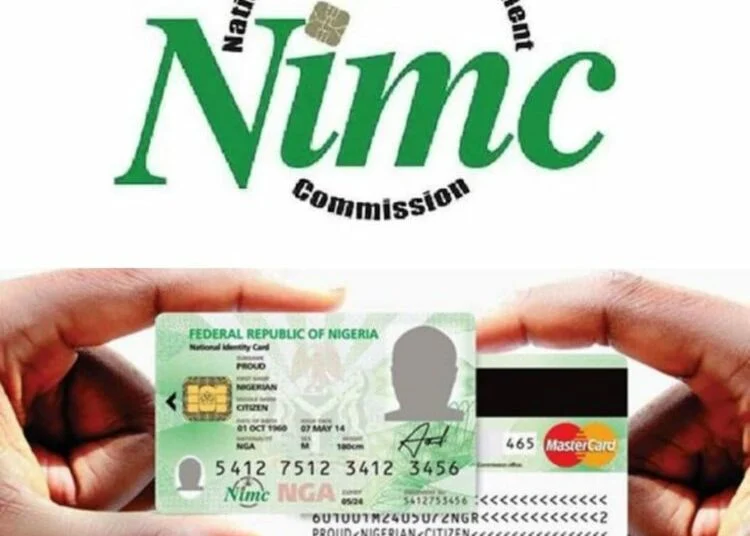
Nigeria has issued more than 127 million National Identification Numbers (NINs), making it one of Africa’s leading digital identity markets, yet experts say the country’s biggest challenge is no longer registration but ensuring that the digital identity system is fully integrated into everyday economic activities.
Recent data from the National Identity Management Commission (NIMC) shows that NIN enrolments rose from about 114.5 million at the beginning of 2025 to approximately 127 million by December, reflecting one of the fastest identity expansion programmes on the continent.
However, a new global study suggests that possessing millions of digital identities does not automatically translate into economic value unless businesses, government agencies and public institutions actively use them.
Read also: Digital loans, digital trauma: Inside Nigeria’s lending boom and its toll on mental health
The study, published in May 2026 by global secure identity firm IN Groupe and based on research covering 210 countries, found that countries that achieve meaningful digital identity success are not necessarily those with the most advanced technology. Instead, they are nations where digital identities are deeply embedded in banking, telecommunications, healthcare, education and public service delivery.