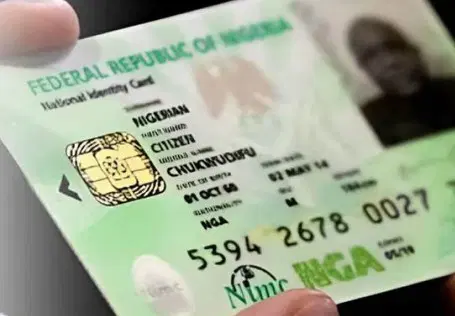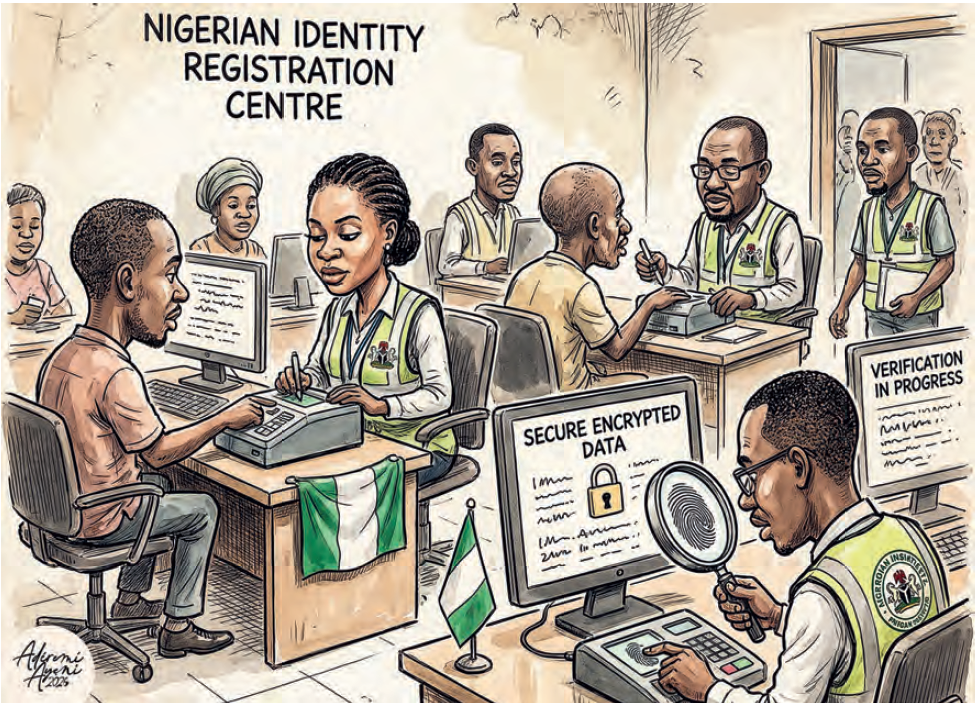
NINAuth and NITDA’s incoming digital public infrastructure standards answer a real problem: an identity system citizens cannot control is one they will not trust. But trust only gets people enrolled. Whether the system ever pays for itself depends on something else, and the evidence from 210 countries suggests Nigeria should be paying closer attention to it.
The argument made on these pages last week, that consent has become the new security perimeter of Nigeria’s digital identity system, is correct and overdue. NINAuth, the National Identity Management Commission’s app that lets citizens grant or revoke permission each time their National Identification Number is used, marks a genuine shift. So do NITDA’s forthcoming digital public infrastructure standards, which would require encryption, biometric verification and auditable logs on every identity check. The warning that came with that argument was also right: rules without enforcement are rules in name only.
There is a second constraint, though, and it gets far less airtime. Trust decides whether citizens enrol. What decides whether the whole apparatus generates a return is different: it is whether banks, telcos, hospitals and government agencies build the credential into how they operate every day. Nigeria is moving decisively on the first front. On the second, the picture is more mixed than the enrolment headlines suggest.