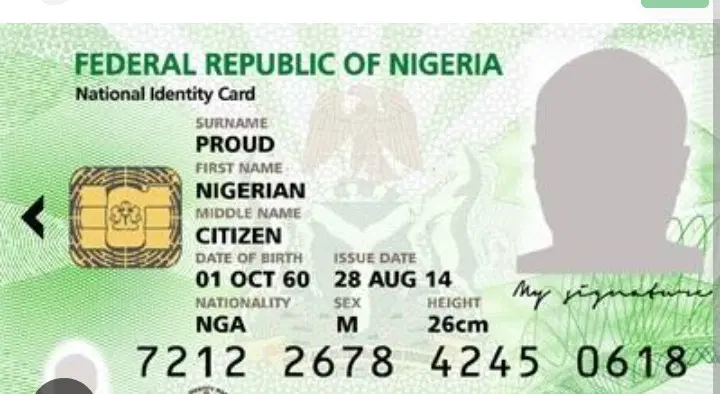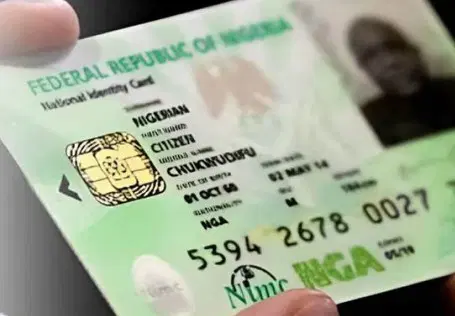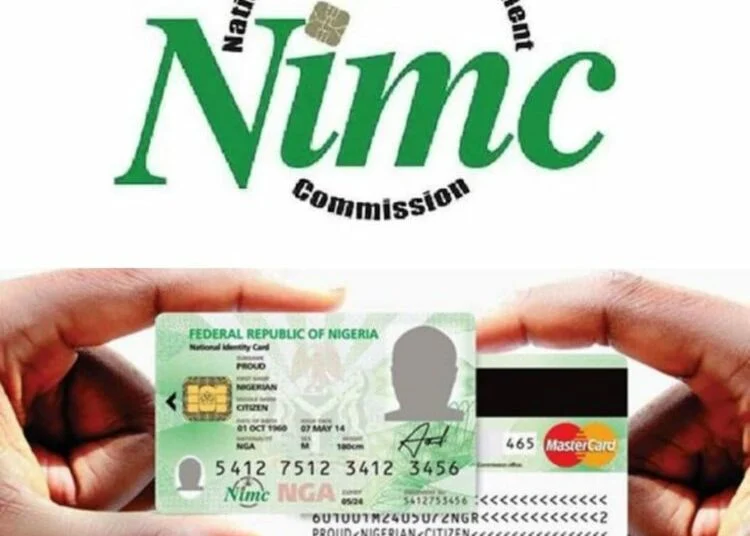
Nigeria’s digital identity system is rapidly advancing. The introduction of NINAuth, the National Identity Management Commission’s official app for identity verification, and NITDA’s upcoming Digital Public Infrastructure (DPI) standards have switched the focus from paperwork to real-time consent and auditability. In effect, this means that any time your National Identification Number (NIN) is used to open a bank account, obtain a new SIM card, or access a government function, it must be with your explicit agreement and is recorded for subsequent review. Consent becomes the new security barrier, replacing traditional checks and balances.
That’s the theory, at least. In practice, inadequate identification checks and ambiguous consent trails can cause serious threat, not simply hypothetical problems. Consider SIM-swap fraud, for example. Criminals deceive or bribe telecom agents into transferring a victim’s phone number to a new SIM. With the phone line hijacked, they receive all one-time passwords and login messages intended for the legitimate owner. They can reset bank passwords, empty savings accounts, and take over social media profiles in minutes without producing a valid identification document.