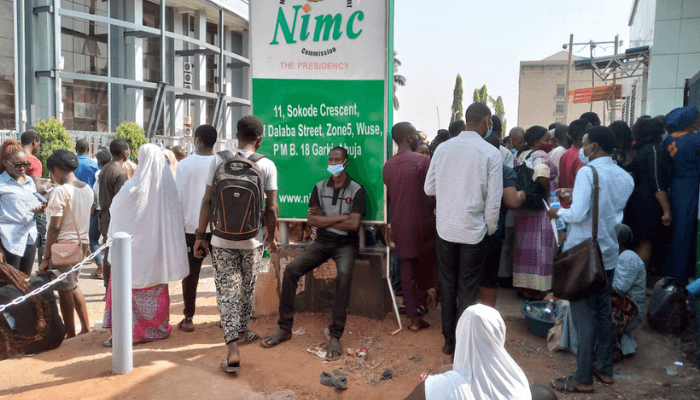
Nigeria is investing in Digital Public Infrastructure (DPI) to improve how citizens interact with the government through foundational systems such as digital identity, digital payments and secure data exchange.
These systems are designed to make public services more efficient, enable trusted exchange of information across institutions and improve access to government services.
The Minister of Communications, Innovation and Digital Economy, Bosun Tijani, has described DPI as the modern-day equivalent of roads, electricity and other public utilities, arguing that it can rebuild trust in government, empower citizens and accelerate economic growth across Africa.
Yet while Nigeria is laying the digital rails for public service delivery, one of its key democratic institutions in Niger State remains largely disconnected from that transformation.
Twenty-seven years after Nigeria returned to democratic rule in 1999, the Niger State House of Assembly still has no official website where citizens can access bills, committee reports, voting records and other legislative documents.