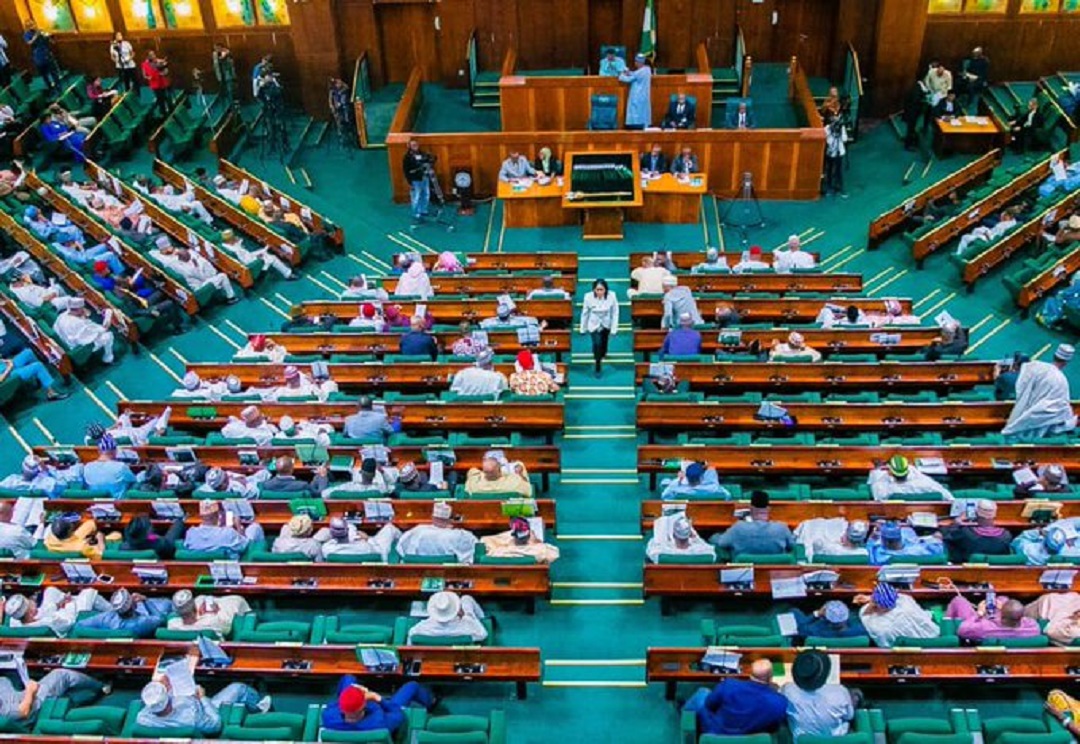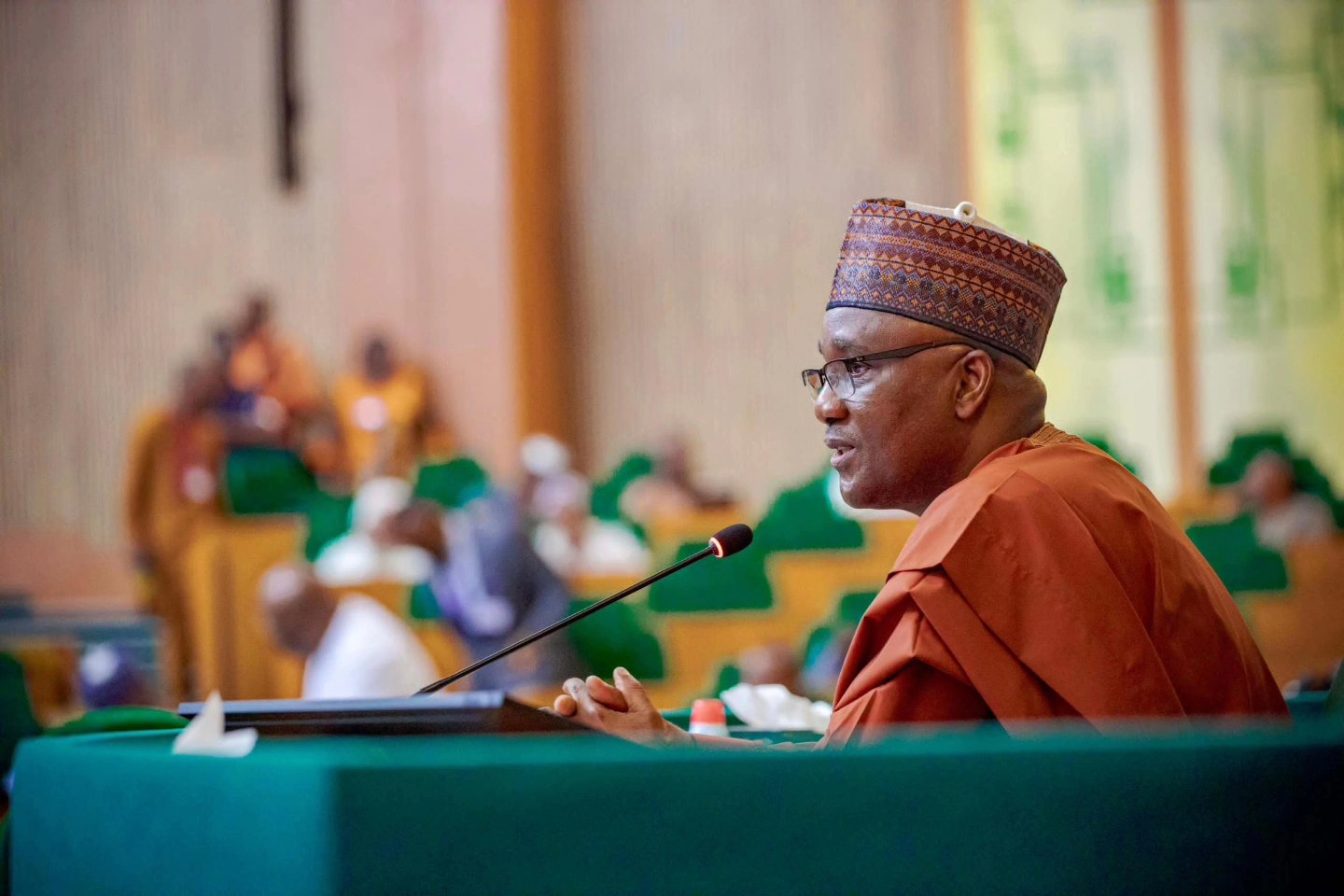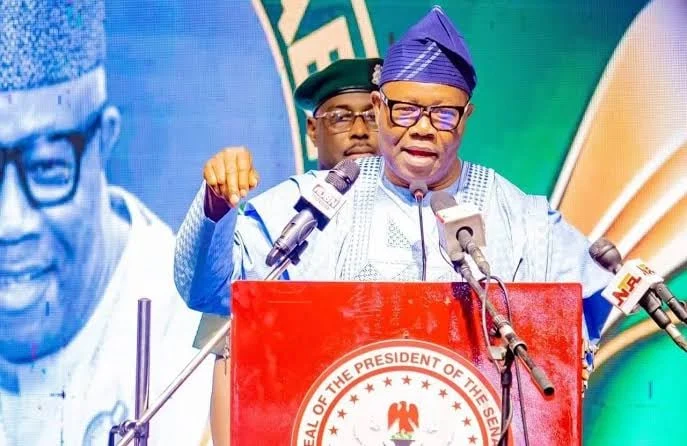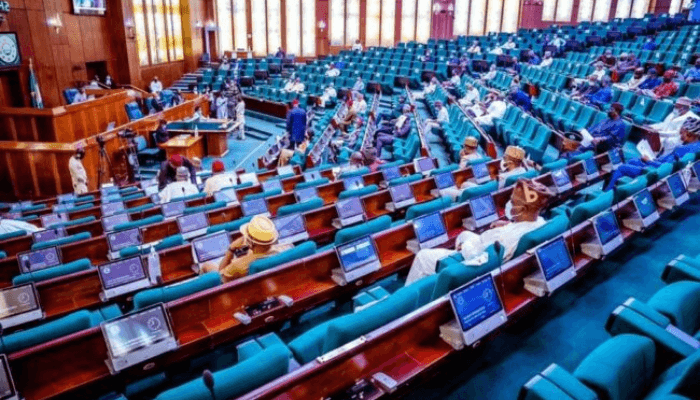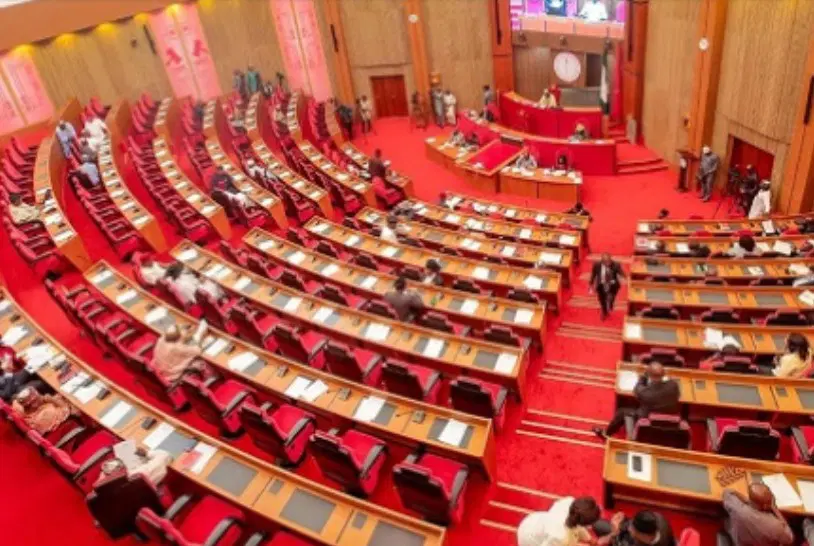
Three years after its inauguration, Nigeria’s 10th National Assembly is confronting mounting questions over whether its legislative performance justifies the cost of maintaining a full-time parliament, as official records reveal slow progress on lawmaking, declining attendance at plenaries and growing concerns about the effectiveness of legislative oversight.
While both chambers have delivered some of the Tinubu administration’s most consequential legislative priorities—including annual budgets, tax reform measures and key constitutional amendment proposals—the broader picture points to an institution struggling to convert legislative activity into measurable outcomes.
In the Senate, data from the National Assembly’s legislative dashboard show that lawmakers had introduced 1,033 bills as of April 29, 2026.
Yet only 106 had completed passage, translating to a passage rate of just 10.3 percent. Another 453 bills had passed second reading, while 424 remained stalled at committee level, the single biggest bottleneck in the legislative process. A further 38 bills had completed committee work but were still awaiting third reading.
Analysts say the figures illustrate a legislature that has remained active in introducing bills but considerably slower in seeing them through to enactment.