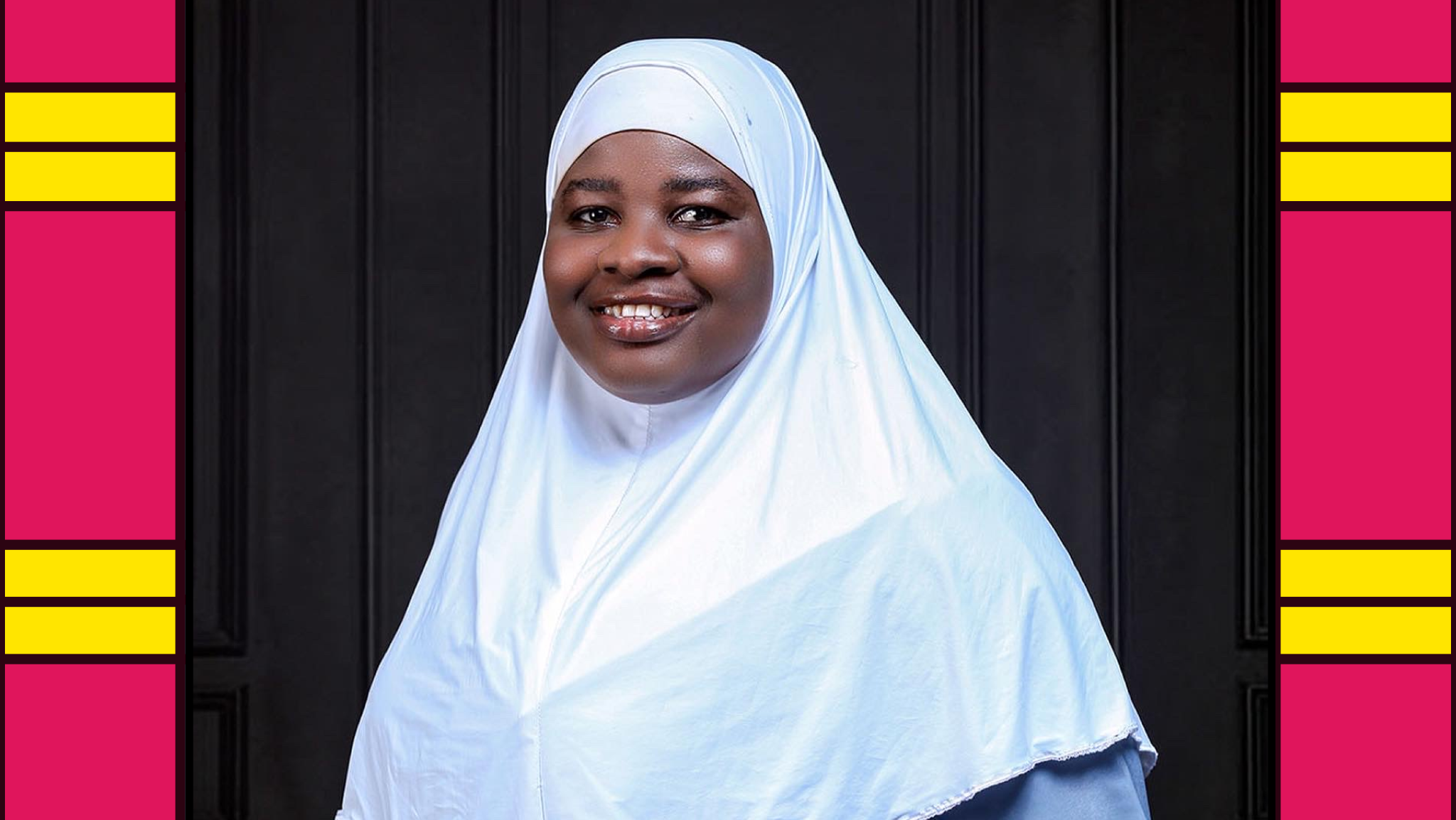
By Sofiat Nafiu
Nigeria has over 153 million internet users and an estimated 35 million people living with disabilities. Yet across every major federal government website, state portal, and public university I audited, I could not find a single one that has implemented even baseline digital accessibility features. This is what that costs us.
SCENE — LAGOS, 2026
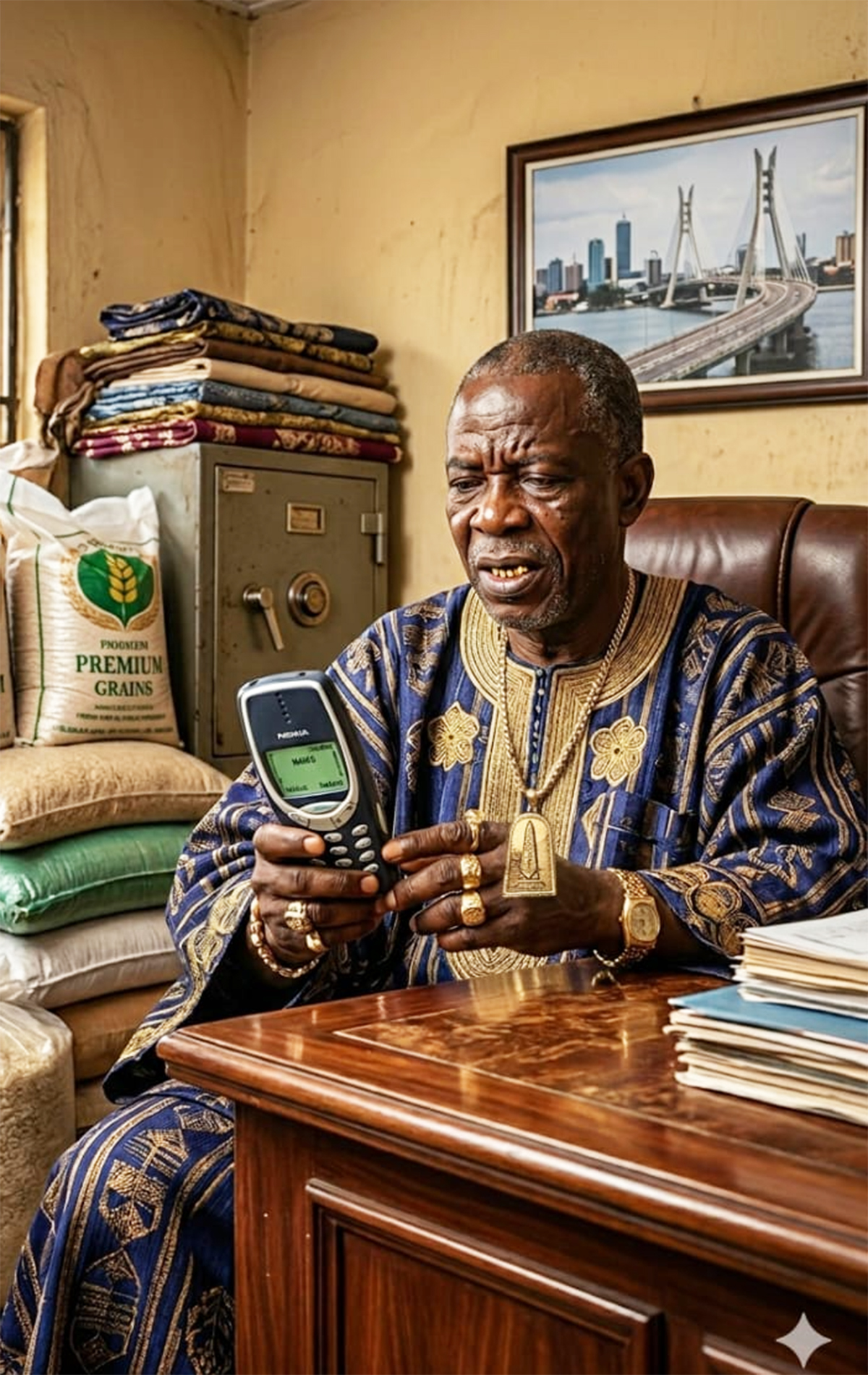
Mama Tunde has been selling pepper at Mile 12 Market for twenty-two years. Her daughter just graduated from the University of Lagos, the first in the family to hold a degree. Someone tells her the results are on the university website. She opens the page on a fairly used ₦35,000 Android phone, carefully managing her 3G data as it loads. The page is heavy, and when it finally loads, it is filled with formal English text. There is no Yoruba option, not even pidgin that she can slightly understand, and no way to enlarge the letters. She cannot read it without help, so she hands the phone to a stranger. And just like that, her daughter’s results — her name, her class of degree, the proof of twenty-two years of sacrifice — are read to her by someone she has never met.
This is not a conventional story about poverty. Mama Tunde has a smartphone, even if it’s fairly used. She has access in a way that gets counted in government statistics. What she does not have, however, is a website designed with her in mind.