Government must do more to secure the countryside
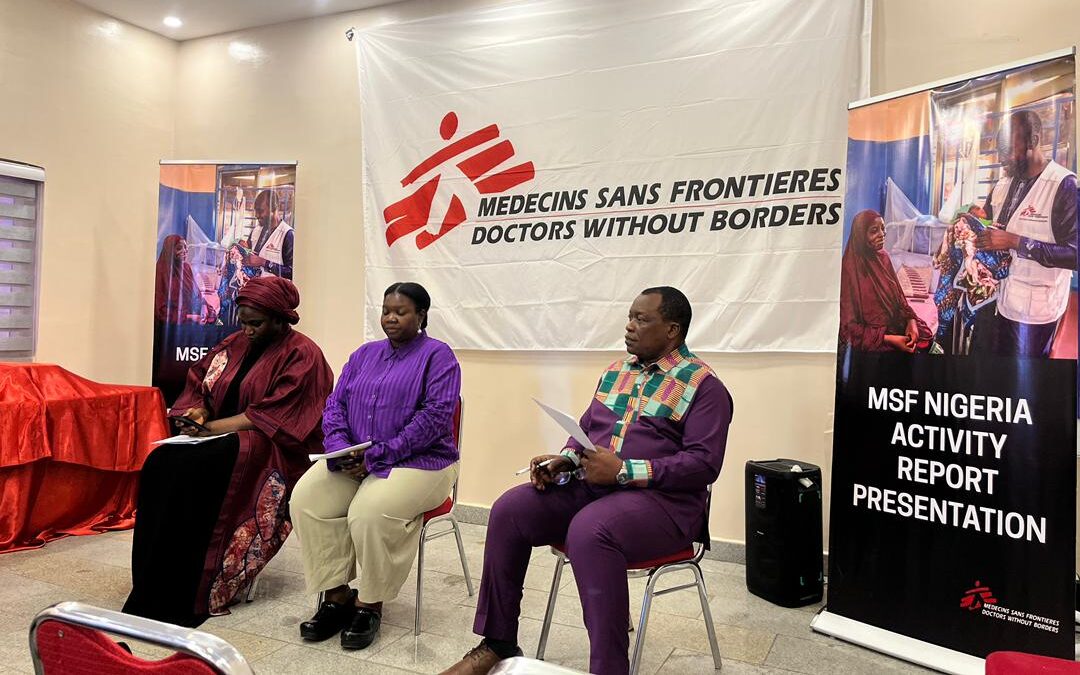
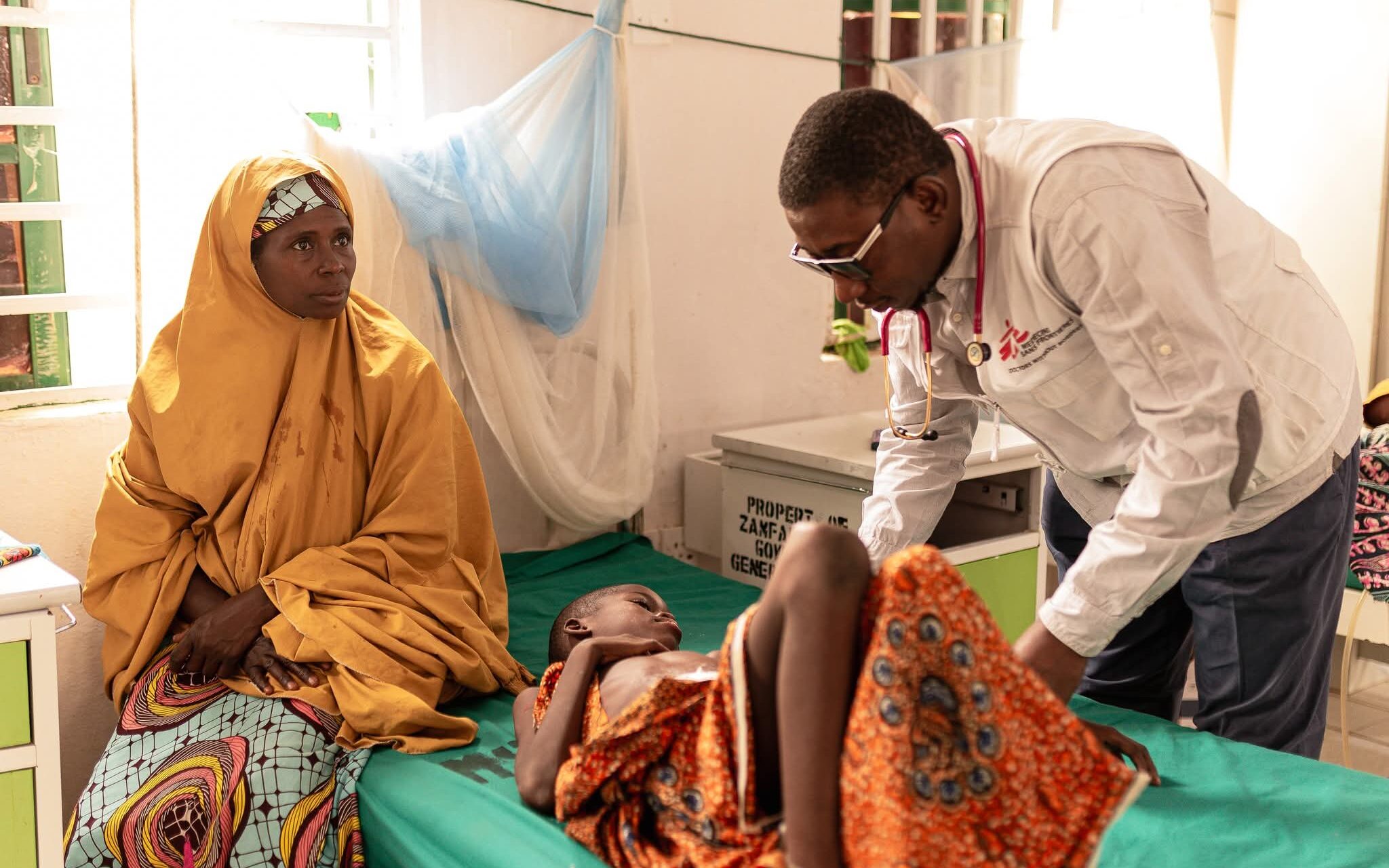
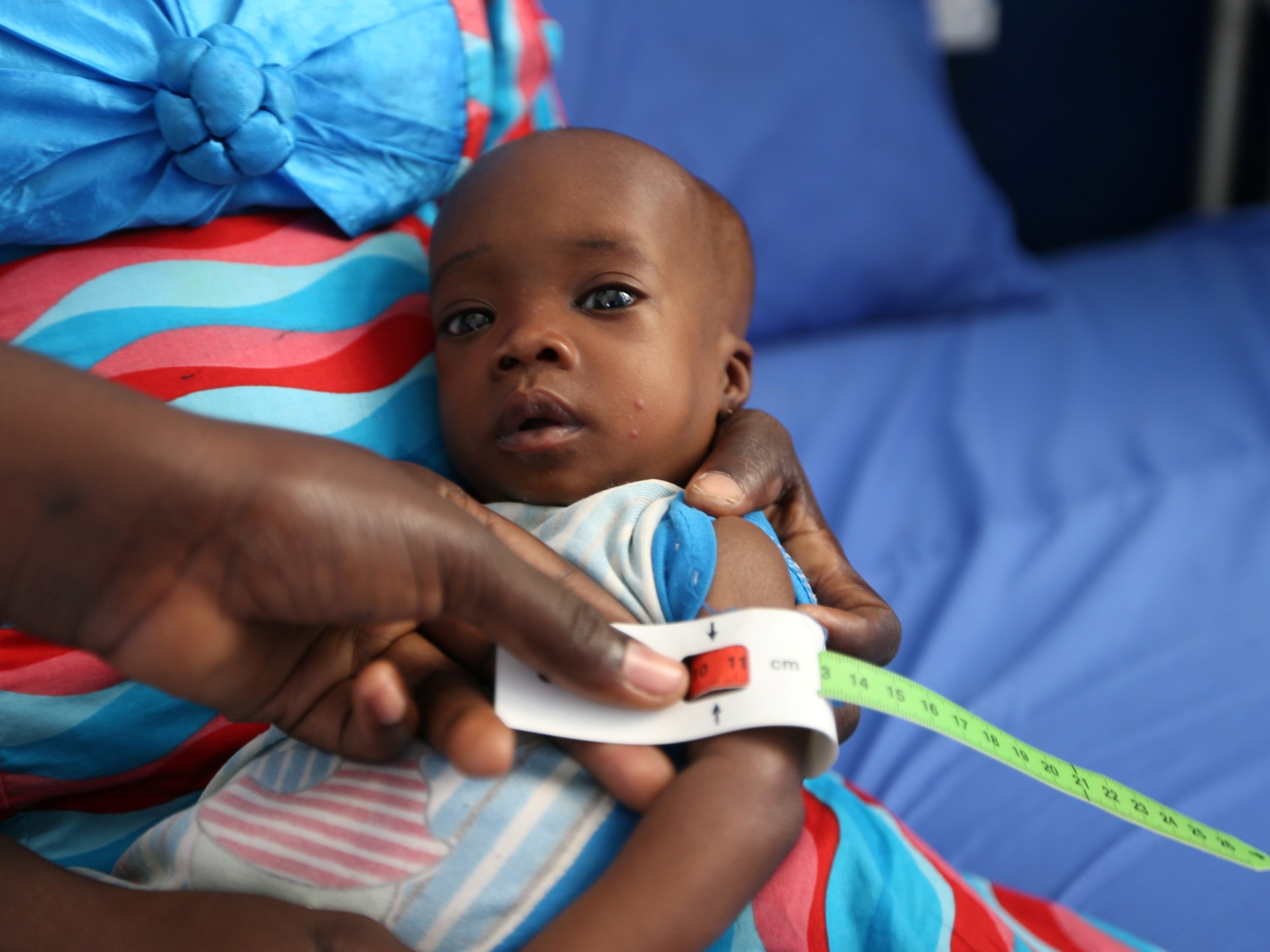
The warning by the Médecins Sans Frontières (MSF) that deepening humanitarian funding cuts are threatening Nigeria’s already fragile healthcare response should be taken seriously. In its 2025 Country Activity Report released last week, the MSF (Doctors Without Borders) described the current health situation in Nigeria as increasingly dire amid worsening economic hardship, insecurity and mounting pressure on overstretched medical services. In 2024 alone, according to the MSF, nearly 300,000 children with severe acute malnutrition were admitted in outpatient units across northern Nigeria—more than half of its global caseload. But perhaps most concerning is the MSF revelation about the growing numbers of malnutrition admissions recorded by the organisation in Nigeria in recent years.
The 2025 data tell a harrowing story. “With over 440,000 children put on treatment, it is the year with the highest admissions for malnutrition we’ve had in Nigeria in recent years,” MSF Country Representative in Nigeria, Ahmed Aldikhari, said. “Conflict and insecurity, displacement, several consecutive years of inflation, flooding, drought and rising food prices continue to affect families’ ability to access food and healthcare. Humanitarian funding cuts are also increasing pressure on already overstretched services in high-need areas.”