Nigeria needs a serious conversation on population control
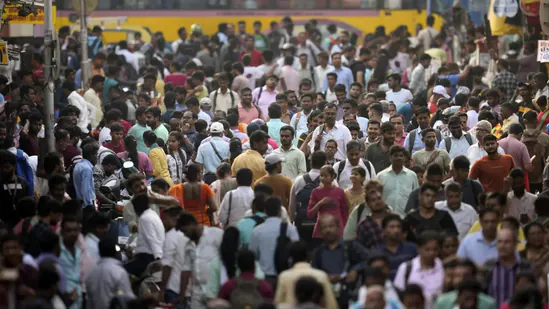
With the theme, ‘Realising the hopes and aspirations of young people for their futures,’ the 2026 World Population Day will be marked tomorrow. It focuses on how young people are navigating a rapidly changing world while examining their aspirations regarding education, mental well-being and family life. With a demographic bulge that is putting our country in a very difficult and potentially explosive situation, we hope that authorities in Nigeria and critical stakeholders will use the occasion to begin a conversation on the need for sustainable population.
If a sustainable society is the one with moderate population growth that enables its members to achieve a high quality of life, it goes without saying that a growing population that is not matched with commensurate socio-economic development can only breed chaos. That precisely is the essence of the World Population Day established by the United Nations (UN) and first observed on 11th July 1989, to raise global awareness on the issue.
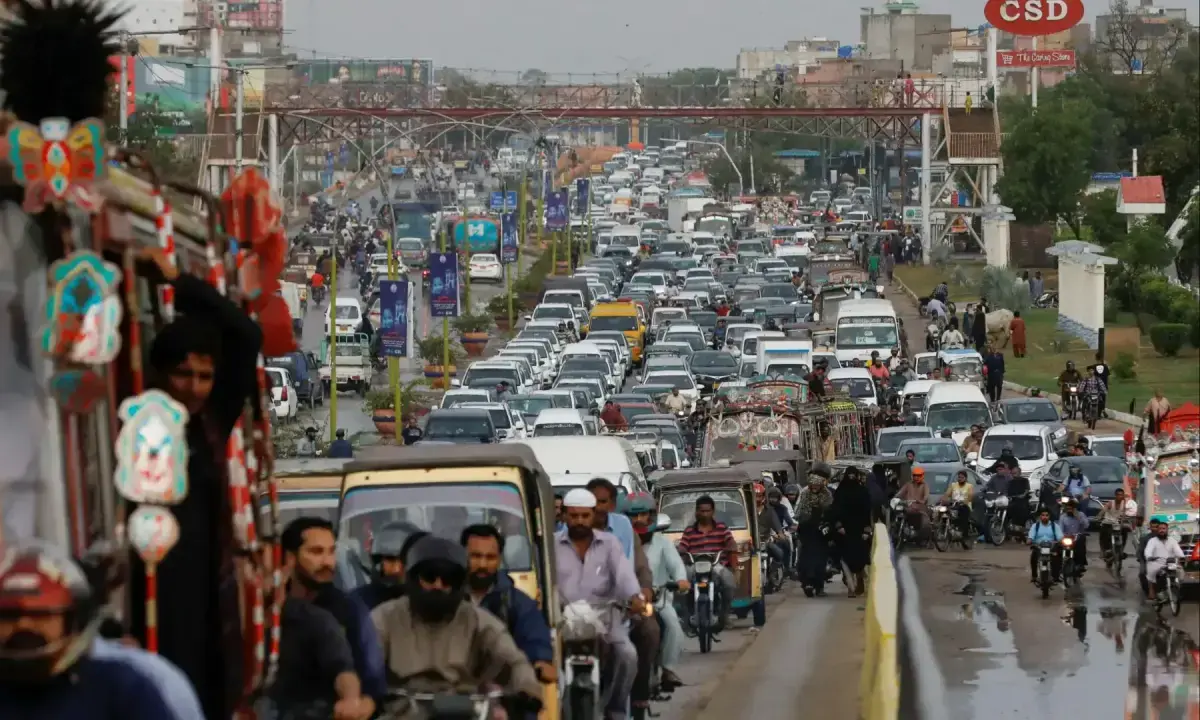
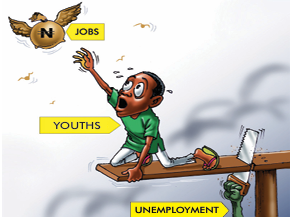
Nigeria, the seventh most populous country in the world, has a fertility rate that outstrips its economic growth. And for more than two decades, the economy has been unable to create enough jobs to absorb its growing army of graduates. Available figures paint a dire situation of millions of Nigerian youths roaming the streets looking for work but finding none. The clear and present danger of such a high level of idleness among millions of young persons are already manifest in the high level of crimes in virtually every corner of the country. Joblessness and frustrations are evidently fuelling the frequent cases of unrest across the country.