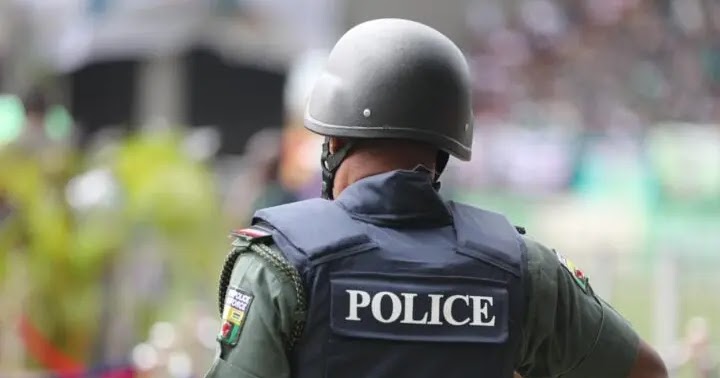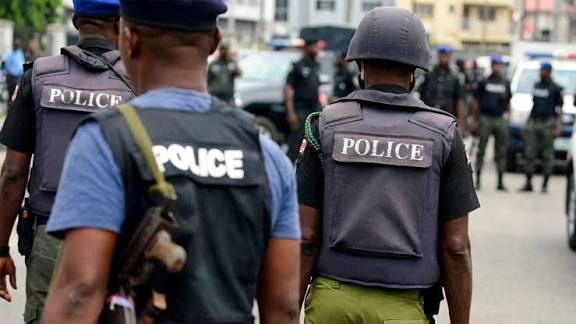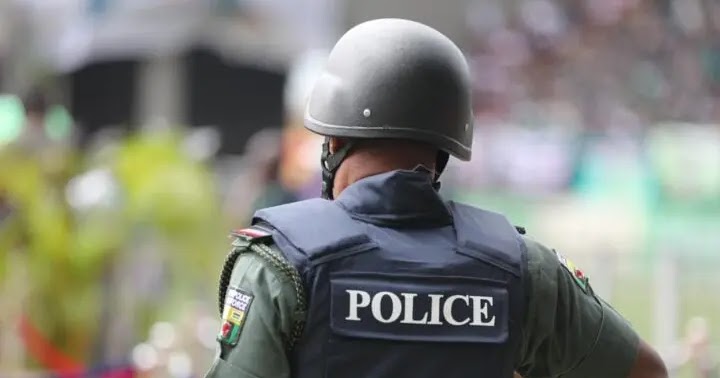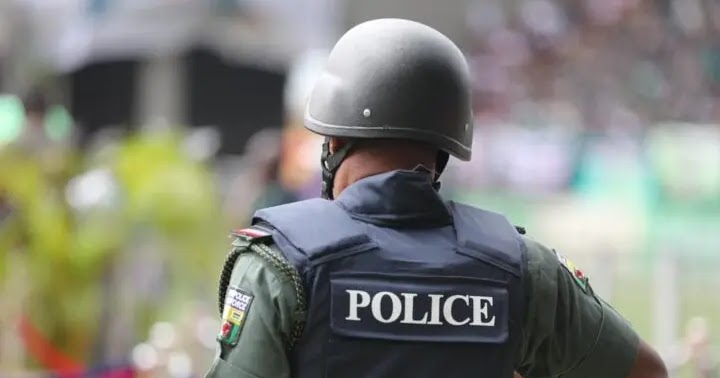
The country's uncharted constitutional territory, a landmark reform, now devolves policing powers to all 36 states for the first time in the country's history.
The move promises a more localised approach to security in a nation long plagued by insurgency, banditry, and communal violence. Yet it also raises fears, well-founded fears, of unchecked executive power at the state level, where weak institutions, political patronage, and a culture of impunity could rapidly transform law enforcement into a tool of repression.
Between the hope of safer communities and the risk of authoritarian abuse lies a fault line that may well determine the trajectory of Nigeria's democracy.
For decades, the Nigerian Police Force operated as a monolith: one command, one headquarters in Abuja, and one chain of authority radiating outward across a country of over 240 million people spread across 923,768 square kilometres of extraordinarily diverse terrain, ethnicity, and security conditions.
From the oil-rich creeks of the Niger Delta to the conflict-ridden farmlands of the Middle Belt, from the insurgency theatres of the North-East to the kidnapping corridors of the North-West, a single federally controlled force was expected to serve them all. For decades, that arrangement failed them all.