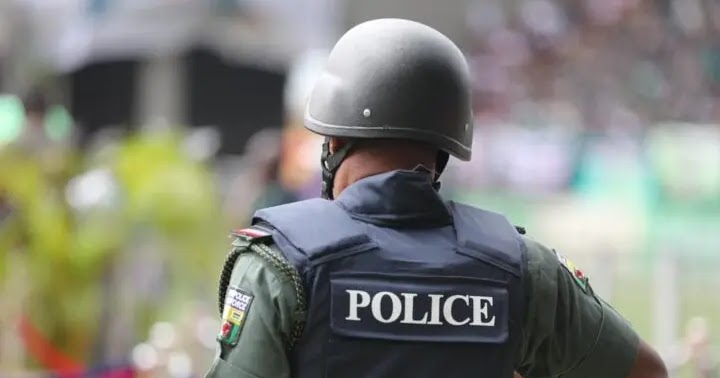
At independence in 1960, Nigeria practised a dual policing structure, with both federal and regional police structures, alongside a Native Authority/Local Police. The first military coup in 1966 abolished regional police for a reason that regional governments abused and used regional police for political manipulation. Eras of military rule returned Nigeria’s policing system to the coercive model designed by colonial masters to protect colonial interests rather than serve the people. Through years of military rule, the military centralised, militarised and systematically reduced the Nigeria Police Force (NPF) to a weakened, underfunded, and subordinate institution by suspending democratic oversight bodies, intentionally starving the force of operational funds and training, and aggressively taking over traditional policing duties in order to consolidate political control. This led to 60 years of underpolicing Nigeria, with the resultant security crisis that we face today.
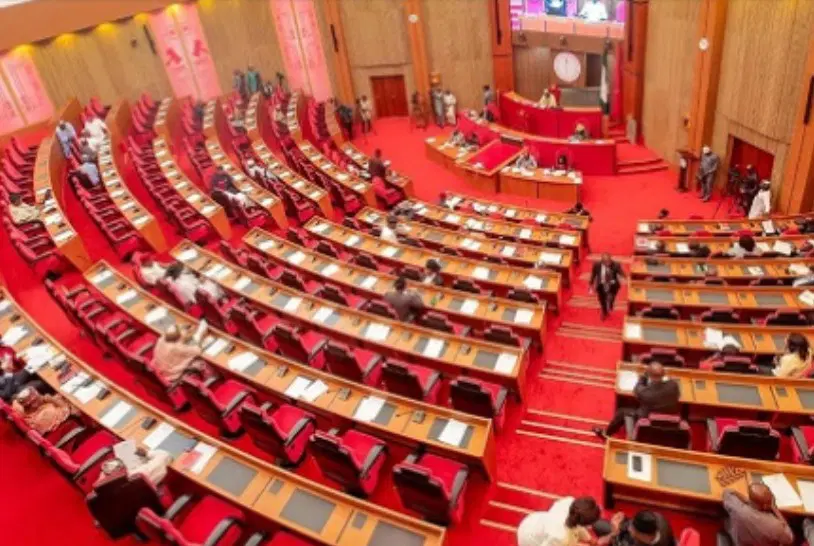
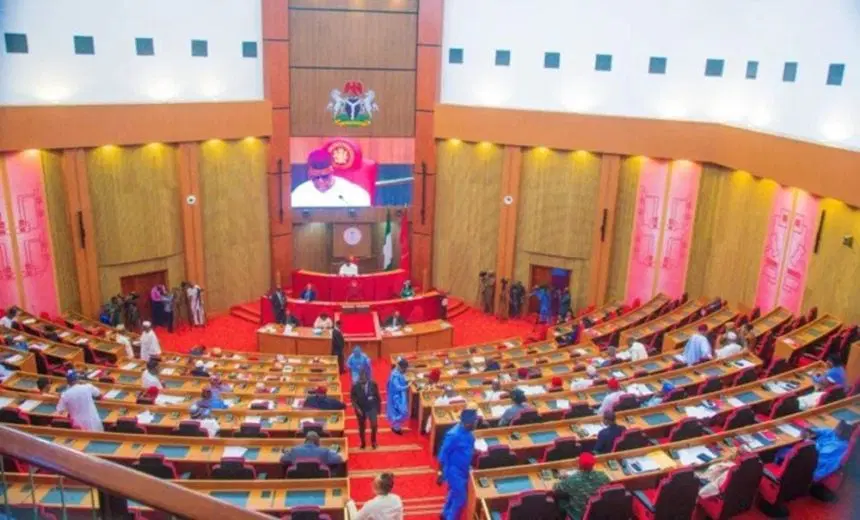
It is therefore refreshing that after years of debates on how every state in Nigeria should police itself, the National Assembly has approved the alteration of the 1999 Constitution of the Federal Republic of Nigeria (State Police) Bill, 2026, seeking to return Nigeria to the 1960 policing system by establishing a dual policing structure consisting of the Nigeria Police Service (NPS) and State Police Services (SPSs). Given that in May 2024, the Conference of Speakers of State Legislatures of Nigeria announced its support for state police, the focus is not on a possible difficulty in securing the 24 of the 36 states’ endorsement as required for the constitutional amendment to scale through but on institutional and operational efficiencies that will build public trust in SPSs.