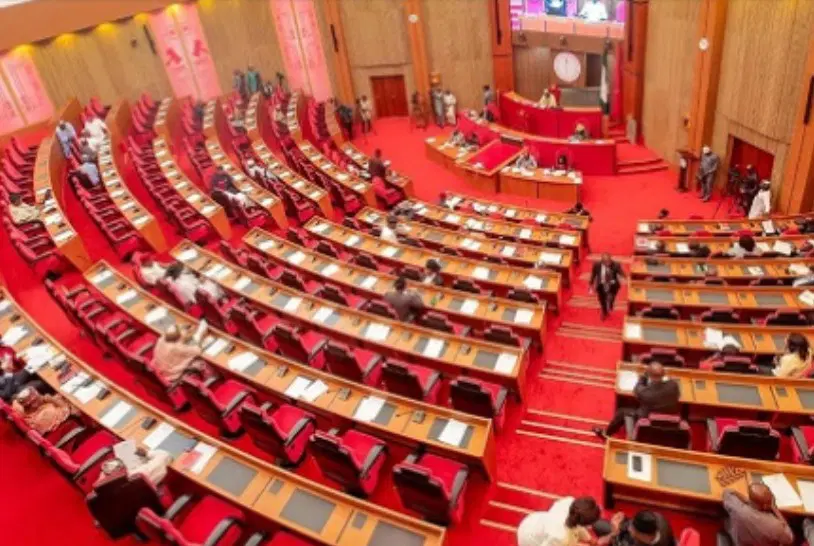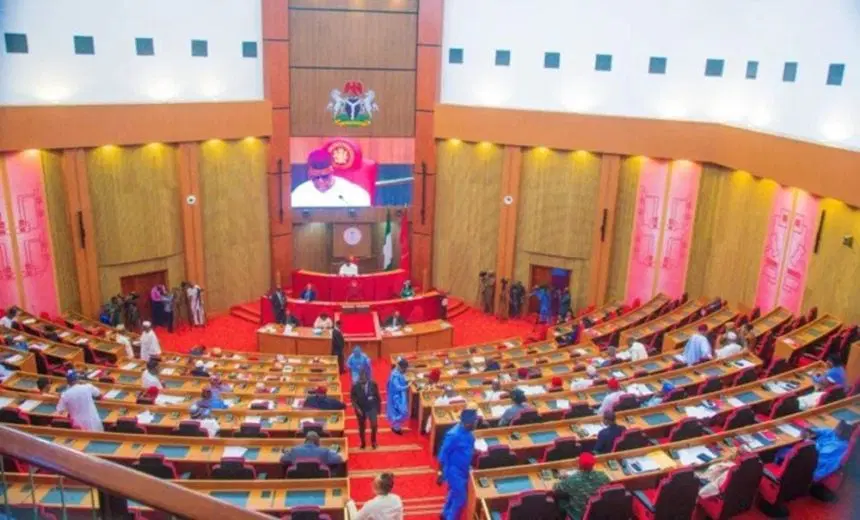
Nigeria moved a significant step closer to one of the most far-reaching security reforms in its democratic history on Wednesday, June 24, 2026, as the Senate approved a constitutional amendment bill seeking to establish state police and local government police services alongside the existing Nigeria Police Force, writes Sunday Ehigiator
For more than two decades, Nigeria’s security challenges have continued to outpace the capacity of its highly centralised policing system. From terrorism in the North-East and banditry in the North-West to kidnapping, cultism, communal clashes, separatist agitations and urban crime, the burden on the Nigeria Police Force (NPF) has grown exponentially.
Yet despite these mounting challenges, policing remains one of the most centralised functions of government under the 1999 Constitution. But that may soon change.
The recent passage by the Senate of a Constitution Alteration Bill seeking to establish State Police and related policing institutions marks one of the most ambitious attempts to restructure Nigeria’s security architecture since the country’s return to democratic rule in 1999.
Far from being a simple proposal to create state-controlled police formations, the bill seeks a sweeping overhaul of policing in Nigeria, introducing a multi-tier security system that includes federal, state and local government police services, alongside new oversight bodies, recruitment mechanisms, accountability structures and constitutional safeguards.