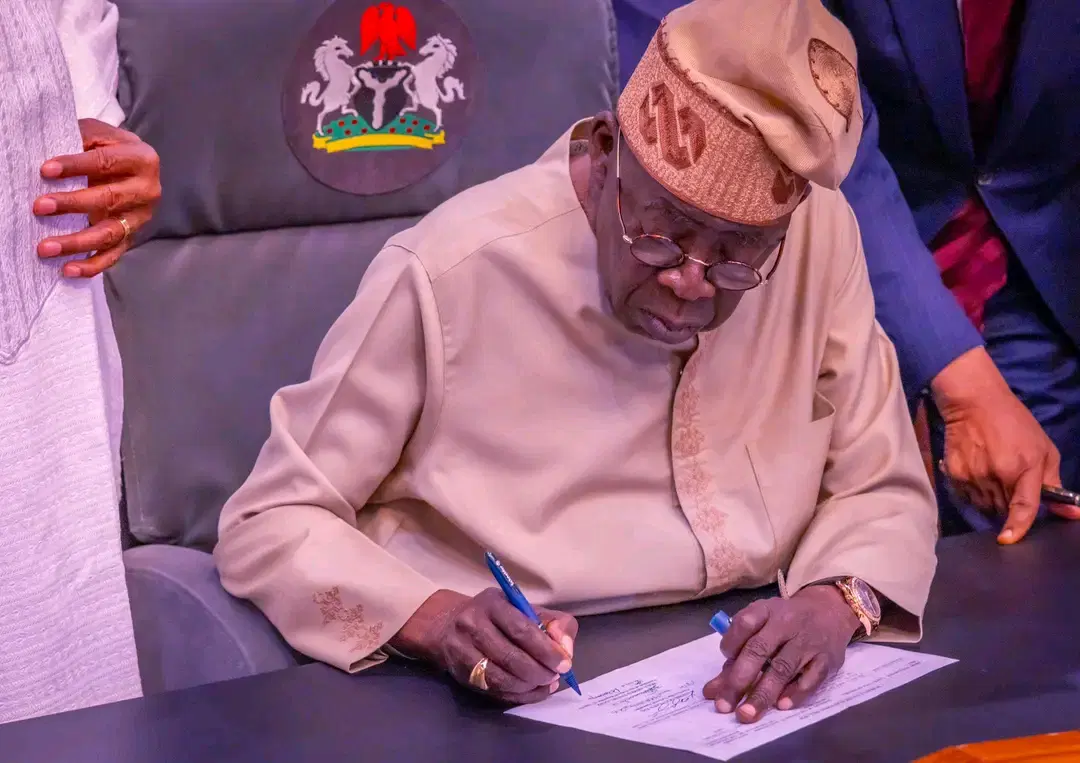
I welcome the recent progress made toward the establishment of State Police in Nigeria, following the support of President Bola Ahmed Tinubu and the passage of the constitutional amendment bill by the National Assembly. This development represents one of the most significant security reforms in Nigeria’s democratic history and reflects a growing recognition that the country’s security architecture must evolve to meet contemporary realities.
For nearly a decade, from the early years of the administration of former President Muhammadu Buhari to the present day, I have consistently advocated for State Policing from a technology leadership, governance, and security management perspective. Through my published articles, policy commentaries, and public engagements, I have argued that the security challenges of the Digital Age require a more decentralised, intelligence-driven, community-focused, and technologically enabled policing framework.
My position has never been based on politics. It has always been based on the realities of security management, leadership, and emerging technological opportunities.
The security threats confronting Nigeria today—including terrorism, banditry, kidnapping, cybercrime, communal conflicts, and organised criminal networks—have stretched the capacity of a highly centralised policing structure. A nation of Nigeria’s size, diversity, and complexity requires a security framework capable of responding rapidly to local realities while remaining coordinated at the national level.