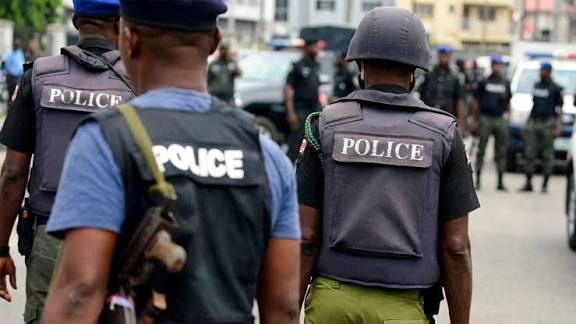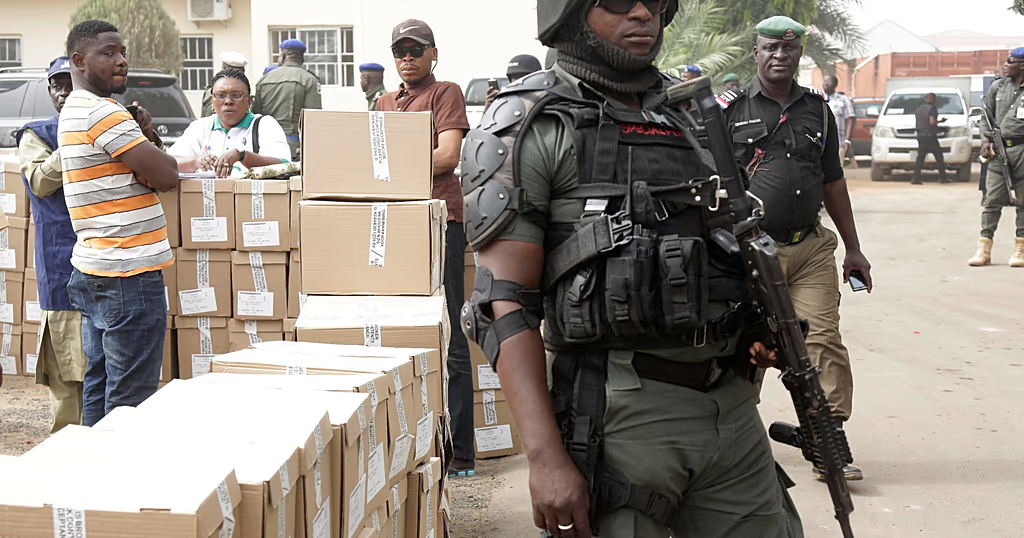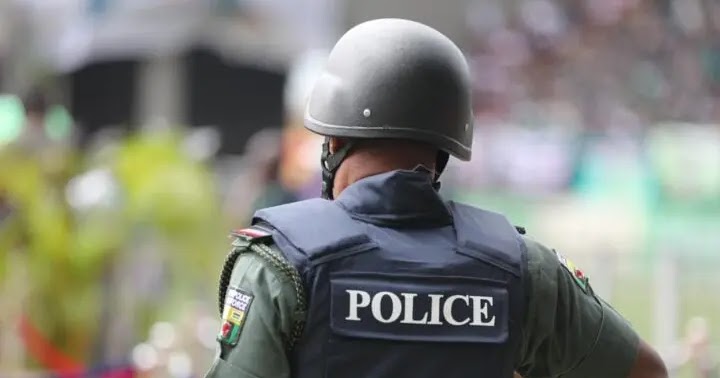
The proposed establishment of state police has emerged as one of Nigeria’s most ambitious constitutional reforms in decades, promising to decentralise policing and strengthen grassroots security.
An investigation by BusinessDay across Northern Nigeria, however, shows that while many states welcome the proposal as a potential game changer, its implementation will depend largely on how effectively they overcome funding constraints, political interference, ethnic and religious divisions, weak institutions and the challenge of coordinating with federal security agencies.
From Kano to Plateau, Kogi, Kaduna, Kwara, Niger, Katsina, Benue, Bauchi, Borno and Adamawa, stakeholders agree that locally controlled policing could improve intelligence gathering, response time and community engagement. Yet, they also caution that without constitutional safeguards and independent oversight, state police could become vulnerable to political manipulation and deepen existing social fault lines.
Security analysts argue that Northern Nigeria represents the biggest test for decentralised policing because the region faces varying security threats, including insurgency, terrorism, banditry, kidnapping, communal violence and farmer-herder conflicts.