Iyobosa Uwugiaren examines the issues enveloping President Bola Tinubu’s reform for the Nigeria Police Force, and fears of political power grab being expressed by some stakeholders.
When Ebonyi State Governor, Hon. Francis Nwifuru was quoted as saying he had the power to “consume and destroy opposition members during a political gathering”, the comment quickly moved beyond political show business.
In a country already debating the creation of state police and its implications for the political environment, it landed as something more disturbing—a reminder of how concentrated state power can become when unchecked.
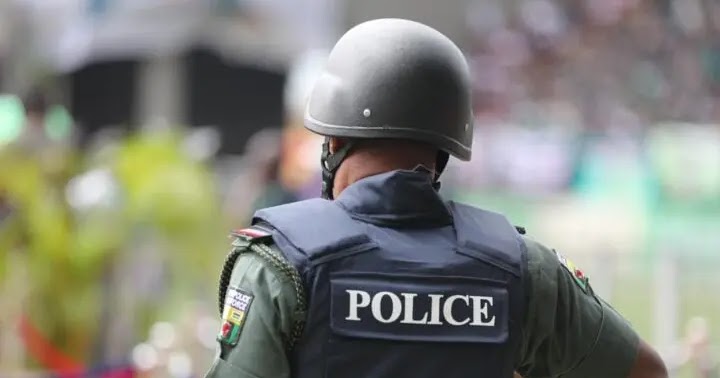
For many Nigerians, Governor Nwifuru’s remark sharpened an uncomfortable question–now sitting at the centre of the national conversation: if governors already command vast political influence, what happens when they also gain operational control over armed police structures within their states—as currently being proposed?
That question has become more urgent as the country moves closer to constitutional amendments that could establish state police, in response to Nigeria’s deepening security crisis marked by banditry, kidnapping, terrorism and widespread communal violence.