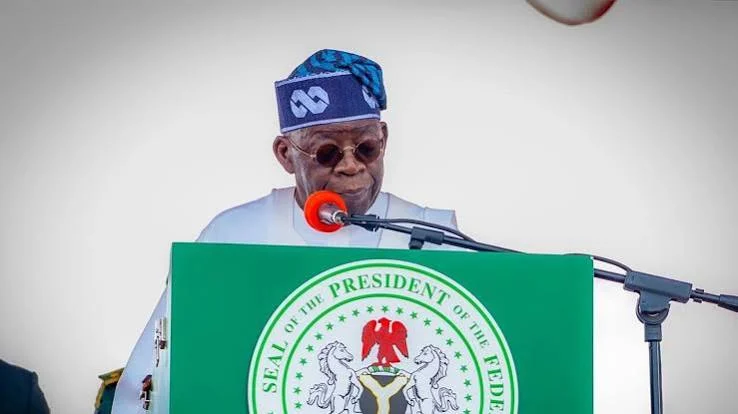
As Nigeria undertakes this historic reform of its policing architecture, we must resist the temptation to focus only on decentralising power. Equally important is democratising accountability. A decentralised police system without democratic oversight merely relocates power; it does not necessarily make policing better. But a decentralised police service anchored on broad-based democratic accountability has the potential to transform policing into what it ought to be, a truly public institution that exists to serve, protect, and earn the trust of the Nigerian people.
Some of us have consistently argued that many of the pressing challenges confronting Nigeria are rooted in the country’s governance structures. If we are serious about solving these challenges, then we must be equally serious about structural reforms. That is why I am excited by some of the far-reaching reforms the present administration is pursuing, particularly the decentralisation of the Nigeria Police as a response to the country’s worsening security situation.
The debate over state police is not new. It has remained a recurring subject in Nigeria’s security discourse for more than four decades. Before the military coup of 1966, Nigeria operated a decentralised policing system comprising the national police, regional police, and native authority police. Following the coup, however, the military abolished these structures and centralised policing under what became the Nigeria Police Force.