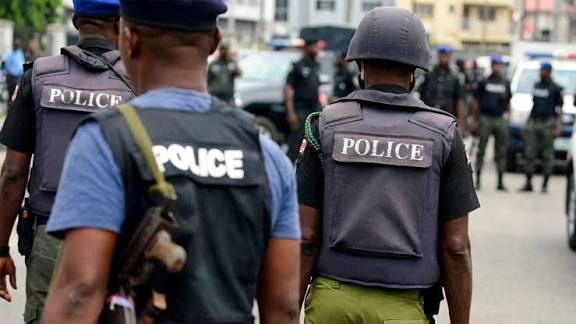
As Nigeria moves closer to adopting state policing, the debate has shifted from whether the country needs a decentralised policing system to how it can establish one that is effective, adequately funded, accountable and insulated from political abuse, writes Linus Aleke
For more than two decades, the debate over state policing has remained one of the most contentious issues in Nigeria’s constitutional and security discourse. Rising insecurity, ranging from terrorism and banditry to kidnapping and communal violence, secessionist agitation and cult related violent extremism has repeatedly exposed the limitations of a highly centralised policing system, prompting renewed calls for a decentralised security architecture.
The conversation is not new. Before the military intervention in 1966, Nigeria’s regions operated their own police formations alongside the Native Authority Police, enabling local authorities to address security challenges within their jurisdictions. However, allegations of political intimidation and abuse by regional governments contributed to the eventual abolition of regional police under military rule. The 1979 and 1999 Constitutions subsequently entrenched a single Nigeria Police Force under the exclusive control of the Federal Government, leaving governors constitutionally designated as Chief Security Officers of their states but without operational control over the police.