Supereruptions are among the most powerful volcanic events on Earth. These massive eruptions release more than 1,000 cubic kilometers of magma, rock, and ash, with the potential to dramatically affect climate, ecosystems, and human societies. Because of their enormous impact, scientists are working to better understand the underground processes that create and sustain these volcanic giants.
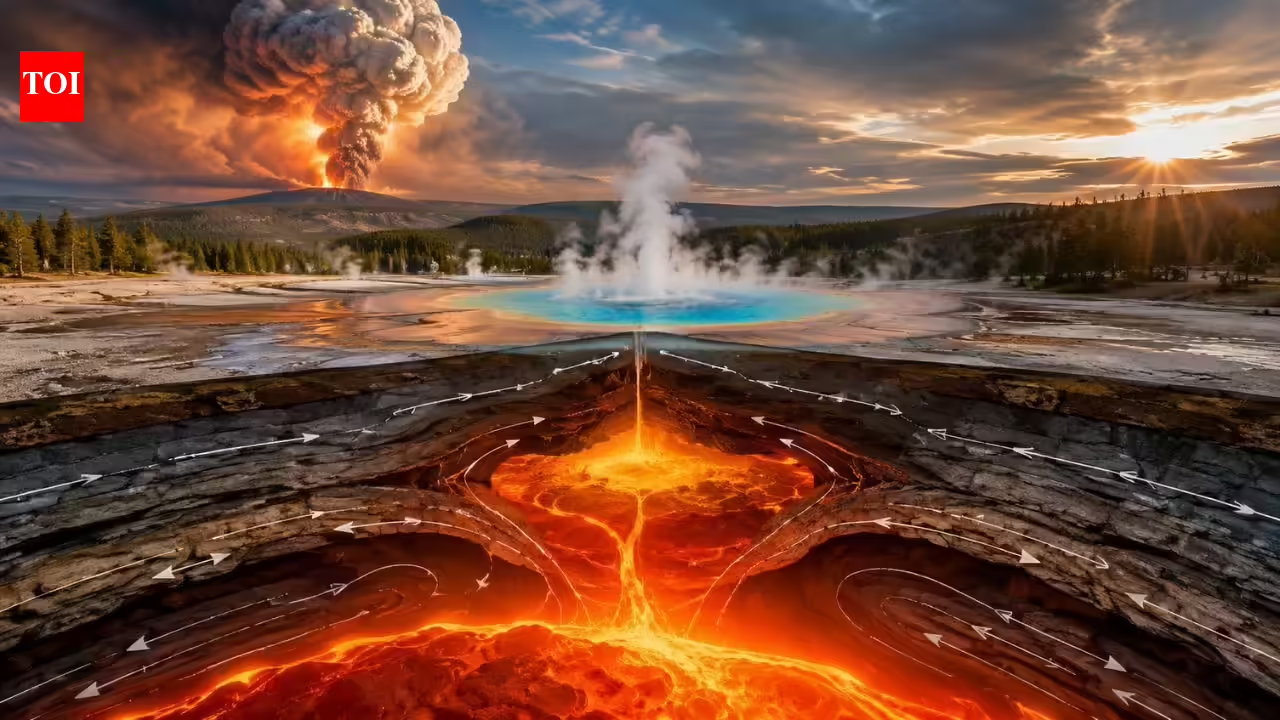
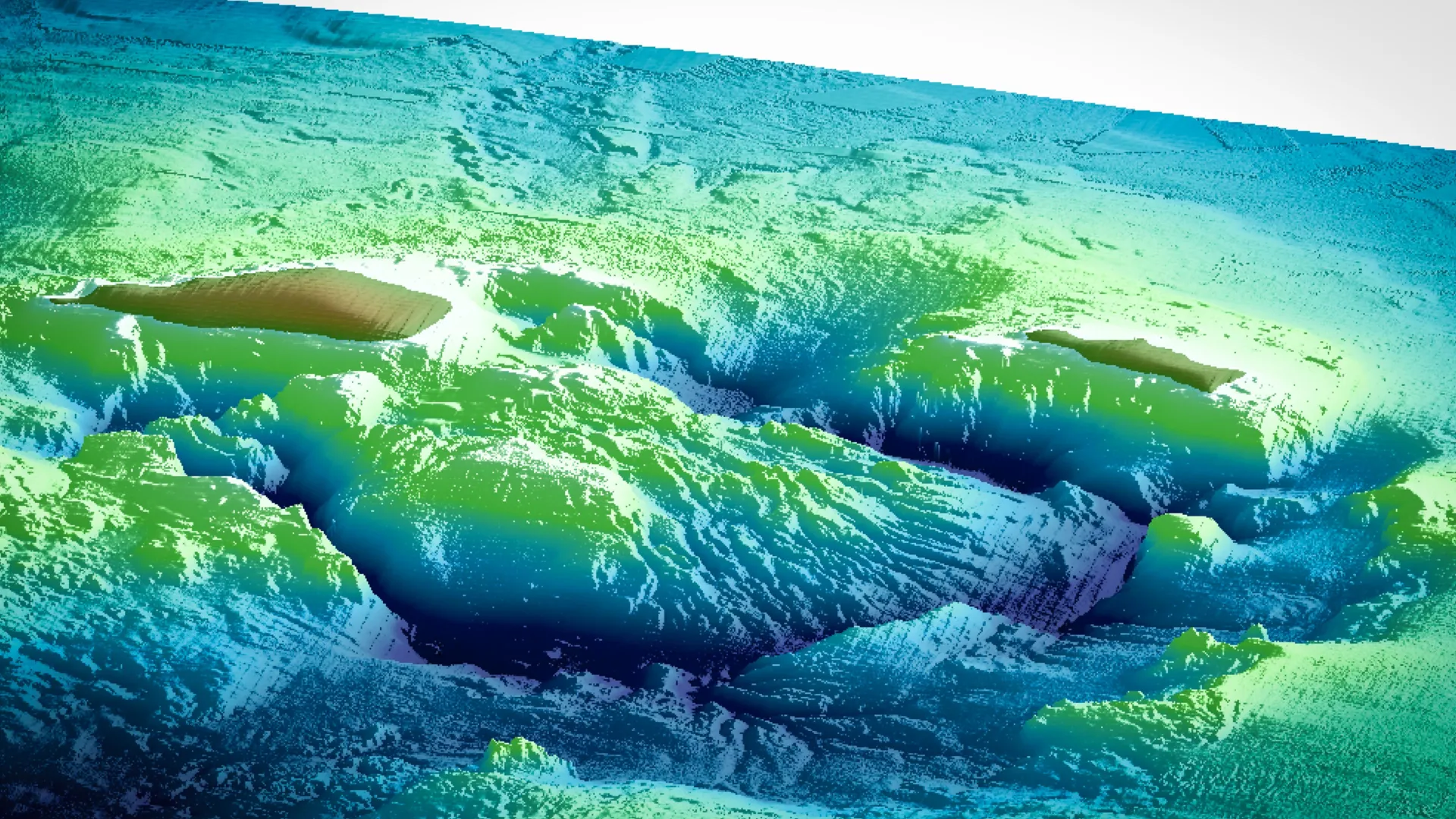
Researchers from the Institute of Geology and Geophysics of the Chinese Academy of Sciences (IGGCAS) have now developed a detailed three-dimensional model of western North America that simulates the present-day behavior of both the lithosphere and the flowing mantle beneath it. Their work reveals a new explanation for how magma is generated beneath supervolcanoes.
The findings were published in Science.
Rethinking How Supervolcanoes Store Magma
For many years, scientists believed that supervolcanoes contained large, long-lived chambers filled primarily with liquid magma. In this traditional view, low-density magma gradually accumulates within the crust, increasing pressure until the surrounding rock fractures, collapses, and ultimately erupts.