view more
Scientists have shed light on a thermal process in magma that may help explain why similar volcanic systems can produce very different eruptive behaviours.
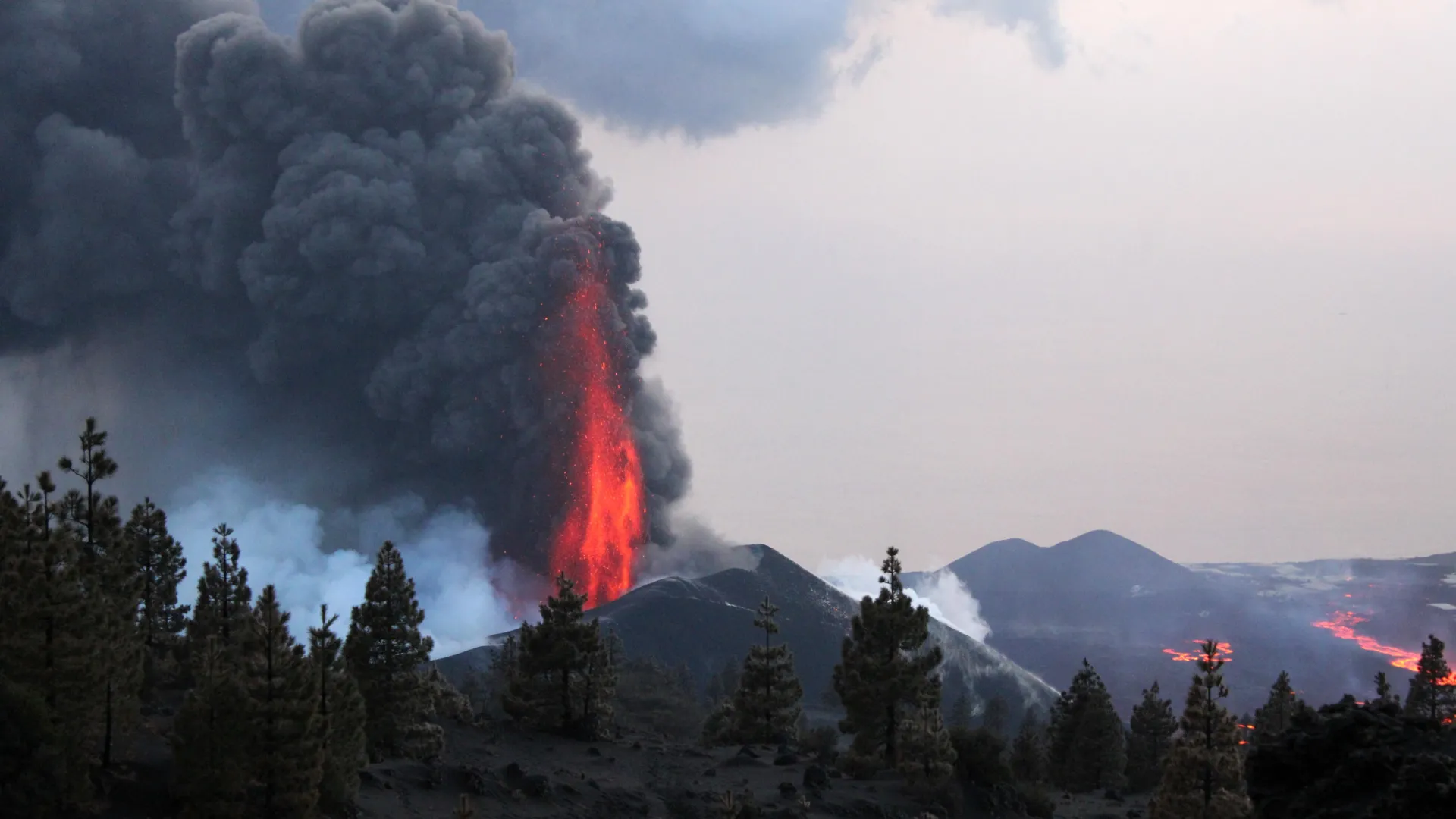
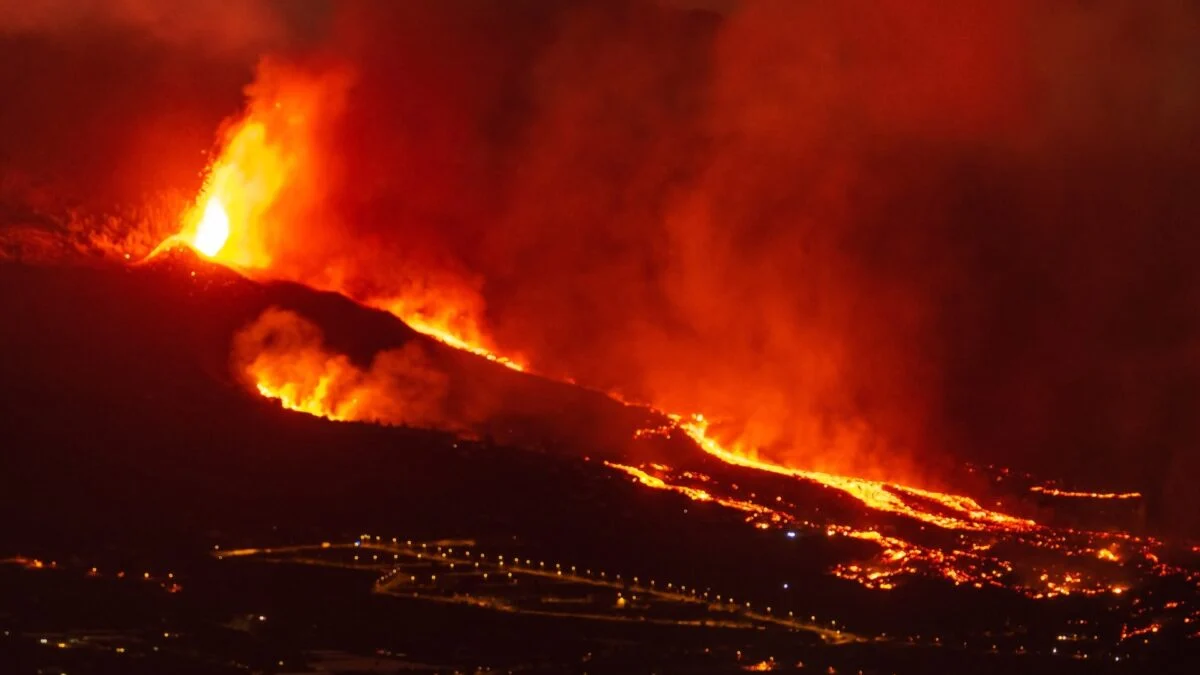
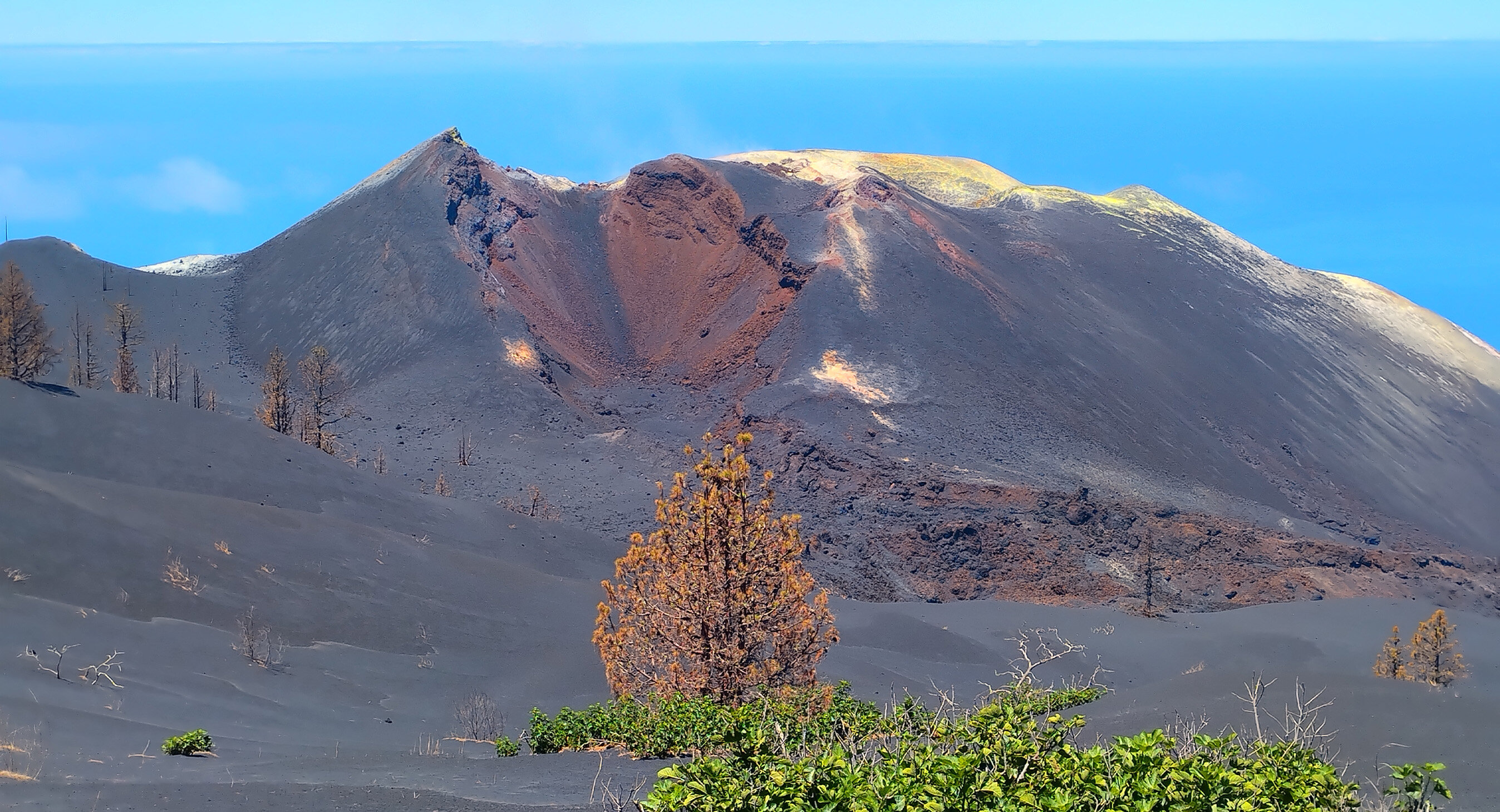
An international team, led by The University of Manchester, studied magma from the 2021 Tajogaite eruption on La Palma, Spain, and found that “superheating” — a state in which magma is heated above the temperature at which crystals are stable — can strongly delay the formation of crystals as magma rises towards the Earth's surface.
Published in Nature Communications, the study shows that high temperatures can dissolve tiny pre-existing crystal "seeds" that normally help new crystals begin to form. Superheating also changes the internal structure of the magma, making it more uniform, and less able to support the formation of new crystals. This influences how quickly magma rises and how easily volcanic gases can escape, both of which play an important role in determining how explosive the eruption will be.
The findings help address a long-standing scientific debate about how a magma’s thermal history influences crystallisation processes before and during eruptions.