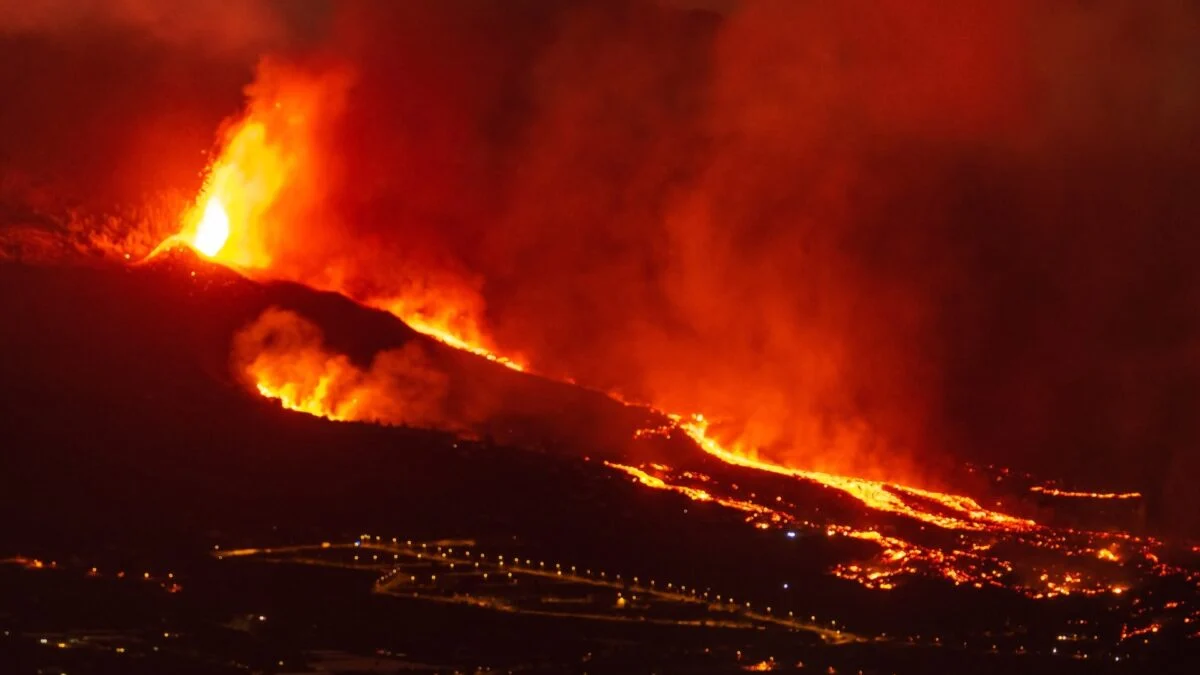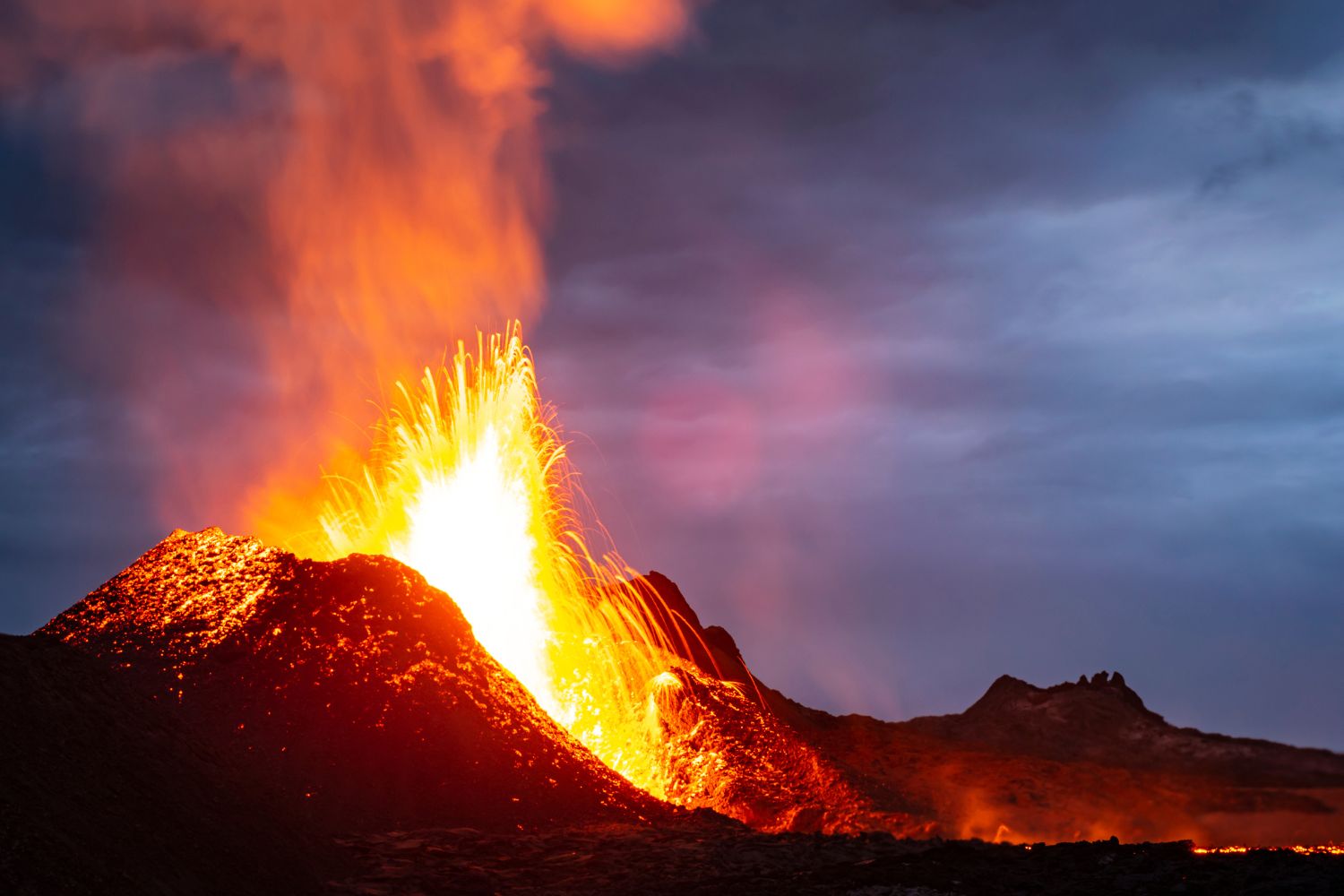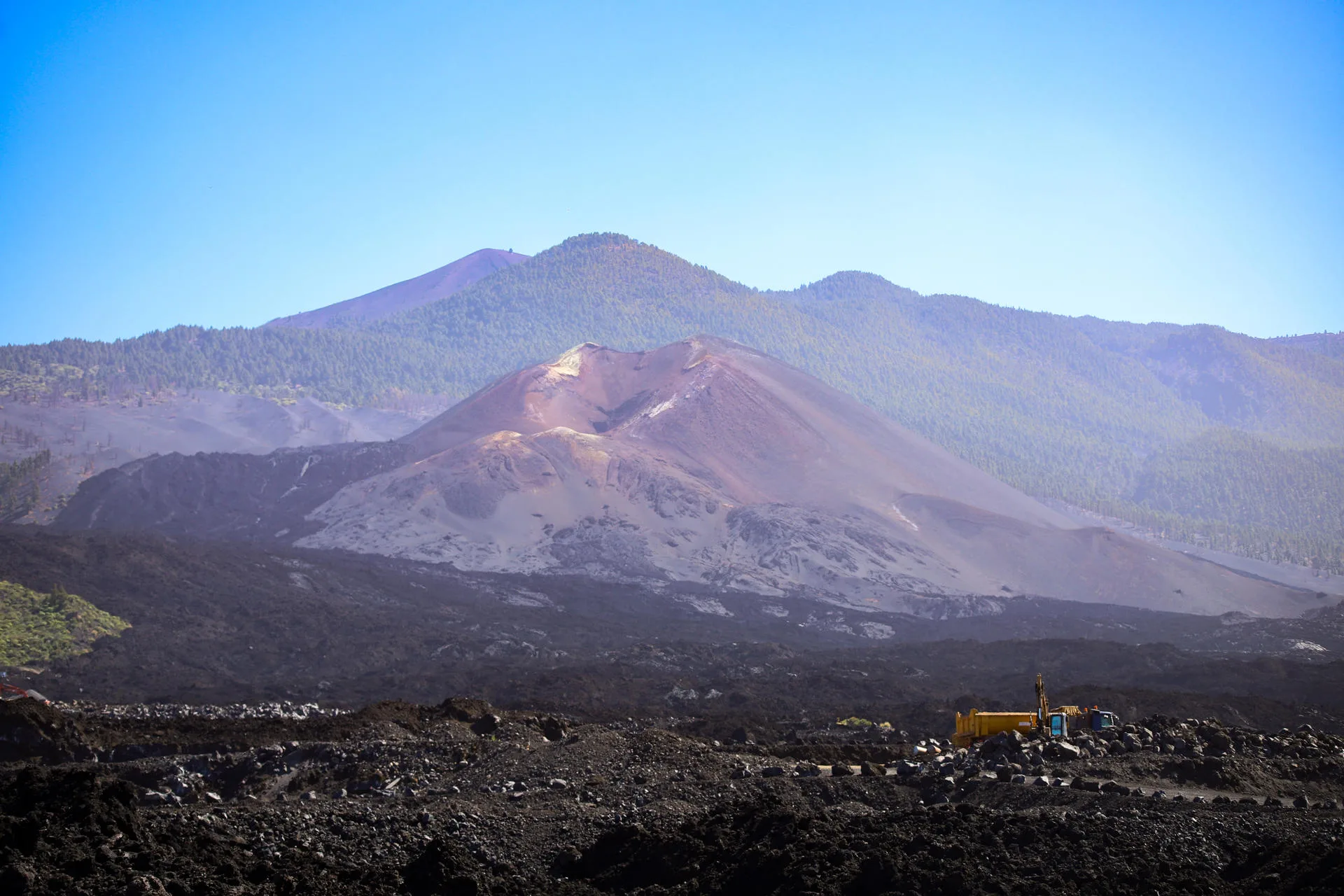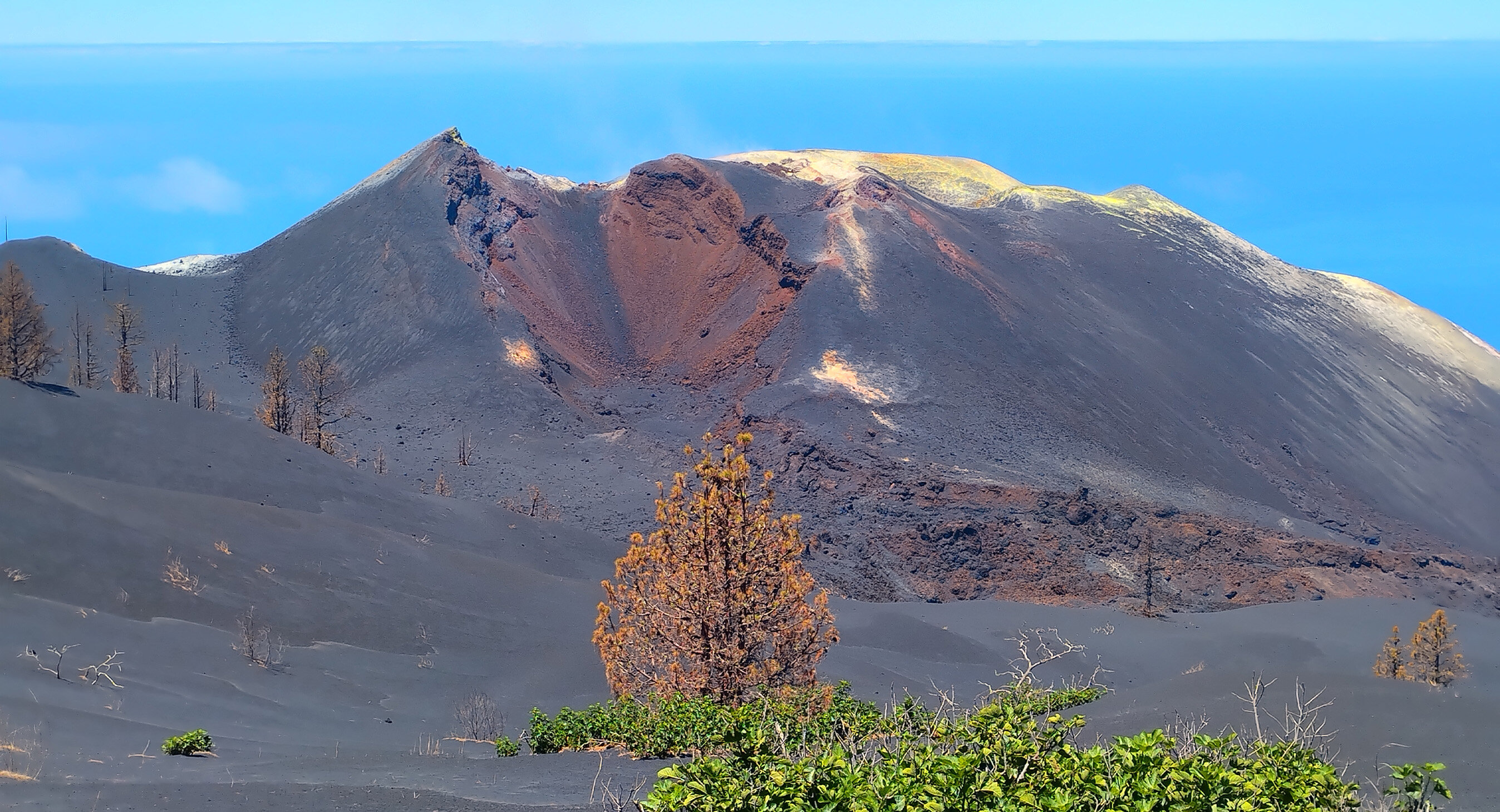
Volcanic cone of La Palma after the eruption, covered in ash and lava flows. Credit: Mari Carmen Trapote
Researchers at Geosciences Barcelona (GEO3BCN-CSIC) have developed a novel way to monitor the silent accumulation of volcanic gases beneath Earth's surface using seismic ambient noise. The results could significantly improve early warning systems for volcanic eruptions.
The continuous but invisible release of gases from underground is notoriously difficult to detect, yet it plays a critical role in volcanic hazard assessment. These gases can affect air quality, ecosystems, and public safety, and shifts in their behavior are often among the earliest indicators that magma is moving upward.
To tackle this challenge, the study, published in Natural Hazards and Earth System Sciences, introduces a low-cost monitoring technique based on analyzing a property of surface seismic waves known as Rayleigh wave ellipticity.
"At the heart of this research are atmospheric tides, a daily physical phenomenon," explains lead author Helena Seivane, who conducted the work with GEO3BCN-CSIC researcher Martin Schimmel. "They provide a natural and periodic reference signal that helps us interpret subtle changes underground."