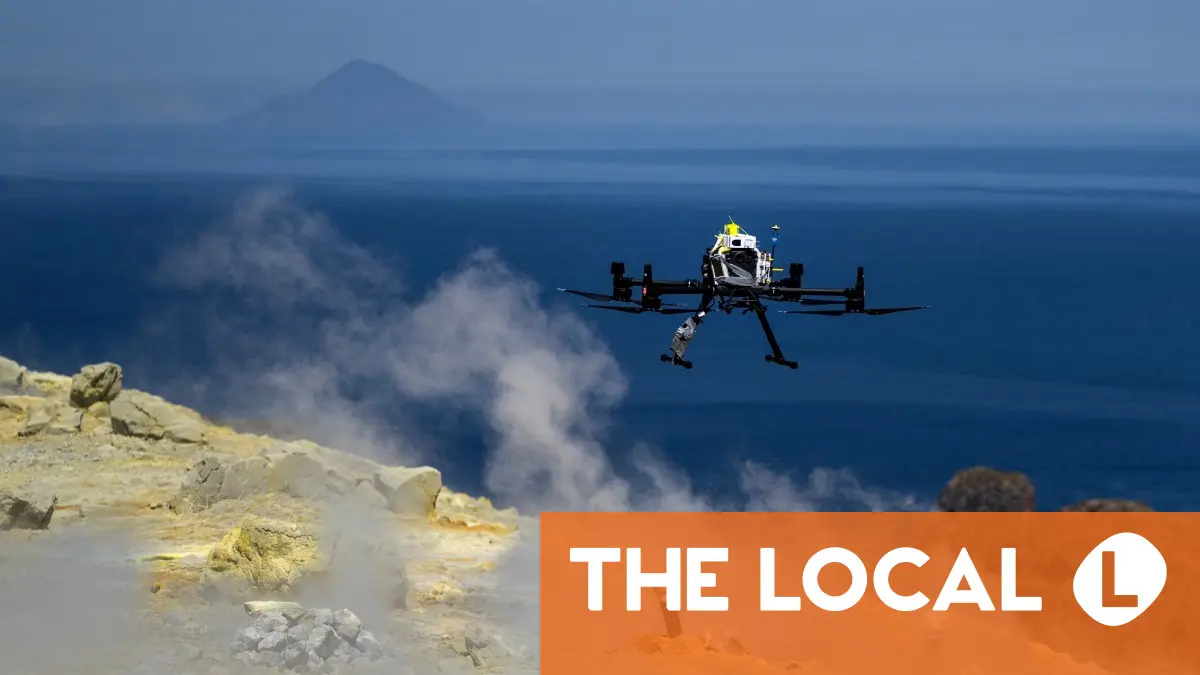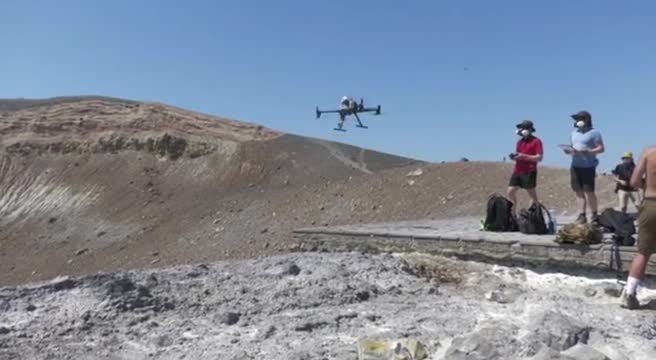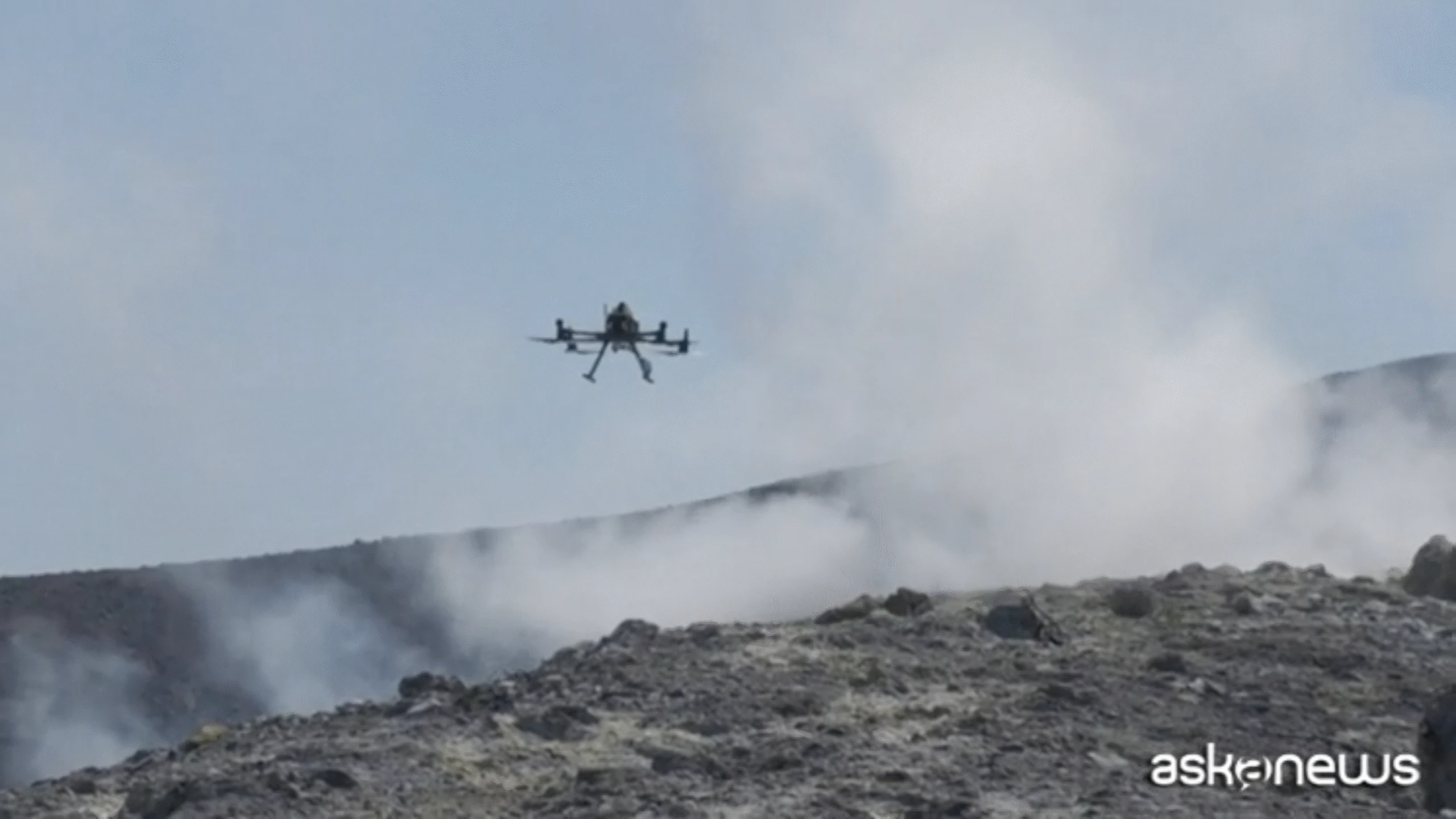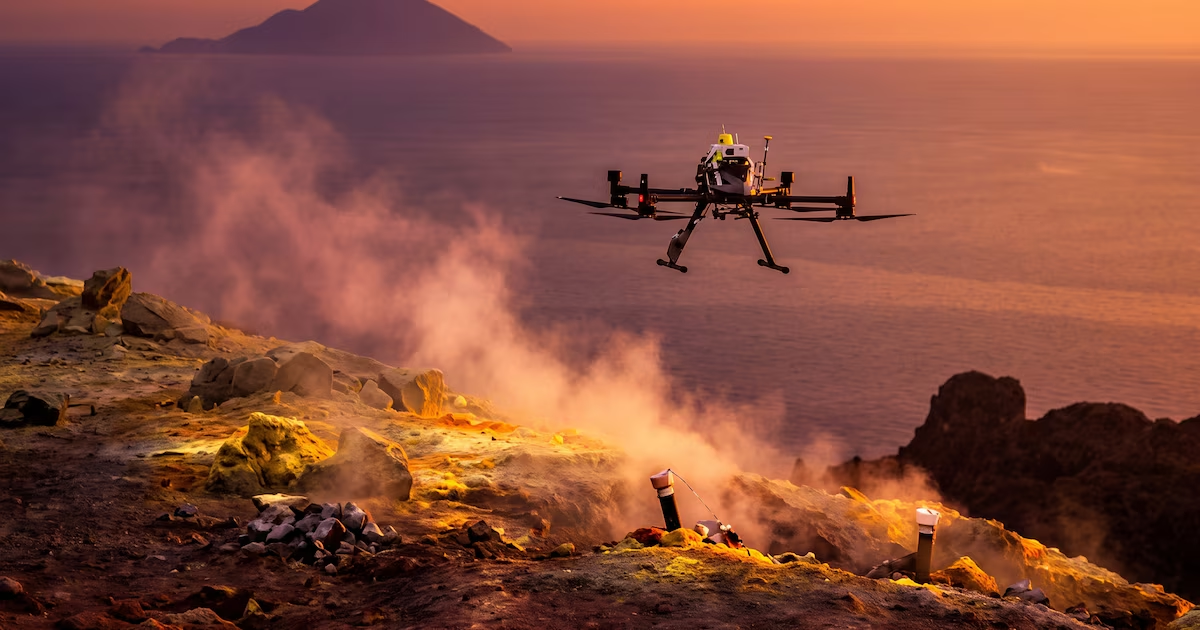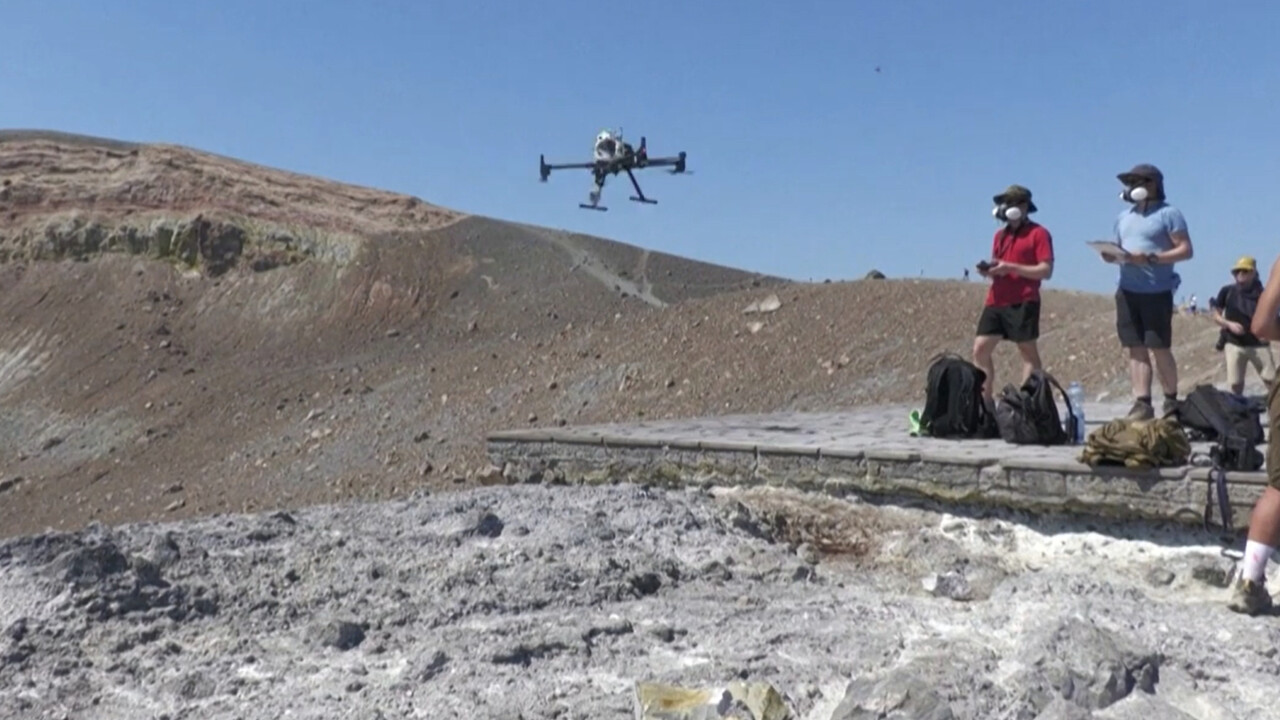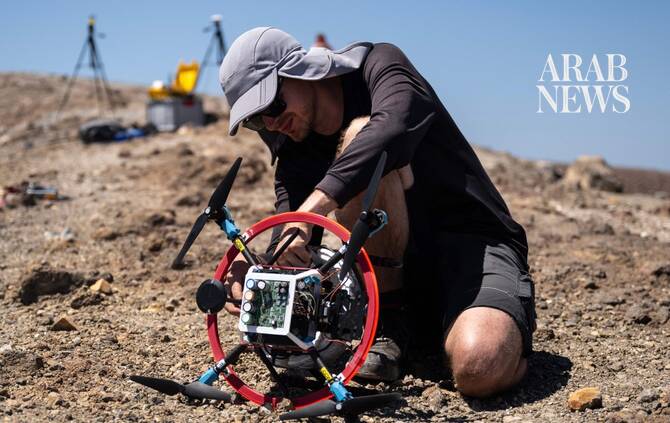
VULCANO PORTO: Hovering over the volcano, a buzzing drone pauses in front of a laser beam on the crater’s edge, as researchers test whether the devices can measure gases to predict eruptions.
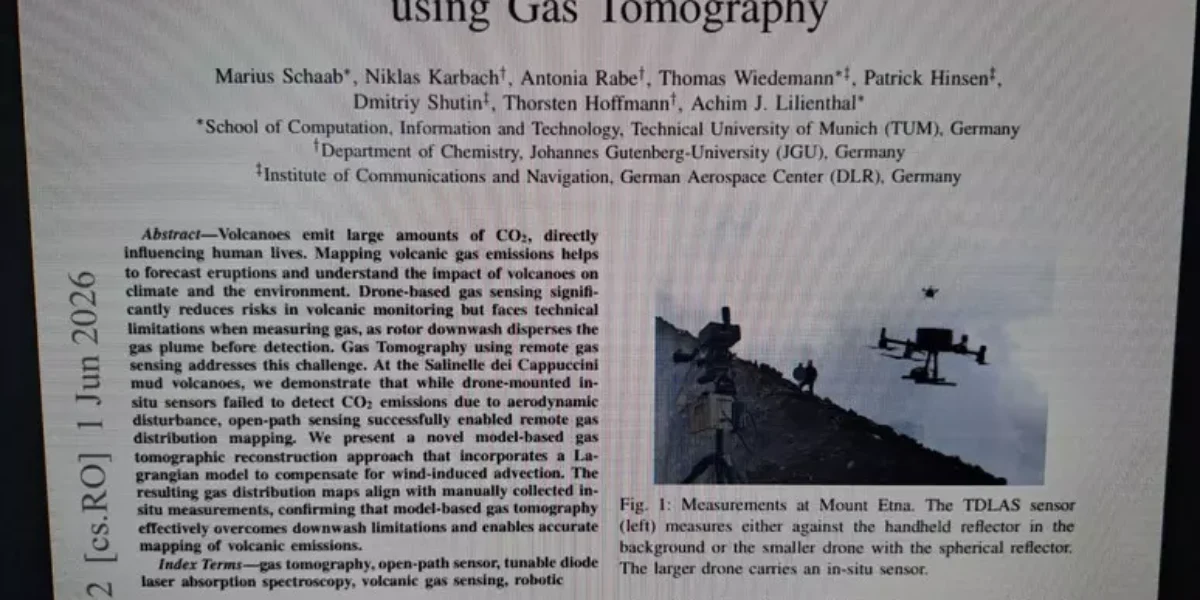
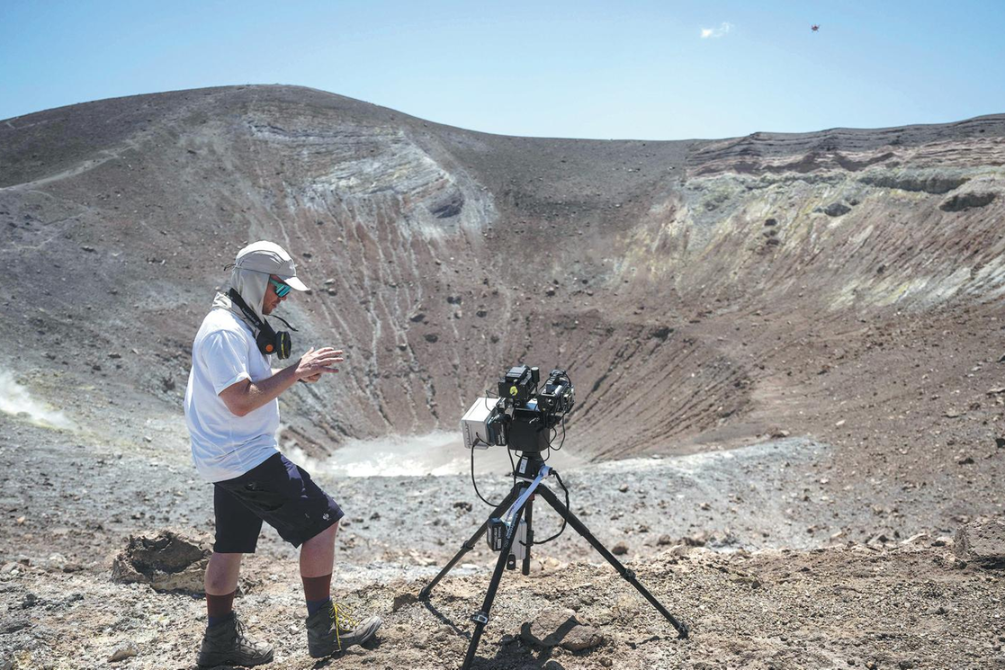
On the Aeolian island of Vulcano, off the coast of Sicily, German researcher Marius Schaab, from the Technical University of Munich (TUM), stands next to a gas sensor mounted on a tripod, waiting for the drone his colleague has just launched to draw closer.
In this remote lunar landscape, where hot volcanic gases and steam smelling of sulfur rise eerily from the earth, the small propeller-driven device catches the eye.
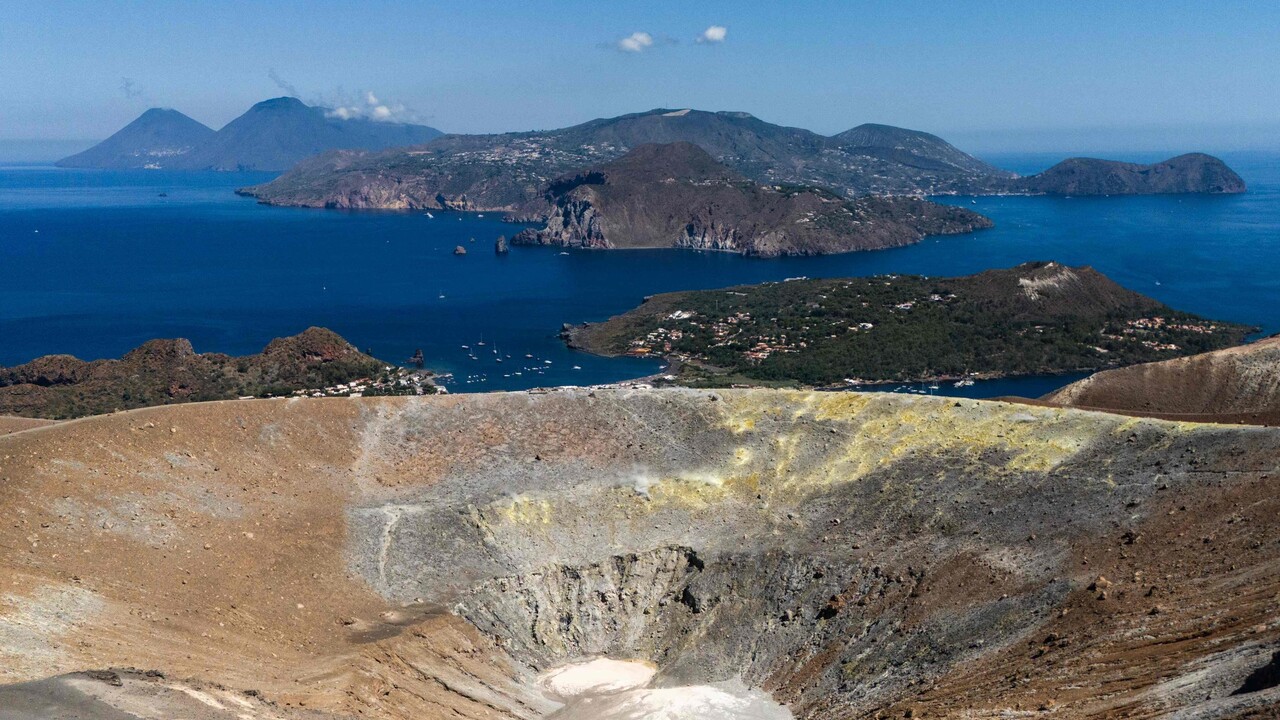
The last eruption of the island’s Grand Crater occurred in the late 19th century but the volcano continues to show intense degassing activity — to the awe of the visitors who are allowed to walk around the rim.
Soon, the drone positions itself along the axis of the sensor, which transmits an invisible laser beam that passes through the volcanic gas emissions before being reflected by the drone, and traveling back.