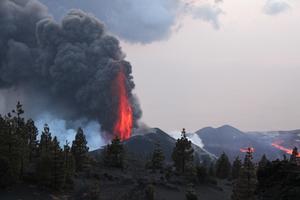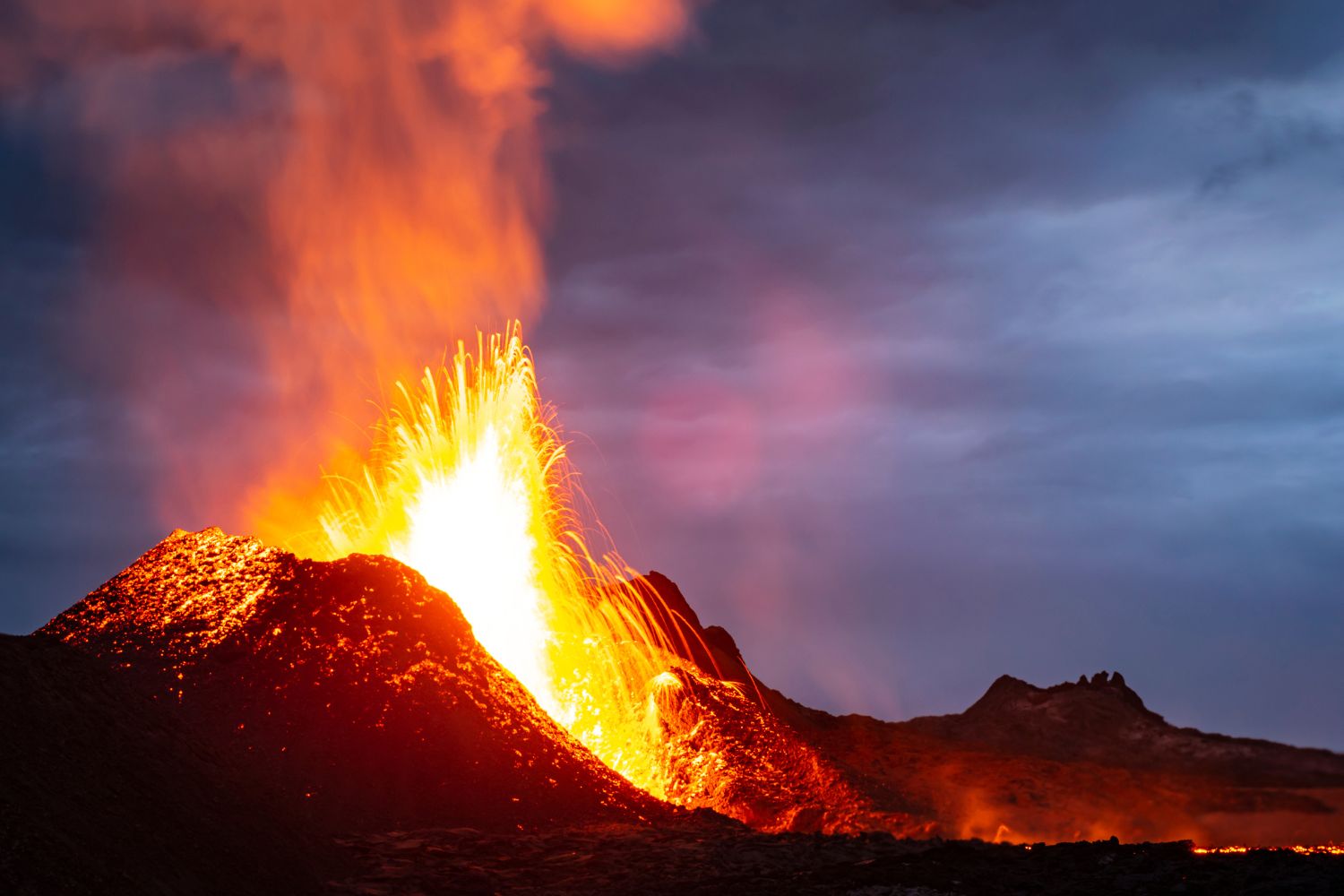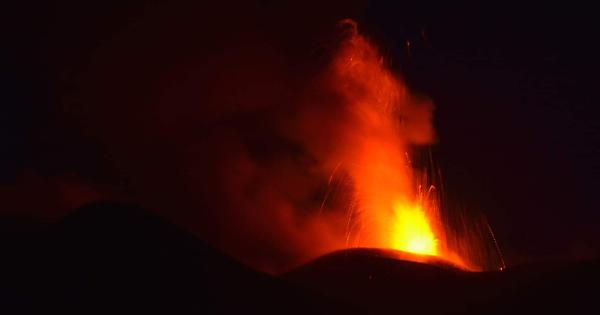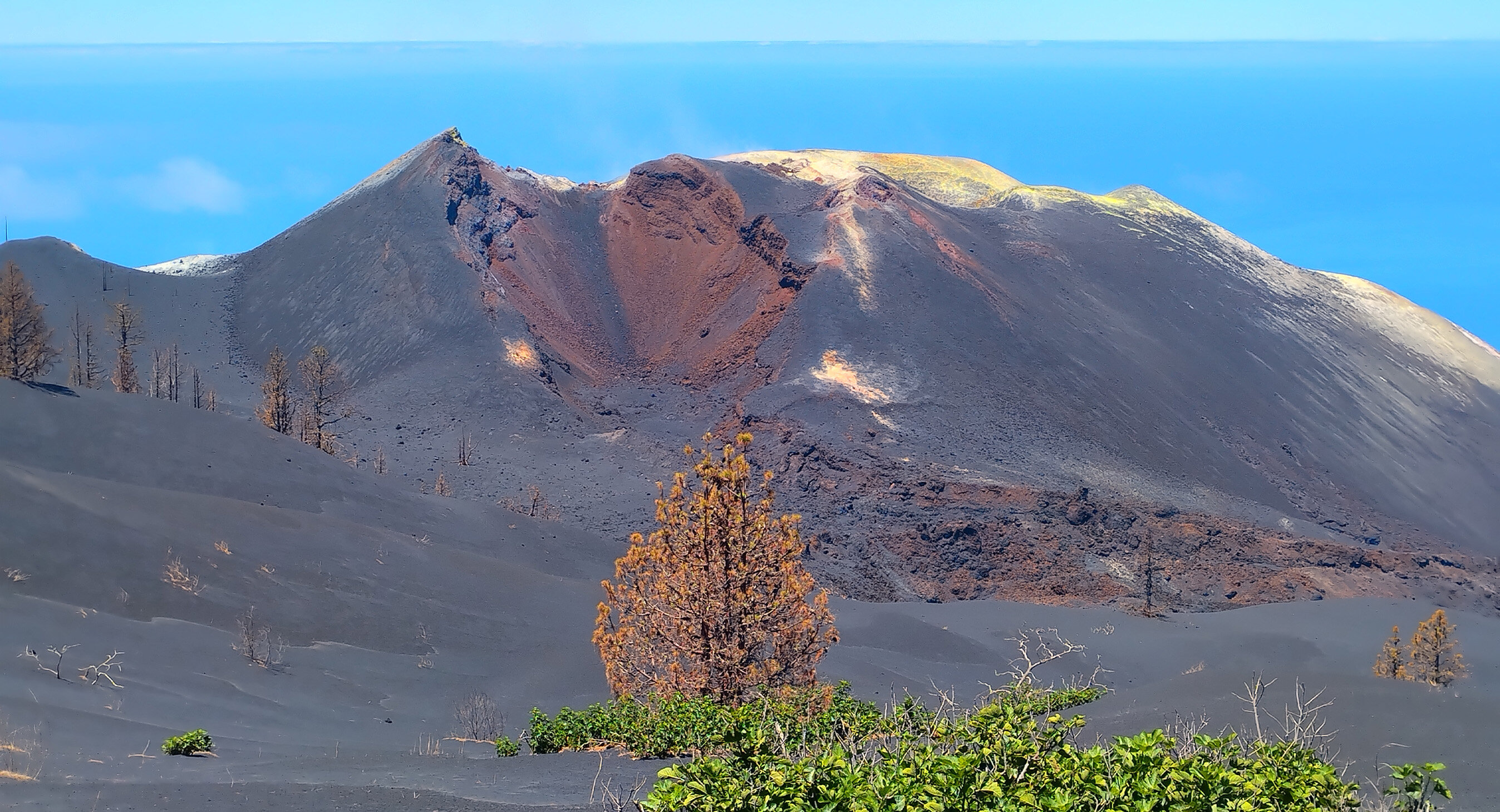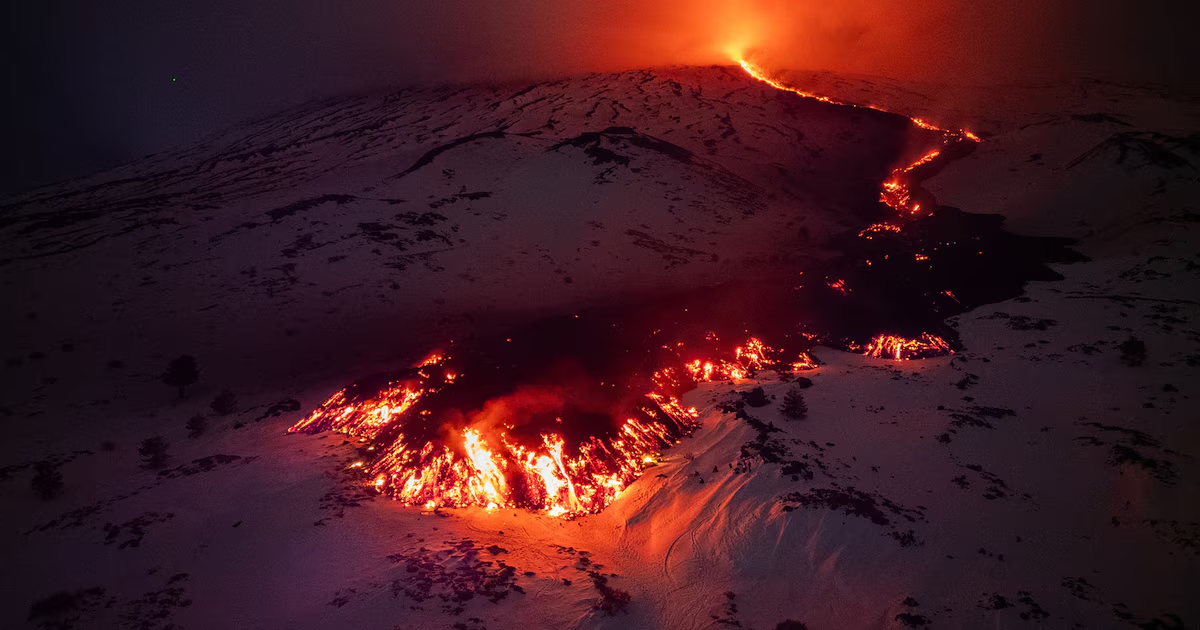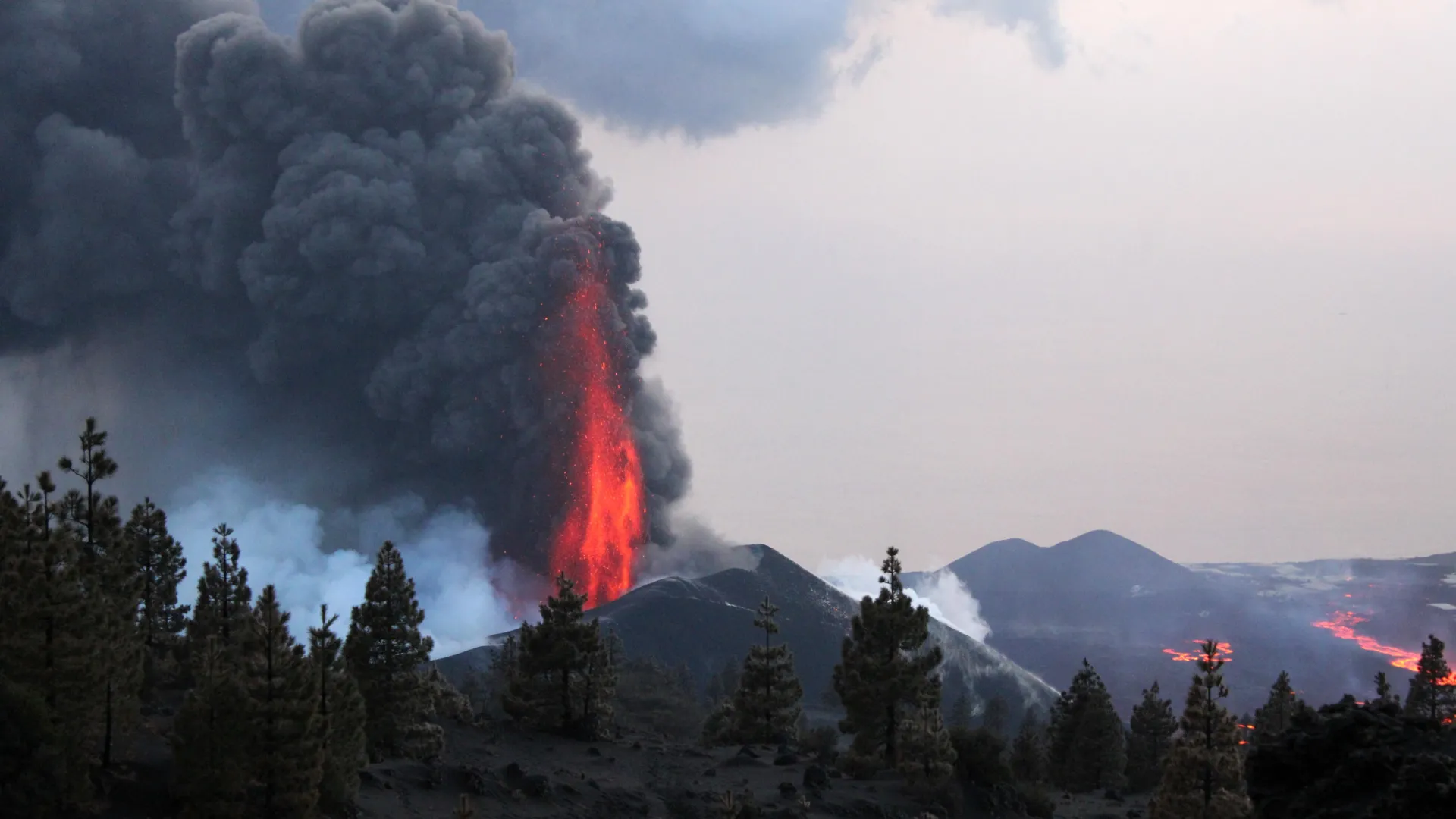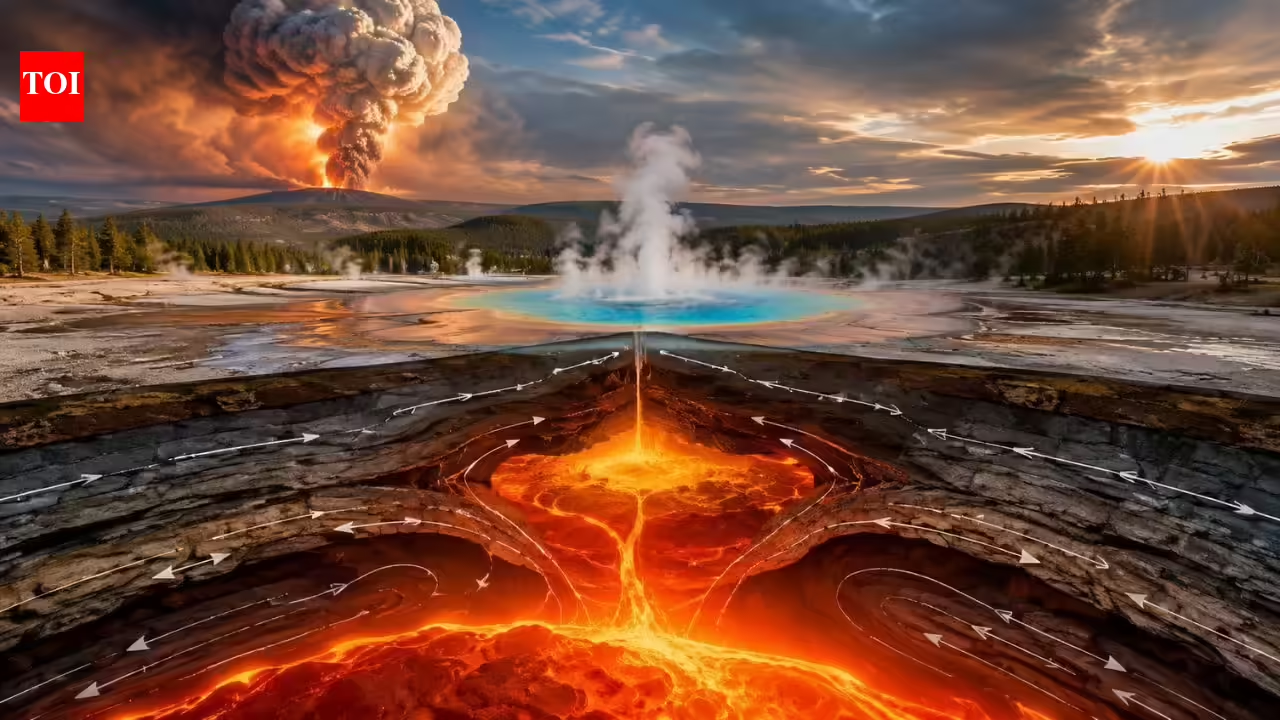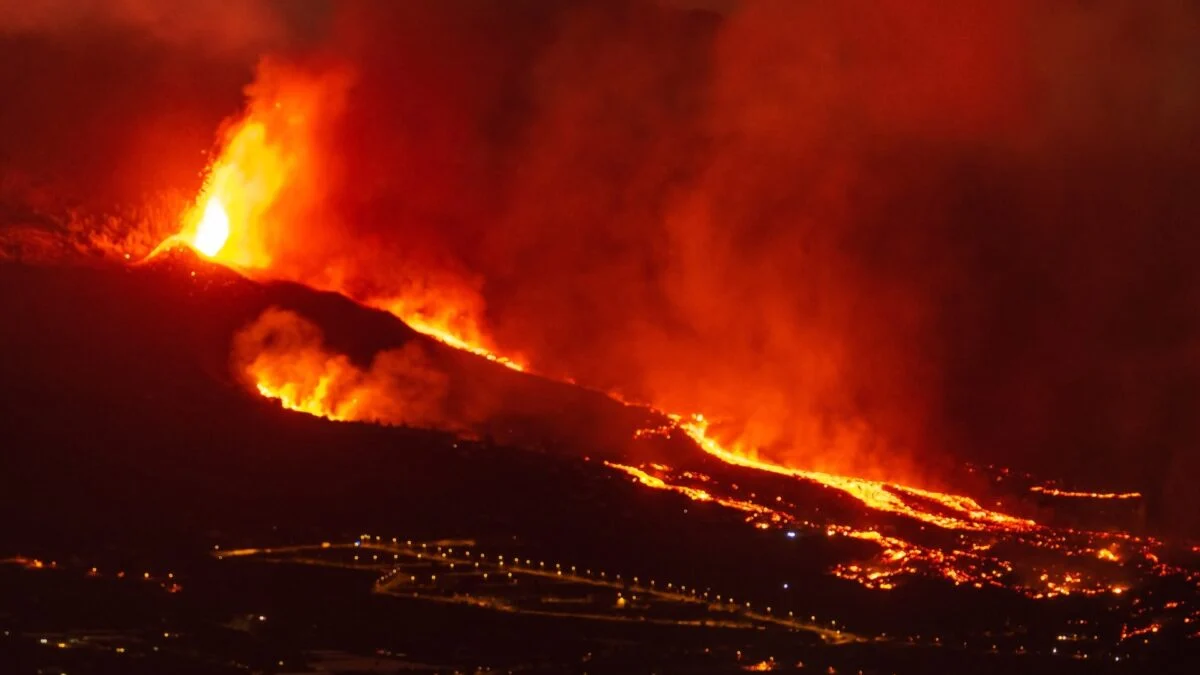
Rivers of lava rose to an average height of nearly 20 feet (6 meters) and cut through the landscape at an estimated 984 feet (300 m) per hour when the Tajogaite volcano blew on the island of La Palma in 2021. This historic, 85-day smoldering eruption on one of Spain’s Canary Islands plagued residents long enough and hard enough for at least one local politician to consider dropping a bomb to divert its heaping lava flow. But, if there’s a silver lining to Tajogaite’s months of destruction, it’s this: Geologists and other Earth science researchers have now managed to use cooled rock from the cone of this volcano to recreate its molten magma in the lab. And the team’s high-temperature experiment has uncovered an entirely new governing principle that could help scientists predict what makes certain volcanic events likely to be more powerful than others. The degree of “superheating” acting on magma, the researchers say, might soon play as powerful a role forecasting future volcanic activity as the more traditional factors scientists currently rely upon, gas content, pressure, and the geologic chemistry of the magma itself.
“Until now, we did not fully understand the dynamics of crystal growth for magmas that received an injection of superheat just before ascent,” volcanologist Barbara Bonechi, the study’s lead author, explained in a statement. Magma at superheated temperatures, Bonechi and her colleagues argue, exhibits “a first-order control on magma viscosity” preventing bits of molten rock from crystallizing into any solid grit that might otherwise slow its flow amid the molten rock’s heated ascent to Earth’s surface.