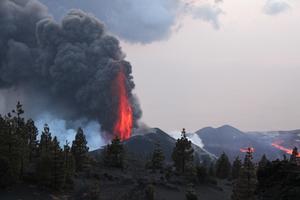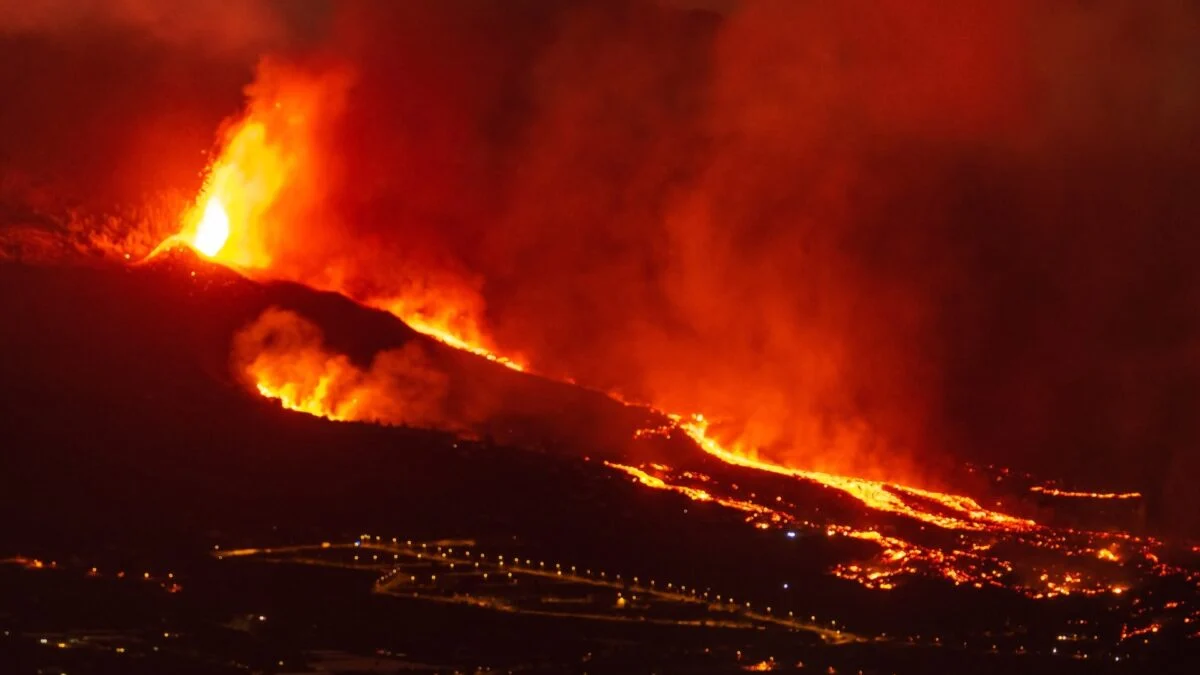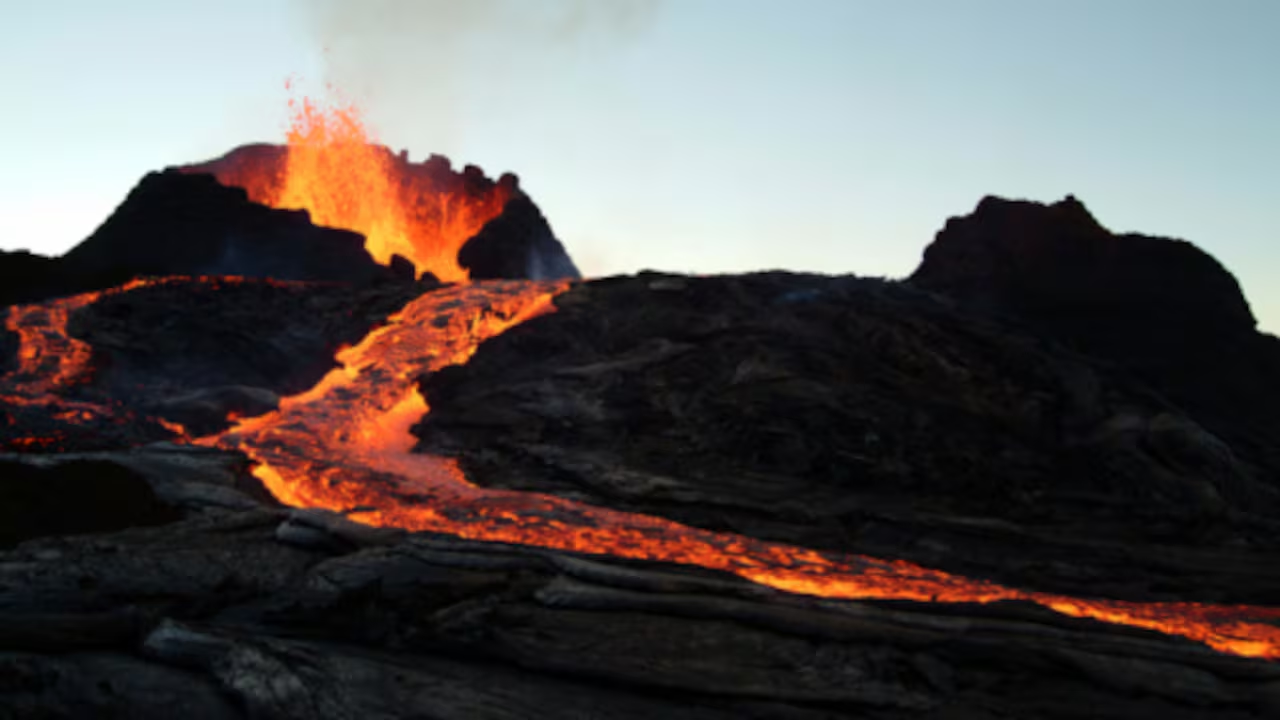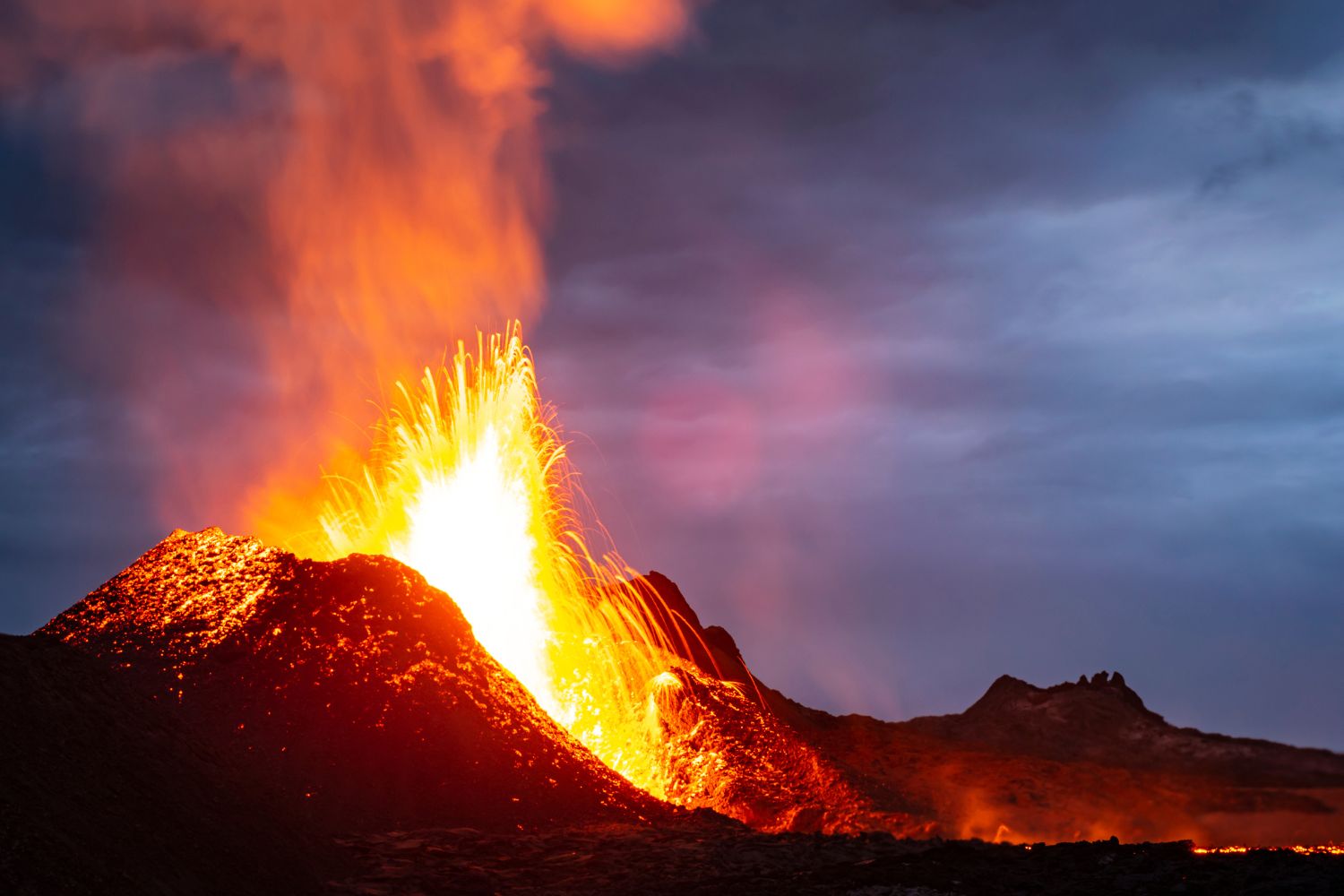
Scientists have identified a heat-driven process inside magma that could help explain why volcanoes with similar characteristics sometimes erupt in very different ways.
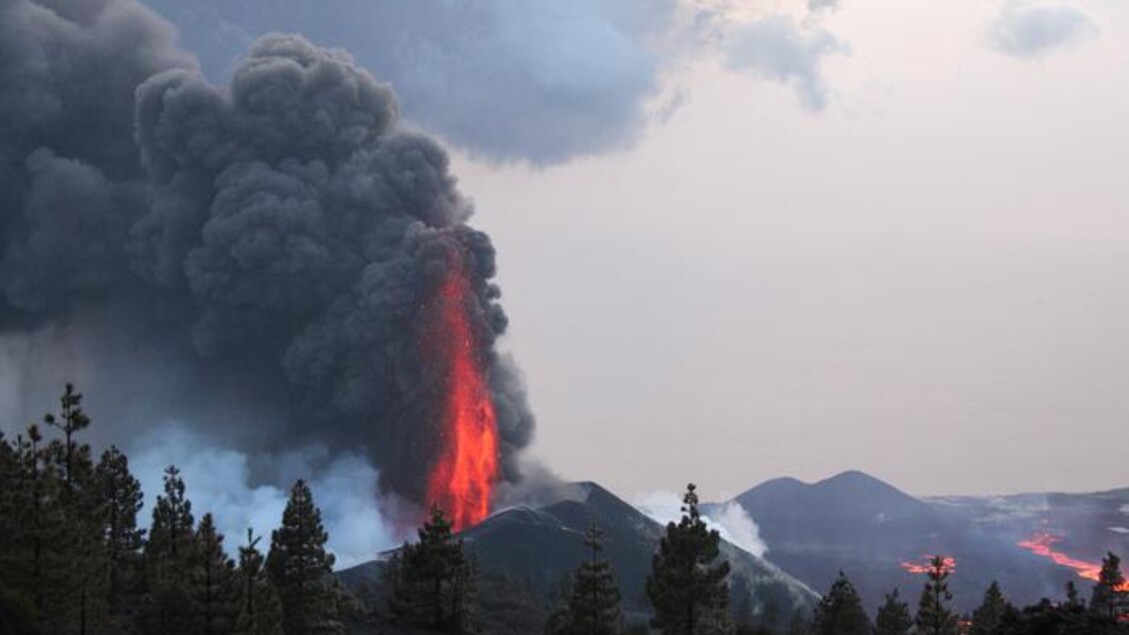
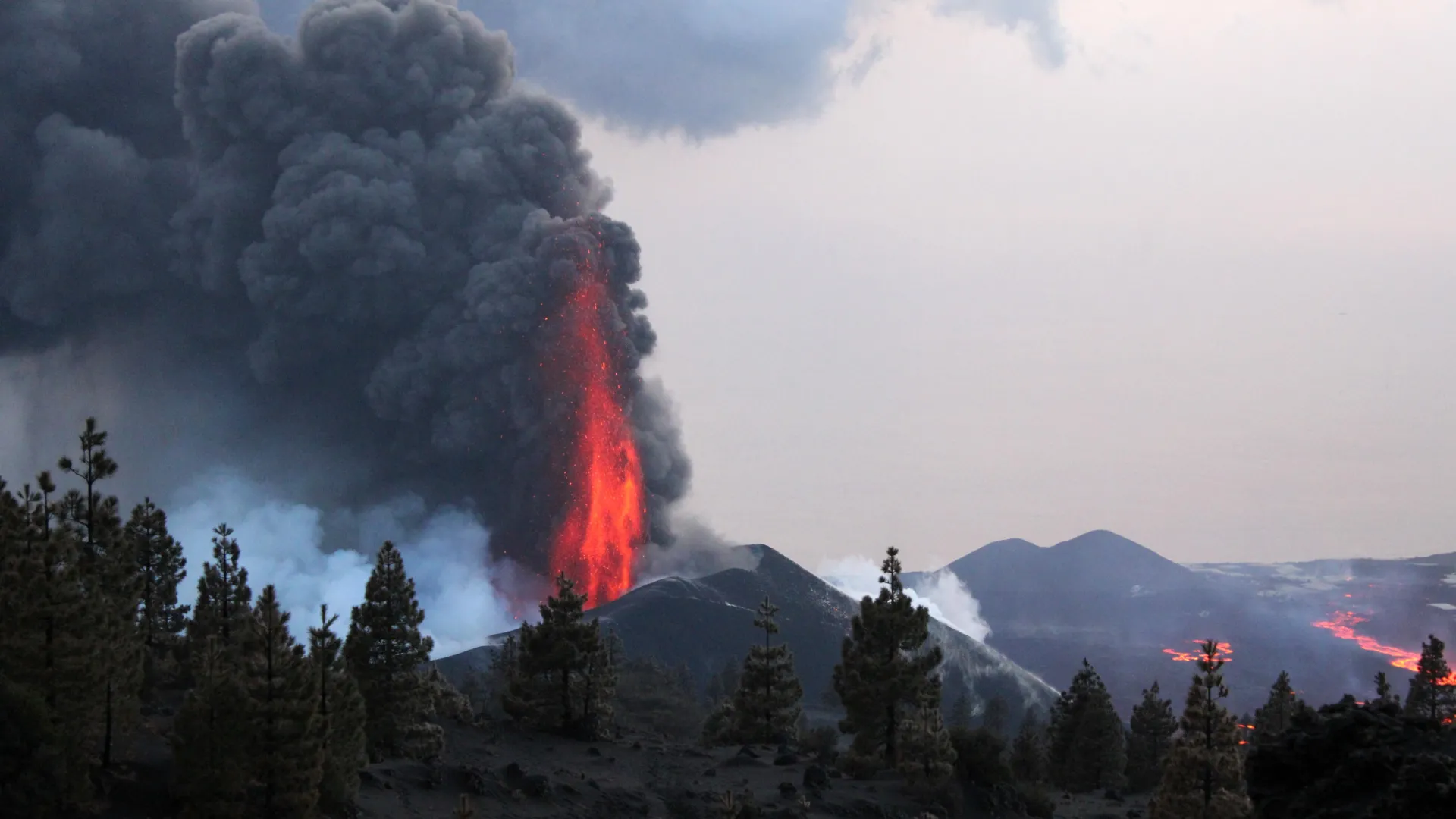
An international research team led by The University of Manchester analyzed magma from the 2021 Tajogaite eruption on La Palma, Spain. The scientists found that "superheating," which occurs when magma becomes hotter than the temperature at which crystals remain stable, can postpone crystal formation as the magma moves toward the surface.
Superheating Removes Crystal Seeds
The study, published in Nature Communications, found that intense heat can dissolve tiny existing crystals that normally act as "seeds" for the growth of new crystals.
Superheating also reorganizes the magma at a microscopic level, making its internal structure more uniform and less favorable for new crystals to develop. These changes can affect both the speed at which magma rises and the ease with which volcanic gases escape. Together, those factors can strongly influence whether an eruption produces dramatic lava fountains or a slower release of lava.