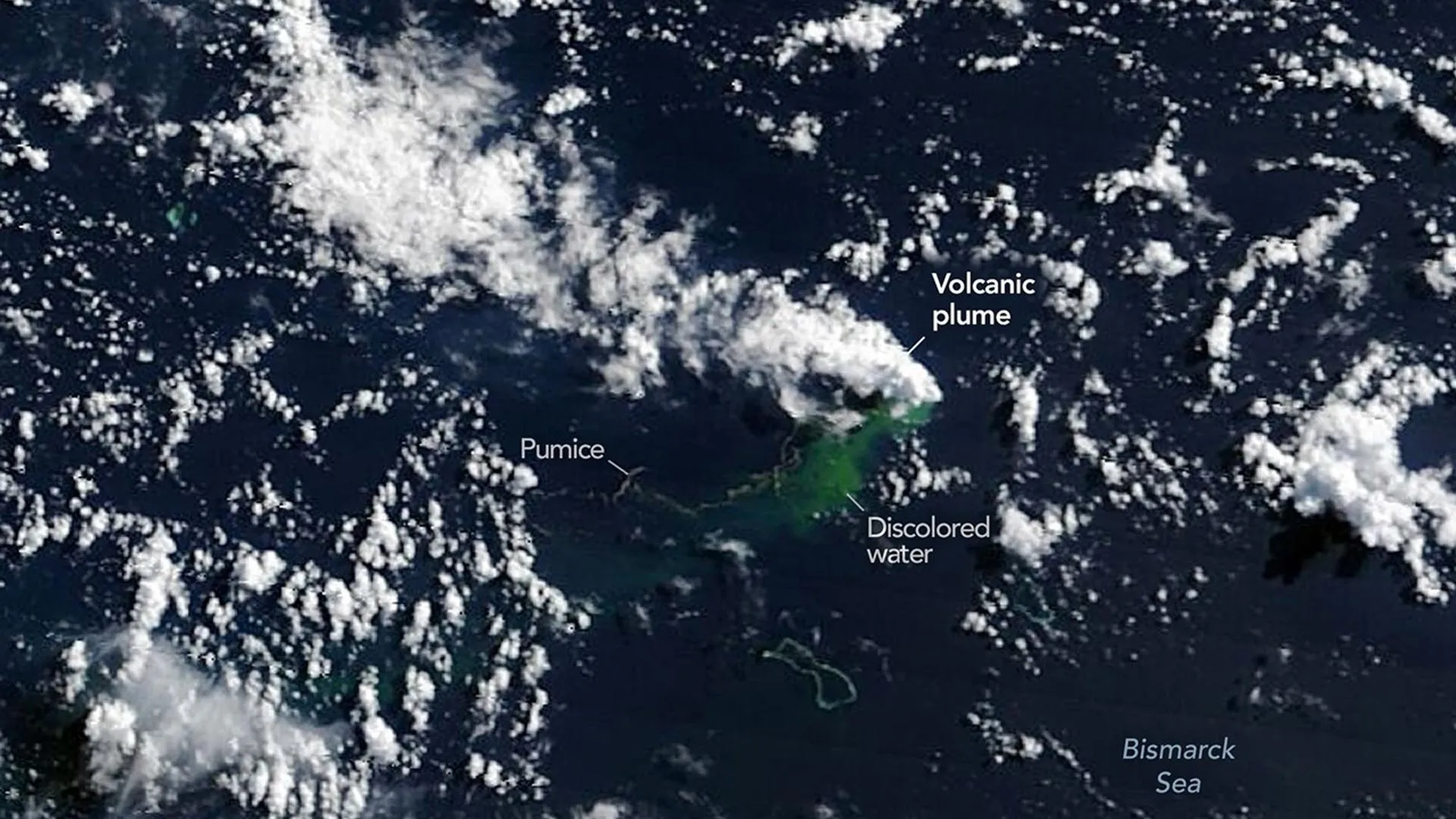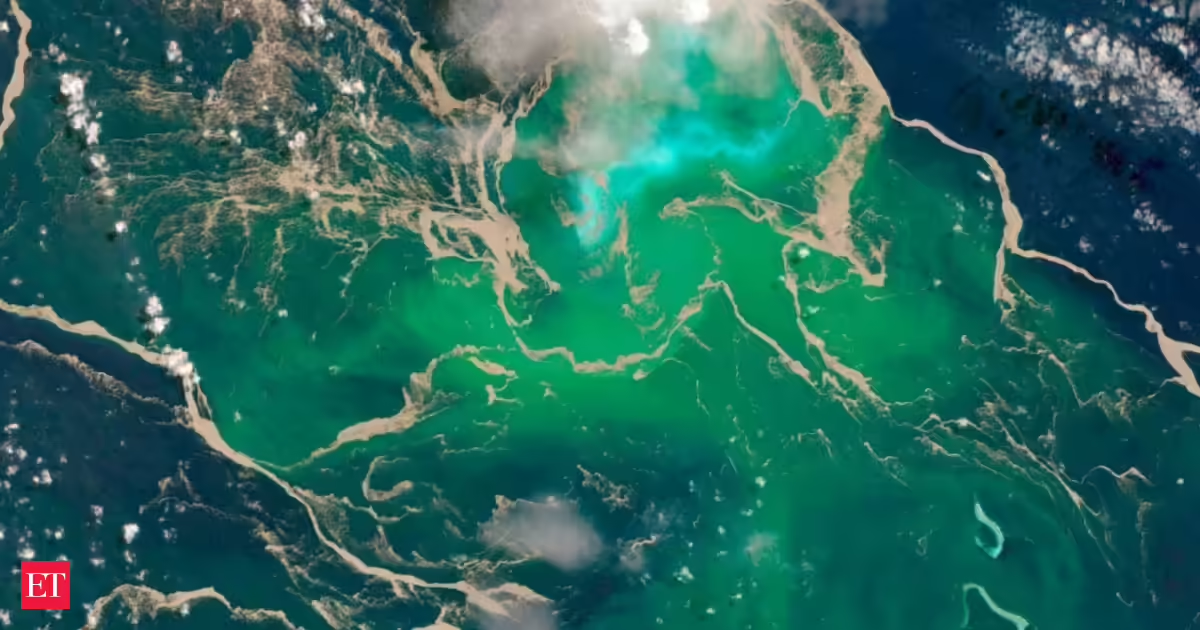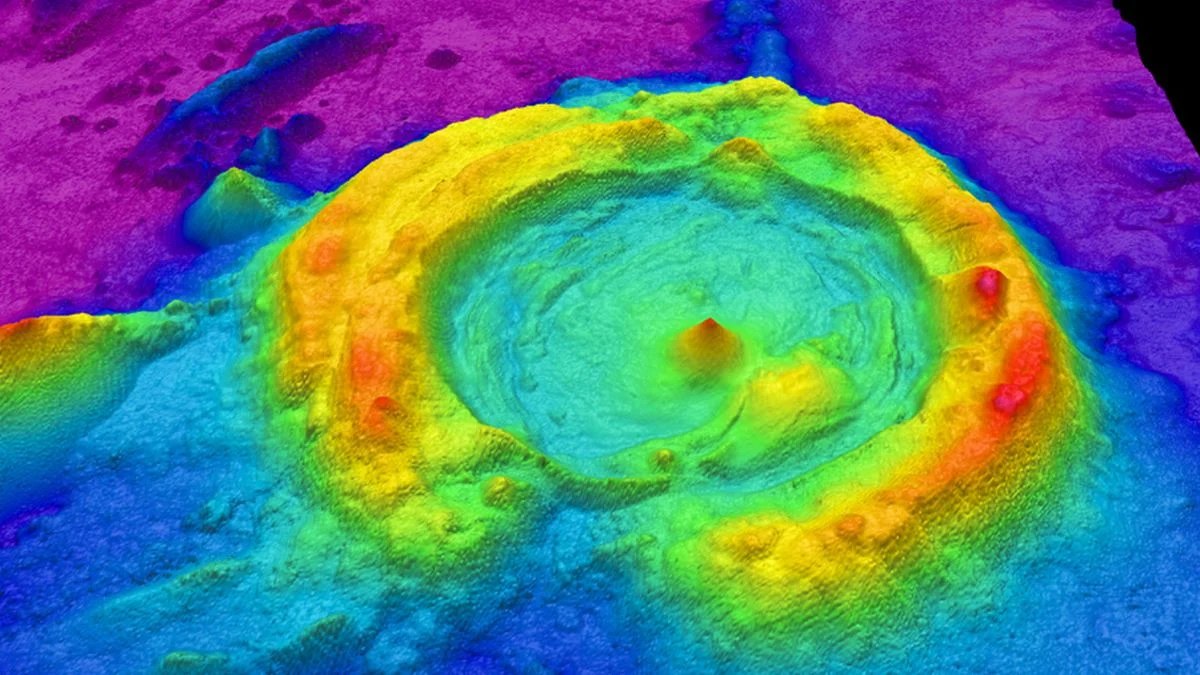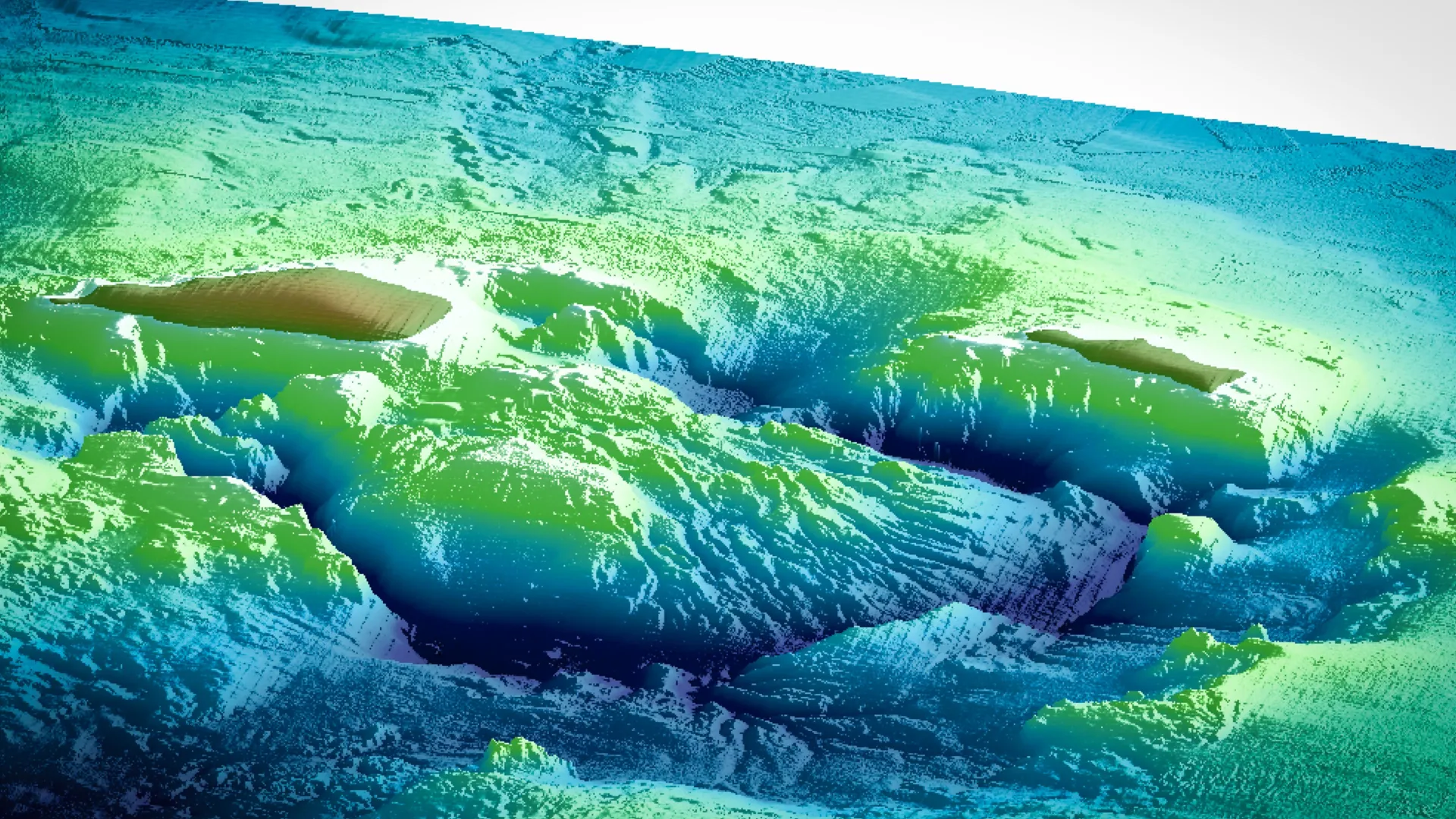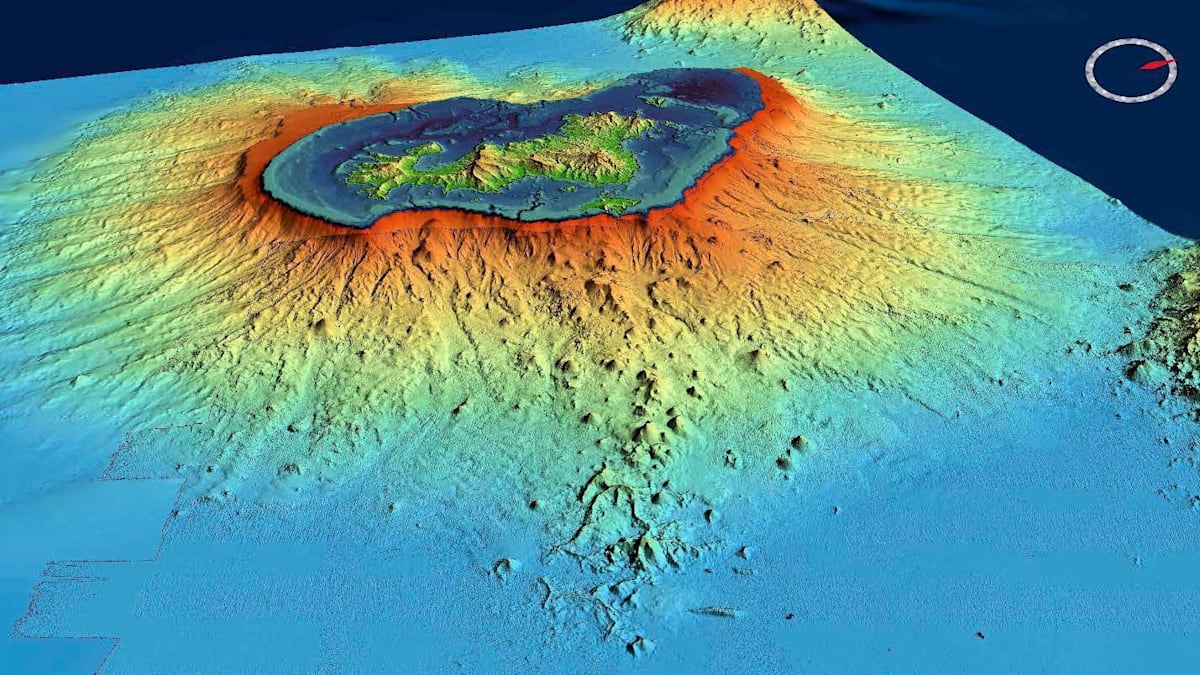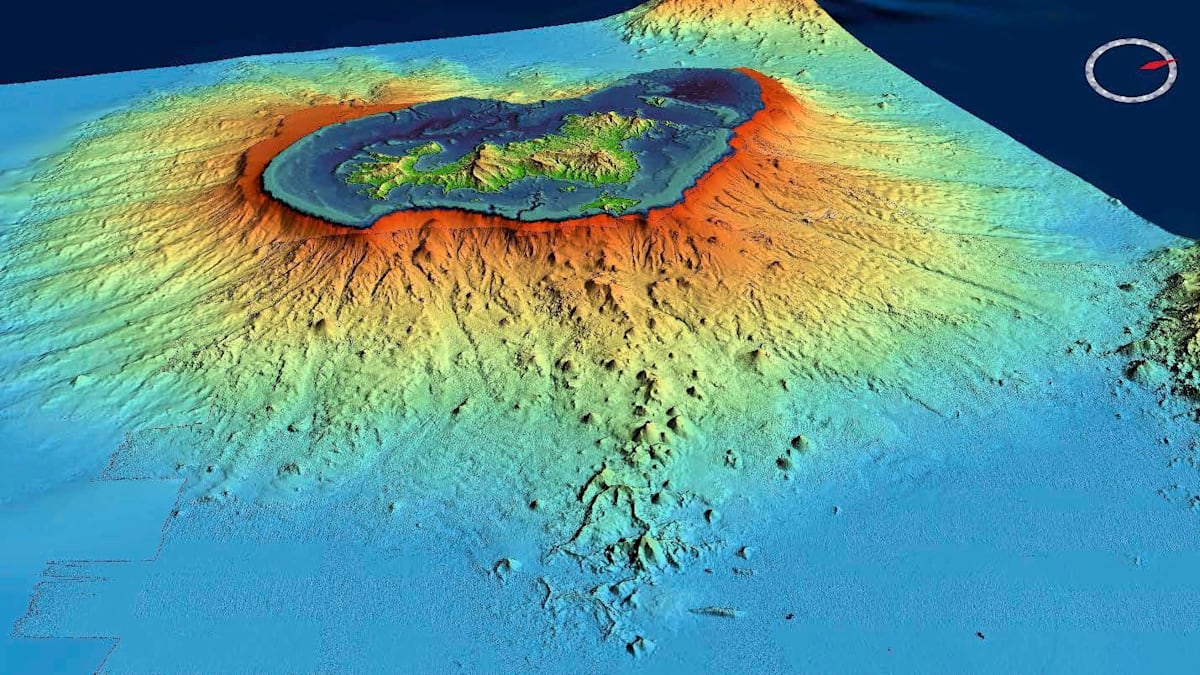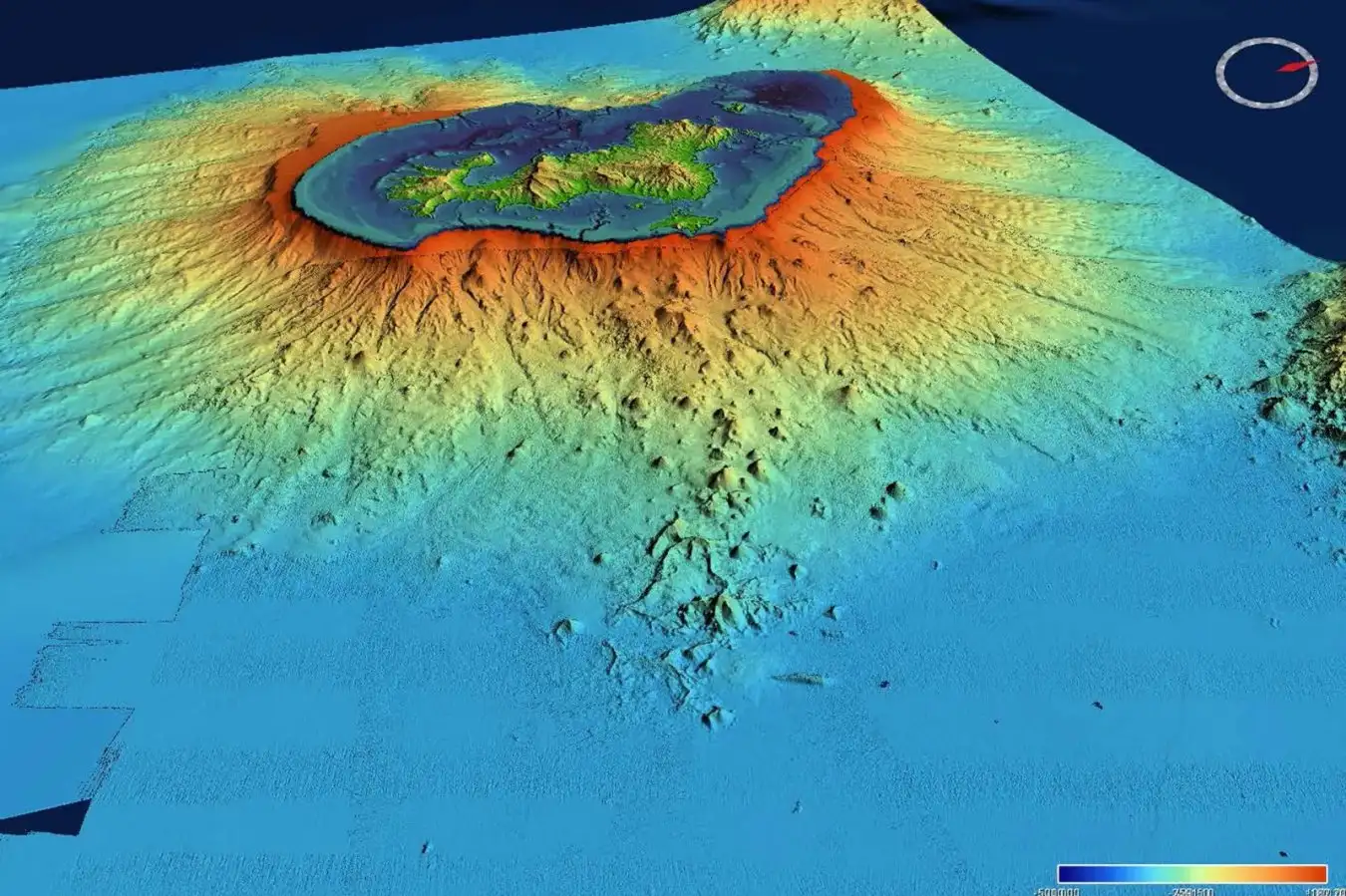
Submarine reliefs produced by a survey off the coast of Mayotte in 2019, showing the new underwater volcano Fani MaoréCampagne MAYOBS2
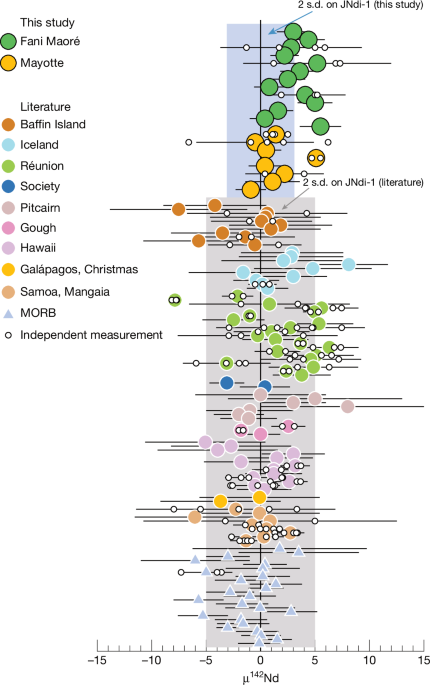
A rising underwater volcano off the coast of Madagascar has been spewing up chemical traces of material from a primordial magma ocean in the first 100 million years of Earth’s history.
Scientists generally suspect that Earth’s mantle – the thick layer of hot rock beneath the crust – has been steadily churning for more than 4 billion years, gradually erasing most chemical traces of the planet’s earliest history.
“This is going to change a lot of things [in earth science], because now we have proof that materials dating back 4.5 billion years – from the very beginning of Earth’s history – still exist in sufficient quantities to be sampled in a volcano,” says Catherine Chauvel at the French National Centre for Scientific Research (CNRS) in Paris.
During the Hadean eon, a Mars-sized object collided with Earth, breaking off debris that scientists believe later formed the moon. The impact heated the young planet so intensely that it became covered by a global magma ocean. Over the next few million years, the molten rock cooled and crystallised, and the earliest crust began to form above the mantle.