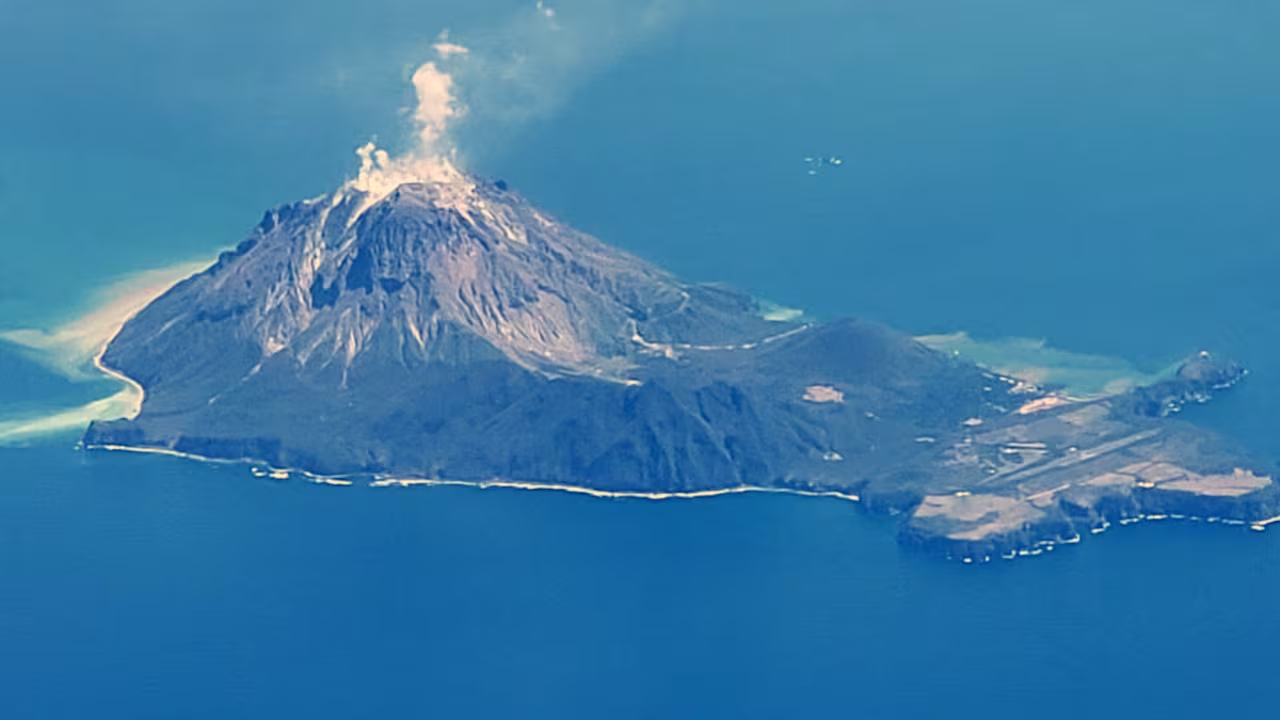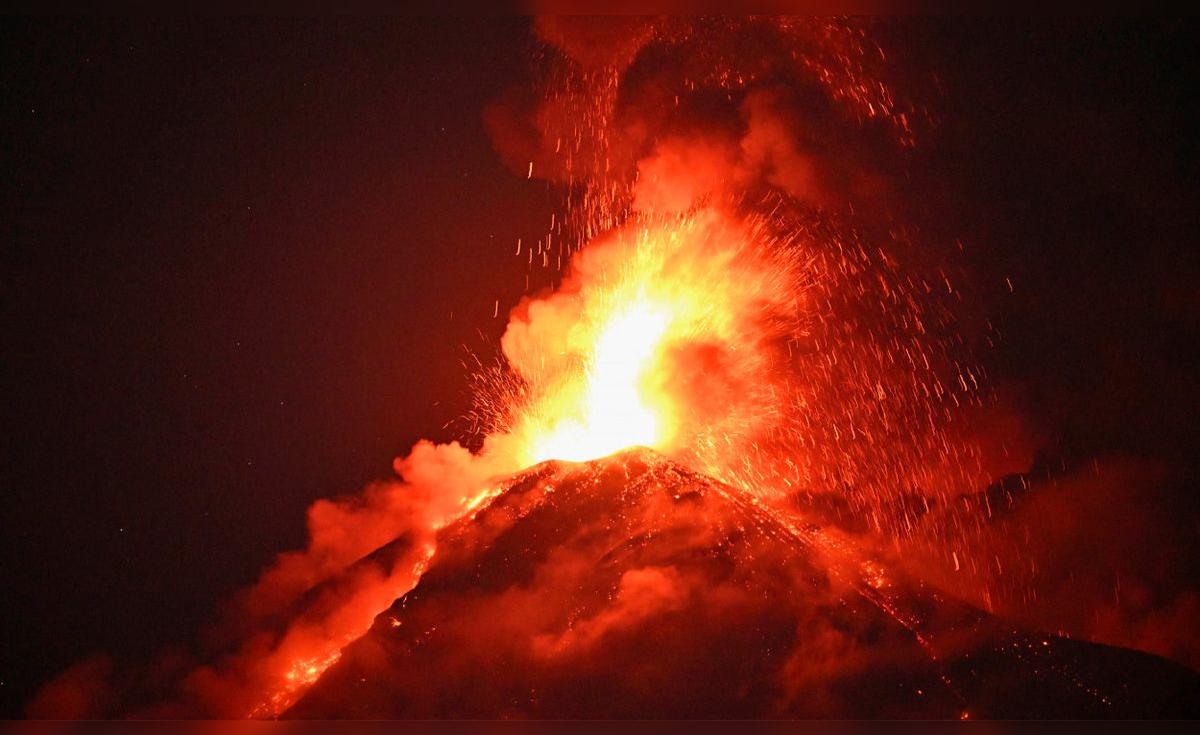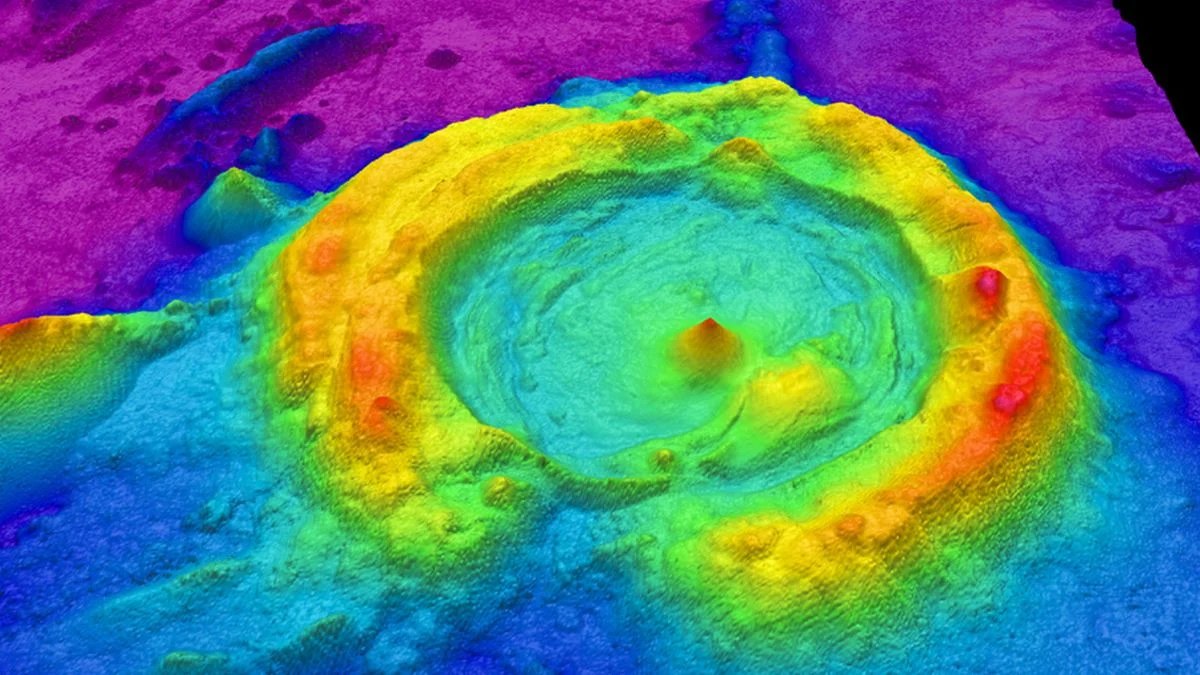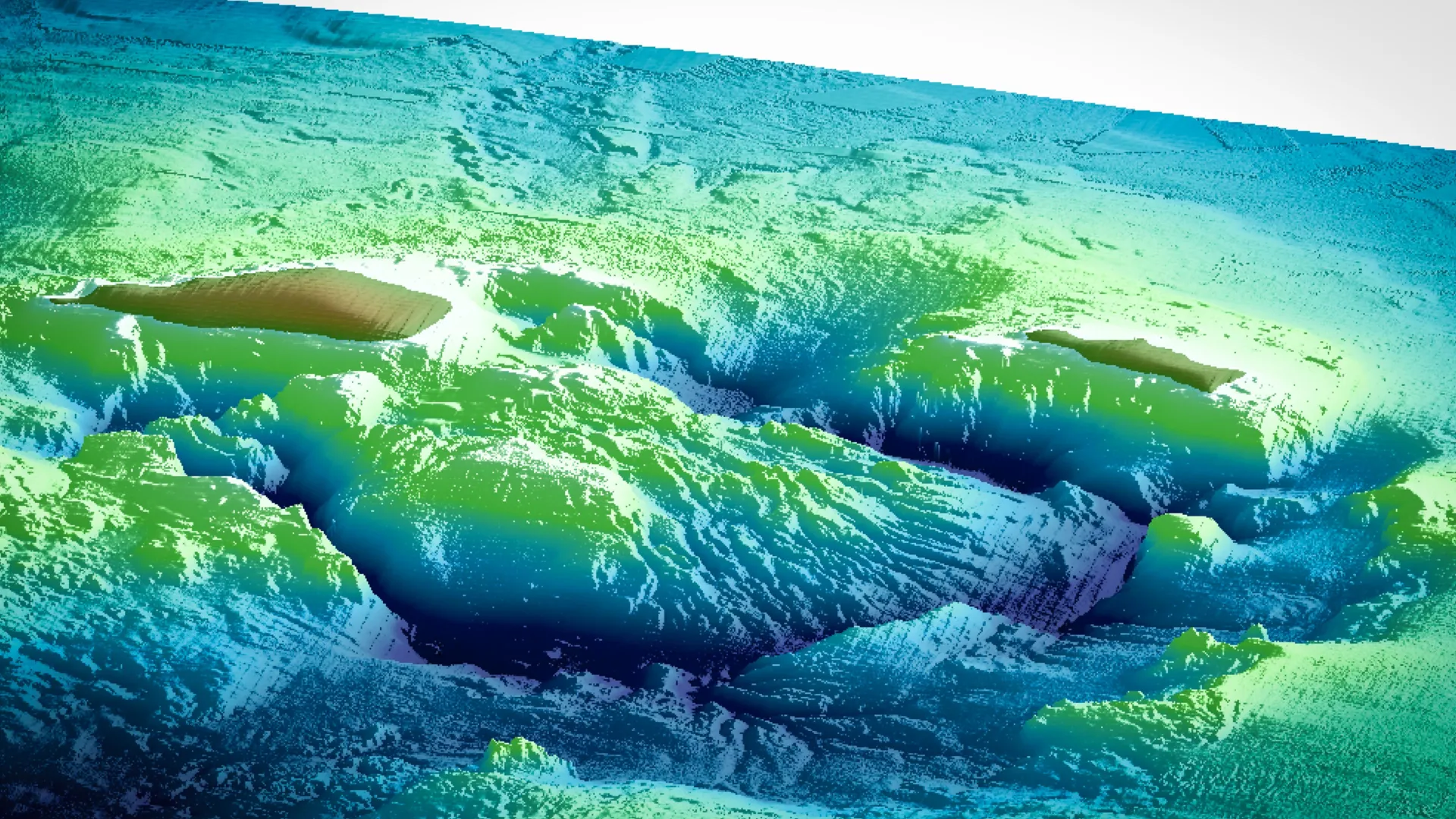
A vast reservoir of magma beneath Japan's Kikai caldera appears to be filling again, offering scientists a rare glimpse into how some of Earth's largest volcanoes recover after catastrophic eruptions.
The discovery, led by researchers at Kobe University, could improve understanding of enormous caldera systems such as Yellowstone in the United States and Toba in Indonesia. It may also help scientists identify the underground changes that occur before future giant eruptions.
A Volcano Capable of a Colossal Eruption
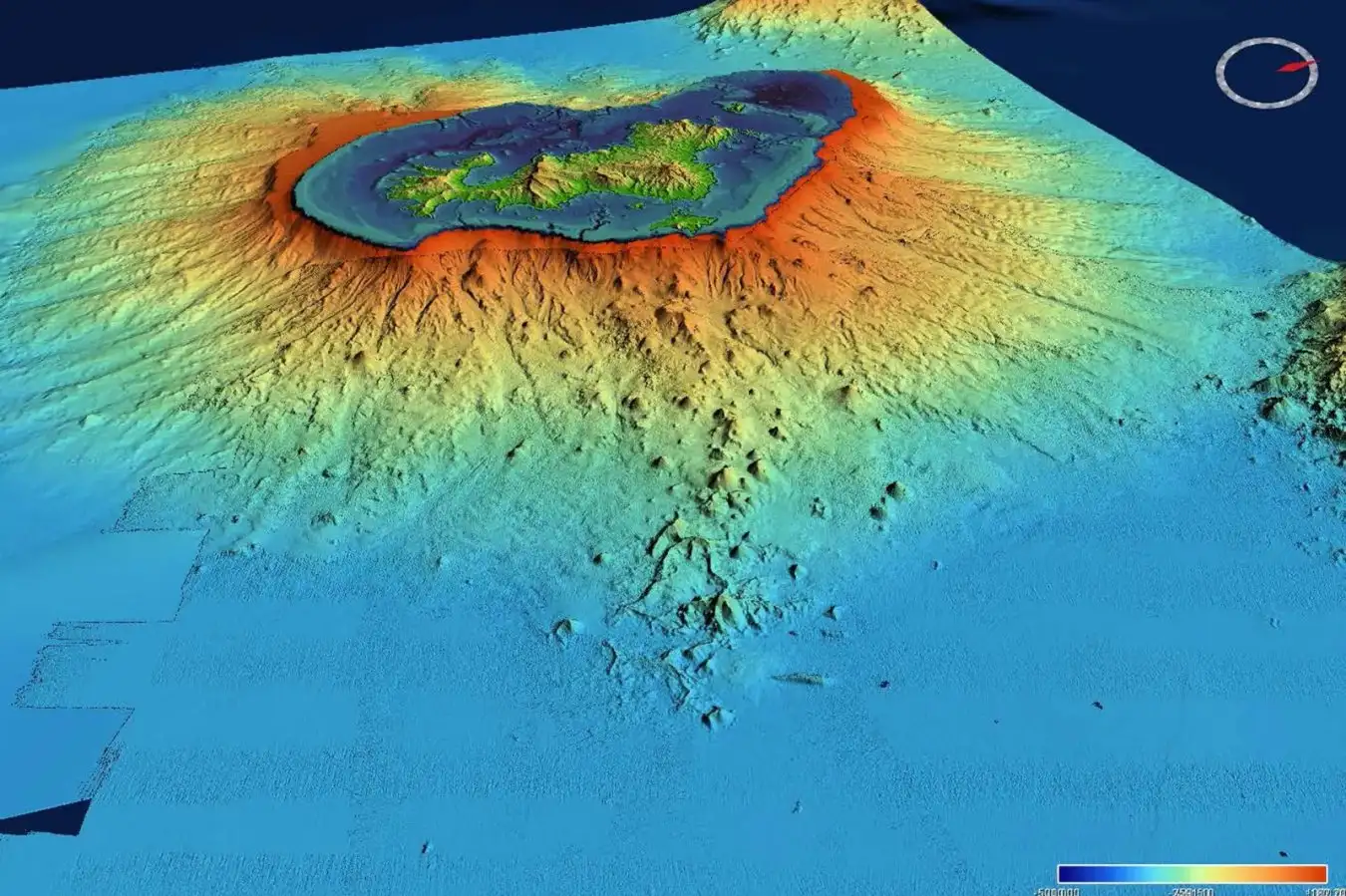
Kikai is a mostly submerged volcanic caldera south of Japan. About 7,300 years ago, it produced the largest known volcanic eruption of the Holocene, the current geological epoch, which began roughly 11,700 years ago.
Calderas form when an eruption empties such an enormous volume of magma that the ground above the reservoir collapses. Instead of leaving behind a typical cone-shaped mountain, the event creates a broad, relatively shallow depression.